
 Free Shipping Over $50
  888-432-8363


 Obituary/Programs
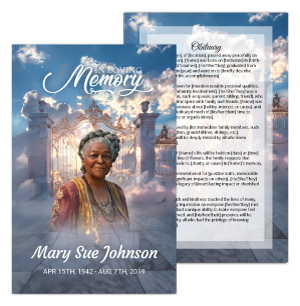 No-Fold Memorial Programs
 4 Page Funeral Programs
 8 Page Memorial Programs
 12 Page Funeral Programs
 16 Page Funeral Programs
 20 Page Funeral Programs
 Tri-Fold Funeral Programs
 Complete Memorial Packages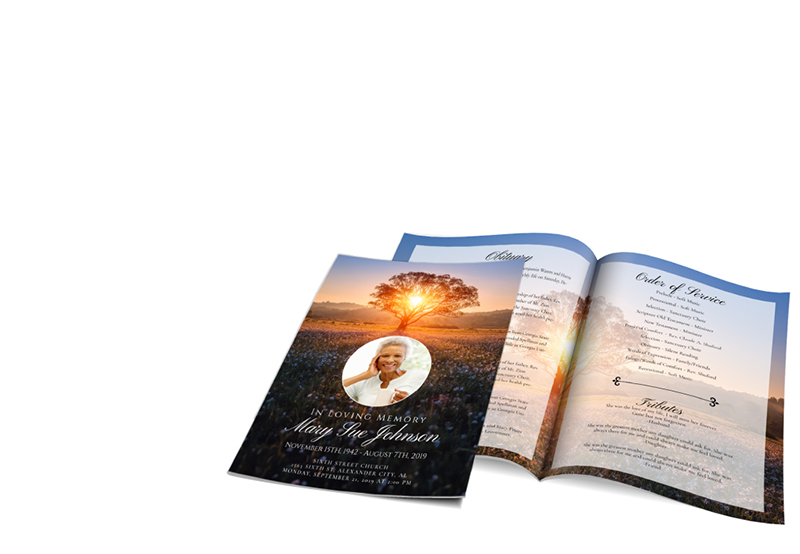
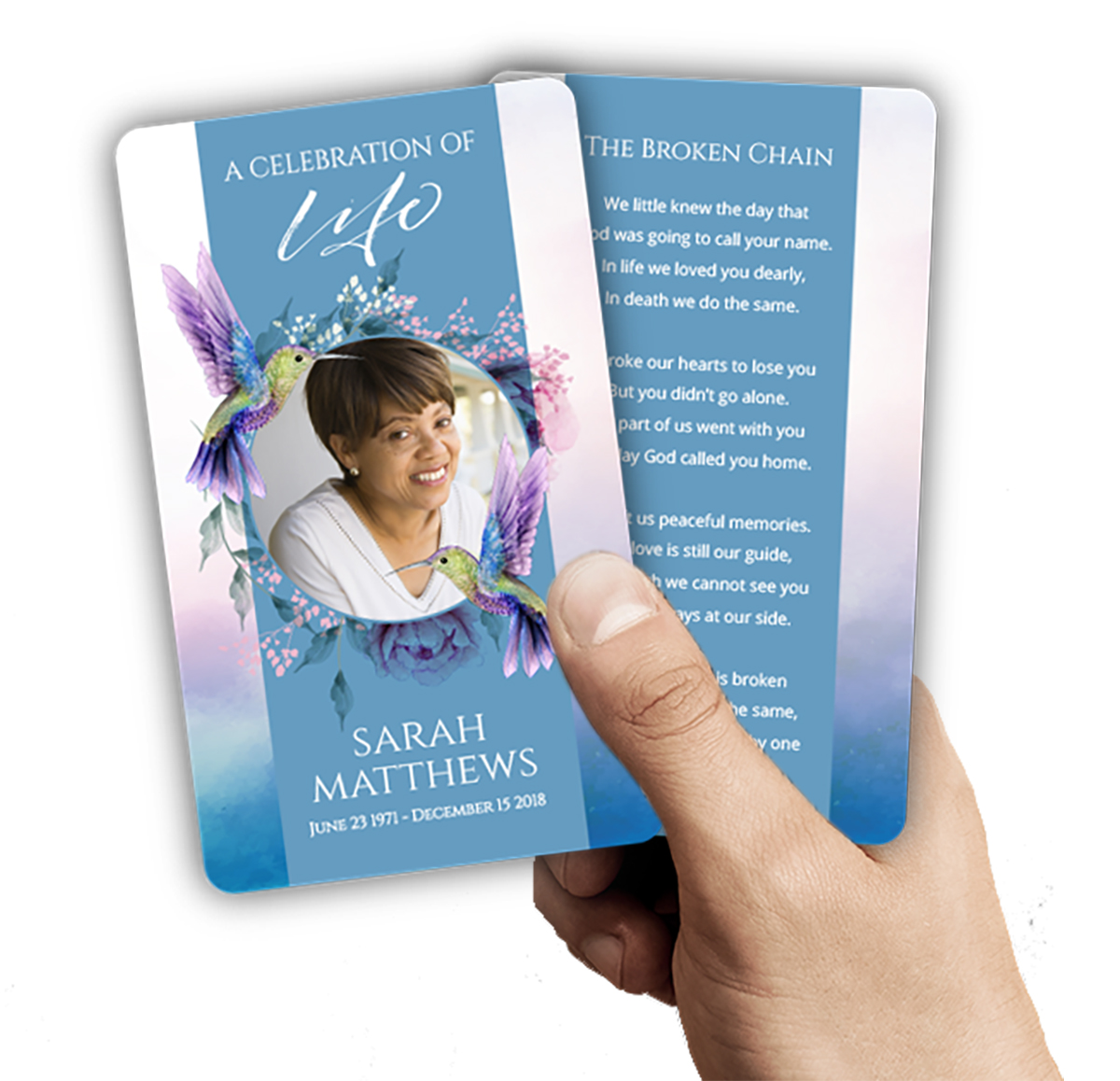 Cards & Bookmarks
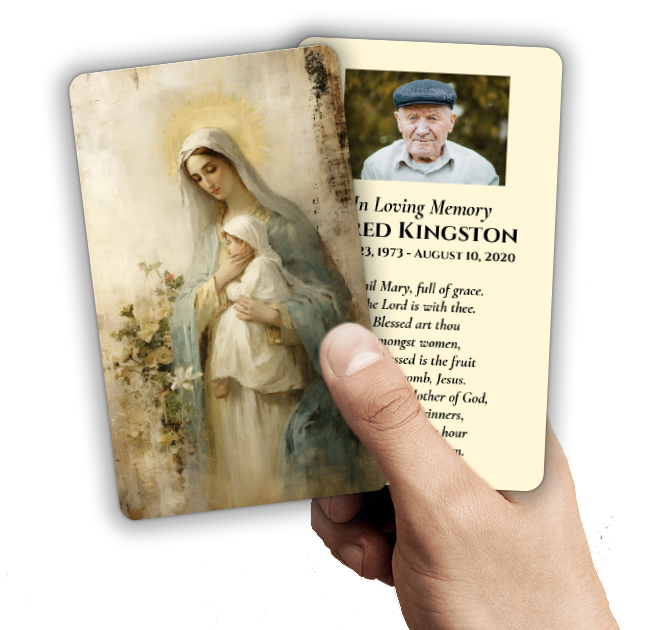 Saint Prayer Cards
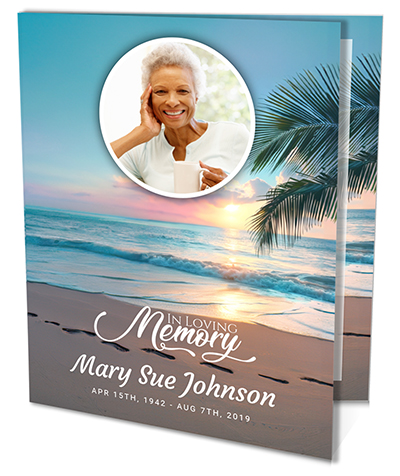 Folded Memorial Cards
 Folded Holy Cards
 Memorial Bookmarks
 Thank You Cards
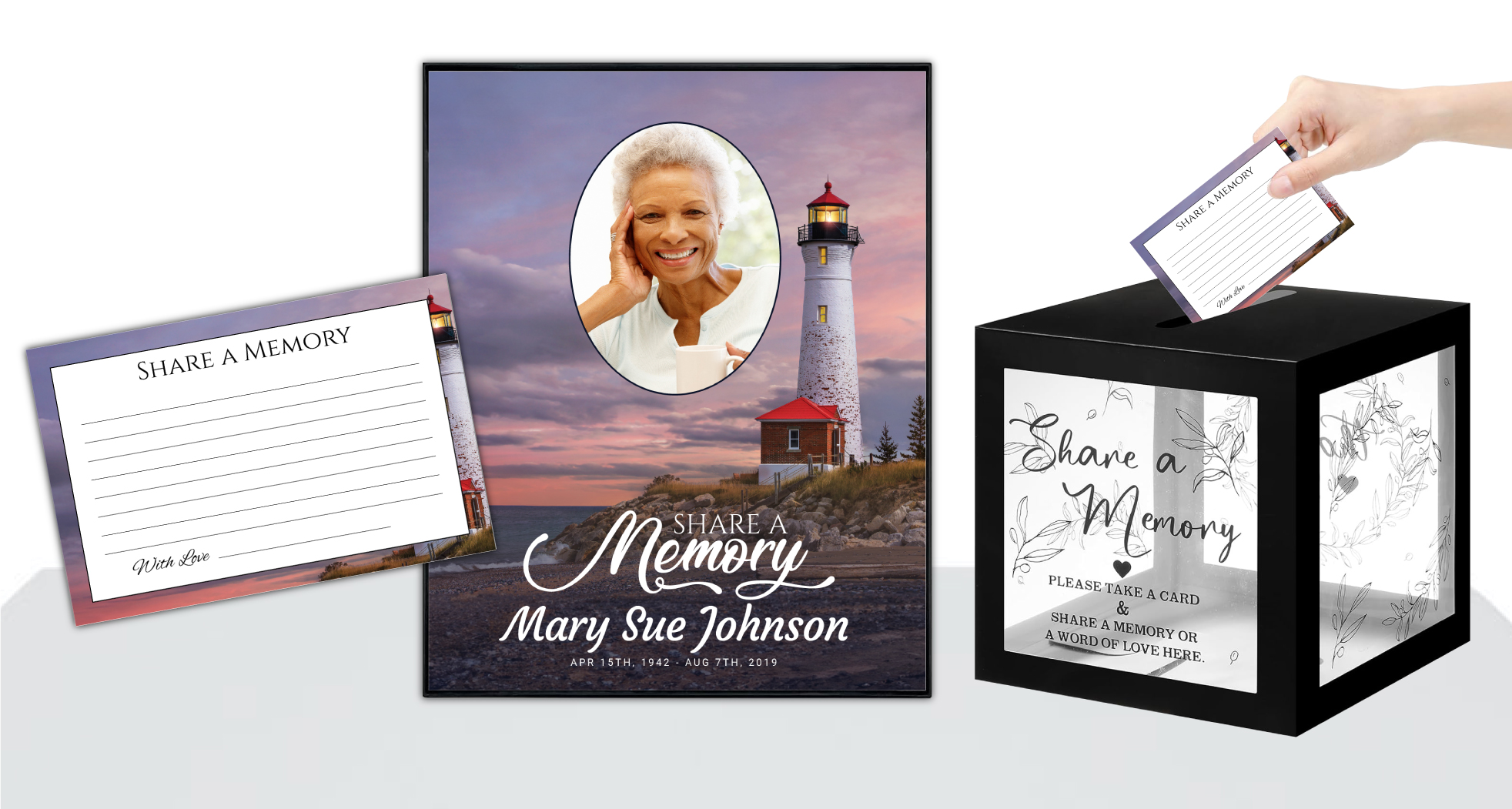 Share-A-Memory Cards
 Memorial Magnets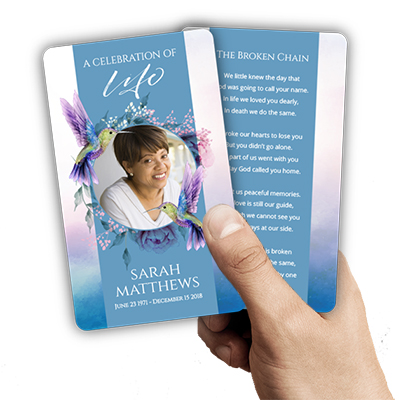
 Memorial Posters
 Guest Books
 Slide Shows
 Memorial Fans
 Death Announcements
 Take Away Keepsakes
 Church Products
Introduction
At DisciplePress, we understand that you are navigating one of life’s most challenging experiences. Losing a loved one is an emotional, heartbreaking journey. In these difficult times, writing an obituary can feel like an overwhelming task. Yet, it serves a significant purpose. It’s a farewell, a tribute, and an opportunity to celebrate your loved one’s life in your own words.
An obituary is more than just an announcement of death. It’s a narrative of your loved one’s life, their achievements, their personality, and their impact. It’s a record for future generations and a means to inform the community about the loss. We want to assist you in crafting a meaningful obituary that will honor your loved one’s memory.
In this article, we will guide you step-by-step through the process of writing an obituary, helping you to express your thoughts and feelings in a structured, compassionate way. We’ll provide practical tips, real-world examples, and suggestions to make the process less daunting.
At DisciplePress, we offer a Free Obituary Writing Assistant tool, which can provide additional guidance. We also offer a range of printing services for obituaries, from funeral programs to memorial cards, ensuring that your final tribute is beautifully presented.
Understanding the Purpose of an Obituary

An obituary serves several purposes. It’s an announcement of death, providing essential information about the passing and funeral arrangements. It’s also a record of life, highlighting significant events, achievements, and personal traits. An obituary can bring closure by allowing friends and family to reflect on the person’s life and legacy.
We’re committed to supporting you through this difficult time with meaningful memorial resources. We offer Obituary Templates, Bi-Fold Programs and Tri-Fold Programs to help you create meaningful tributes.
Writing an obituary can also be therapeutic. It gives you a chance to express your feelings and remember your loved one in a special way. It allows you to share their story and the impact they had on those around them.
When you start writing, remember, there’s no right or wrong way to do it. Each obituary is unique, reflecting the individual’s life and the feelings of those left behind. It’s your narrative, and it should resonate with your emotions and memories.
Whether you choose to keep it simple or make it detailed, whether it’s an official announcement or a personal eulogy, the obituary should be a representation of your loved one’s life. And remember, you’re not alone in this process. We’re here to support you every step of the way.
Gathering Information
Before you start writing the obituary, gather all the necessary information. This includes basic details such as full name, date of birth, date of death, and place of residence. But it goes beyond that. Reflect on their life, their achievements, their passions, and their relationships.
Think about their education, career, hobbies, and interests. Recall significant life events, accomplishments, or community involvement. Remember, you’re painting a picture of your loved one’s life, make it as vivid and complete as possible.
Consider talking to family members, friends, or colleagues. They can contribute anecdotes, memories, or aspects of your loved one’s life that you might not be aware of. This collaborative effort can make the obituary richer and more comprehensive.
Collecting all this information might take time, but it’s a crucial step in the process. It sets the foundation for your obituary, ensuring it’s accurate, thorough, and reflective of your loved one’s life.
Structuring the Obituary
An obituary usually follows a basic structure. It begins with the announcement of death, followed by a brief biography, family members, funeral arrangement details, and a closing note. However, this structure isn’t set in stone. You can modify it to best represent your loved one’s life.
Every memorial should reflect the unique life and legacy of your loved one. We offer Tri-Fold Programs, Memorial Cards and Folded Memorial Cards to help you create meaningful tributes.
The announcement typically includes the full name, age, place, and date of death. The biography can include information about their birth, education, career, interests, and achievements. It’s also the place to highlight their personality and the impact they had on others.
The family section usually lists immediate and extended family members, both living and deceased. The funeral arrangement details should include date, time, location, and any special instructions for attendees.
The closing note can be a thank you message, a special memory, or a quote that encapsulates your loved one’s life. This is also the place where you can request donations to a favorite charity in lieu of flowers, if desired.
Remember, the structure is just a guide. Feel free to adapt it to your needs, to tell your loved one’s story in your own way.
Writing the Obituary
Once you have all the information and a basic structure, you can start writing the obituary. Take your time and let your emotions guide you. Write from the heart, but also keep it concise and clear.
Start with the announcement and the biography. Use anecdotes, memories, or quotes to make it personal and meaningful. Highlight their personality traits, their passions, and how they touched the lives of others.
When listing family members, start with the closest relatives and extend to others as you see fit. Be sure to include significant relationships and those who were important in your loved one’s life.
Provide clear and accurate information about the funeral arrangements. If there are special requests, such as donations to a charity, include them in the closing note.
Finally, proofread the obituary for any errors or omissions. And remember, it’s okay to ask for help. Friends, family, or our team at DisciplePress are here to support you.
Choosing the Right Format for Printing
Once your obituary is written, you’ll want to think about how you’ll present it. At DisciplePress, we offer a variety of printing formats for obituaries, from funeral programs to memorial bookmarks. Each format can be customized to reflect your loved one’s personality and preferences.
Our funeral programs come in different formats, including bi-fold, tri-fold, and booklet programs. They’re available in 4, 8, 12, 16 or 20-page formats, providing you with ample space to include the obituary, photos, poems, and other remembrances.
Memorial bookmarks are another popular option. They’re a lasting keepsake that friends and family can hold onto, a reminder of your loved one’s life and legacy.
We also offer prayer cards and sympathy cards, which can be customized with your loved one’s obituary. These can provide comfort and solace to those who were close to the deceased.
Whatever format you choose, our team can assist you with the design and printing process, ensuring a beautiful, meaningful tribute to your loved one.
Conclusion
Writing an obituary is an emotional journey. It’s a process of remembrance, of honoring, and of healing. It’s a task that, though challenging, can help you find solace and closure.
In this guide, we’ve walked you through each step of writing an obituary, from gathering information to structuring and writing it. We’ve provided practical tips and examples to help you along the way.
At DisciplePress, we’re here to support you during this difficult time. From providing tools like our Free Obituary Writing Assistant to offering a range of printing services, we aim to make this process a little easier for you.
Remember, an obituary is a unique tribute to your loved one. It’s your narrative, your memories, your feelings. Take your time, write from the heart, and know that you’re not alone in this process. We’re here to help every step of the way. Learn more about DisciplePress and our commitment to serving families. Browse our design gallery for inspiration. For personalized assistance, please contact us.