
 Free Shipping Over $50
  888-432-8363


 Obituary/Programs
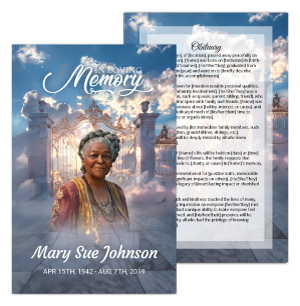 No-Fold Memorial Programs
 4 Page Funeral Programs
 8 Page Memorial Programs
 12 Page Funeral Programs
 16 Page Funeral Programs
 20 Page Funeral Programs
 Tri-Fold Funeral Programs
 Complete Memorial Packages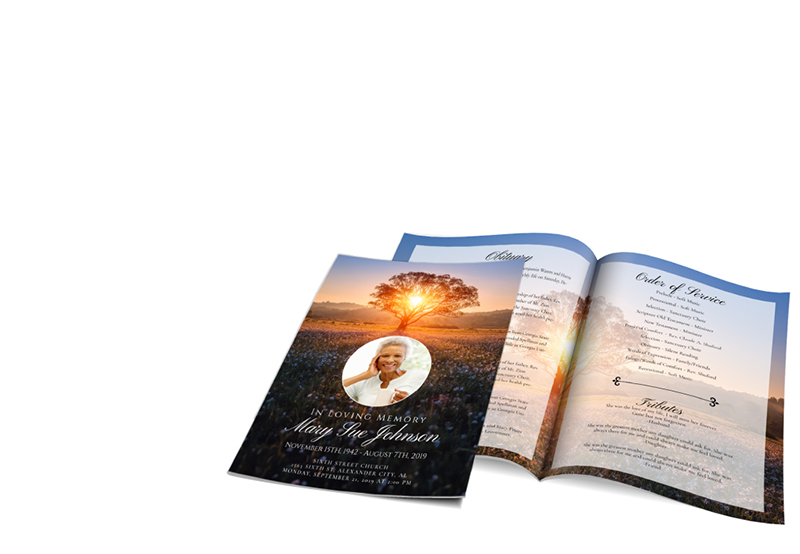
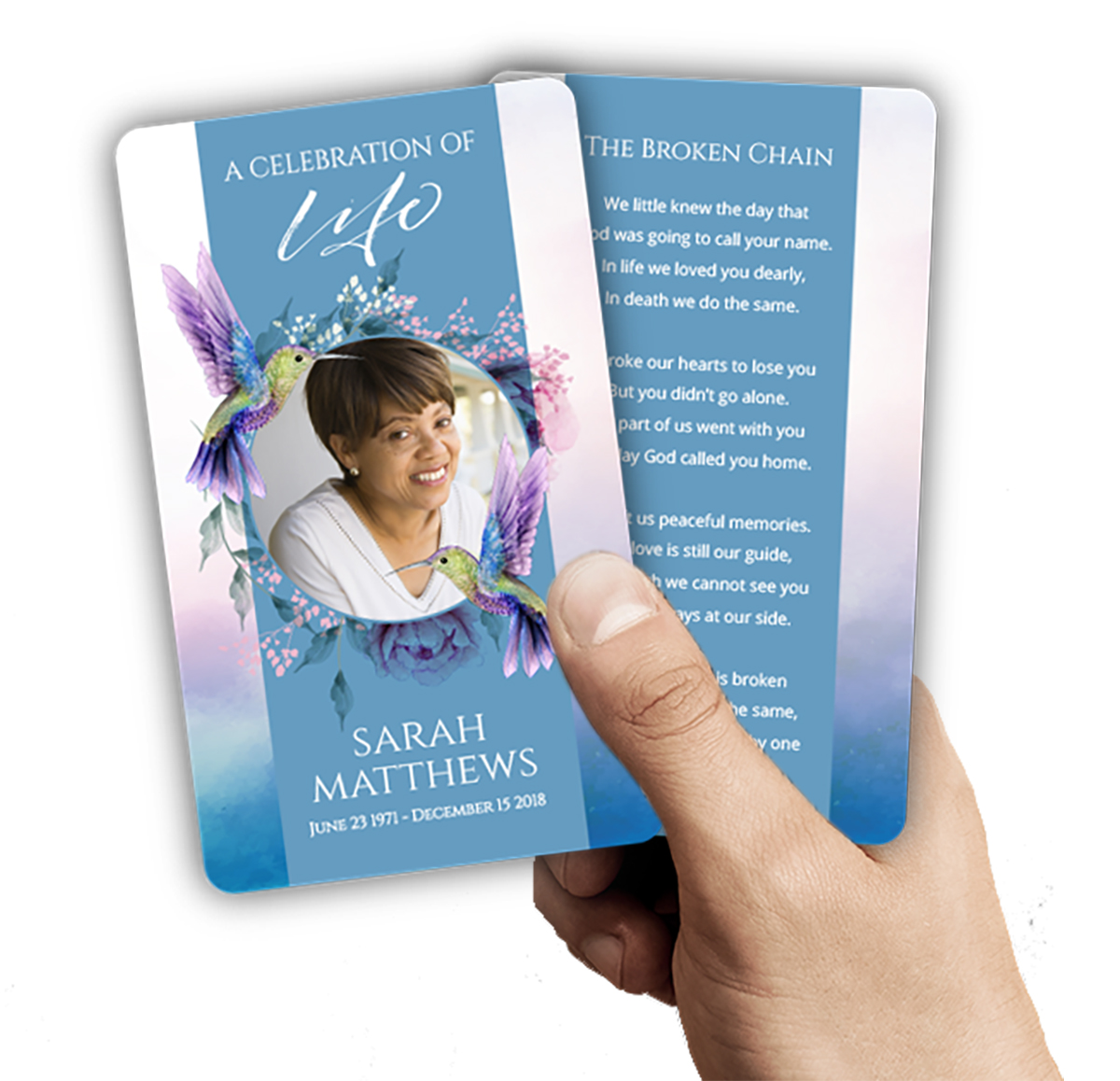 Cards & Bookmarks
 Saint Prayer Cards
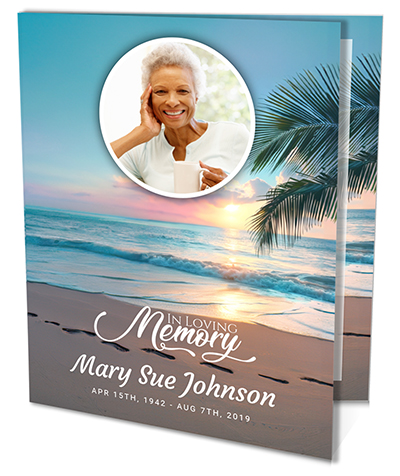 Folded Memorial Cards
 Folded Holy Cards
 Memorial Bookmarks
 Thank You Cards
 Share-A-Memory Cards
 Memorial Magnets
 Memorial Posters
 Guest Books
 Slide Shows
 Memorial Fans
 Death Announcements
 Take Away Keepsakes
 Church Products
Introduction
Writing an obituary is a delicate task that often coincides with deep emotional pain. It is not something many of us are prepared for, yet it is a crucial part of saying goodbye and celebrating the life of a loved one. We at DisciplePress understand that you are going through a challenging time, and we are here to offer our unwavering support and guidance.
The obituary serves as an important link between mourning and celebration. It is a public declaration of loss, a brief biography, a snapshot of the person’s life, and an invitation to commemorate their journey. It is also a crucial component of our funeral programs, fitting seamlessly into 4, 8, 12, 16, and 20-page designs.
In this comprehensive guide, we will walk you through the process of writing an obituary, offering practical tips and common mistakes to avoid. We will also introduce you to our Free Obituary Writing assistant tool to make this task less daunting. Our goal is to help you create an obituary that truly honors your loved one.
Although writing an obituary can feel overwhelming, we hope to provide you with the necessary resources and comfort to navigate this process. Our article is here to guide you every step of the way, from the introduction of the obituary to its conclusion, and everything in between.
Understanding the Purpose of an Obituary

The first step in writing an obituary is understanding its purpose. An obituary serves as a formal announcement of death, but it is also much more. It is a tribute to a person’s life, encapsulating their journey, achievements, relationships, and impact.
Creating a meaningful tribute for your loved one is an important part of the healing process. We offer Obituary Templates, Bi-Fold Programs and Tri-Fold Programs to help you create meaningful tributes.
An obituary provides closure for those grieving, offering a space to share memories, feelings, and reflections. It also informs friends, colleagues, and extended family members of the passing and any arrangements for memorial services or celebrations of life. It’s a way of reaching out to those who knew or were touched by the departed.
Moreover, the obituary is an essential element of any memorial or funeral service. It sets the tone for the service and provides a framework for commemorating the individual’s life. In our various funeral programs, the obituary takes center stage, providing context and fostering a connection between attendees and the departed.
Finally, an obituary serves as a historical record, a snapshot of a person’s life at a specific time and place. It can be a source of comfort for future generations, providing insight into the family’s history and the person’s life story.
The Basic Structure of an Obituary
An obituary typically follows a specific structure, which can be a helpful guide when you start writing. The first part is the announcement of death, which includes the person’s full name, age, place, and date of death. Some families choose to include the cause of death, but this is entirely optional and should be approached with sensitivity.
Next, you’ll want to provide a brief biography of the person’s life. This should include important details such as birthplace, education, career, and significant achievements. Remember, this section should not merely be a list of facts but a snapshot of their journey, highlighting the qualities and experiences that made them unique.
Family information comes next. Mention the deceased’s surviving relatives and predeceased family members. It’s crucial to consult with all immediate family members to ensure everyone who should be included is mentioned.
The final part of the obituary includes details of the memorial service or funeral arrangements. This can include date, time, and location, as well as any specific requests such as donations in lieu of flowers. If the family prefers a private service, this should be stated here.
Lastly, consider including a special message or favorite quote of the deceased to add a personal touch. Remember, an obituary is not just an announcement; it’s a celebration of life.
Honoring the Person’s Life: Beyond Basic Facts
While an obituary includes basic information about the person’s life, it should also reflect their personality, values, and the impact they had on others. Consider what they loved, their passions, hobbies, or special skills. Was there a particular achievement they were proud of? A cause they were passionate about?
Creating a meaningful tribute for your loved one is an important part of the healing process. We offer Tri-Fold Programs, Memorial Cards and Folded Memorial Cards to help you create meaningful tributes.
Think about their relationships with family, friends, and community. How did they interact with others? What will people remember about them? Capturing these aspects can make the obituary more personal and meaningful.
However, remember to respect the person’s privacy and the feelings of those left behind. It’s essential to strike a balance between being truthful and maintaining dignity. If there are sensitive aspects of the person’s life, handle them with care.
Lastly, remember to check and double-check all the factual information. Mistakes in an obituary can be distressing for the family and confusing for those wishing to pay their respects.
Finalizing the Obituary: Revision, Proofreading, and Feedback
Writing the initial draft of the obituary is just the first step. It’s crucial to revise, proofread, and get feedback from other family members. This ensures that the obituary is accurate, comprehensive, and representative of the person’s life.
As you revise, look for any sections that might need more detail or clarity. Make sure the obituary flows well and has a consistent tone. Check for any grammatical errors or typos. This is especially important when referring to dates, names, and places.
Getting feedback from other family members or close friends can be very helpful. They can provide additional insights, correct any inaccuracies, and help ensure that the obituary is a fitting tribute. Remember, an obituary is a collective memory, so it’s important to include perspectives from those who knew the person well.
Finally, remember to take your time. Writing an obituary is a process that requires thought, care, and reflection. It’s okay to take breaks, step back, and return to it when you’re ready.
Utilizing DisciplePress Services
At DisciplePress, we’re dedicated to supporting you during this difficult time. Our services are designed to help ease the burden of planning and organizing a memorial or funeral service.
Our funeral programs, ranging from bi-fold to 20-page formats, offer a dignified and beautiful way to present the obituary and other service details. With themes ranging from angelic to nature-inspired, you can select a design that truly reflects your loved one’s spirit.
Our Free Obituary Writing assistant tool is another resource we offer to guide you in crafting a meaningful and heartfelt tribute. It’s designed to help structure your thoughts and ensure that you cover all necessary information.
We also provide memorial cards, bookmarks, and other keepsakes that can include excerpts from the obituary, providing a tangible memory for those who attend the service. Our same-day printing and rush order services are available should you need our products in a shorter timeframe.
Conclusion
Writing an obituary is a profound act of love, a final gift to the person who has passed, and a comfort to family, friends, and community members. It’s a chance to celebrate their life, acknowledge the loss, and start the healing process.
While the task may seem daunting, remember that you’re not alone. We at DisciplePress are here to support you every step of the way, from providing resources like our Free Obituary Writing assistant tool to offering a variety of funeral program styles to best showcase your loved one’s life.
As you write, remember that the most important aspect of an obituary is that it’s a reflection of the person’s life. It’s their story, their impact, their legacy. It’s more than just facts; it’s a celebration of their unique journey.
We hope this guide has been helpful in navigating the process of writing an obituary. Our thoughts are with you during this difficult time, and we’re here to assist in any way we can. Whether you need a custom design service for your funeral program, a quick turnaround time, or simply guidance on the next steps, please don’t hesitate to reach out to us.
In the face of loss, may you find comfort in memories, support in each other, and strength in the love your dear one left behind. Learn more about DisciplePress and our commitment to serving families. Browse our design gallery for inspiration. For personalized assistance, please contact us.