 Free Shipping Over $50
  888-432-8363


 Obituary/Programs
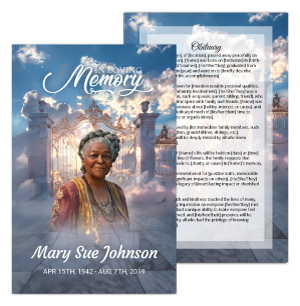 No-Fold Memorial Programs
 4 Page Funeral Programs
 8 Page Memorial Programs
 12 Page Funeral Programs
 16 Page Funeral Programs
 20 Page Funeral Programs
 Tri-Fold Funeral Programs
 Complete Memorial Packages
 Cards & Bookmarks
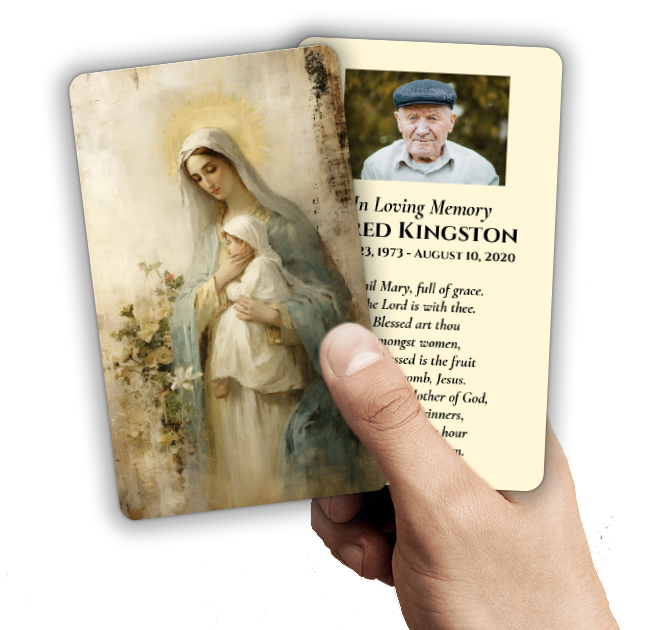 Saint Prayer Cards
 Folded Memorial Cards
 Folded Holy Cards
 Memorial Bookmarks
 Thank You Cards
 Share-A-Memory Cards
 Memorial Magnets
 Memorial Posters
 Guest Books
 Slide Shows
 Memorial Fans
 Death Announcements
 Take Away Keepsakes
 Church Products
Introduction: Facing Funeral Planning with Limited Local Support
Losing a loved one is a profoundly emotional experience, and the responsibilities that follow can feel overwhelming, especially when only one family member is local. If you find yourself in this situation, please know you are not alone—and that your efforts are valued and appreciated by those near and far. The process of assigning funeral tasks when only one family member is local presents unique challenges, but with thoughtful planning and support, it is possible to honor your loved one’s memory in meaningful ways.
It is natural to feel a mix of grief, stress, and even frustration when balancing practical arrangements with the emotional weight of loss. Perhaps you are the only sibling, child, or close relative living near your loved one’s final residence, while others are scattered across states or even countries. In these moments, questions arise: Which tasks must be handled in person? What can be managed from a distance? How can family members contribute fairly, even if they are miles away?
This article will provide comprehensive, compassionate guidance for families navigating funeral planning when only one member is local. We will explore which responsibilities are best managed by the local relative and which can be handled remotely, with a special focus on dividing tasks efficiently and sensitively. Practical tips, real-life examples, and specific advice on tasks like ordering and distributing funeral programs or memorial cards will be included throughout.
At DisciplePress, we understand the complexities of this emotional journey. Our goal is to help you feel supported, informed, and empowered as you organize a loving farewell for your loved one. Within these sections, you will find actionable steps, comforting reassurance, and resources to ease your burden during this tender time.
Understanding the Unique Challenges of Being the Local Family Member

When only one family member is local, the weight of funeral planning often falls on their shoulders. This can feel both like an honor and a heavy responsibility. The local relative may be the first point of contact for funeral homes, clergy, and other service providers, simply due to proximity. While their presence is invaluable, it can also lead to feeling isolated or overwhelmed by the number of decisions and arrangements to be made.
DisciplePress is dedicated to helping families honor their loved ones with dignity and care. We offer Memorial Bookmarks, Funeral Programs and Prayer Cards to help you create meaningful tributes.
The local family member often handles tasks such as visiting the funeral home, arranging transportation, and managing on-site logistics. These duties require time, emotional energy, and, at times, financial resources. For example, coordinating with the funeral director to select a casket, confirm dates, or review bi-fold programs and celebration of life programs in person can be both practical and emotionally taxing.
It is important to recognize that the local relative is not expected to do everything alone. Open communication with distant family members is key. The local person can serve as a bridge, providing updates and helping others participate from afar. For example, while the local member might pick up prayer cards or memorial bookmarks from a nearby printer, a remote family member could assist by designing these items using custom design services or selecting appropriate poems from the funeral poems collection.
One practical tip is to create a shared task list that identifies which duties must be handled locally and which can be managed remotely. This helps lighten the emotional load and ensures that everyone feels involved. Validating the local family member’s efforts and offering regular check-ins can also provide much-needed support and reassurance during this challenging time.
Determining Which Tasks Must Be Handled Locally
Some funeral tasks require a physical presence, especially those involving venues, transportation, or hands-on arrangements. Understanding these responsibilities helps the family make informed decisions about what the local member should prioritize. For example, meeting with the funeral director in person is often necessary to finalize service details, select a viewing room, or discuss immediate needs such as same-day printing or rush orders for funeral programs.
The local family member may also be responsible for collecting and transporting the deceased’s personal belongings, overseeing the preparation of the body, and ensuring that the venue is properly set up for guests. These tasks often cannot be delegated remotely, as they require direct coordination and sometimes a compassionate presence to answer questions or make last-minute adjustments.
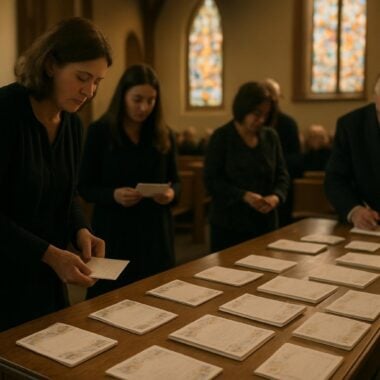
Another important local responsibility is the distribution and display of printed materials. This includes arranging funeral programs—such as bi-fold programs, 8-page programs, or even memorial bookmarks—at the service venue. The local member may need to ensure everything is placed thoughtfully, whether it’s setting up a table for share a memory cards or organizing memorial cards at the entrance.
Handling these immediate, in-person needs allows distant relatives to focus on tasks that can be managed online or over the phone. By clearly identifying which duties require on-site attention, families can reduce confusion and ensure the service proceeds smoothly. The local person’s involvement is invaluable in creating a welcoming, respectful environment for all who attend.
Delegating Remote Responsibilities to Distant Family Members
While the local family member manages on-the-ground logistics, there are many crucial tasks that distant relatives can handle remotely. Assigning these responsibilities helps distribute the workload fairly and allows everyone to contribute meaningfully, no matter their location. This approach also fosters a sense of connection and shared purpose among family members.
Every memorial should reflect the unique life and legacy of your loved one. We offer Prayer Cards, Memorial Cards and Celebration of Life to help you create meaningful tributes.
One significant remote task is the design and ordering of printed materials. Family members can collaborate virtually to select photos, write the obituary using an obituary writing assistant, choose Bible verses or poems, and finalize the layout for funeral programs, prayer cards, or celebration of life programs. DisciplePress offers online ordering and custom design services, making it easy for remote relatives to be deeply involved in these memorial elements.
Other tasks well-suited to remote management include contacting out-of-town guests and handling communications. Distant relatives can create and send death announcement cards, manage RSVPs, or set up a memorial website for sharing service details and collecting condolences. They can also coordinate flower orders, charitable donations, and contributions to memorial funds.
To stay organized, consider using shared digital tools such as Google Docs, group chats, or project management apps. This allows everyone to track progress and offer support. By thoughtfully assigning remote tasks—such as selecting memorial quotes, compiling photos for a memorial slideshow, or reviewing program drafts—families can ensure each member’s strengths and availability are honored.
Coordinating Printed Materials: Programs, Cards, and Keepsakes
Printed materials play a vital role in funeral and memorial services, serving both as tributes and as keepsakes for attendees. When only one family member is local, careful coordination is needed to ensure these materials are ordered, designed, and distributed efficiently. This process can be made smoother by assigning clear roles and utilizing online services like DisciplePress.
Remote family members can take charge of designing and ordering funeral programs—choosing among bi-fold, tri-fold, 8-page, or even 12- to 20-page formats depending on the depth of content and number of photos. They can also select memorial bookmarks, prayer cards, large memorial cards, or thank you cards, ensuring all elements reflect the loved one’s unique spirit and faith traditions.
Once ordered, the local family member can coordinate with the funeral home or service coordinator to receive and set up these materials. Thanks to DisciplePress’s turnaround time and rush order options, items can often be delivered quickly, reducing stress around tight timelines. The local relative ensures programs and cards are displayed beautifully, making them accessible for guests and, if needed, mailing extras to distant family members.
A helpful tip is to create a schedule for ordering and delivery. For example, remote relatives might place orders for memorial garden flags or memorial yard signs, while the local member prepares the venue for their display. This collaborative approach ensures every detail, from the memorial guest book to keepsake memorial candles, is thoughtfully managed and honors the family’s wishes.
Maintaining Communication and Emotional Support Across Distances
Clear, compassionate communication is essential when assigning funeral tasks with only one local family member. Grief can intensify feelings of isolation, particularly for those managing logistics in person or for distant relatives who wish they could do more. Establishing regular touchpoints—such as daily phone calls or video check-ins—helps everyone stay connected and emotionally supported.
The local family member often becomes the central hub for updates, but it’s important to share the emotional load. Remote relatives can offer encouragement, check in about the well-being of the local organizer, and express appreciation for their efforts. Simple gestures, like sending comforting messages or coordinating virtual family gatherings, can provide much-needed reassurance.
Families may consider appointing a communication coordinator—perhaps a distant sibling or cousin—who manages group messages, shares updates, and fields questions from extended family and friends. This reduces pressure on the local relative and ensures everyone stays informed about arrangements, funeral program types, and timing for services like same-day printing.
Remember, grief manifests differently for everyone. Some may feel guilt for not being present, while others may be overwhelmed by local responsibilities. Openly acknowledging these feelings and offering mutual support fosters understanding and unity. No one should feel alone in their grief or in the important work of honoring a loved one’s life.
Practical Tips for Efficiently Splitting Tasks and Avoiding Overwhelm
Efficient task division is crucial when only one family member is on the ground. Start by making a comprehensive task list, categorizing each item as “local” or “remote.” This creates clarity and prevents essential duties from slipping through the cracks. For example, local tasks might include liaising with the funeral home, arranging transportation, and setting up memorial posters, while remote tasks might focus on obituary writing, program design, and coordinating online condolences.
Assign specific products to responsible parties to streamline decision-making. One person can oversee ordering bi-fold programs and memorial bookmarks, while another manages thank you cards or memorial magnets. By designating clear owners for each item, such as someone handling the prayer cards or memorial slideshow, families avoid duplication of effort and ensure timely completion.
Set realistic deadlines for each task, taking into account DisciplePress’s turnaround time and the potential need for rush orders or same-day printing. Regularly review progress through shared checklists or virtual meetings, celebrating completed steps and offering help when someone feels overwhelmed.
Finally, remember to ask for help beyond family if needed. Friends, faith communities, or funeral home partners may be able to assist with logistics, meal coordination, or even distributing printed materials. Accepting support is not a sign of weakness—it is an act of love in honor of your loved one and your own well-being.
Honoring Every Family Member’s Role and Contribution
In the midst of funeral planning, it is vital to recognize and honor the unique contributions of each family member, whether local or remote. Grief can sometimes bring feelings of resentment or inadequacy, particularly if roles feel unbalanced. Openly expressing gratitude for each person’s involvement helps to foster understanding and unity.
The local family member’s visible efforts—such as meeting with the minister, setting up memorial posters, or ensuring the right funeral program types are available—are deeply appreciated. At the same time, remote relatives’ behind-the-scenes work, like writing the obituary, designing celebration of life programs, or choosing a memorial candle, is just as essential.
A helpful practice is to create a summary of everyone’s contributions, sharing this with the family to acknowledge efforts and encourage a sense of shared accomplishment. This can be as simple as a thank you email, a mention during the service, or including names in the funeral program itself. Such gestures remind everyone that their love and dedication have meaning, regardless of geography.
By honoring each role, families can move through the funeral planning process with greater compassion and less regret. Every task—big or small, local or remote—contributes to a farewell that reflects the deep bonds and cherished memories you hold.
Related Articles
Conclusion: Moving Forward Together with Compassion and Support
Planning a funeral when only one family member is local is no small feat. By thoughtfully assigning funeral tasks, families can balance practical needs with emotional care, ensuring a meaningful and harmonious tribute to their loved one. Remember that you do not have to carry this responsibility alone—every family member, near or far, has a role to play.
Key strategies include identifying which tasks require a local presence, delegating remote responsibilities, maintaining open communication, and using trusted resources like DisciplePress for funeral programs, memorial cards, and keepsake items. Take advantage of custom design services and timely options such as rush orders or same-day printing to ease logistical challenges.
As you move through each step, offer gratitude and grace to yourself and your family members. This process is as much about supporting one another as it is about honoring the memory of the one you’ve lost. Reassure yourself that every effort—no matter how small—makes a significant difference.
If you are seeking additional support, please explore our DisciplePress resources, including our funeral poems collection, obituary writing assistant, and design gallery. We invite you to contact us with questions or for personalized guidance. Above all, know that you are not alone. We are here to help you create a loving, lasting tribute that brings comfort and peace to your family and community.
Learn more about DisciplePress and our commitment to serving families. For personalized assistance, please contact us. We offer rush orders and same-day printing for urgent needs.