 Free Shipping Over $50
  888-432-8363


 Obituary/Programs
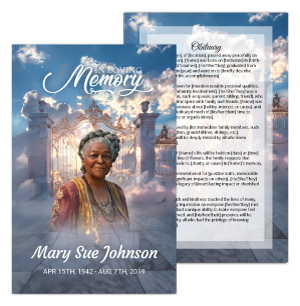 No-Fold Memorial Programs
 4 Page Funeral Programs
 8 Page Memorial Programs
 12 Page Funeral Programs
 16 Page Funeral Programs
 20 Page Funeral Programs
 Tri-Fold Funeral Programs
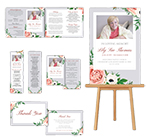 Complete Memorial Packages
 Cards & Bookmarks
 Saint Prayer Cards
 Folded Memorial Cards
 Folded Holy Cards
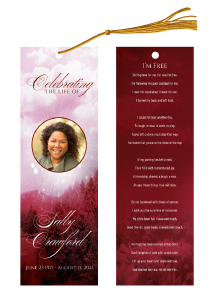 Memorial Bookmarks
 Thank You Cards
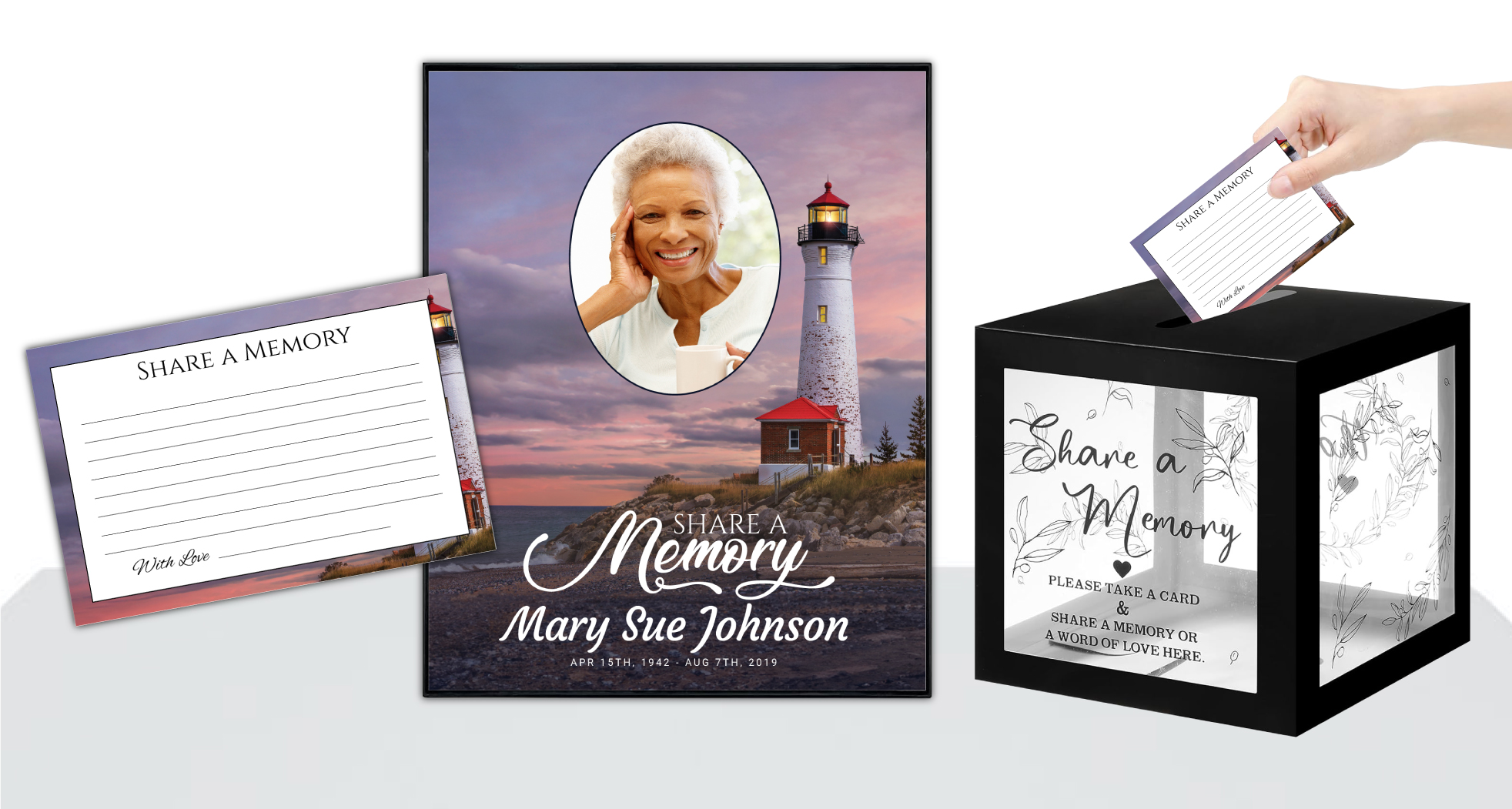 Share-A-Memory Cards
 Memorial Magnets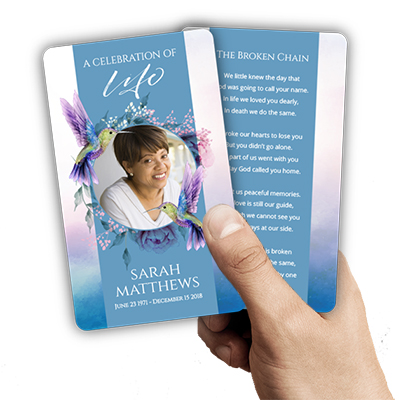
 Memorial Posters
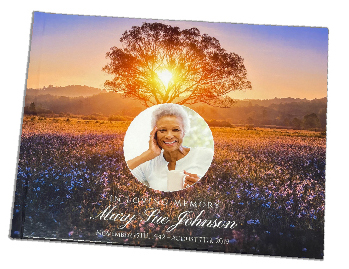 Guest Books
 Slide Shows
 Memorial Fans
 Death Announcements
 Take Away Keepsakes
 Church Products
Finding Comfort and Connection: The Unseen Role of Funeral Programs in Family History
When a loved one passes, the experience is often marked by a mix of deep sorrow, loving remembrance, and the practical necessity of organizing a meaningful farewell. Families find themselves navigating grief while also seeking ways to honor, celebrate, and remember the unique story of a cherished life. As you gather with family and friends, you may notice how small details—like a favorite hymn in a funeral program, a treasured photograph, or a heartfelt poem—can offer unexpected comfort and spark conversation about generations past.
In these tender moments, practical questions can arise alongside emotion: How do we preserve these memories? How do we ensure that our loved one’s story is not lost to time? The answer may be closer at hand than you think. Funeral programs, those carefully crafted booklets or cards distributed at memorial services, are more than just a guide for the day’s events. They are rich repositories of historical and genealogical information that can become invaluable resources for family history research.
Many families, funeral directors, and genealogists are surprised to discover how funeral programs genealogy can bridge the gap between memory and history. Each program—whether a simple bi-fold program, an elaborate 8-page booklet, or a custom-designed celebration of life program—often holds a wealth of details that can illuminate family trees and connect generations.
This article will guide you through the unique ways funeral programs can support genealogy and family history projects. We’ll explore what information to look for, how to incorporate these keepsakes into your research, and practical tips for making the most of DisciplePress products—from booklet programs to prayer cards. Above all, we hope to offer comfort and encouragement as you honor your loved one’s legacy, helping you find meaning and connection during a difficult time.
Why Funeral Programs Matter in Genealogy Research
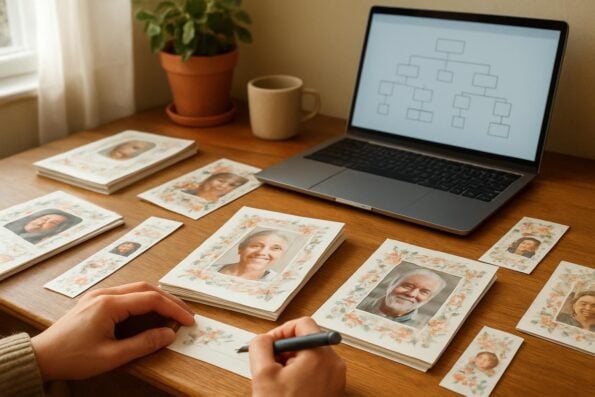
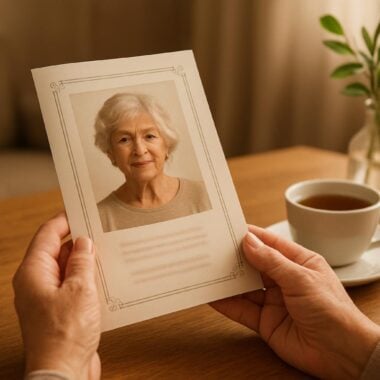
Funeral programs, often created in moments of deep emotion, are uniquely personal records. Unlike official documents, they reflect the memories, values, and relationships cherished by a family. This intimate perspective is what makes them so valuable for genealogy and family history work. They capture not just facts, but the context and color of a life lived—a crucial element often missing from government records or census forms.
DisciplePress is dedicated to helping families honor their loved ones with dignity and care. We offer Memorial Bookmarks, Funeral Programs and Prayer Cards to help you create meaningful tributes.
For those researching their ancestry, funeral programs offer a treasure trove of information. A well-prepared program may list full names, birth and death dates, places of residence, and details about family members. Some programs, like 8-page or 12-page booklet programs from DisciplePress, allow families to include extended biographies, family trees, and personal stories that would be lost in a standard obituary.
Funeral programs genealogy research goes beyond the individual being honored. Siblings, parents, children, and even close friends are often listed, providing clues for building out family trees. The inclusion of maiden names, previous spouses, or military service details can unlock new avenues of discovery—especially when official records are incomplete or inaccessible.
Because funeral programs are often passed down or collected by relatives, they can become a portable archive of family history. Collecting these programs—perhaps in a memorial guest book, or by using DisciplePress’s memorial bookmarks as placeholders—creates a timeline of ancestral stories. This not only helps with genealogy, but also fosters a sense of connection and continuity within your family.
Key Details to Look For in Funeral Programs
When using funeral programs for genealogy, it’s important to know which details to look for and how to interpret them. While every program is unique, certain pieces of information consistently provide genealogical value. Recognizing these details can help you piece together family relationships and historical context that might otherwise be lost.
Start by focusing on the basics: full names (including maiden names), dates of birth and death, and places of birth, residence, and burial. Bi-fold programs and tri-fold programs typically include these essentials, but larger formats like 16-page or 20-page booklet programs often provide even richer detail. Look for mention of parents, children, siblings, spouses, and extended family. Sometimes, pallbearers or individuals giving eulogies are relatives whose connection can be explored further.
Pay attention to personal stories and milestones—details about education, career, military service, religious involvement, and community organizations. These can be found in expanded obituary sections or in “Order of Service” outlines. Faith-based programs, angel themed programs, and nature themed programs may also include meaningful symbols or verses that give hints about cultural and ancestral heritage.
Don’t overlook the value of photographs, handwritten notes, or memorial cards tucked inside programs. These items often offer clues not just about the deceased, but about other family members present at the service. When compiling information, consider creating a list or spreadsheet to track relationships, names, and dates as you encounter them. This methodical approach will help you build a more accurate and complete family tree.
How to Use Funeral Programs in Building Family Trees
Incorporating funeral programs into your family tree research can feel daunting, especially when emotions are raw. However, with gentle organization and thoughtful attention, these keepsakes can become foundational documents in your genealogy journey. Begin by gathering all available programs, memorial cards, and related items from family members. If you’re missing any, reaching out to relatives can open conversations and lead to new discoveries.
At DisciplePress, we understand the importance of honoring your loved one’s memory. We offer Prayer Cards, Memorial Cards and Celebration of Life to help you create meaningful tributes.
Once collected, review each funeral program carefully. Use the information to update or create profiles in your family tree software or written records. For example, if you discover an ancestor’s maiden name in a bi-fold program, you can search for her in census records under both her married and maiden names. Details like military rank or church affiliation—often found in celebration of life programs—can guide you to additional records or organizational archives.
Don’t forget to cross-reference information. If an 8-page program lists several siblings, compare those names to other funeral programs or obituaries you may have. Over time, you’ll notice patterns and connections that clarify relationships and help fill in gaps. Prayer cards and memorial bookmarks, sometimes distributed alongside programs, can also contain dates and affiliations helpful for genealogical research.
It can be helpful to digitize funeral programs for easier sharing among family members—especially when collaborating on genealogy projects. While this article focuses on research, DisciplePress offers guidance on digitizing keepsakes for those interested in preservation. By combining careful review, cross-referencing, and open communication, you’ll find funeral programs to be a surprisingly powerful tool for building and verifying your family tree.
Practical Tips for Collecting and Organizing Funeral Programs
Gathering funeral programs and related keepsakes is an ongoing process that benefits from thoughtful organization. Start by designating a central location—such as a storage box, file folder, or digital drive—where you can collect programs, prayer cards, thank you cards, and memorial bookmarks. Label items with the name, date, and relationship of the deceased to your family, making it easier to retrieve specific information later.
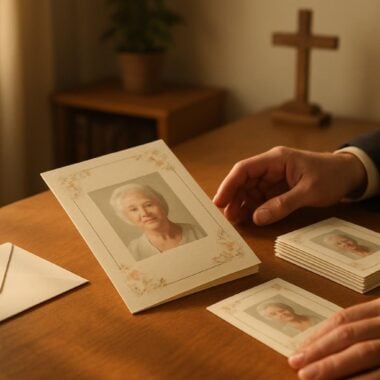
If you attend a funeral or memorial service, consider requesting extra copies of the program. For larger families, ordering multiple booklet programs or bi-fold programs from DisciplePress ensures everyone has access to these valuable records. When possible, ask relatives to share copies or scans of programs from past services, especially if you’re missing key generations or branches of the family tree.
To keep your genealogy research organized, create a spreadsheet or database listing each funeral program, noting names, dates, and significant details found within. You can also photograph or scan programs to create a digital archive, making it simple to share with distant relatives. If you need programs quickly, DisciplePress offers rush orders and same-day printing to meet urgent needs.
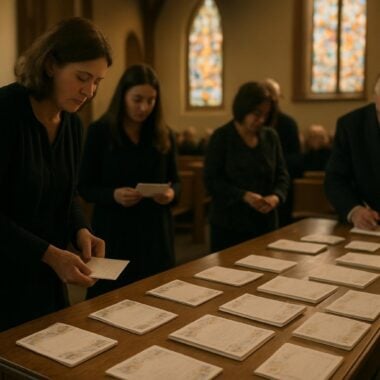
Consider using related keepsakes—such as folded memorial cards or memorial guest books—to record memories and family connections at gatherings. These items serve both as mementos and as supplementary sources for your genealogical research. By staying organized and proactive, you’ll build a comprehensive collection that enriches your family’s historical record.
Using Funeral Programs to Uncover Family Stories and Traditions
Beyond names and dates, funeral programs can reveal cherished family stories and long-standing traditions. Many families include anecdotes, favorite hymns, or special readings in their programs—especially in larger booklet formats like 12-page, 16-page, or 20-page funeral programs. These personal touches offer a glimpse into the values, beliefs, and traditions that have shaped your family over generations.
For example, a program may mention a great-grandparent’s involvement in a local church, highlighting a tradition of faith that continues today. Or you might discover a recurring poem or Bible verse—perhaps sourced from DisciplePress’s Bible Verses Collection or Funeral Poems Collection—passed down through multiple memorials. Each of these elements adds richness and context to your family narrative, helping future generations understand not just who their ancestors were, but what mattered to them.
As you explore funeral programs genealogy, pay attention to recurring themes, locations, or organizations mentioned. These patterns can point to places where records or photographs might be found, or suggest cultural or religious affiliations worth investigating further. Celebration of life programs, in particular, often highlight unique hobbies, accomplishments, or community service that make excellent additions to family histories.
Collecting and documenting stories found in funeral programs—perhaps by transcribing them into a family history book or digital archive—ensures these memories endure. Involving other family members in this process can foster connection, spark conversation, and even heal old wounds. Each story, no matter how small, is a thread in the tapestry of your family’s legacy.
Navigating Privacy, Sensitivity, and Cultural Differences
While funeral programs offer valuable genealogical information, it’s important to approach their use with sensitivity and respect for privacy. Not every family feels comfortable sharing details from a loved one’s memorial, and cultural or religious traditions may influence what is included in a program. Always seek permission before sharing or publishing information from funeral programs, especially when it involves living relatives.
When collecting programs, be mindful of the emotional state of others. Some may find comfort in sharing memories, while others may need more time. Using gentle, compassionate language—such as “Would you be comfortable sharing a copy of Aunt Mary’s funeral program for our family tree?”—can help navigate these conversations. If you’re unsure, consider reaching out to DisciplePress for advice on respectful communication and custom design services that honor your family’s wishes.
It’s important to recognize that different cultures and faiths approach death, mourning, and memorialization in unique ways. Some families may prefer simple bi-fold or tri-fold programs, while others choose elaborate 20-page booklets with extensive family histories. Respect these differences and avoid making assumptions about what information should be included or shared.
Finally, maintain secure storage for physical and digital copies of funeral programs. Protect sensitive information and consider redacting details when sharing outside the family. By honoring privacy and cultural practices, you help create an environment of trust and support—ensuring that genealogy research remains a source of connection, healing, and respect for all involved.
Incorporating Funeral Programs into Family History Projects
Once you’ve collected and organized funeral programs, the next step is to incorporate them into broader family history projects. Start by creating a timeline or narrative that weaves together the information and stories found within each program. This could take the form of a written family history, a visual family tree, or even a scrapbook that combines programs, photos, and memorial bookmarks.
Consider using funeral program details to guide research into other records, such as census data, marriage certificates, or military service files. The names, dates, and places found in programs can unlock new sources of information and help you verify or expand your family tree. For those interested in sharing their work, creating digital slideshows or memorial posters using DisciplePress’s memorial slideshow services can be a meaningful way to present collective family memories at reunions or gatherings.
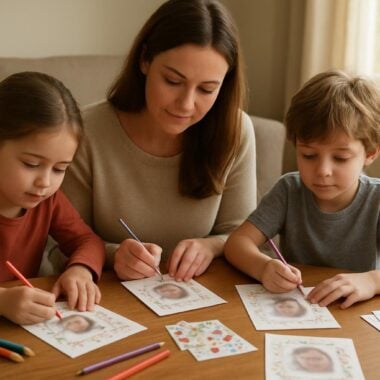
Involve younger family members in the process by inviting them to ask questions or contribute their own memories. This not only helps preserve family history, but also nurtures a sense of belonging and continuity for future generations. Consider creating a family website or private social media group where scanned funeral programs and related keepsakes can be shared securely.
If you need help with design or printing, DisciplePress offers custom design services and a wide range of funeral program types, including faith-based, angel themed, and nature themed programs tailored to your family’s unique story. By integrating funeral programs into your family history projects, you ensure that your loved one’s legacy will be honored, remembered, and cherished for years to come.
Related Articles
Conclusion: Honoring the Past, Connecting the Future
As we journey through grief, the desire to remember and honor our loved ones becomes a powerful force for healing and connection. Funeral programs genealogy is more than a research tool—it’s a way to celebrate lives, preserve cherished stories, and build bridges across generations. Each bi-fold program, memorial bookmark, or celebration of life program holds the potential to illuminate your family’s past and inspire future generations.
We hope this comprehensive guide has shown you how funeral programs can be transformed into invaluable resources for genealogy and family history. By knowing what details to look for, organizing your keepsakes thoughtfully, and respecting privacy and tradition, you can create a lasting tribute that honors your loved one’s unique story.
If you’re ready to start or expand your family history project, DisciplePress is here to support you. Explore our range of custom design services, funeral program types, and keepsake options to find the perfect fit for your family’s needs. Our compassionate team is available to assist with rush orders, same-day printing, or any questions you may have—simply contact us to begin.
May the memories you preserve bring comfort, hope, and a sense of belonging. As you gather funeral programs and other keepsakes, know that you are not alone on this journey. Your family’s story is worth telling, and every heartfelt detail is a lasting gift for generations to come. Learn more about DisciplePress and our commitment to serving families. For personalized assistance, please contact us. We offer rush orders and same-day printing for urgent needs.