 Free Shipping Over $50
  888-432-8363


 Obituary/Programs
 No-Fold Memorial Programs
 4 Page Funeral Programs
 8 Page Memorial Programs
 12 Page Funeral Programs
 16 Page Funeral Programs
 20 Page Funeral Programs
 Tri-Fold Funeral Programs
 Complete Memorial Packages
 Cards & Bookmarks
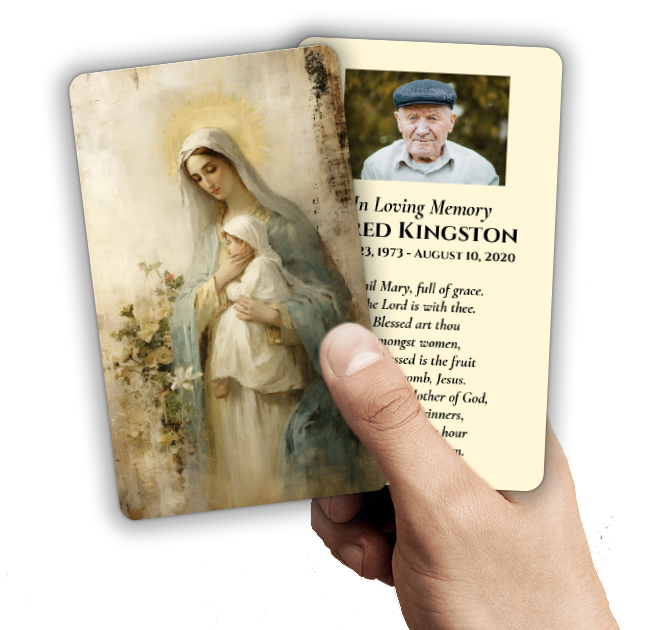 Saint Prayer Cards
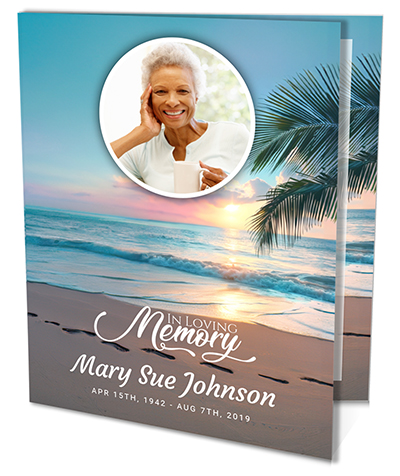 Folded Memorial Cards
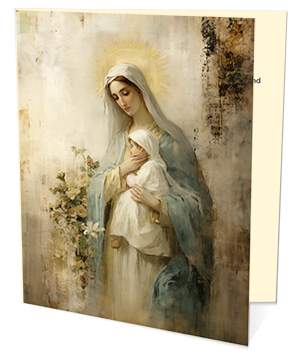 Folded Holy Cards
 Memorial Bookmarks
 Thank You Cards
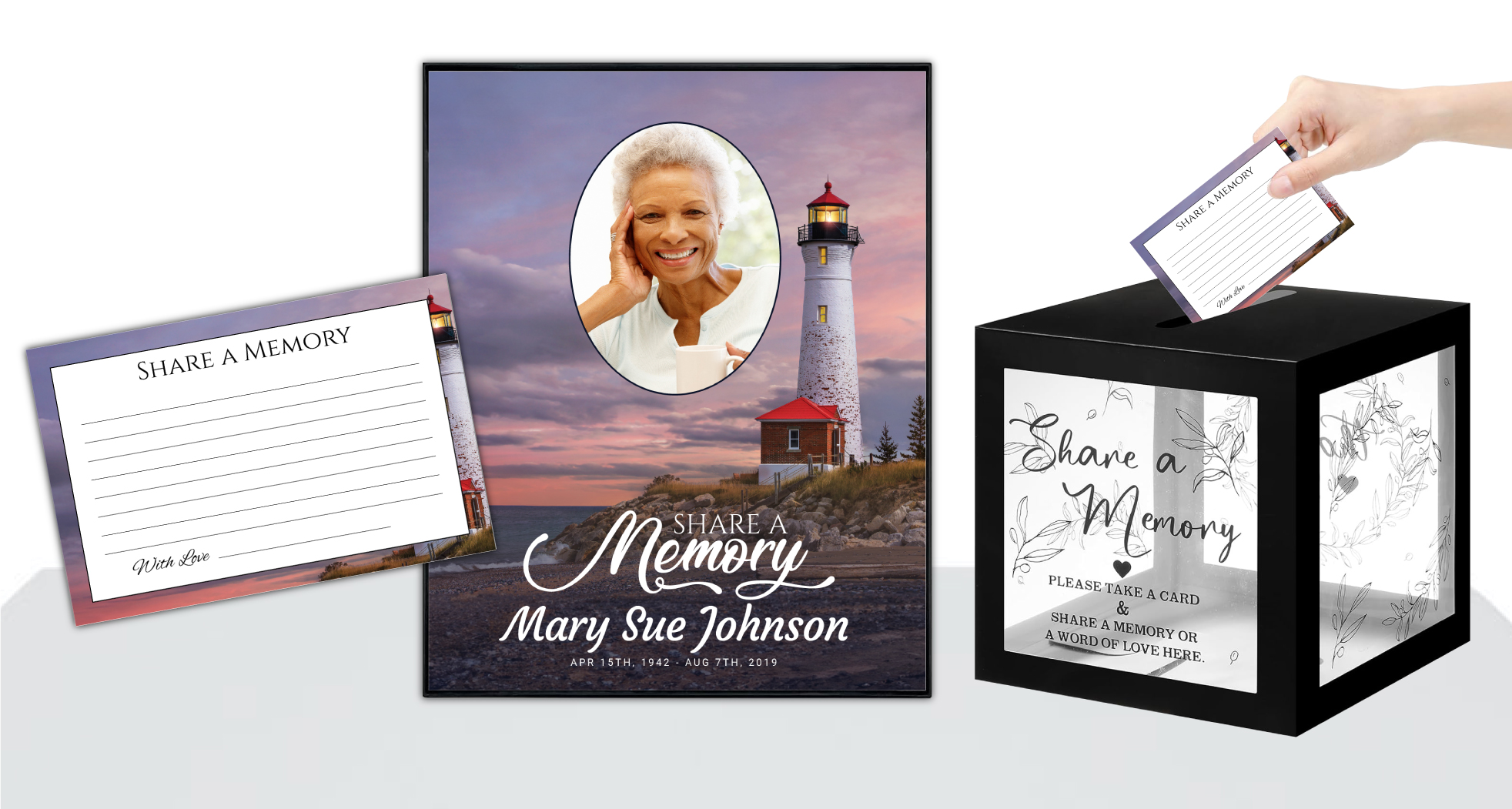 Share-A-Memory Cards
 Memorial Magnets
 Memorial Posters
 Guest Books
 Slide Shows
 Memorial Fans
 Death Announcements
 Take Away Keepsakes
 Church Products
Introduction: Supporting You in Honoring a Loved One
At DisciplePress, we understand that preparing a eulogy during a time of loss is an emotional and significant responsibility. It’s natural to feel overwhelmed as you seek the right words to remember someone dear to you. Whether you are a family member, friend, or funeral director guiding others, crafting a thoughtful eulogy can be both healing and daunting. The process often brings a mixture of sorrow, gratitude, and a profound desire to do justice to a loved one’s memory.
For many, the question of what to include in a eulogy becomes a pressing concern. Eulogies are not only a tribute but also a way to share stories, values, and the impact the departed had on others’ lives. Knowing what elements to include can help ensure the eulogy feels complete, comforting, and personal. It can be helpful to view this task as an act of love—a way to cherish and celebrate a life well-lived.
This article provides a comprehensive checklist and practical worksheet, guiding you step by step through the process of preparing a eulogy. Our goal is to help you capture the essence of your loved one and present it in a way that is meaningful and memorable. We’ll explore the typical components of a eulogy, offer detailed examples, and suggest how these elements can be incorporated into printed funeral materials such as funeral programs or memorial cards.
As you read, you’ll find gentle guidance and actionable advice tailored to your needs. We hope this checklist brings clarity and comfort, helping you honor your loved one’s legacy with dignity and grace. Please know that you are not alone on this journey, and there are resources and people ready to support you each step of the way.
Begin with the Basics: Announcing the Name and Relationship

The opening of a eulogy sets the tone and provides essential context for everyone attending the service. When considering what to include in a eulogy, always begin by introducing yourself and your relationship to the deceased. This helps guests, who may not know you personally, understand your connection and the perspective you bring to your words.
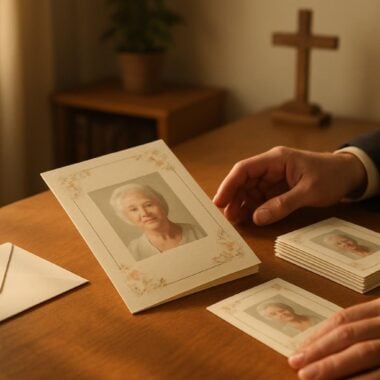
Creating a meaningful tribute for your loved one is an important part of the healing process. We offer Memorial Bookmarks, Funeral Programs and Prayer Cards to help you create meaningful tributes.
Start by stating the full name of the loved one you are honoring. It’s both respectful and grounding for mourners to hear the name spoken. You may wish to share any nicknames or titles—such as “Mom,” “Grandpa,” or “Aunt Sue”—that were meaningful within the family or community. For example, “My name is Julie, and I am honored to speak today about my beloved grandmother, Margaret ‘Maggie’ Wilson.”
Briefly explain your relationship, especially if it’s not immediately obvious. This is particularly important in larger gatherings or when friends and extended family are present. You might add, “I am Maggie’s eldest granddaughter, and I spent many summers with her in her flower garden.” These small details foster a sense of intimacy and connection in the room.
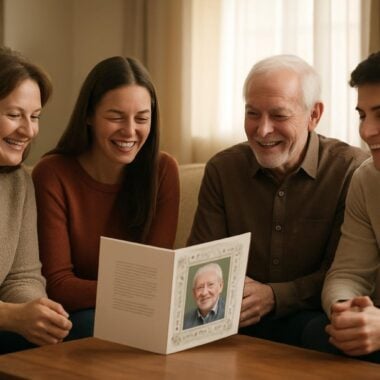
Many families choose to include these introductory details in their printed funeral programs—whether in bi-fold programs, tri-fold programs, or even 8-page programs. This ensures that everyone can follow along and recognize the speakers during the service. If you’re preparing materials for the event, consider adding a brief speaker introduction to the program or memorial cards for reference.
Remember, this opening is also an opportunity to acknowledge those present and thank them for their support. A simple phrase like, “We are grateful for the love and presence of everyone gathered here today,” can offer comfort and set a warm, inclusive tone from the very start.
Share a Life Story: Milestones and Personal History
One of the most poignant elements to include in a eulogy is a brief overview of the loved one’s life story. This section touches on key milestones—birth, upbringing, education, significant achievements, and family life. While it’s not necessary to create a detailed biography, highlighting these moments helps paint a fuller picture and honors the journey your loved one traveled.
Begin with birth and early childhood, mentioning where they grew up, family members, and any formative experiences. For instance, “Margaret was born in 1942 in a small town in Georgia, where she learned the value of hard work on her family’s farm.” Then, move through notable life events such as graduation, military service, marriage, career milestones, or the birth of children and grandchildren.
Don’t be afraid to include both triumphs and challenges. Sharing how your loved one faced adversity can be deeply inspiring and authentic. For example, “After losing her husband at a young age, Maggie raised three children with strength and determination, always putting family first.” These stories can resonate with listeners and offer hope during difficult times.
Including a timeline or summary of life milestones in printed materials—such as 12-page programs or 16-page programs—can help guests follow along and appreciate the breadth of your loved one’s experiences. These details also serve as a lasting keepsake for friends and family.
While it’s important to be thorough, focus on the moments that best reflect the person’s character and legacy. If you’re unsure about certain dates or details, reach out to other family members for input or consult keepsakes like memorial bookmarks to spark memories. This collaborative approach can make the process feel less isolating and more communal.
Highlight Character and Values: What Made Them Unique?
After establishing the basic story, consider what to include in a eulogy that truly brings your loved one’s personality to life. This section focuses on character traits, values, and beliefs—the qualities that made your loved one special in the eyes of family and friends. Reflecting on these attributes helps mourners remember, not just what the person did, but who they were at heart.
DisciplePress is dedicated to helping families honor their loved ones with dignity and care. Our selection of Prayer Cards and Memorial Cards, along with our Custom Design Services, help families create meaningful tributes during difficult times.
Think of words that best describe them: compassionate, humorous, adventurous, wise, generous, or resilient. Offer specific anecdotes that illustrate these traits. For example, “Maggie had a way of making every guest feel at home, always greeting visitors with a warm plate of cookies and a listening ear.” These stories allow listeners to see the person’s spirit in action.
Consider sharing how their values influenced others. Did they volunteer regularly, serve in their faith community, or mentor younger relatives? You might say, “She taught us the importance of kindness and always led by example, volunteering at the local food pantry every week, rain or shine.” These details can be especially meaningful in faith-based or community-oriented services.
When preparing printed materials like faith-based programs or prayer cards, include a section that highlights these character traits or values. This can serve as a gentle reminder of the legacy your loved one leaves behind and inspire guests to carry those values forward.
If you find it difficult to capture their essence, ask family and friends to share their memories or use a “Share a Memory” card at the service. Gathering multiple perspectives can help create a richer, more nuanced eulogy that honors every facet of your loved one’s identity.
Memorable Stories and Anecdotes: Bringing Memories to Life
The heart of any eulogy often lies in the stories we share. When considering what to include in a eulogy, personal anecdotes are essential for making the tribute relatable and heartfelt. These moments—big or small—capture the uniqueness of your loved one and often bring comfort, laughter, or even catharsis to those in attendance.
Choose one to three stories that exemplify your loved one’s character or highlight cherished memories. Aim for variety: one might be humorous, another touching, and perhaps a third shows their resilience or kindness. For example, “I’ll never forget the time Maggie organized a surprise birthday party for her neighbor, complete with homemade decorations and her famous lemon cake. She believed every milestone deserved to be celebrated.”
Stories help paint a vivid picture, allowing guests to recall their own memories and feel connected. If you’re struggling to choose which anecdotes to share, consider recent conversations, family traditions, or times your loved one offered support or wisdom. It can be helpful to jot down several options and ask others for feedback on which ones resonate most.
Printed materials, such as 8-page programs, 20-page programs, or memorial bookmarks, can feature these stories—either in full or as brief highlights. This allows guests to reread and reflect on these cherished moments long after the service ends.
Remember, the goal is not to create a comprehensive history but to choose stories that reflect the depth and warmth of your loved one. Even small details—a favorite saying, a beloved hobby, a memorable adventure—can speak volumes and offer comfort to those who grieve.
Expressions of Gratitude and Acknowledgments
Including words of gratitude and acknowledgment is a meaningful way to honor not only the deceased but also the community of support surrounding them. This section of the eulogy provides a moment to thank those who made a difference in your loved one’s life, as well as those supporting you in this time of loss.
Begin by expressing thanks to family members, friends, caregivers, or anyone who played a vital role in your loved one’s journey. For example, “We are grateful to the staff at Willow Creek Assisted Living, whose kindness and care brought comfort to Maggie in her final years.” This recognition can bring solace to those who gave their time and love.
You may also wish to thank attendees for their presence, support, and shared memories. A heartfelt phrase like, “Your presence here today means more to us than words can say,” helps foster a sense of unity and shared remembrance. If you are working with a funeral home or spiritual leader, acknowledging their guidance is appropriate and appreciated.
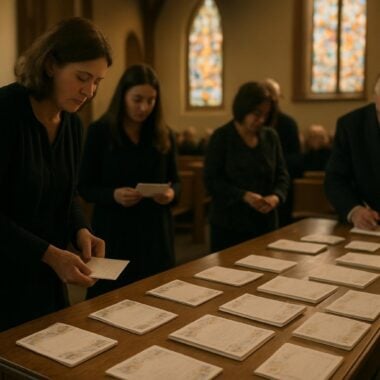
Printed thank you cards or a dedicated section in your funeral program can extend these expressions of gratitude beyond the service itself. Including a brief note in bi-fold programs or tri-fold programs ensures that everyone feels recognized and valued.
Finally, if your loved one expressed wishes or left messages for friends and family, this is a meaningful place to share them. Even a simple “She wanted you to know how much you meant to her” can bring great comfort during a difficult time.
Incorporating Faith, Rituals, and Cultural Traditions
For many families, spiritual beliefs and cultural traditions are an essential part of honoring a loved one’s memory. When considering what to include in a eulogy, be mindful of any faith-based or cultural elements that may be important to your loved one or their family. These elements can offer hope, context, and continuity amidst grief.
This may include reading a favorite Bible verse, reciting a beloved poem, or sharing a prayer. You might say, “Margaret found comfort in Psalm 23, which she recited daily: ‘The Lord is my shepherd; I shall not want…’” Such inclusions can provide spiritual solace to those gathered and honor the deceased’s beliefs.
If your loved one belonged to a particular faith or cultural community, consider incorporating appropriate rituals or symbols. This might involve lighting a candle, playing a specific hymn, or observing a moment of silence. These practices can be referenced in the eulogy and included in printed materials like angel themed programs or saint prayer cards.
DisciplePress offers a range of customizable options, including prayer cards and memorial cards, which can feature meaningful verses, prayers, or quotations. If you need assistance, our custom design services can help ensure these elements are beautifully and respectfully presented.
Don’t be afraid to blend traditions or create new rituals that reflect your loved one’s unique identity. The most important thing is to choose elements that feel authentic and bring comfort to those who mourn.
Closing Words: Legacy, Final Reflections, and Farewell
The closing of a eulogy is both a farewell and a blessing. This is your opportunity to reflect on your loved one’s legacy, offer words of hope, and bring a sense of closure to the service. When deciding what to include in a eulogy, consider ending with a message that honors the memory of the departed while offering comfort to those left behind.
You might summarize the qualities and values discussed earlier, emphasizing how your loved one’s spirit will live on through the lives they touched. For example, “Maggie’s kindness and laughter remain with us, inspiring us to treat others with the same generosity she showed each day.” These words provide a bridge between grief and gratitude.
Offer a final blessing, poem, or quote that resonates with your loved one’s beliefs or personality. It could be a favorite saying, a line of scripture, or a meaningful lyric. If you’re unsure what to choose, explore resources like the Funeral Poems Collection or Memorial Quotes for inspiration. Be sure to attribute any copyrighted material appropriately.
In printed materials—such as bi-fold programs, tri-fold programs, or memorial bookmarks—the closing words can be featured prominently, allowing guests to carry the message with them as a keepsake. Our same-day printing and rush order services can accommodate last-minute changes or additions to ensure your tribute is perfect.
Regardless of how you choose to conclude, speak from the heart. The most powerful goodbyes are those that come from a place of love, hope, and remembrance, offering comfort and unity to all who gather in farewell.
Practical Eulogy Preparation Checklist and Worksheet
To help you organize your thoughts, here is a practical checklist outlining what to include in a eulogy. Use this as a worksheet, jotting down ideas under each heading. This approach ensures no important details or stories are overlooked and can also guide the creation of printed materials like funeral programs or memorial cards.
- 1. Introduction: Your name, relationship, and gratitude for attendees.
- 2. Life Story: Key milestones, family, education, career, and achievements.
- 3. Character and Values: Descriptive traits, beliefs, and guiding principles.
- 4. Stories and Anecdotes: 1-3 memorable incidents that showcase their personality.
- 5. Expressions of Gratitude: Thanks to caregivers, friends, and community.
- 6. Faith, Rituals, and Traditions: Scriptures, prayers, cultural practices, or rituals.
- 7. Closing Words: Reflections on legacy, a farewell message, and any final blessings or quotes.
As you fill in each section, feel free to collaborate with family or use memory-sharing tools such as Share a Memory Cards. Draft your eulogy, then read it aloud to check for flow and emotional resonance. If you’re preparing for a printed keepsake, coordinate with DisciplePress for design support and turnaround time information.
Consider using this checklist as a template when working with funeral directors or when preparing memorial packages. A structured approach can ease anxiety, provide reassurance, and ensure your loved one is remembered with the fullness they deserve.
Above all, take your time, breathe, and know that every word you choose is a gift to those who gather in remembrance and love.
Related Articles
Conclusion: Moving Forward with Confidence and Compassion
Preparing a eulogy is a deeply personal act of love and remembrance. By following this checklist for what to include in a eulogy, you can ensure your tribute is complete, heartfelt, and truly honors the memory of your loved one. Remember, the most meaningful eulogies come from the heart, blending stories, gratitude, and reflection in your own unique voice.
While the process can feel overwhelming, know that you are not alone. Lean on family, friends, and professionals for support. If you need help with printed materials, DisciplePress offers a wide range of options—from bi-fold programs and 8-page programs to prayer cards and memorial bookmarks—as well as custom design services and same-day printing to make the process easier.
Take comfort in knowing that your words will bring solace and connection to all who hear them. The stories you share, the gratitude you express, and the legacy you honor become a lasting part of your loved one’s memory within your community.
If you would like additional guidance or support, please contact us at any time. We are here to help you craft a beautiful tribute and provide the resources you need for your memorial service. As you move forward, may you find peace in remembering and celebrating the life of the one you love.
Most importantly, be gentle with yourself. Grief is a journey, and every act of remembrance is a step toward healing. Your efforts to honor your loved one will be cherished and appreciated by all who gather to say goodbye. Learn more about DisciplePress and our commitment to serving families. For personalized assistance, please contact us. We offer rush orders and same-day printing for urgent needs.