
 Free Shipping Over $50
  888-432-8363


 Obituary/Programs
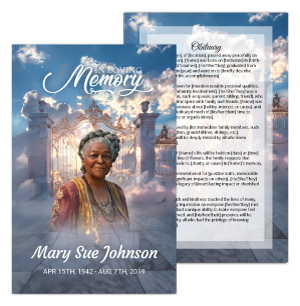 No-Fold Memorial Programs
 4 Page Funeral Programs
 8 Page Memorial Programs
 12 Page Funeral Programs
 16 Page Funeral Programs
 20 Page Funeral Programs
 Tri-Fold Funeral Programs
 Complete Memorial Packages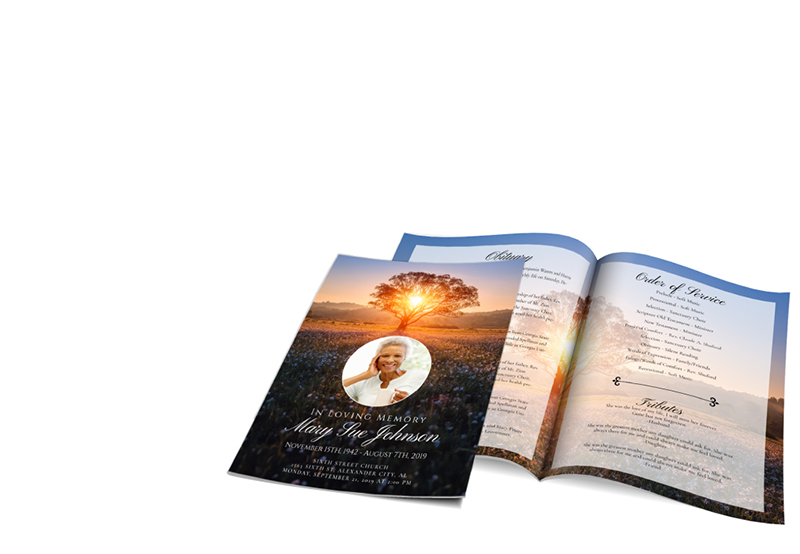
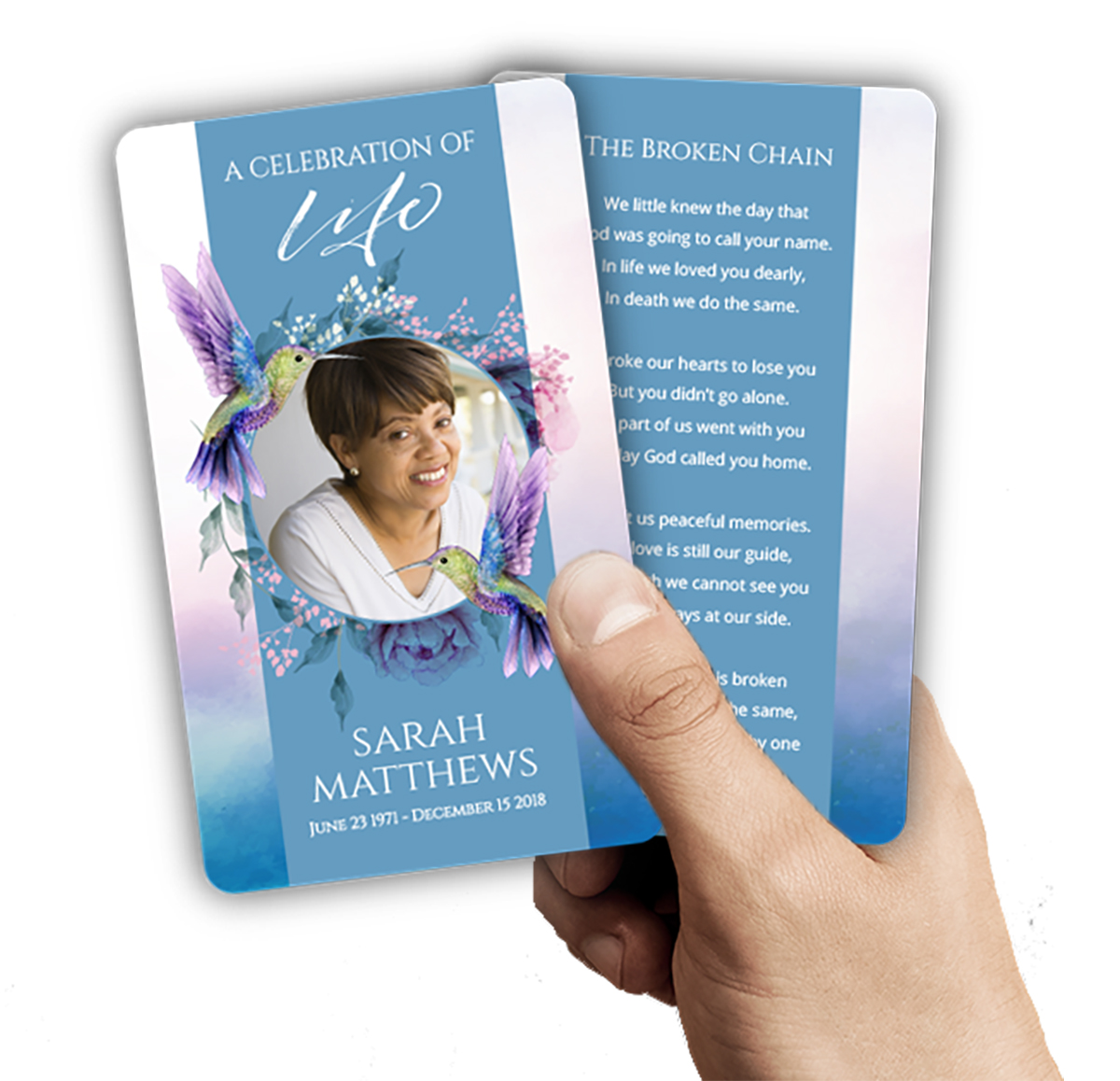 Cards & Bookmarks
 Saint Prayer Cards
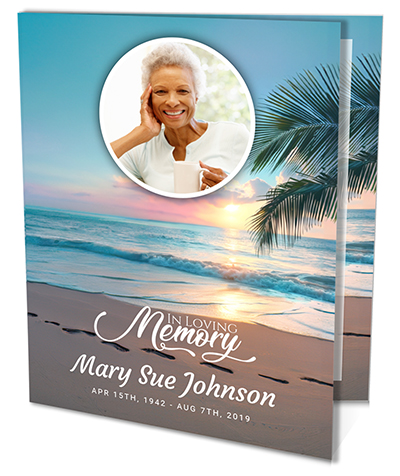 Folded Memorial Cards
 Folded Holy Cards
 Memorial Bookmarks
 Thank You Cards
 Share-A-Memory Cards
 Memorial Magnets
 Memorial Posters
 Guest Books
 Slide Shows
 Memorial Fans
 Death Announcements
 Take Away Keepsakes
 Church Products
Introduction
We understand that you are traversing through a tough time, having lost someone dear to you. It’s a period of sorrow and grief, and writing an obbituary can seem like a daunting task. However, it is also an opportunity to honor your loved one’s life, their achievements, and the impact they’ve had on those around them. This article aims to guide you through this process with warmth and patience.
An obituary is a public acknowledgment of a person’s life and a way to inform the community of their passing. It is a tribute that tells a story, encapsulating the essence of a loved one’s journey. In this article, we will walk you through the process of creating a beautiful, heartfelt obituary that reflects your loved one’s uniqueness.
We will cover the essential elements of an obituary, offer practical tips to make the process easier, and provide examples to guide you. We will also discuss how to integrate the obituary into our various funeral programs, such as bi-fold or 8-page programs, using DisciplePress’ Free Obituary Writing Assistant tool.
We are here to support you during this difficult time. As you navigate through this journey of remembrance, we hope this guide brings you comfort and helps honor your loved one’s memory in a meaningful way.
Understanding the Purpose of an Obituary
An obituary serves several purposes. Firstly, it is an official announcement of a person’s passing. It informs the community about the time and place of the funeral or memorial service, allowing people to pay their respects. But more than that, an obituary is a narrative – a way to honor your loved one’s life, to remember their achievements, and to share their story.
DisciplePress is dedicated to helping families honor their loved ones with dignity and care. We offer Obituary Templates, Bi-Fold Programs and Tri-Fold Programs to help you create meaningful tributes.
Writing an obituary allows us to acknowledge our grief and express our feelings. It can be a cathartic process, a part of the journey towards healing. It gives us the chance to reflect on our loved one’s life and the impact they’ve made.
Lastly, an obituary creates a permanent record of a person’s life. It’s a historical document that future generations can look back upon, a link in the family tree. This legacy aspect underscores the importance of writing a thoughtful, comprehensive obituary.
Remember, there’s no right or wrong way to write an obituary. It’s deeply personal and should reflect your loved one’s unique life and personality.
Structuring the Obituary
An obituary usually follows a general structure. Starting with the announcement of death, it includes personal details, family members, significant life events, and information about the funeral or memorial service. However, feel free to add or omit sections as needed to reflect your loved one’s life authentically.
The opening line typically contains the full name, age, and place of residence of the deceased, along with the date and place of death. This section might also include the cause of death, although this is entirely up to the family’s discretion.
The next section delves into the life story of the deceased. Here, you can detail their birthplace, parents, education, career, and significant life events. This section can also include personal details like hobbies, passions, or anecdotes that encapsulate their personality.
A list of surviving family members usually follows the life story. Traditionally, this includes the spouse, children, grandchildren, and other close relatives. You might also want to mention predeceased family members.
The obituary concludes with details about the funeral or memorial service. It’s also a good place to include any specific requests, such as donations in lieu of flowers. Remember to consider privacy and security when disclosing details about the service.
Writing with Respect and Love
Writing an obituary requires balancing factual information with emotional resonance. It’s essential to respect the gravity of the situation while also focusing on the love and admiration you have for your loved one. This balance can be challenging to achieve, but a few guidelines can help.
Every memorial should reflect the unique life and legacy of your loved one. We offer Tri-Fold Programs, Memorial Cards and Folded Memorial Cards to help you create meaningful tributes.
When discussing your loved one’s life, focus on their strengths, achievements, and the qualities that made them special. Use a compassionate and respectful tone throughout. Avoid sharing overly personal or potentially embarrassing information. Instead, celebrate their life, focusing on the positive impact they had on those around them.
Consider your loved one’s personality when writing. If they were known for their humor, it might be fitting to include a humorous anecdote. If they were more reserved, a more formal, dignified tone might be appropriate. Ultimately, the obituary should reflect the person it represents.
Finally, remember that an obituary is not just for those who knew your loved one but also for those who didn’t. Provide enough context and detail to give a well-rounded picture of their life and character.
Integrating the Obituary into Funeral Programs
Once written, the obituary can be integrated into various funeral programs. At DisciplePress, we offer a range of programs, including bi-fold, tri-fold, and 8-page programs, each designed to accommodate different amounts of content. Our Free Obituary Writing Assistant tool makes this process simpler, allowing you to craft an obituary that fits perfectly within your chosen program.
For shorter obituaries, a bi-fold program might be ideal. If you’ve written a longer, more detailed obituary, or if you want to include additional elements like poems, scriptures, or photographs, an 8-page or even a 20-page booklet might be a better fit. The choice of program depends on the amount of content you wish to include and the way you want to present it.
Regardless of the program format, the obituary typically appears in the first few pages, often accompanied by a photograph of the deceased. This prominent placement allows attendees to read and reflect upon the life of the deceased as they participate in the service.
Examples and Templates
Looking at examples and templates can be extremely helpful when writing an obituary. They serve as guides, providing a clear structure and demonstrating how to balance factual information with emotional content. However, remember to use them as inspiration rather than strict templates. Your obituary should be personal and unique, just like your loved one.
We offer a range of examples and templates at DisciplePress, catering to different lengths and styles. You’ll find examples for our various funeral programs, including bi-fold and 8-page programs, each demonstrating how to incorporate the obituary effectively.
Whether you’re writing a simple, concise obituary or a longer, more detailed tribute, you’ll find examples and templates to guide you. And our Free Obituary Writing Assistant tool is always available to help you craft a beautiful, heartfelt obituary.
Conclusion
Writing an obituary is a profound act of love, a way to honor your loved one’s life and share their story. While it can be challenging, especially in a time of grief, it is also a step towards healing, a way to express your feelings and remember your loved one’s unique journey.
Remember, an obituary is deeply personal. It should reflect your loved one’s life and personality, focusing on their strengths, achievements, and the impact they had on those around them. Use a compassionate, respectful tone, and balance factual information with emotional resonance.
Once written, the obituary can be integrated into various funeral programs. Whether you choose a bi-fold or an 8-page program, the obituary will serve as a central element of the service, a tribute to your loved one that attendees can read and reflect upon.
At DisciplePress, we are here to support you during this difficult time. Our range of funeral programs, our Free Obituary Writing Assistant tool, and our examples and templates are all designed to help you honor your loved one’s memory in a meaningful way. If you need further assistance, please don’t hesitate to reach out to us.
Finally, remember to be gentle with yourself during this process. Writing an obituary is a significant task, especially during a time of grief. Take your time, and remember, it’s okay to ask for help. You are not alone in this journey. Learn more about DisciplePress and our commitment to serving families. Browse our design gallery for inspiration. For personalized assistance, please contact us.