 Free Shipping Over $50
  888-432-8363


 Obituary/Programs
 No-Fold Memorial Programs
 4 Page Funeral Programs
 8 Page Memorial Programs
 12 Page Funeral Programs
 16 Page Funeral Programs
 20 Page Funeral Programs
 Tri-Fold Funeral Programs
 Complete Memorial Packages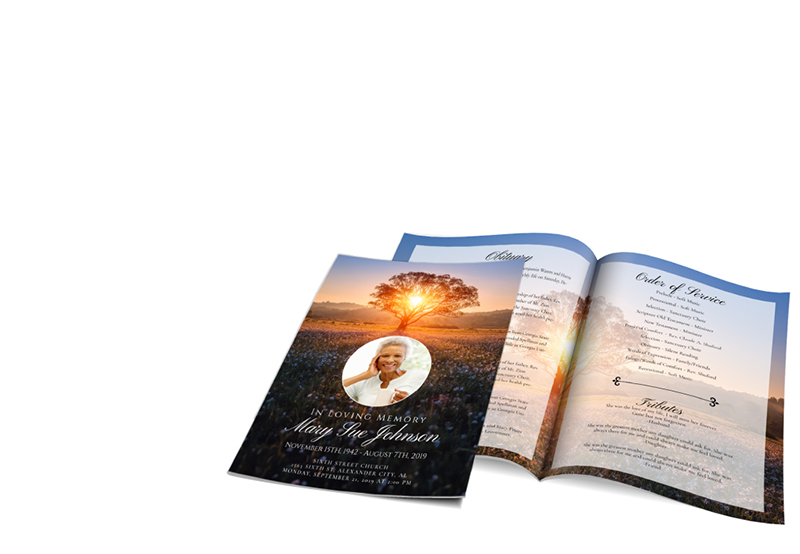
 Cards & Bookmarks
 Saint Prayer Cards
 Folded Memorial Cards
 Folded Holy Cards
 Memorial Bookmarks
 Thank You Cards
 Share-A-Memory Cards
 Memorial Magnets
 Memorial Posters
 Guest Books
 Slide Shows
 Memorial Fans
 Death Announcements
 Take Away Keepsakes
 Church Products
Introduction: Navigating Grief with Compassion and Understanding
When a loved one passes, families are called upon to make decisions during one of the most emotionally taxing times imaginable. Funeral planning can feel overwhelming, and dividing tasks among family members is often fraught with both logistical and emotional complexity. For many, the process is further shaped by deeply rooted cultural traditions that guide not only how we say goodbye, but also who takes on which responsibilities.
Understanding cultural differences in dividing funeral planning is essential for families hoping to honor their heritage while ensuring that every detail—from selecting funeral programs to organizing memorial cards and keepsakes—reflects the life and beliefs of the person they are remembering. Each culture brings its own expectations about roles, rituals, and responsibilities, which can either provide comfort or create additional stress if misunderstood.
In this article, we’ll gently explore how various cultures—including African American, Hispanic, Asian, Jewish, and others—traditionally distribute funeral planning tasks among family members. We’ll discuss how you can honor these customs amid the realities of modern memorial needs, such as coordinating the design and ordering of printed materials like funeral programs, prayer cards, and memorial bookmarks. Throughout, we’ll offer practical tips, scenarios, and advice to help you navigate this sensitive journey with empathy and grace.
At DisciplePress, we recognize the emotional weight of these moments and are honored to support you with compassionate guidance and thoughtful resources. Whether you’re seeking to uphold long-standing traditions or blend them with new approaches, our hope is that this article brings comfort, clarity, and confidence as you move through the planning process together.
Understanding Cultural Traditions in Funeral Planning Roles

In every culture, funerals are not only a farewell but an affirmation of values and identity. The way responsibilities are divided often mirrors core beliefs about family, community, and spirituality. For example, in many African American communities, funeral planning is a collective endeavor, with extended family and church members playing pivotal roles. Elders often guide major decisions, while younger relatives coordinate logistics such as ordering bi-fold programs or arranging transportation.
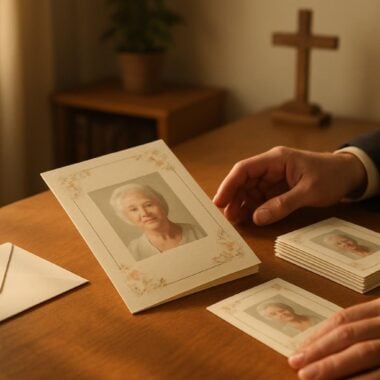
Creating a meaningful tribute for your loved one is an important part of the healing process. We offer Memorial Bookmarks, Funeral Programs and Prayer Cards to help you create meaningful tributes.
Hispanic families frequently emphasize the importance of immediate and extended family, with matriarchs or patriarchs overseeing arrangements. Tasks such as writing the obituary, selecting prayers for prayer cards, and organizing food for gatherings are shared among siblings, cousins, and close friends. The process is highly communal, reflecting the value placed on togetherness during mourning.
In many Asian cultures, especially among Chinese, Filipino, and Vietnamese communities, funeral rites are complex and steeped in symbolism. Eldest sons or daughters may be expected to lead preparations, supported by siblings and relatives who take on specific duties such as preparing offerings, managing guest books, or selecting appropriate booklet programs for guests. Respect for hierarchy and ritual is paramount.
Jewish traditions assign clear roles: the immediate family—especially children and spouse—are central, while extended relatives and friends support with tasks like sitting shiva, arranging food, or managing thank you cards. Certain duties, such as guarding the body or organizing the burial, are guided by religious norms and may require coordination with community leaders or the synagogue.
Understanding these cultural frameworks can provide reassurance and direction, especially when emotions run high. Awareness of traditional roles helps prevent misunderstandings, fosters inclusion, and ensures that every aspect of the funeral planning reflects both familial love and cultural identity.
Balancing Tradition and Practical Needs in Modern Funeral Planning
While respecting cultural customs is vital, today’s families often encounter new challenges in funeral planning. The need for printed materials—such as 8-page programs, memorial bookmarks, and celebration of life programs—requires coordination that may not have been anticipated in previous generations. Assigning these tasks can sometimes clash with traditional expectations about who should do what.
For example, in a family where elders are expected to lead, younger members might have more experience with online ordering or custom design services. It’s helpful to gently discuss each person’s strengths, ensuring that elders guide the vision while tech-savvy relatives handle details like submitting artwork or managing custom design services with DisciplePress. Open communication can bridge the gap between tradition and modern needs.
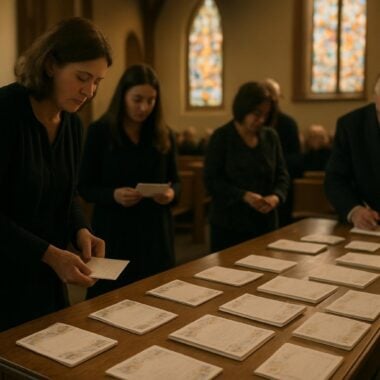
A practical approach is to hold a family meeting early in the process. Here, roles can be discussed openly: who will write the eulogy, who will select photos for the memorial slideshow, and who will order prayer cards or memorial packages. This transparent division of labor not only respects cultural expectations but also ensures that no one is overwhelmed.
When timelines are tight, as they often are, it’s important to discuss options for rush orders or same-day printing. Assigning a family member to communicate with the funeral home or with DisciplePress about turnaround time can alleviate stress and ensure everything arrives on schedule. This is especially crucial when coordinating multiple printed items, such as bi-fold programs, thank you cards, and memorial bookmarks.
Ultimately, balancing tradition with practical needs involves ongoing conversation, mutual respect, and flexibility. By acknowledging both the importance of heritage and the realities of modern planning, families can create a service that is both meaningful and manageable.
Assigning Roles: Common Approaches in Diverse Cultures
Different cultures have established methods for assigning funeral planning tasks, often shaped by religion, family structure, and local customs. For African American families, church involvement is frequently central. Church elders or deacons may help coordinate the service, while family members collaborate on selecting music, readings, and keepsakes like memorial cards.
We’re committed to supporting you through this difficult time with meaningful memorial resources. We offer Prayer Cards, Memorial Cards and Obituary Templates to help you create meaningful tributes.
In Hispanic families, it is common for siblings to divide tasks based on age or proximity. The eldest might oversee the main arrangements, while others handle food, decorations, or the design of celebration of life programs. Women often take on nurturing roles, organizing meals and comfort, while men may focus on logistics or liaising with the funeral home.
For many Asian families, respect for elders dictates that senior family members make major decisions, but younger relatives are often tasked with details such as creating a memorial slideshow or ordering personalized memorial bookmarks. These keepsakes can carry significant meaning, especially when they include traditional symbols, prayers, or poems in the family’s native language.
Jewish funerals are typically organized quickly, with clear roles distributed among immediate family and the larger community. Children or spouse oversee the core arrangements, while friends may coordinate food for shiva or manage thank you cards. Tasks like selecting passages for the funeral program or arranging for a rabbi’s involvement are assigned based on religious knowledge or personal connection.
Understanding these common approaches can help families discuss who feels most comfortable and capable of handling each aspect, from ordering printed materials to managing communication with guests. Clear, compassionate conversations help ensure all voices are heard and that the process feels inclusive and supportive.
Practical Strategies for Dividing Tasks Respectfully
Dividing funeral planning tasks requires sensitivity, especially when cultural expectations intersect with individual personalities and family dynamics. One effective strategy is to begin with a checklist of necessary tasks—such as writing the obituary, selecting photos for the program, and ordering tri-fold programs or other printed materials. Assigning responsibilities based on both tradition and practical ability can help everyone feel valued.
It may be helpful to involve a neutral facilitator—such as a family friend, clergy member, or funeral director—when discussing division of labor. This person can mediate conversations about who will handle which tasks, ensuring that cultural customs are honored while also considering modern requirements like digital submissions or same-day printing needs.
Encourage open communication about comfort levels and skills. For instance, someone who is less familiar with technology might prefer to select readings or organize flowers, while another family member manages online orders of prayer cards or obituary templates. Reassure each participant that every role—no matter how small—is meaningful in honoring the loved one.
Make space for flexibility. Circumstances may change, especially in times of grief. If a task becomes too overwhelming for one person, gently offer support or suggest sharing the responsibility. For example, two siblings might collaborate on choosing photos and designing an 8-page program, while another handles reaching out for same-day printing if needed.
Ultimately, dividing funeral planning tasks respectfully requires patience, empathy, and a willingness to adapt. By validating each person’s contributions and being mindful of both tradition and individual strengths, families can navigate this process with unity and care.
Honoring Rituals While Managing Modern Memorial Needs
Funeral rituals are a powerful source of comfort, but adapting them to today’s realities often means integrating new elements. Selecting the right printed materials—such as 12-page programs, personalized prayer cards, or custom memorial bookmarks—can beautifully blend tradition with modern remembrance. Including cultural symbols, meaningful quotes, or photos helps bridge generational preferences.
Many families choose to personalize funeral programs by incorporating prayers, songs, or poems that reflect their heritage. For example, African American families might feature spirituals or Bible verses, while Asian families could include ancestral blessings or traditional imagery. Hispanic programs often incorporate religious icons and bilingual content, ensuring all guests feel included and respected.
When managing modern needs, timing is critical. Assign a family member to oversee communication with your chosen printer—such as DisciplePress—about turnaround times, custom design options, and potential for rush orders. This ensures that all printed materials, from bi-fold programs to thank you cards, are ready in time for the service without adding undue stress.
Consider creating keepsakes that honor both tradition and individual memories. Memorial bookmarks, for example, can feature a favorite scripture, poem, or family crest. Share these with guests as a tangible reminder of your loved one’s legacy. For families hosting a celebration of life, unique program formats or memorial packages can help capture the spirit of the occasion and provide comfort to all who attend.
By thoughtfully combining ritual and modern resources, families can create meaningful tributes that respect the past while embracing the present. This approach helps ensure every guest feels the warmth and love that defines your family and your shared traditions.
Bridging Generational Gaps in Funeral Planning Roles
One of the most common challenges in dividing funeral planning tasks is navigating different expectations between generations. Elders may expect to oversee all arrangements, while younger family members might seek a more collaborative approach. Gentle conversations about the value of both experience and new ideas can help bridge this gap.
Invite elders to share their knowledge of traditional rituals, such as the correct order of service or appropriate readings. At the same time, encourage younger relatives to contribute by managing logistics like ordering 16-page programs, customizing memorial cards online, or arranging for digital slideshows. This blend of wisdom and modern convenience ensures that every detail is handled thoughtfully.
Use technology to facilitate communication and involvement. Setting up a group chat or shared document can make it easier to divide tasks and share updates, especially when coordinating multiple items like memorial bookmarks, thank you cards, and prayer cards. This approach keeps everyone informed and engaged, regardless of age or tech expertise.
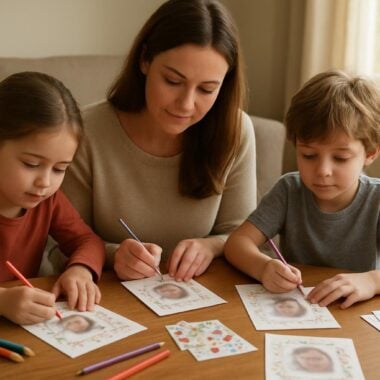
Consider assigning tasks that foster connection between generations. For example, a grandparent and grandchild might work together to select photos for the funeral program, combining cherished memories with digital skills. This collaboration can be deeply healing, reinforcing family bonds during a difficult time.
By acknowledging and valuing each generation’s unique perspective, families can create a harmonious planning process that honors tradition while embracing the strengths of all members. This unity brings comfort and reassurance to everyone involved.
Supporting Each Other Through Grief and Responsibility
Dividing funeral planning tasks is not just about logistics; it’s also about supporting one another through grief. The process can bring up old memories, unresolved emotions, and new sources of stress. Creating a compassionate environment where every voice is heard and validated is essential.
Encourage regular check-ins among family members, allowing space for feelings as well as updates on progress. If someone is struggling, offer to share or reassign tasks, such as handling the order of 20-page programs or managing communication with the funeral home. Remind each other that it’s okay to ask for help, and that no one is expected to carry the burden alone.
Incorporate rituals of comfort and remembrance throughout the planning process. Lighting a candle, sharing a favorite story, or taking a moment for quiet reflection can provide moments of connection and solace. These small gestures remind everyone that the work being done is an act of love and remembrance.
When possible, lean on community resources. Clergy, support groups, and funeral professionals can provide guidance and reassurance, especially when navigating unfamiliar cultural traditions. DisciplePress is honored to offer not only a wide range of printed products and custom design services, but also compassionate assistance for families at every stage.
Above all, remember that supporting each other through both grief and responsibility is a powerful way to honor your loved one’s memory. Every contribution—no matter how small—helps create a meaningful farewell and strengthens the bonds that will carry you forward.
Related Articles
Conclusion: Walking Together with Compassion and Respect
Throughout the journey of funeral planning, understanding cultural differences in dividing funeral planning among family can transform a difficult experience into one filled with connection, respect, and healing. Honoring both tradition and individual strengths ensures that every detail, from selecting funeral programs to distributing memorial cards, reflects the unique life and values of your loved one.
By approaching each step with empathy and openness, families can navigate the complexities of grief and responsibility with greater ease. Thoughtful division of tasks, clear communication, and a willingness to adapt help create a supportive atmosphere where everyone feels included and valued.
If you find yourself needing guidance or assistance, remember that resources like DisciplePress are here to help. Our team can provide advice on custom program formats, rush order options, and keepsake design to honor your family’s traditions and preferences. Please don’t hesitate to contact us for compassionate support at any stage.
Above all, know that you are not alone on this path. By leaning on one another, honoring your shared heritage, and embracing both old and new ways of remembrance, you can craft a farewell that brings comfort, healing, and lasting memories for generations to come.
Learn more about DisciplePress and our commitment to serving families. Browse our design gallery for inspiration. For personalized assistance, please contact us.