
 Free Shipping Over $50
  888-432-8363


 Obituary/Programs
 No-Fold Memorial Programs
 4 Page Funeral Programs
 8 Page Memorial Programs
 12 Page Funeral Programs
 16 Page Funeral Programs
 20 Page Funeral Programs
 Tri-Fold Funeral Programs
 Complete Memorial Packages
 Cards & Bookmarks
 Saint Prayer Cards
 Folded Memorial Cards
 Folded Holy Cards
 Memorial Bookmarks
 Thank You Cards
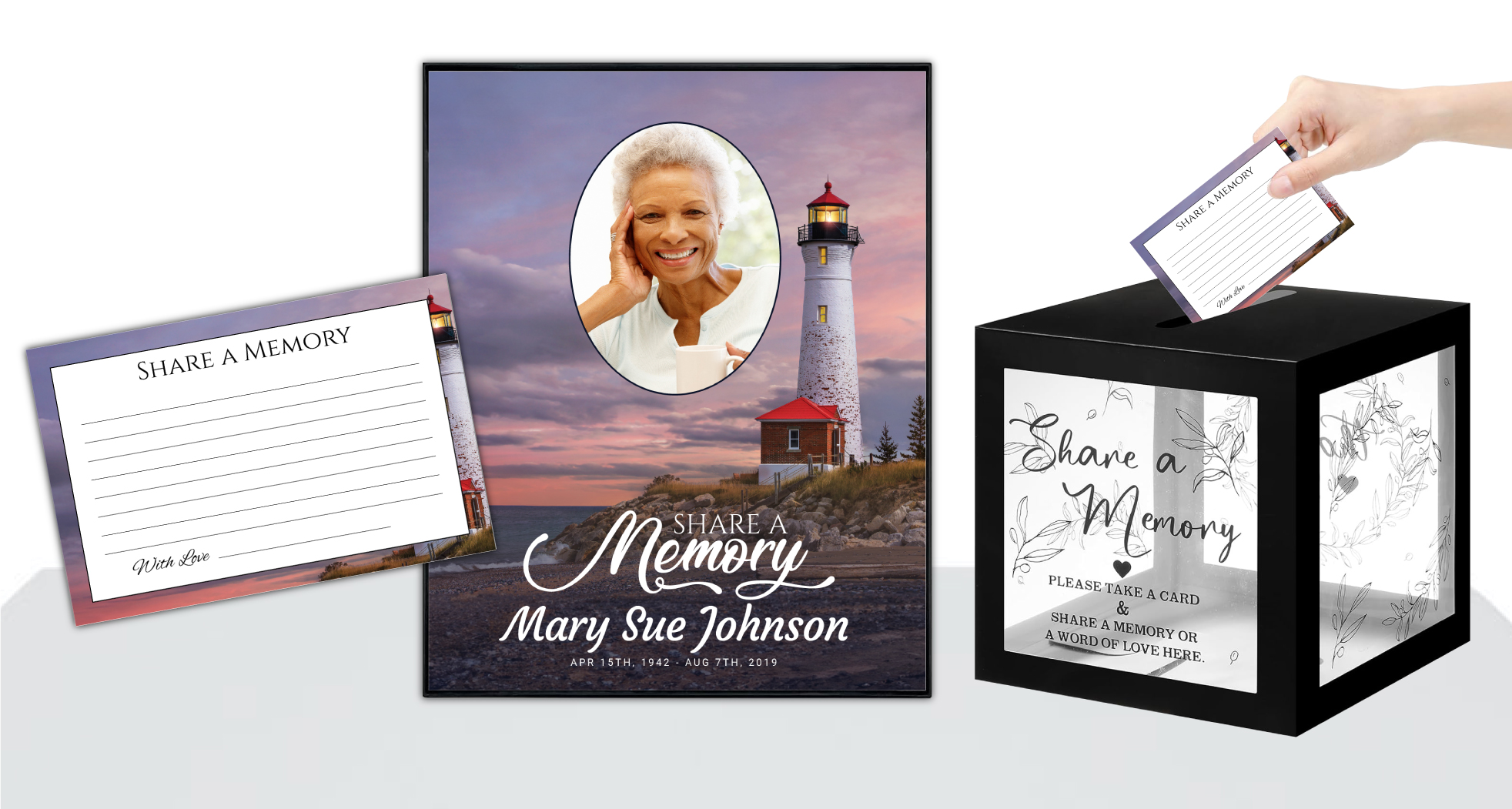 Share-A-Memory Cards
 Memorial Magnets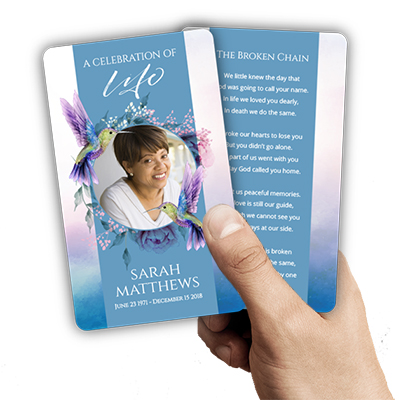
 Memorial Posters
 Guest Books
 Slide Shows
 Memorial Fans
 Death Announcements
 Take Away Keepsakes
 Church Products
Introduction
During times of grief, words often seem inadequate. The loss of a loved one is a profound and indescribable experience, leaving a deep void that’s hard to fill. As friends or family, we reach out in the best way we know – through heartfelt words, shared memories, and loving support. That’s where sympathy cards come into play. These small tokens offer comfort and solace, letting the bereaved know they are not alone in their sorrow.
This guide is designed to help you navigate the delicate task of expressing your condolences in a sympathy card. We understand that you might be feeling overwhelmed, unsure of what to say, or afraid of causing more pain. But remember, your words—however imperfect—are a gift of empathy and compassion. They represent your presence, your care, and your shared grief.
We will explore different aspects of writing a sympathy card, provide examples for inspiration, and offer practical tips to help you craft a meaningful message. We aim to support you in creating a thoughtful and comforting note that acknowledges the loss, honors the deceased, and offers solace to the grieving.
DisciplePress is here to help you during this emotional journey. With our wide range of sympathy cards, we provide a canvas for your heartfelt words and offer various keepsakes like memorial bookmarks and prayer cards to accompany your message.
Understanding the Importance of Sympathy Cards

Expressing condolences through sympathy cards is a long-standing tradition steeped in empathy and respect. These cards serve as tangible reminders of love and support, providing comfort during the grieving process. They remind the bereaved that they are not alone and that their loved one’s life had a significant impact.
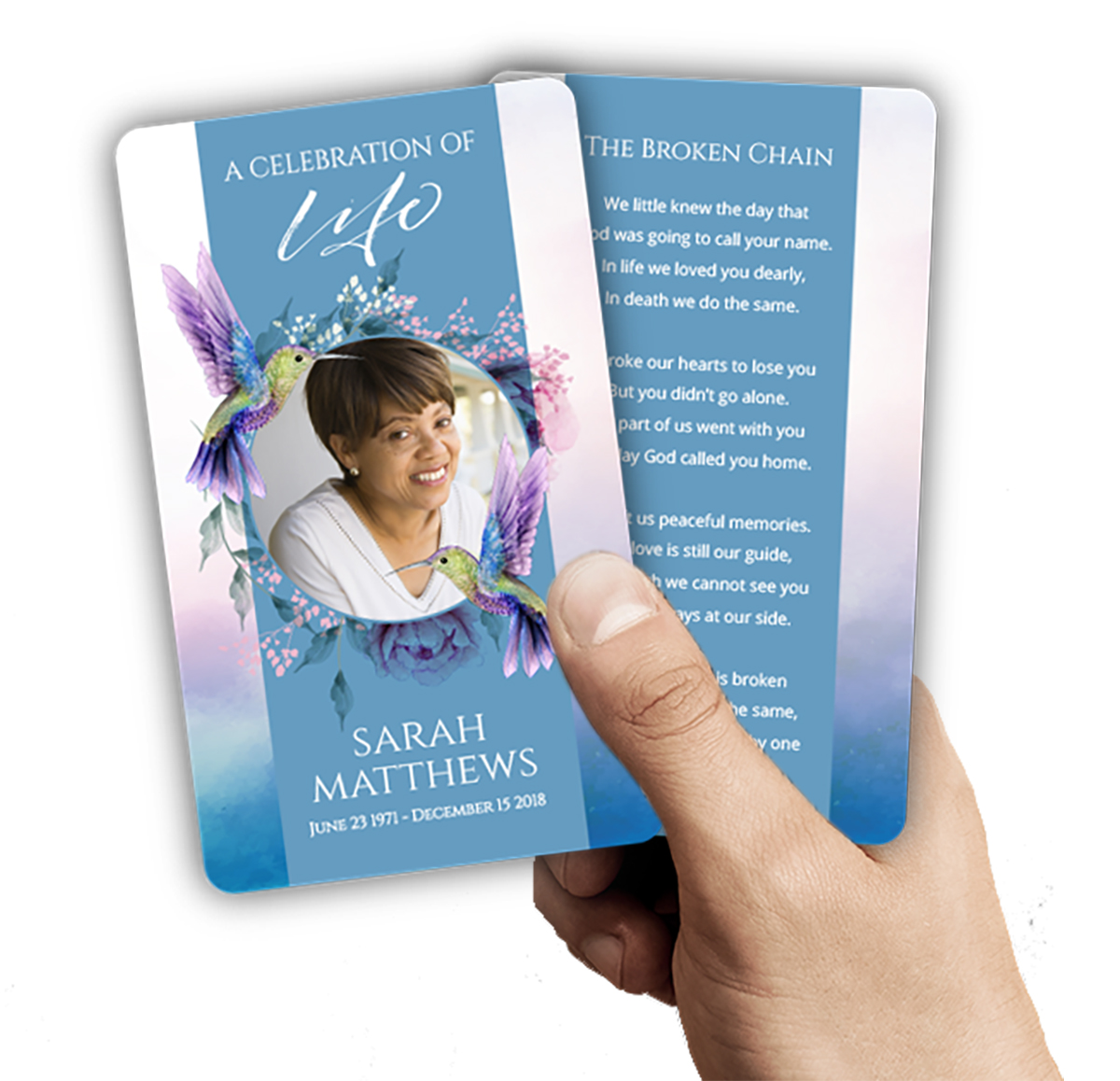
DisciplePress is dedicated to helping families honor their loved ones with dignity and care. We offer Prayer Cards, Saint Prayer Cards and Folded Memorial Cards to help you create meaningful tributes.
A well-crafted sympathy card can convey heartfelt feelings that may be difficult to express verbally. It can share personal anecdotes about the deceased, express admiration for their life, and offer comfort in the form of shared sorrow or a listening ear. The card’s physical form provides a lasting memento that the bereaved can revisit during their healing journey.
At DisciplePress, we understand the significance of these cards, and we strive to provide a variety of options to suit different preferences. From simple, elegant designs to more complex bi-fold programs, 8-page programs, and tri-fold programs, we aim to offer a fitting backdrop for your heartfelt words.
When choosing your sympathy card, consider the deceased’s personality and the bereaved’s preferences. This consideration ensures that the card serves as a beautiful tribute to the deceased while providing comfort to the grieving family.
What to Include in a Sympathy Card
While there’s no definitive template for what to write in a sympathy card, there are several elements you can consider. The most important thing is to be genuine and speak from the heart. Here are some elements to consider:
Acknowledgment of the Loss: Begin by acknowledging the loss and expressing your condolences. This acknowledgment validates the bereaved’s feelings and opens the door for further expressions of sympathy.
Personal Memory or Anecdote: Sharing a personal memory of the deceased can provide comfort to the bereaved. It allows them to see the impact their loved one had on others and offers a glimpse of their loved one’s life they may not know.
Words of Comfort: Express your wish for the bereaved’s comfort and healing. This expression can be a simple message of support or a comforting quote or poem. DisciplePress offers a collection of memorial quotes and funeral poems that can be used to convey your sentiments.
Offer of Support: An offer of support—be it a listening ear, a comforting presence, or help with practical tasks—shows the bereaved that they are not alone.
Examples of Sympathy Card Messages
To help you find the right words, here are some examples of sympathy card messages:
DisciplePress is dedicated to helping families honor their loved ones with dignity and care. We offer Folded Memorial Cards, Large Memorial Cards and Sympathy Cards to help you create meaningful tributes.
Example 1: “Dear [Name], I was deeply saddened to hear about [Deceased’s Name]’s passing. I remember how they always lit up a room with their laughter. Please know that you are in my thoughts, and I’m here for you during this difficult time.”
Example 2: “My heart aches for you, [Name]. [Deceased’s Name] was a remarkable person, and their spirit will live on in our memories. Please accept my heartfelt condolences. If you need someone to talk to or help with anything, I’m just a phone call away.”
Example 3: “[Name], I cannot imagine the pain you are feeling. [Deceased’s Name] was a beacon of kindness and will be greatly missed. May you find comfort in the love and support of those around you. I’m here for you, now and always.”
Tailoring Your Message to the Relationship
The relationship you shared with the deceased and the bereaved influences the tone and content of your sympathy card message. For a close family member or friend, your message might be deeply personal, filled with shared memories and intimate expressions of grief. For an acquaintance or professional contact, a more general message of condolences may be appropriate.
Remember, the goal is to offer comfort and support. Whether your relationship was close or distant, your message should reflect genuine care and empathy. Avoid clichés or empty platitudes. Instead, acknowledge the pain of loss, express your condolences, and offer your support in a manner that feels authentic to your relationship.
Respecting Cultural and Religious Sensitivities
When writing a sympathy card, it’s essential to be mindful of cultural and religious sensitivities. Different cultures and religions have unique beliefs and customs surrounding death and mourning. What might be comforting in one culture could be inappropriate in another.
Take the time to understand the bereaved’s cultural or religious practices. If you’re unsure, it’s best to keep your message simple and focused on expressing your condolences and offering support. Avoid religious quotes or statements unless you’re certain they align with the bereaved’s beliefs.
Conclusion
Writing a sympathy card is a delicate task filled with deep emotions. It’s a chance to express your condolences, share cherished memories, offer comfort, and extend your support to the grieving. As we’ve explored, there’s no definitive formula for what to write, but authenticity, empathy, and respect are key.
Remember, your words, however imperfect, are a gesture of kindness that can bring solace during a challenging time. Your sympathy card—whether a simple note or a detailed message in one of DisciplePress’s 8-page programs—is a tangible reminder of your care and support.
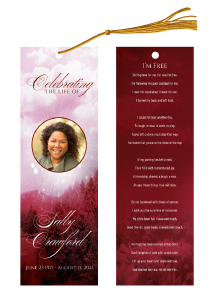
As you navigate this emotional journey, DisciplePress is here to assist you. We offer a variety of sympathy cards and keepsakes like memorial bookmarks and prayer cards to help you express your condolences. Our rush orders and same-day printing services ensure that your heartfelt message reaches the bereaved promptly.
We hope this guide has provided practical guidance and reassurance as you craft your sympathy card. If you need further assistance or have any questions, please feel free to reach out to us. Our team is ready to support you during this difficult time.
Remember, your words can offer a comforting presence during a time of loss. They are a testament to the love and respect you hold for the deceased and a gentle source of solace for the bereaved. Learn more about DisciplePress and our commitment to serving families. Browse our design gallery for inspiration. For personalized assistance, please contact us.