
 Free Shipping Over $50
  888-432-8363


 Obituary/Programs
 No-Fold Memorial Programs
 4 Page Funeral Programs
 8 Page Memorial Programs
 12 Page Funeral Programs
 16 Page Funeral Programs
 20 Page Funeral Programs
 Tri-Fold Funeral Programs
 Complete Memorial Packages
 Cards & Bookmarks
 Saint Prayer Cards
 Folded Memorial Cards
 Folded Holy Cards
 Memorial Bookmarks
 Thank You Cards
 Share-A-Memory Cards
 Memorial Magnets
 Memorial Posters
 Guest Books
 Slide Shows
 Memorial Fans
 Death Announcements
 Take Away Keepsakes
 Church Products
Introduction
During times of grief and loss, words can sometimes elude us, especially when we want to express our deepest sympathies to those grieving. It’s a delicate balance between acknowledging their pain and offering comfort. This guide aims to help you navigate the process of writing a sympathy card that conveys your heartfelt condolences.
We understand that you are in a challenging time, and we want to assist you in this difficult task. Writing a sympathy card is more than just a formality—it’s a way to show your support, share in the sorrow, and offer solace to the bereaved.
Our discussion will include practical tips, real-world examples, and possible structures for your sympathy card message. We will also explore how to incorporate religious sentiments if suitable, and how to choose the right tone.
At DisciplePress, we not only offer custom design services for sympathy cards but also provide support and guidance during these challenging times. Let’s navigate this journey together.
Understanding the Importance of Sympathy Cards

A sympathy card is more than just a piece of paper; it’s a tangible expression of your condolences, your shared sorrow, and your support. It serves as a reminder to the bereaved that they are not alone in their time of grief.
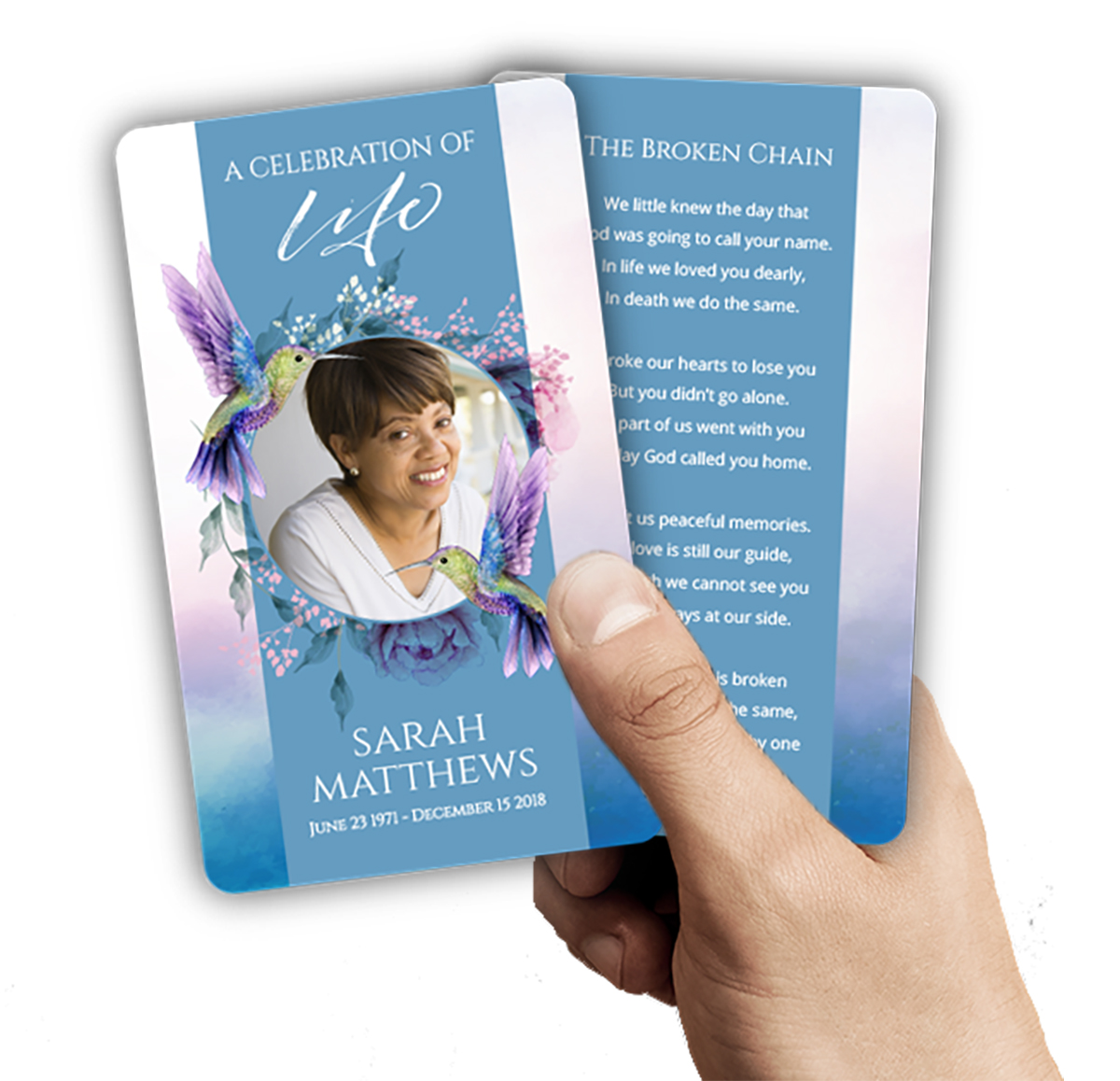
We’re committed to supporting you through this difficult time with meaningful memorial resources. We offer Prayer Cards, Folded Memorial Cards and Sympathy Cards to help you create meaningful tributes.
Such cards, especially when customized and personalized, can become keepsakes that the bereaved hold onto, reminding them of the love and support they received during their time of loss. DisciplePress offers a range of memorial cards, including bi-fold and tri-fold programs, that can be customized according to your needs.
Writing a sympathy card might feel daunting, but remember, the most important thing is sincerity. Your words don’t have to be perfect; they just have to come from the heart.
When choosing a sympathy card, consider the bereaved’s personality and preferences. For religious families, prayer cards might be suitable, while others might prefer a simple, elegant design.
Starting Your Sympathy Card
Beginning your sympathy card might feel like the hardest part. Start by addressing the bereaved warmly. Use phrases like “Dear [Name],” to make it personal and heartfelt. If you’re close to the person, use their first name; if you’re not as close, use their title and last name.
Acknowledge their loss in the first sentence. You might say, “I was deeply saddened to hear about [deceased’s name]’s passing.” Remember, it’s okay to name the deceased; it can be comforting to the bereaved to hear their loved one’s name spoken or written.
Express your condolences. This could be as simple as “I’m so sorry for your loss.” Remember, your words don’t have to be poetic or complicated; they just need to be sincere.
If you knew the deceased well, you could share a memory or say something positive about them. This could bring comfort to the bereaved and remind them of happier times.
Expressing Your Support
One of the most comforting things you can do in a sympathy card is to offer your support. This could be emotional support, like letting them know you’re there to talk, or practical support, like offering to help with meals or errands.
We’re committed to supporting you through this difficult time with meaningful memorial resources. Our selection of Sympathy Cards and Memorial Bookmarks, along with our Same-Day Printing, help families create meaningful tributes during difficult times.
Be specific in your offer of help. Instead of saying, “Let me know if you need anything,” say, “I will bring dinner over next week, or I can help you with grocery shopping.”
Keep in mind that the bereaved may not have the energy or presence of mind to ask for help, so offering specific assistance can be really helpful. Be sure to follow through on any offers you make.
End your sympathy card with a comforting close. This could be “With deepest sympathy,” “With all our love,” or “You’re in our thoughts.”
Incorporating Religious Sentiments
If the bereaved and the deceased are religious, it could be comforting to incorporate religious sentiments in your sympathy card. You could include a comforting Bible verse or a religious poem. DisciplePress has a collection of Bible verses and funeral poems that can provide inspiration.
However, be sure to respect the beliefs and practices of the bereaved. If you’re unsure, it’s best to stick to universal sentiments of compassion and sympathy.
You could also consider using prayer cards from DisciplePress as your sympathy card. These can be personalized with a favorite prayer or religious symbol, offering spiritual comfort to the bereaved.
Choosing the Right Tone
The tone of your sympathy card should be respectful and comforting. It’s important to acknowledge the pain and loss the bereaved is experiencing, but also to offer hope and comfort.
While it’s important to be heartfelt, avoid overly emotional language that may heighten their grief. Be empathetic and compassionate, but also offer a sense of calm and comfort.
If you knew the deceased well, it could be appropriate to include a light-hearted memory or anecdote. This can bring a moment of joy in the midst of grief, reminding the bereaved of the happy times shared with their loved one.
Conclusion
Writing a sympathy card can be a daunting task, but it’s a powerful way to offer comfort and support to those grieving. Remember, the most important thing is to be sincere and heartfelt. Your words don’t have to be perfect; they just have to come from the heart.
At DisciplePress, we offer a range of customizable sympathy cards, prayer cards, and memorial cards that can serve as a tangible reminder of your condolences and support. We also offer same-day printing and rush orders to ensure your sympathy card arrives in a timely manner.
We hope this guide has been helpful in navigating the process of writing a sympathy card. Remember, your words of sympathy and support can offer great comfort during this difficult time.
If you need further assistance in choosing or customizing your sympathy card, please don’t hesitate to reach out to us. We are here to support you during this difficult time.
As you write your sympathy card, remember to be kind to yourself as well. Grief can affect us all, and it’s important to take care of yourself, too. Our thoughts are with you during this difficult time. Learn more about DisciplePress and our commitment to serving families. Browse our design gallery for inspiration. For personalized assistance, please contact us.