
 Free Shipping Over $50
  888-432-8363


 Obituary/Programs
 No-Fold Memorial Programs
 4 Page Funeral Programs
 8 Page Memorial Programs
 12 Page Funeral Programs
 16 Page Funeral Programs
 20 Page Funeral Programs
 Tri-Fold Funeral Programs
 Complete Memorial Packages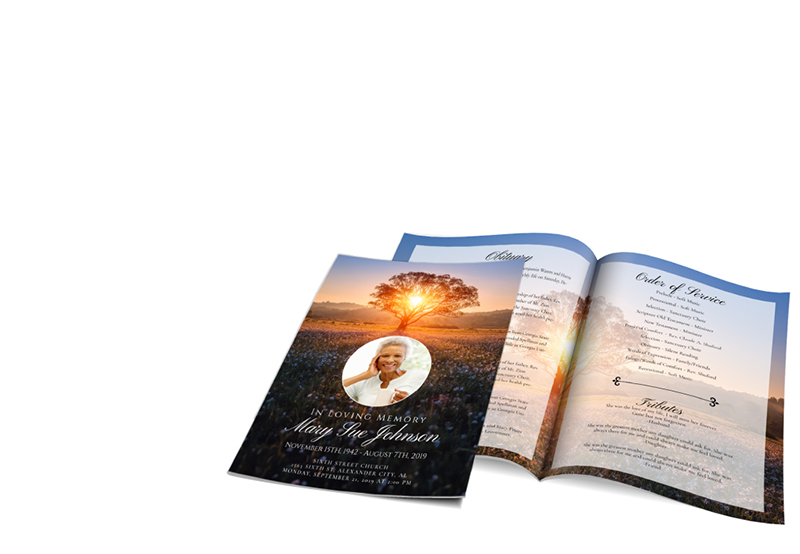
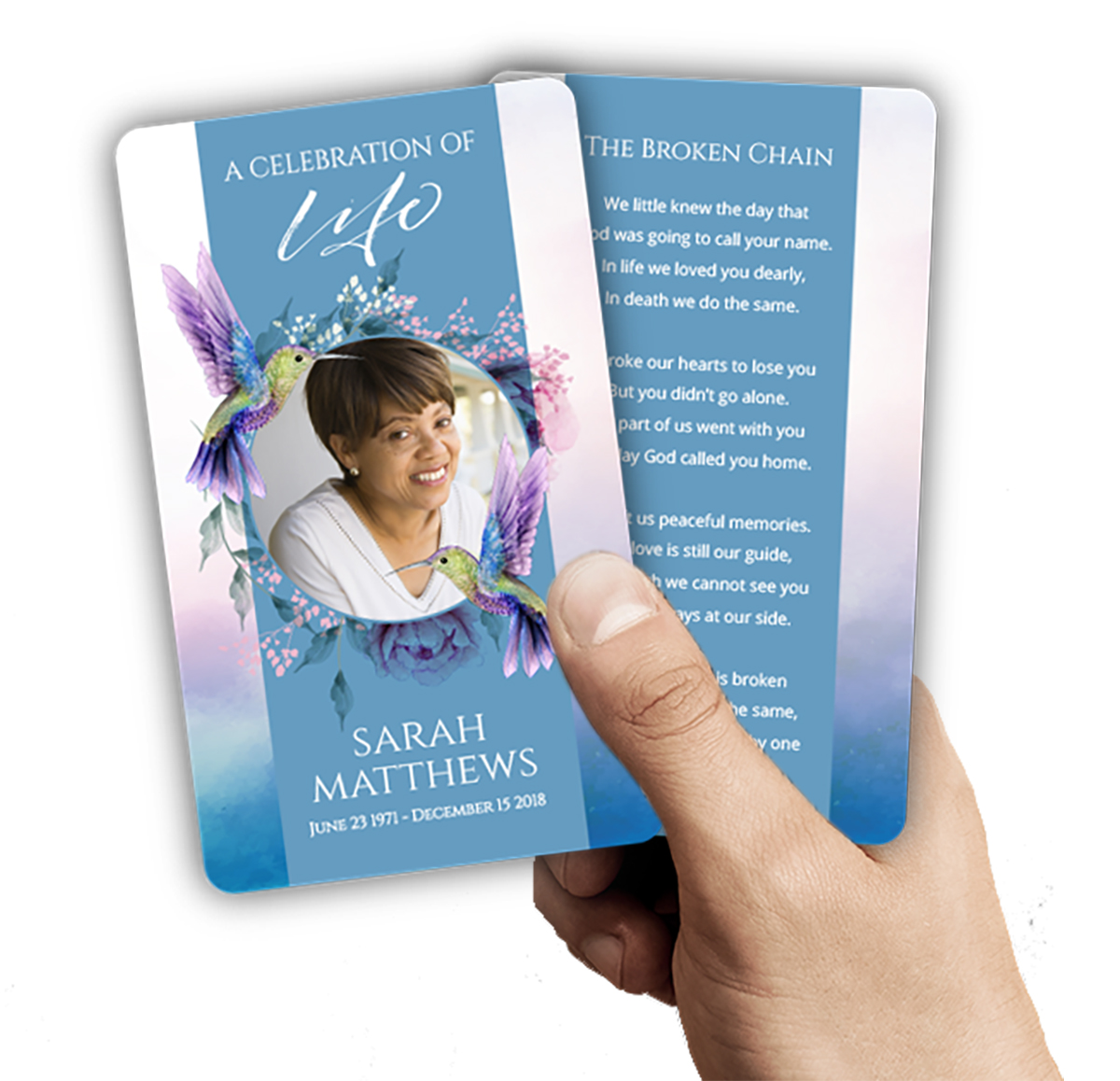 Cards & Bookmarks
 Saint Prayer Cards
 Folded Memorial Cards
 Folded Holy Cards
 Memorial Bookmarks
 Thank You Cards
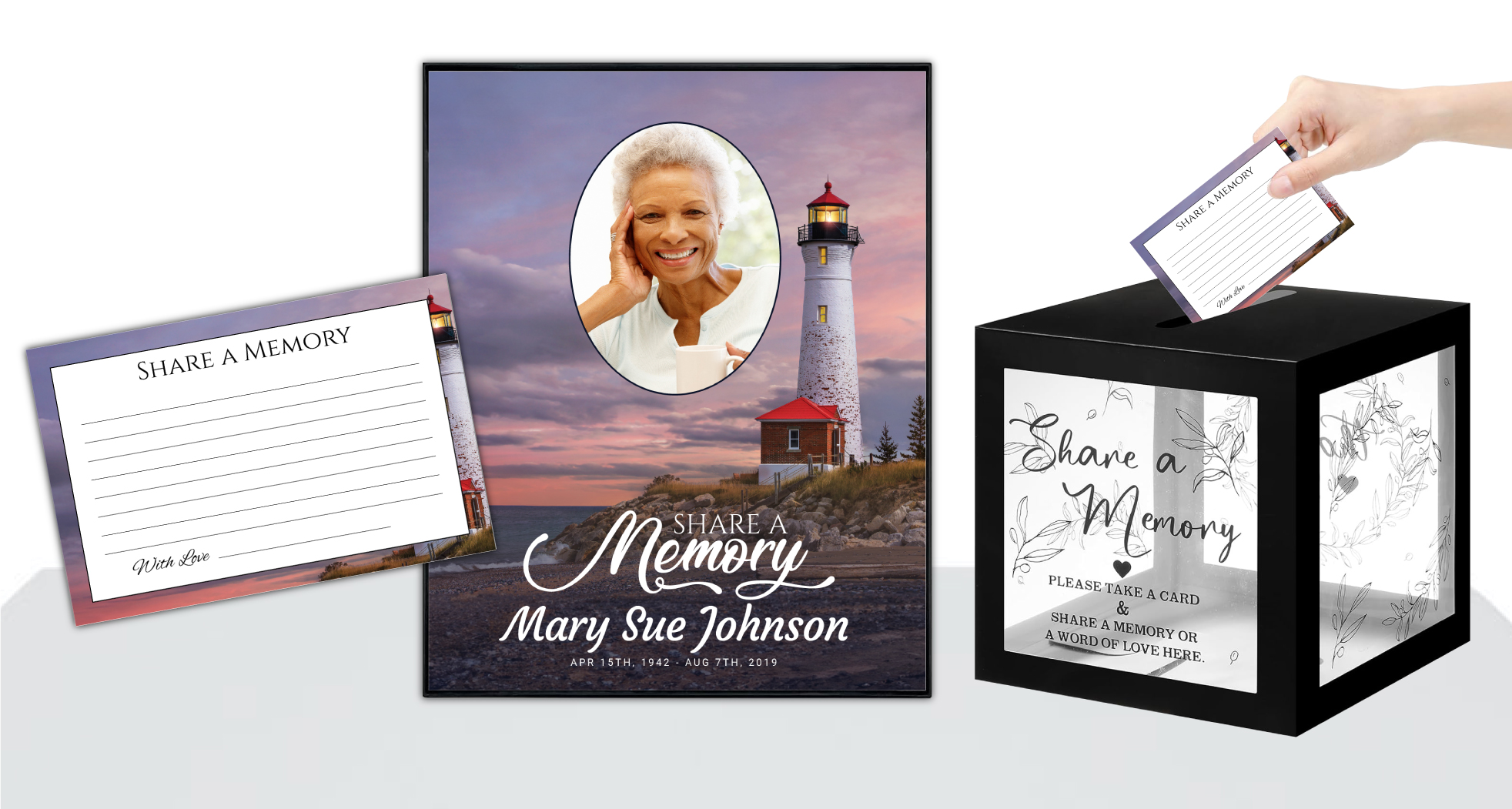 Share-A-Memory Cards
 Memorial Magnets
 Memorial Posters
 Guest Books
 Slide Shows
 Memorial Fans
 Death Announcements
 Take Away Keepsakes
 Church Products
Introduction
There are few experiences more challenging than trying to find the right words of solace for someone who has lost a loved one. The pain of loss can be overwhelming, and the desire to provide comfort can often leave us feeling at a loss for words. This is especially true when it comes to writing sympathy cards. We understand the emotional situation you’re in, and we’re here to help guide you through this difficult task.
This guide aims to provide you with practical advice and examples to help you write a heartfelt sympathy card. We understand how essential it is to convey your condolences correctly, to show your support, and to let the bereaved know they’re not alone. We will walk you through everything you need to know, from how to begin your message to what to avoid saying. We hope our guide will be a helpful tool in your journey to comfort others during their time of grief.
At DisciplePress, we offer a range of products to help you through this process, including sympathy cards and funeral programs. We also provide custom design services and a quick turnaround time, should you need it.
Let’s explore together how to pen a comforting message that can help bring solace during these challenging times.
Understanding the Purpose of a Sympathy Card
A sympathy card is more than just a piece of paper; it’s a tangible expression of care and compassion. It’s a way to let people know that they’re not alone in their grief. The purpose of a sympathy card is to provide comfort and support during a time when it’s most needed. It’s about acknowledging the pain and loss, offering condolences, and providing hope for the days ahead.
We’re committed to supporting you through this difficult time with meaningful memorial resources. We offer Prayer Cards, Saint Prayer Cards and Folded Memorial Cards to help you create meaningful tributes.
It’s crucial to remember that everyone grieves differently, and the message you write should respect this individual experience. Your words should be genuine, empathetic, and respectful. Try to imagine how you would feel in their situation and write from your heart.
A good sympathy card can be a source of comfort for years to come. Many people keep these cards and read them when they feel particularly alone in their grief. A well-crafted message can provide a source of solace even years after the loss.
DisciplePress offers a variety of sympathy cards, including prayer cards and memorial cards that can be customized to fit your message perfectly.
Beginning Your Message
Starting a sympathy card can often be the hardest part. It’s crucial to acknowledge the loss and express your condolences. A simple “I’m so sorry for your loss” can often be a good starting point. It’s a direct and heartfelt way to communicate your feelings.
Another approach is to mention the deceased by name. This personal touch can show that you’re thinking of the person who has passed away, not just the situation. For example, “I was deeply saddened to hear about John’s passing.”
Consider acknowledging the emotional weight of the situation. Phrases like “I can’t imagine how difficult this must be for you” can validate the receiver’s feelings of grief.
If you had a close relationship with the deceased, you could start by expressing your own feelings of loss. Saying something like “I miss [deceased’s name] too” can show that you’re grieving with them.
Sharing Fond Memories
Sharing fond memories of the deceased can be a comforting addition to your sympathy card message. This not only personalizes your message but also helps to keep the memory of the deceased alive. Whether it’s a funny anecdote or a touching moment, sharing these memories can bring a smile to someone during a difficult time.
DisciplePress is dedicated to helping families honor their loved ones with dignity and care. We offer Folded Memorial Cards, Large Memorial Cards and Sympathy Cards to help you create meaningful tributes.
If you didn’t know the deceased well, you could still share about how much they meant to the person you’re writing to. For instance, “I know how much you loved your father, and his absence must be deeply felt.”
It’s essential to be sensitive when sharing memories. Avoid stories that might bring up painful memories or that involve sensitive topics. Stick to positive, uplifting memories that bring comfort and warmth.
Remember, it’s not about making the grief go away – it’s about providing a moment of respite, a reminder of happier times, amidst the sorrow.
Offering Support
Offering your support during this time is a crucial part of a sympathy card. This could be as simple as letting them know you’re there for them. Phrases like “Please know that I’m here for you” or “You’re not alone in this” can be very comforting.
Try to be specific about the support you can offer. If possible, mention specific ways in which you can help, such as bringing meals, helping with household chores, or simply being there to listen.
Keep in mind that sometimes, people aren’t ready to accept help right away. Be patient and let them know that your offer stands, no matter when they’re ready to take you up on it. Try to be as flexible and understanding as possible.
What to Avoid Saying
While it’s essential to express your condolences and offer support, there are some things you should avoid saying in a sympathy card. Certain phrases, while well-intentioned, might inadvertently cause more pain.
Avoid saying things like “I know how you feel” unless you have experienced a very similar loss. Even then, remember that every person’s experience with grief is unique.
Try not to use cliches like “Everything happens for a reason” or “They’re in a better place.” While these phrases are often used with the best intentions, they can often seem dismissive of the person’s pain.
Lastly, avoid giving advice or trying to find a silver lining. It’s not your job to fix the situation or make the person feel better; it’s your job to offer support and understanding.
Conclusion
Writing a sympathy card is a delicate task, but with some thought and care, your words can provide comfort and support during a difficult time. Remember, the purpose of your message is to acknowledge the loss, express your condolences, share fond memories, and offer your support.
While writing your sympathy card, remember to be genuine, empathetic, and respectful. Each word should come from the heart. It’s not about having the perfect words; it’s about showing that you care.
At DisciplePress, we understand the importance of these messages. We offer a variety of sympathy cards and funeral programs to choose from. With our custom design services, you can create a card that perfectly encapsulates your message of support and care.
Finally, remember to be patient with yourself. This is a challenging task, and it’s okay if you don’t find the perfect words right away. The most important thing is that you’re showing up for someone in their time of need.
We hope this guide has been helpful and that it assists you in writing a heartfelt, comforting sympathy card. Remember, your words can help bring comfort in times of grief and serve as a reminder of shared love and memories. Learn more about DisciplePress and our commitment to serving families. Browse our design gallery for inspiration. For personalized assistance, please contact us.