 Free Shipping Over $50
  888-432-8363


 Obituary/Programs
 No-Fold Memorial Programs
 4 Page Funeral Programs
 8 Page Memorial Programs
 12 Page Funeral Programs
 16 Page Funeral Programs
 20 Page Funeral Programs
 Tri-Fold Funeral Programs
 Complete Memorial Packages
 Cards & Bookmarks
 Saint Prayer Cards
 Folded Memorial Cards
 Folded Holy Cards
 Memorial Bookmarks
 Thank You Cards
 Share-A-Memory Cards
 Memorial Magnets
 Memorial Posters
 Guest Books
 Slide Shows
 Memorial Fans
 Death Announcements
 Take Away Keepsakes
 Church Products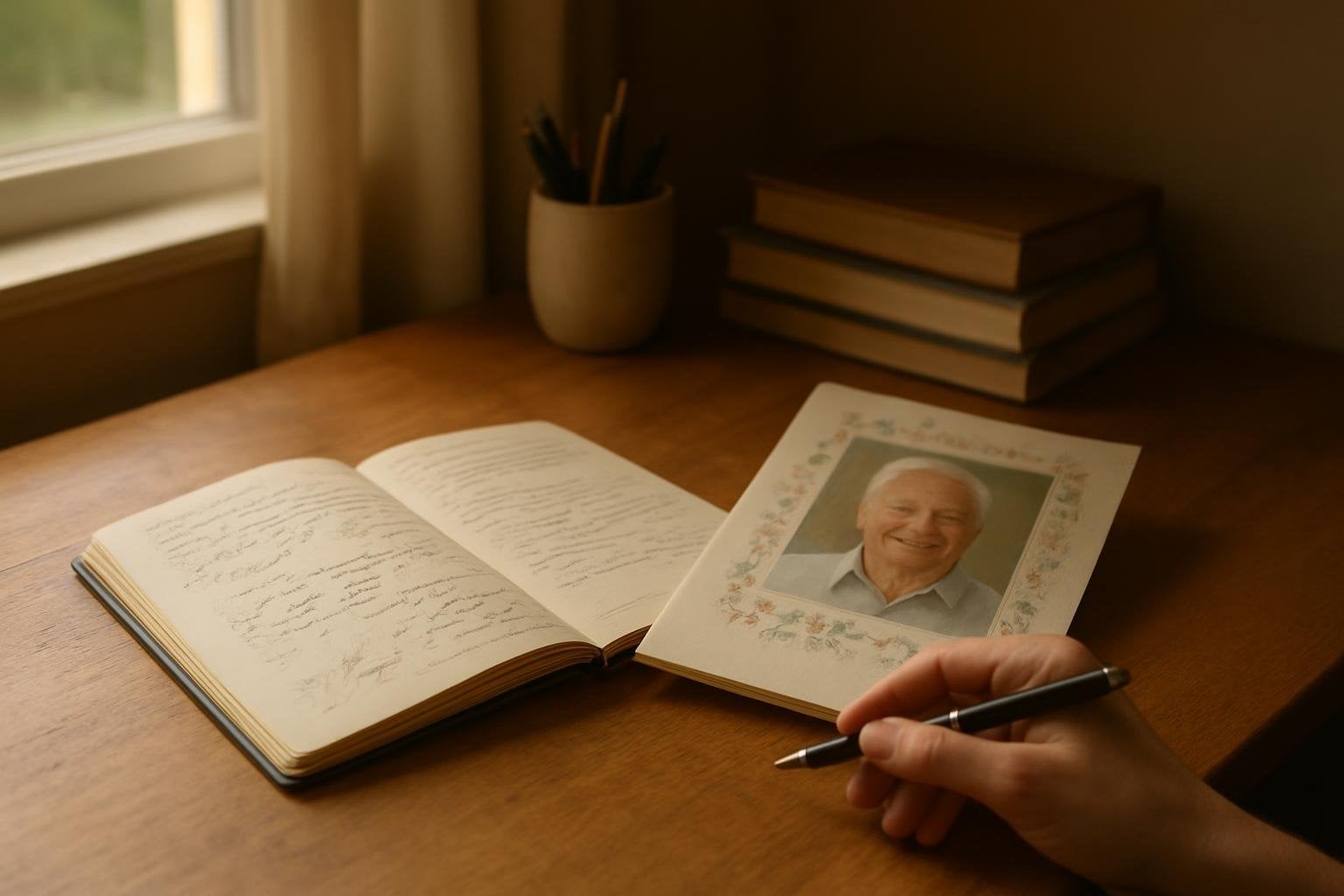
Introduction: Facing the Challenge with Compassion
When we lose someone dear to us, the world can feel unfamiliar and heavy. Amidst the sorrow and the practical tasks of planning a memorial, being asked to write and deliver a memorial speech might feel overwhelming—especially if you don’t consider yourself a writer. The pressure to capture a loved one’s essence, to honor their memory, and to comfort others, all while managing your own grief, can seem daunting. If you’re reading this, know that you are not alone, and what you are feeling is completely normal.
Writing a memorial speech is, at its core, an act of love. It is not about crafting perfect sentences or being a seasoned public speaker. Rather, it’s about sharing your memories, your feelings, and the impact your loved one had on your life. Authenticity and sincerity matter far more than eloquence. Even simple words can bring solace and connection to those gathered.
In this article, we will walk you through a gentle, step-by-step approach to writing a heartfelt memorial speech, even if writing doesn’t come naturally to you. We’ll offer a straightforward framework, practical tips, and examples to help you find your voice. We’ll also share suggestions for managing emotions while speaking and how DisciplePress’s resources, such as our Obituary Writing Assistant and Funeral Poems Collection, can support you in this journey.
Our aim is to ease your burden and provide comfort as you prepare to honor your loved one. By the end, you’ll have the tools and reassurance you need to create a meaningful speech—one that celebrates life and brings comfort, no matter your experience with writing.
Understanding the Purpose of a Memorial Speech

A memorial speech, sometimes called a eulogy, serves as a tribute to someone who has passed away. It is a chance to reflect on their life, share stories that shaped your relationship, and offer comfort to a grieving community. While it may feel like a daunting responsibility, remember that your unique perspective is a gift to everyone present.
One of the main purposes of a memorial speech is to celebrate and honor the person’s life. This can include sharing fond memories, their values, and the ways they influenced others. Your stories don’t need to be extraordinary or grand; often, small, everyday moments resonate the most with listeners. Think about the times your loved one made you smile, taught you something, or showed kindness to others.
Another important role of a memorial speech is to help those gathered make sense of their loss. By sharing your feelings and memories, you invite others to process their own grief and find comfort in shared experiences. Don’t worry if you become emotional or stumble over words; authenticity is what matters most.
Memorial speeches can be tailored to the tone and style of the service—whether it’s a traditional funeral or a celebration of life. If you’re helping coordinate the service, consider how your speech can complement other elements, such as funeral programs or keepsakes like bi-fold programs. These printed materials can help reinforce the stories and sentiments you share, giving attendees something tangible to hold onto and revisit.
Above all, a memorial speech is an act of remembrance. It’s a way to ensure your loved one’s legacy lives on. Trust that your words, spoken from the heart, will have a meaningful impact.
A Simple Framework for Writing Your Speech
Many people find it helpful to follow a straightforward structure when writing a memorial speech, especially if writing doesn’t come easily. A basic framework can provide clarity and make the task feel less overwhelming. One approach is to divide your speech into four main parts: opening, stories or memories, what you learned, and closing thoughts.
Begin with an opening that introduces yourself and your relationship to the deceased. This helps set the context for your listeners and can ease you into speaking. You might say, “My name is Emily, and I had the privilege of being John’s niece.” If you’re unsure how to start, browsing DisciplePress’s Obituary Writing Assistant can spark ideas for introductions.
Next, share two to three stories or specific memories that highlight the person’s character, sense of humor, or love for others. These stories do not need to be dramatic. Even simple recollections—like a favorite family tradition or a moment of kindness—can capture the essence of your loved one. Using a product like our Funeral Poems Collection might help you find words or themes that resonate with your memories.
After sharing stories, reflect on what your loved one taught you or the impact they had on your life. This section personalizes your tribute and can be deeply moving for listeners. Finally, close your speech by expressing gratitude, offering a comforting message, or sharing a final farewell. You might tie your closing into printed keepsakes, such as bi-fold programs or Memorial Slideshows, which can help reinforce your words visually.
Remember, this framework is a guide, not a rule. Use it as a starting point, and allow your own voice and memories to shape the final speech. If you need extra help, our custom design services or ready-made templates can make the process easier, especially for those short on time.
Choosing Stories and Memories to Share
Selecting which stories to include may feel like a challenge, especially if you have a lifetime of memories. Begin by jotting down moments that come to mind—don’t worry about order or importance at first. Consider the times your loved one made a difference in your life or brought joy to others. These can range from humorous anecdotes to quiet acts of kindness.
Think about what might resonate with the broader audience. Stories that highlight shared experiences, family traditions, or the person’s approach to life often connect deeply with listeners. For example, if your grandmother always welcomed neighbors with her special cookies, sharing this memory can evoke warmth and communal love. If you’re unsure, ask family members for their favorite stories or look through photo albums for inspiration.
It’s also helpful to consider the tone of the service. For a celebration of life, uplifting or lighthearted stories may be appropriate, while more reflective memories might suit a traditional funeral. Incorporating elements from the Funeral Poems Collection can help set the mood and provide literary support, especially if you find poetry expresses what you cannot say in prose.
If you’re preparing printed keepsakes, such as bi-fold programs or memorial bookmarks, consider how your chosen stories might be reflected in these materials. For example, a favorite quote or anecdote can be included in the program, reinforcing your tribute for attendees to take home.
Don’t feel pressured to include everything. A few well-chosen memories will have a stronger impact than trying to cover every chapter of your loved one’s life. Focus on stories that exemplify their spirit and the lessons they left behind.
Writing the Speech: Tips for Non-Writers
If writing feels intimidating, remember that your primary goal is to share your heart, not to craft perfect prose. Start by speaking your thoughts aloud or recording yourself talking about your loved one. Sometimes, it’s easier to capture genuine emotion in spoken words, which you can later transcribe and shape into your speech.
Break the process into small steps. After gathering your stories and memories, organize them according to the simple framework: introduction, stories, lessons, and closing. Write each section as if you are talking to a friend. Using simple, direct language is both effective and comforting to listeners. Remember, sincerity is always more powerful than formality.
Consider using tools to help with wording and structure. For example, DisciplePress’s Obituary Writing Assistant can offer prompts and sentence starters. While AI tools can help draft initial wording, make sure the stories and emotions are authentically yours. This personal touch is what makes your speech meaningful.
If you get stuck, try reading examples of memorial speeches or poems for inspiration. Our Funeral Poems Collection offers verses that can be adapted or included in your speech. Additionally, looking through previous funeral programs, such as 8-page programs or celebration of life programs, can provide ideas for themes and language.
Finally, don’t hesitate to seek feedback from a trusted friend or family member. Reading your draft aloud to someone else can help you refine your message and build confidence in your words. Remember, it’s okay to edit and adjust until the speech feels right to you.
Speaking While Emotional: Practical Advice and Comfort
Delivering a memorial speech can be an emotional experience. It’s natural to feel nervous, overwhelmed, or tearful—especially in front of a gathering of grieving friends and family. Remember, no one expects you to be composed at all times. Your audience will understand and appreciate your vulnerability.
One helpful strategy is to practice your speech several times aloud. This can make the words feel more familiar and help you manage your emotions on the day of the service. If you find yourself becoming emotional, it’s perfectly acceptable to pause, take a deep breath, and collect yourself. Silence in these moments can be powerful, allowing everyone a chance to reflect.
Bringing a printed copy of your speech can be reassuring. Consider having it included in the funeral program or as a keepsake in bi-fold programs or as a memorial bookmark. Not only does this ensure you have your words in front of you, but it also allows others to revisit your tribute later. If you’re concerned about time, our same-day printing or rush orders can provide peace of mind.
If you become too emotional to continue, ask someone you trust to stand by and finish reading for you. Many families find comfort in sharing this responsibility, knowing that the collective voice honors their loved one. Whether you read every word or share the task, remember that your effort and intention are what matter most.
Above all, show yourself kindness. Speaking while grieving is an act of courage and love. Your authenticity will touch everyone in the room, regardless of how smoothly the speech goes.
Incorporating Keepsakes and Visual Tributes
Alongside your spoken words, incorporating keepsakes and visual elements can enrich the memorial experience and provide comfort for attendees. Printed materials such as bi-fold programs, 8-page programs, or memorial bookmarks can beautifully complement your speech, offering a tangible connection to your loved one’s life and legacy.
For those seeking to celebrate a life with images and music, creating a Memorial Slideshow can be a heartfelt addition. Slideshows can weave together photos, favorite songs, and even excerpts from your speech, allowing everyone to visually journey through cherished memories. This can be especially comforting for those who find it difficult to express their feelings in words alone.
Prayer cards and memorial cards are another meaningful way to share your tribute. These small keepsakes often include a photo, a favorite quote or poem, and a brief message. If you referenced a specific story or lesson in your speech, consider including it on these cards so that attendees can carry your words with them. Our Funeral Poems Collection can also provide inspiration for these keepsakes.
When time is short or emotions run high, our custom design services and same-day printing options can alleviate stress. We understand the importance of timely, respectful materials, and our team is here to help create programs, bookmarks, and slideshows that reflect your loved one’s unique spirit.
By pairing your speech with thoughtful keepsakes, you create a lasting tribute that brings comfort not just during the service, but long after. These mementos often become cherished reminders for family and friends, helping to keep memories alive.
Personalizing the Speech: Honoring Unique Lives
Every life is unique, and the most memorable speeches reflect that individuality. Personalization can take many forms, from sharing a loved one’s favorite saying to referencing their hobbies, faith, or community involvement. The details that made your loved one special are often what resonate most with listeners.
If your loved one was deeply spiritual, you might include a prayer, scripture, or verse from our Funeral Poems Collection. For those who made a difference through volunteer work, mention their service and how it inspired you or others. Even small touches, like referencing a favorite flower or song, help paint a vivid portrait.
Consider how your speech might be complemented by the printed materials you choose. Programs such as bi-fold programs, 12-page programs, or celebration of life programs can be customized with photos, quotes, or artwork that reflects your loved one’s personality. Our custom design services can help you create a cohesive theme, tying together your speech and printed tributes.
If you wish, invite others to contribute memories or words to your speech. Sometimes, weaving in different voices creates a richer, more communal tribute. You might even include short written messages from grandchildren, friends, or colleagues, demonstrating the breadth of your loved one’s impact.
Personalization is about honoring the individual, not just the loss. By infusing your speech with unique details, you ensure that your tribute is as special as the person it remembers.
Examples and Templates: Inspiration for Your Memorial Speech
Seeing real-world examples can make the writing process less intimidating. Here is a basic template you can adapt, followed by two brief sample speeches to offer inspiration. Remember, your words don’t need to be elaborate—honesty and warmth are key.
Simple Memorial Speech Template
- Opening: Introduce yourself and your relationship to the deceased.
- Share 2-3 stories: Select memories that illustrate the person’s character.
- Lessons or impact: Explain what you learned or how you were changed.
- Closing: Offer thanks, a comforting thought, or a final farewell.
Example 1
“My name is Mark, and I was fortunate to call David my friend. I remember when we took our annual fishing trips—David always managed to catch the biggest fish, but never let us forget it with his infectious laugh. He taught me the value of patience, both on the lake and in life. I am grateful for every memory and hope we can carry his kindness forward.”
Example 2
“I’m Sarah, Emily’s daughter. Mom had a way of turning ordinary days into adventures, whether we were baking cookies or gardening together. She taught me to find joy in small things and to love with an open heart. Thank you for being here to honor her with us.”
If you need more inspiration, explore our Funeral Poems Collection or review samples in our bi-fold programs and other funeral program formats. These resources can help you find words that feel right for your tribute.
Related Articles
Conclusion: Moving Forward with Support and Hope
Writing and delivering a memorial speech is one of the most loving acts you can offer during a time of loss. If you are struggling to find the right words, remember that sincerity and personal connection are far more meaningful than polished writing. Your memories, your stories, and your heart are what truly honor your loved one.
Throughout this article, we’ve outlined a simple framework, shared practical tips, and provided examples to guide you. We’ve also highlighted how DisciplePress resources—like the Obituary Writing Assistant, Funeral Poems Collection, bi-fold programs, and Memorial Slideshow—can support you at every step. If you need help with printed materials or design, don’t hesitate to contact us.
Be gentle with yourself as you prepare, write, and speak. Allow space for your emotions and trust that your effort is enough. With every word, you contribute to a legacy of love and remembrance that will comfort others for years to come.
If you’re looking for more support, explore our design gallery, customer testimonials, and guides to funeral program types, memorial cards, and keepsake options. We are honored to walk alongside you in this journey and help you create a tribute as unique as your loved one.
May your words bring peace, healing, and hope to all who hear them. You are not alone—DisciplePress is here for you every step of the way. Visit our FAQ page for answers to common questions.