 Free Shipping Over $50
  888-432-8363


 Obituary/Programs
 No-Fold Memorial Programs
 4 Page Funeral Programs
 8 Page Memorial Programs
 12 Page Funeral Programs
 16 Page Funeral Programs
 20 Page Funeral Programs
 Tri-Fold Funeral Programs
 Complete Memorial Packages
 Cards & Bookmarks
 Saint Prayer Cards
 Folded Memorial Cards
 Folded Holy Cards
 Memorial Bookmarks
 Thank You Cards
 Share-A-Memory Cards
 Memorial Magnets
 Memorial Posters
 Guest Books
 Slide Shows
 Memorial Fans
 Death Announcements
 Take Away Keepsakes
 Church Products
Introduction: Navigating Grief and Global Traditions
At DisciplePress, we understand that planning a funeral or memorial service can be an overwhelming and emotional experience. It is a time when families and friends come together to honor a loved one’s memory, often while navigating waves of grief and uncertainty. One common source of anxiety for many attendees, especially when families come from various backgrounds, is understanding appropriate funeral attire for different cultures. The desire to show respect while honoring unique customs can weigh heavily on hearts already burdened with loss.
Funeral dress codes are far from universal. Around the world, expectations for what to wear at a funeral vary widely, shaped by centuries of cultural, religious, and familial tradition. Black garments may be the norm in some communities, while others embrace white or even vibrant colors to signify mourning or celebration of life. These customs can sometimes feel confusing, particularly for those attending multicultural or interfaith services, or for families whose members span different traditions.
This article provides a compassionate and comprehensive guide to funeral attire for different cultures. We’ll explore the customs, colors, and styles that are meaningful in Black American, Asian, Hispanic, Jewish, Muslim, and other global communities. Along the way, we’ll offer concrete tips for choosing respectful attire, highlight the value of clear communication—such as including dress code notes in funeral programs—and suggest thoughtful ways to support grieving families.
Whether you are planning a service, attending one, or simply seeking understanding, we hope this guide brings comfort and clarity. Our goal is to help you honor your loved one’s legacy with dignity and respect, while feeling supported at every step.
Understanding Western Funeral Attire: Black, Formality, and Evolving Norms
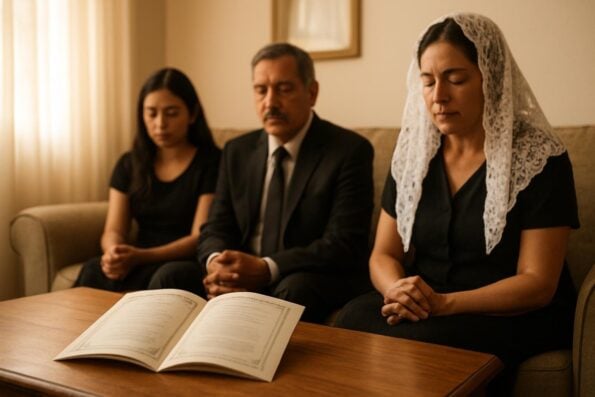
In many Western cultures—especially in North America and Europe—the traditional expectation for funeral attire is often black clothing, chosen for its association with solemnity and respect. Men are typically expected to wear dark suits, white shirts, and subdued ties, while women often opt for conservative dresses or suits in black or dark hues. These traditions reflect a general desire to avoid drawing attention to oneself, keeping the focus on the person being remembered.
DisciplePress is dedicated to helping families honor their loved ones with dignity and care. We offer Memorial Bookmarks, Funeral Programs and Prayer Cards to help you create meaningful tributes.
However, even within Western norms, there is a growing recognition of individuality and personal expression. For instance, some families may specifically request guests wear a loved one’s favorite color, or dress more casually for a “celebration of life” service. In these cases, including clear attire guidelines in a bi-fold program or 8-page program helps set expectations and ease attendees’ anxieties.
For those attending a Western-style funeral, several practical tips can help ensure appropriateness:
- Choose clothing that is modest and not attention-grabbing. Avoid bright colors unless requested.
- Opt for formal or semi-formal wear: suits, dresses, or slacks and blouses are all suitable.
- Pay attention to details: shoes should be clean and understated; accessories kept simple.
It’s important to remember that even within Western communities, traditions evolve and may vary by region, generation, or family preference. When in doubt, reaching out to the family, funeral director, or reviewing the details in the funeral program can provide welcome reassurance.
DisciplePress offers a wide variety of funeral programs, including tri-fold programs, 12-page programs, and booklet programs, which can include helpful notes about attire, making it easier for guests to navigate these sensitive decisions.
Black American Funeral Traditions: Dignity, Elegance, and Celebration
Black American funeral traditions blend reverence, spiritual heritage, and community strength. While black attire remains a symbol of mourning, funerals in these communities often combine solemnity with a celebratory spirit, reflecting a belief in rejoicing for a loved one’s homegoing. Attendees typically dress with care and dignity, sometimes wearing their absolute best as a tribute to the deceased.
For men, a dark suit, polished shoes, and a white or muted shirt are common. Women may choose elegant dresses, hats, or suits, often paired with understated jewelry. In some families, church hats or “crowns” are a cherished accessory, symbolizing respect and tradition. Children are also dressed thoughtfully, reflecting the seriousness of the occasion.
It’s not uncommon for families to personalize their services with specific requests—such as coordinated colors, matching ribbons, or attire that honors the deceased’s favorite style or sports team. These details are often communicated in the funeral program, or via memorial cards and text messages.
Tips for attending a Black American funeral:
- Dress in formal or semi-formal attire, favoring darker colors unless otherwise requested.
- Consider a hat or head covering if you are a woman, especially in traditional congregations.
- Read the funeral or angel themed program for any attire notes or requests for coordinated colors.
- When in doubt, err on the side of formality and modesty.
DisciplePress can assist families in making their attire wishes known through custom design services for funeral programs and prayer cards, ensuring guests feel comfortable and unified in honoring their loved one.
Asian Funeral Attire: White Symbolism and Regional Customs
Asian funeral attire varies greatly across countries and religious backgrounds, but one unifying theme is the symbolism of color. In many East Asian cultures, including Chinese, Vietnamese, and Korean traditions, white is considered the color of mourning, representing purity and the journey of the soul. Black, in contrast, can sometimes be associated with bad luck or is reserved for Western-style services.
At DisciplePress, we understand the importance of honoring your loved one’s memory. We offer Prayer Cards, Memorial Cards and Celebration of Life to help you create meaningful tributes.
For example, in Chinese funerals, mourners typically wear plain white clothing, sometimes with a small piece of blue or black as an accent. Avoiding red is crucial, as it symbolizes happiness and is considered inappropriate for mourning rituals. In Japanese Buddhist funerals, black is more common, often in the form of conservative suits or simple kimonos, reflecting a blend of Western and traditional norms.
Practical tips for attending an Asian funeral:
- Ask about preferred colors—white or black may be appropriate depending on the family’s tradition.
- Dress modestly, avoiding bright colors and elaborate patterns.
- If unsure, consult the family or refer to the funeral program for guidance.
- Consider purchasing or borrowing a white shirt or blouse for authenticity.
- Remove shoes when entering the home, if customary in the community.
In multicultural families, or for services that blend Asian and Western elements, families may use tri-fold programs or 16-page programs to clearly communicate attire requests and help attendees feel welcomed and prepared. DisciplePress offers custom design services to help families create programs that reflect their unique heritage and wishes.
Hispanic and Latin American Funeral Attire: Tradition and Vibrancy
Hispanic and Latin American funeral traditions reflect a rich blend of Catholic, indigenous, and local customs, each shaping expectations around attire. In many communities, black or dark clothing remains the standard for mourning, but some regions embrace white or even colorful garments for certain services, especially those seen as a “celebration of life.”
Men often wear dark suits, dress shirts, and conservative ties, while women may select dark dresses or skirts paired with shawls or mantillas, especially in Catholic communities. In some areas, family members might wear sashes, ribbons, or flowers in the loved one’s favorite color. For Día de los Muertos or memorials held after the funeral, vibrant attire and accessories may be appropriate, reflecting the joyous remembrance of ancestors.
Practical advice for Hispanic and Latin American funerals includes:
- Confirm expectations with the family or through the funeral program—black, white, or colorful attire may each be correct depending on the occasion.
- Women may wish to bring a shawl or head covering for Catholic services.
- Respect local customs, which may include bringing or wearing flowers.
- Consider including a celebration of life program or thank you cards to honor family traditions.
For multicultural families, clear communication is key. DisciplePress’s 8-page programs and memorial cards can include attire notes in bilingual or custom formats, ensuring every guest feels informed and included.
Jewish Funeral Attire: Simplicity, Modesty, and Sacred Tradition
Jewish funeral customs place a strong emphasis on humility, simplicity, and modesty. Attendees are generally expected to wear subdued, conservative clothing, with men often donning a suit and head covering (kippah or yarmulke), and women wearing modest dresses or skirts, with shoulders and knees covered. Black or dark colors are common, but the focus is less on color and more on understated respect.
Orthodox Jewish funerals may include additional customs, such as the wearing of a torn black ribbon (keriah) as a symbol of grief. At some services, family members may wear plain white garments, symbolizing purity and equality in death. In Reform or more modern congregations, attire may be less strict but still leans toward formality and modesty.
Practical tips for Jewish funerals:
- Choose modest, dark clothing; avoid bright colors and flashy accessories.
- Men should bring or request a head covering; women may also cover their heads in traditional settings.
- Read the funeral program or prayer card for guidance on customs such as keriah or specific attire requests.
- Comfort is important, as standing and walking are common during the service.
DisciplePress helps families honor these sacred traditions by providing faith-based programs, memorial bookmarks, and prayer cards that can respectfully explain customs and attire, ensuring attendees feel prepared and at ease.
Muslim Funeral Attire: Modesty, Simplicity, and Spiritual Values
Muslim funeral attire is guided by principles of modesty, humility, and respect for the deceased. Men typically wear long pants and long-sleeved shirts, preferably in white or muted, non-flashy colors. Women are expected to dress modestly, covering their arms, legs, and hair. Black is not a universal requirement, and white is often preferred for its association with purity.
At the service, shoes are generally removed before entering the prayer space. Attendees may see the body wrapped in a simple white shroud (kafan), reflecting the Islamic belief in equality before God. For those new to Islamic customs, the most important rule is modesty—avoid tight or revealing clothing, bright colors, or patterns that draw attention.
Tips for attending a Muslim funeral:
- Wear loose, modest clothing; women should bring a scarf to cover their hair.
- Choose white or neutral colors if possible; avoid red and bold prints.
- Remove shoes before entering the prayer area.
- Check the funeral program or prayer card for community-specific requests.
- If unsure, reach out to the family or funeral director for guidance.
DisciplePress supports families in communicating these traditions through custom design services, 20-page programs for large gatherings, and memorial cards that gently explain attire and customs to guests from all backgrounds.
Multicultural and Interfaith Services: Honoring Diversity with Clear Communication
As families and communities grow more diverse, many funerals today bring together attendees from a wide range of cultural and religious backgrounds. These services often seek to honor multiple traditions, blending attire customs or creating new, inclusive practices. For example, a family might request everyone wear white to reflect Asian heritage, while incorporating a moment of prayer from another tradition.
For guests, this can sometimes create confusion or anxiety about what is appropriate to wear. The most effective way to ease these concerns is through clear, compassionate communication. Including a note about attire in the funeral program—whether it’s a bi-fold, tri-fold, or 8-page program—can guide attendees in a gentle, supportive way.
Practical advice for multicultural and interfaith funerals:
- Work with your funeral program provider to clearly state attire requests, including color, formality, and any special customs.
- Use memorial cards or prayer cards to explain rituals or symbols that may be unfamiliar to some guests.
- Encourage open communication—invite guests to contact you or the funeral director with questions.
- Consider offering a note of reassurance in the program: “Your presence is more important than your attire.”
DisciplePress’s custom design services and funeral programs are designed to help families honor their unique stories while easing the worries of loved ones who want to show respect in the right way. Our rush order and same-day printing options help ensure you have the materials you need, even on short notice.
Related Articles
Conclusion: Respect, Remembrance, and Compassion Across Cultures
Navigating funeral attire for different cultures can feel daunting, but at its heart, the intention is always the same: to show respect, honor the memory of a loved one, and support the grieving family. Across the globe, traditions around color, style, and symbolism may differ, but every community shares a deep reverence for the farewell ritual.
Whether you are attending a Black American “homegoing,” an Asian white-clad ceremony, a Catholic Mass, a Jewish service, or a Muslim prayer, choosing attire with care is a meaningful gesture of solidarity and compassion. When in doubt, look for guidance in the funeral program or reach out to the family or funeral director.
At DisciplePress, we are dedicated to supporting families with funeral programs, memorial cards, bookmarks, and custom design services that help clarify expectations and bring comfort in times of sorrow. Our order online and same-day printing services ensure you have what you need, when you need it.
Remember, the most important thing you can bring to any funeral is your presence, your care, and your respect. If you have questions or need guidance, please contact us. We are honored to walk alongside you on this journey, honoring every legacy with compassion, dignity, and understanding.
Learn more about DisciplePress and our commitment to serving families. For personalized assistance, please contact us. We offer rush orders and same-day printing for urgent needs.