
 Free Shipping Over $50
  888-432-8363


 Obituary/Programs
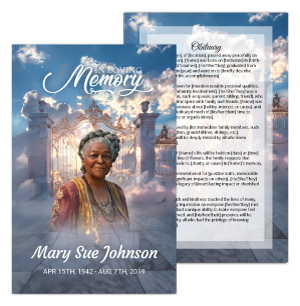 No-Fold Memorial Programs
 4 Page Funeral Programs
 8 Page Memorial Programs
 12 Page Funeral Programs
 16 Page Funeral Programs
 20 Page Funeral Programs
 Tri-Fold Funeral Programs
 Complete Memorial Packages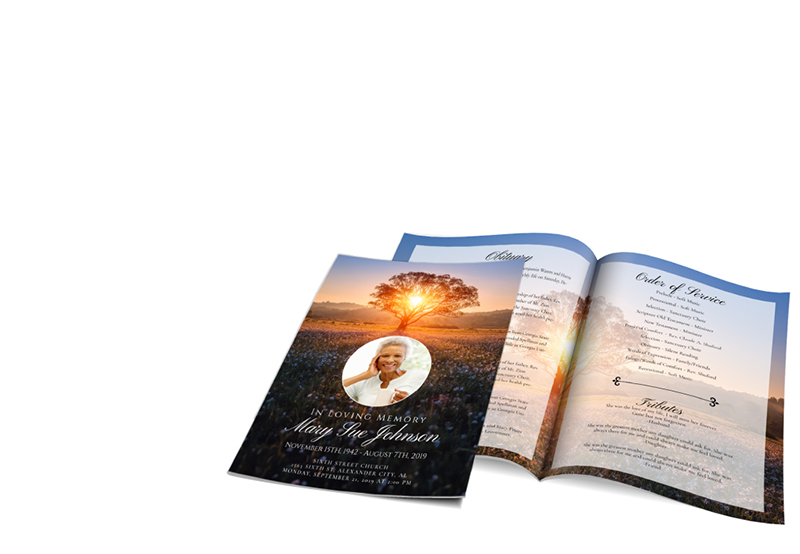
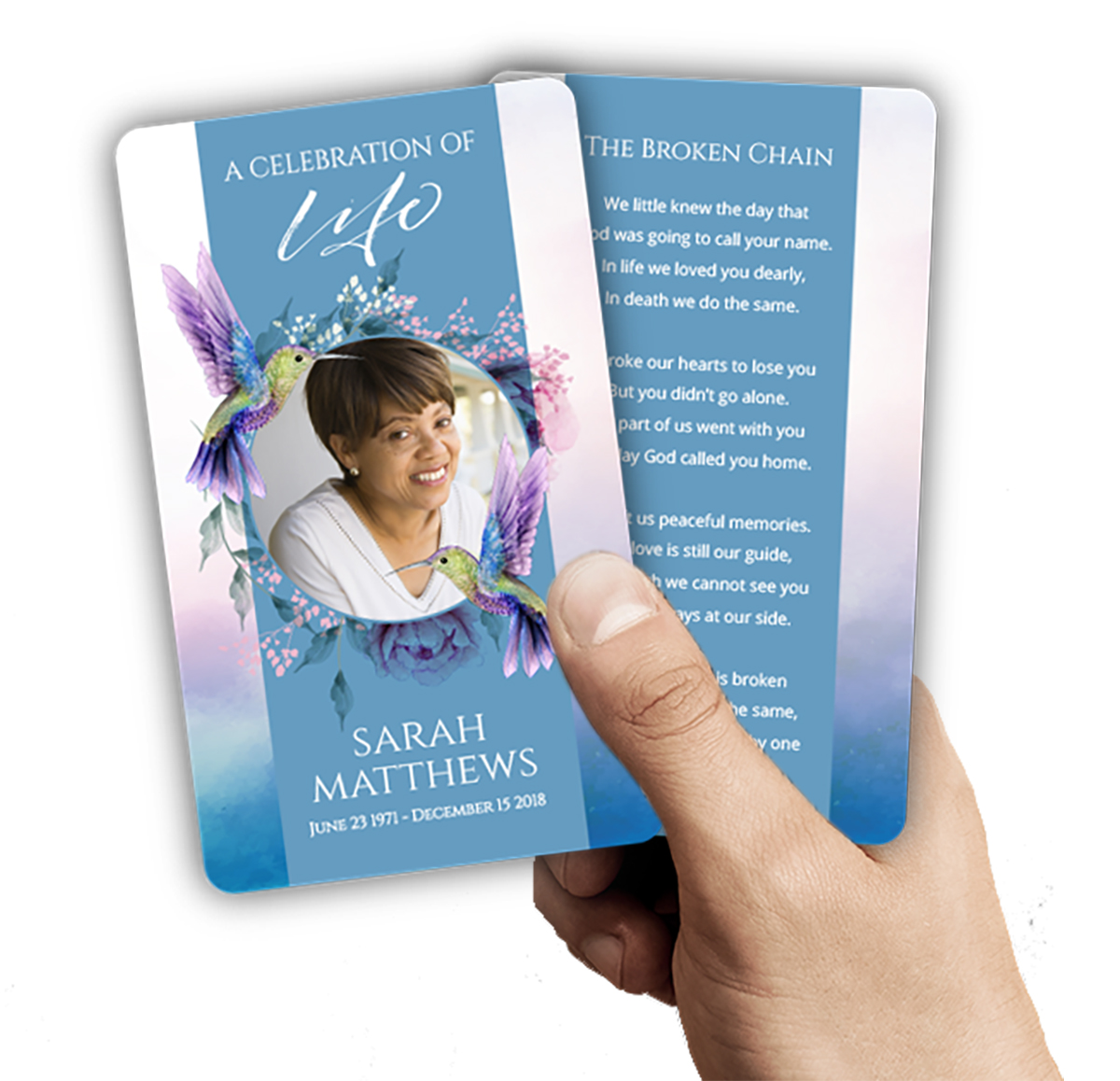 Cards & Bookmarks
 Saint Prayer Cards
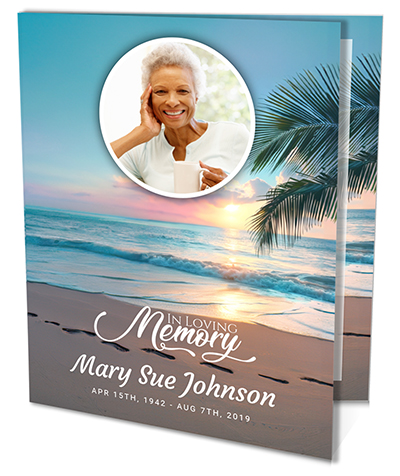 Folded Memorial Cards
 Folded Holy Cards
 Memorial Bookmarks
 Thank You Cards
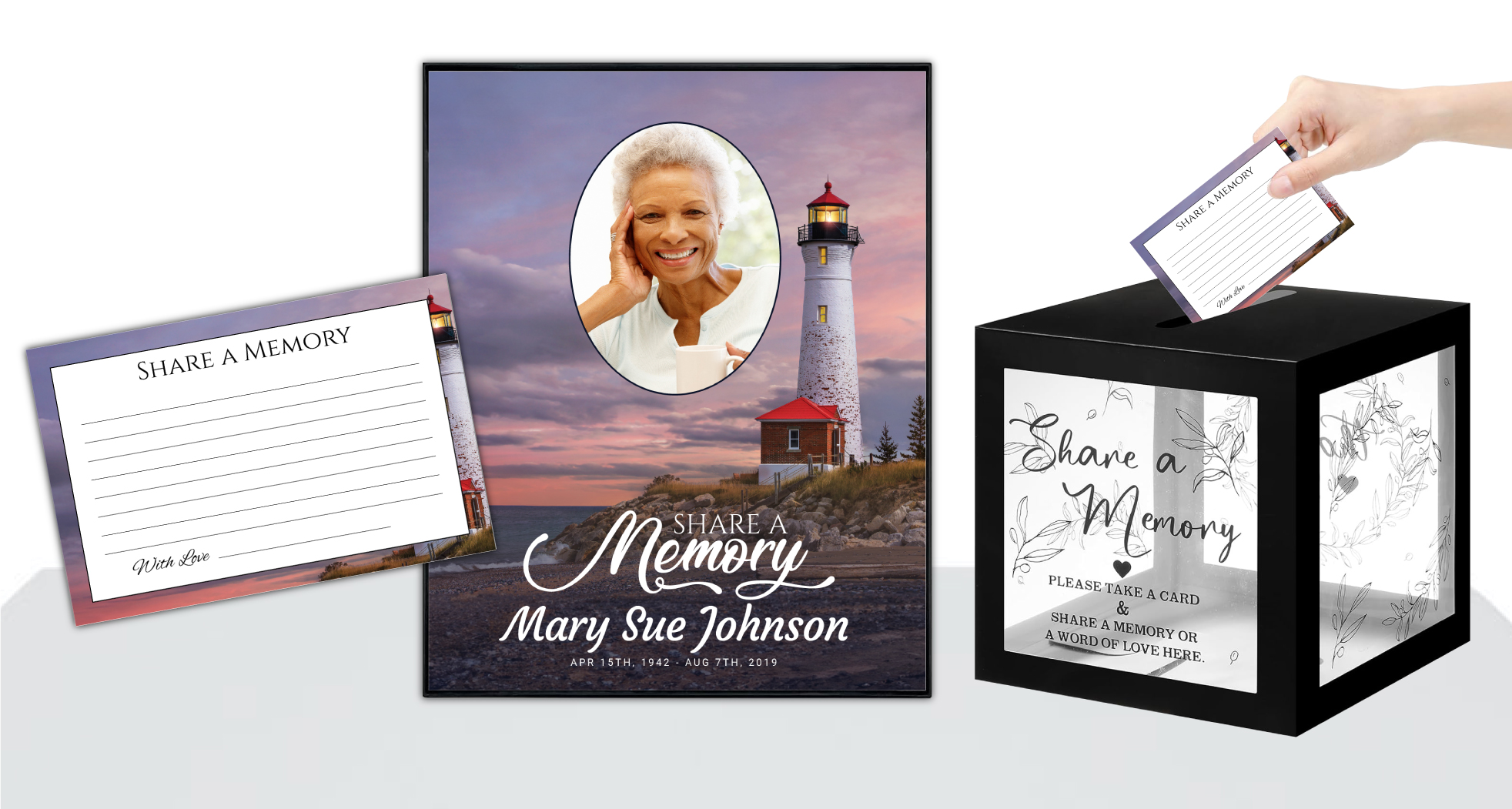 Share-A-Memory Cards
 Memorial Magnets
 Memorial Posters
 Guest Books
 Slide Shows
 Memorial Fans
 Death Announcements
 Take Away Keepsakes
 Church Products
Introduction
At DisciplePress, we understand the emotional journey you are currently navigating. Losing a loved one is an experience like no other, filled with a myriad of emotions and responsibilities. We are here to support you through this challenging time, offering compassionate guidance in every aspect of the memorial process.
One of these responsibilities that you may face is the task of writing a eulogy. This task, while daunting, offers a unique opportunity to honor your loved one and share their story in a meaningful way. It’s a tribute that can bring solace to the bereaved and celebrate the life lived.
In this comprehensive guide, we will walk you through the process of writing a eulogy that truly reflects the spirit of the person you are honoring. We will provide practical tips, real-world examples, and actionable advice to help you find the right words during this difficult time.
Our aim is to make this process as comforting and uplifting as possible, within the constraints of such a challenging time. We hope that by the end of this guide, you feel more confident and prepared to write a eulogy that does justice to your loved one’s memory.
Understanding the Purpose of a Eulogy

The first step in writing a eulogy is understanding its purpose. In essence, a eulogy is a speech given during a funeral or memorial service that celebrates the life of the deceased.
Creating a meaningful tribute for your loved one is an important part of the healing process. We offer Memorial Bookmarks, Funeral Programs and Prayer Cards to help you create meaningful tributes.
It serves to highlight their achievements, their personality traits, and the impact they had on the world around them. It’s your chance to share stories that illustrate who they were, painting a picture of their life for everyone present.
Creating a eulogy can also be a therapeutic process. It allows you to reflect on your loved one’s life, express your grief, and begin the healing process. While it’s undeniably difficult to encapsulate a person’s life in a speech, it’s a meaningful and cathartic way to say goodbye.
Many families choose to include the eulogy in their funeral programs, such as our custom 8-page programs or bi-fold programs, to create a lasting memory of the service and the words that were shared.
Gathering Your Thoughts and Memories
Before you begin writing, take some time to gather your thoughts and memories. Reflect on the individual’s life, their accomplishments, and the moments that defined them. This can involve discussing with family and friends, looking through photo albums, or simply sitting quietly with your thoughts.
Try to recall specific memories, stories or events that encapsulate their character and spirit. These can be happy, sad, funny, or simply everyday moments that were significant to you or them.
Remember, you’re not just recounting a biography; you’re telling a story. The aim is to depict the person in a way that resonates with all those who knew them, and even those who didn’t. This will provide a comforting foundation for your eulogy.
If you’re finding it difficult to recall memories or organise your thoughts, consider using one of our memorial bookmarks. You can jot down memories as they come to you, creating a beautiful keepsake in the process.
Structuring Your Eulogy
Once you’ve gathered your thoughts, you can start structuring your eulogy. A well-structured eulogy can guide your audience through the narrative of your loved one’s life, keeping them engaged and touched.
We’re committed to supporting you through this difficult time with meaningful memorial resources. We offer Prayer Cards, Memorial Cards and Folded Memorial Cards to help you create meaningful tributes.
Begin with an introduction where you express your relationship with the deceased and share your feelings about the honor of delivering their eulogy. This sets the tone and connects you with the audience.
The main body of the eulogy should then delve into the person’s life. This could be chronological, thematic, or a mixture of both. Consider focusing on their qualities, achievements, interests, and the impact they had on those around them.
End with a conclusion that offers a sense of closure. This could be a favorite quotation, a short poem, or a simple heartfelt statement. It’s also a good opportunity to express your own feelings of love and loss.
Remember to ensure your eulogy fits within the timeframe set by the funeral director or family. You don’t want to rush or skip important parts of your speech.
Writing with Honesty and Sensitivity
When writing a eulogy, it’s important to be honest and sensitive. This isn’t about glossing over the person’s flaws or exaggerating their virtues. It’s about capturing the essence of the person, warts and all.
Speak from the heart, and don’t be afraid to acknowledge the person’s shortcomings. This doesn’t mean focusing on the negative, but rather presenting a balanced and realistic picture of the individual.
Remember to be sensitive to the feelings of your audience. Avoid mentioning controversial or sensitive topics that could upset attendees. The goal is to comfort and unite those present in their shared grief and love for the deceased.
If you’re unsure about whether to include something, consult with other close family members or friends. It can be helpful to get their input and ensure the eulogy is respectful and appropriate.
Practicing the Delivery
Once you’ve written your eulogy, it’s important to practice delivering it. Reading it out loud can help you notice any awkward phrases or areas that need clarification. It also gives you a sense of the timing and flow of the speech.
Try to practice in front of a family member or friend to get feedback. This can also help you become more comfortable with the emotions that may arise during the actual delivery.
Remember, it’s okay to show emotion when delivering the eulogy. It’s a tough task, and it’s natural to be moved. If you feel like you might become too overwhelmed, consider asking someone to be ready to take over for you.
On the day of the service, have a printed copy of the eulogy with you. Our custom design services can create a beautiful printed version of your eulogy, providing you with a tangible keepsake of your tribute.
Conclusion
Writing a eulogy is an emotional journey that can be both challenging and therapeutic. By understanding the purpose of a eulogy, gathering your thoughts, structuring your speech, writing with honesty and sensitivity, and practicing your delivery, you can create a heartfelt tribute that truly honors your loved one.
We hope that this guide has provided you with a sense of direction and comfort during this difficult time. Remember, there’s no ‘right’ way to write a eulogy. Your words, spoken from the heart, will serve as a beautiful testament to your loved one’s life.
If you’re looking for additional support during this time, DisciplePress offers a range of services and products that can assist you. From our custom funeral programs to memorial bookmarks, we’re here to add a touch of beauty and personalization to your loved one’s memorial service.
Don’t hesitate to reach out to us for assistance. We’re here to support you every step of the way, offering same-day printing and rush orders to ensure everything is ready for the service.
While this is undoubtedly a difficult journey, remember that you are not alone. Your loved one’s memory lives on in your heart and the hearts of those they touched. In honoring them with your words, you are keeping their spirit alive. Learn more about DisciplePress and our commitment to serving families. Browse our design gallery for inspiration. For personalized assistance, please contact us.