
 Free Shipping Over $50
  888-432-8363


 Obituary/Programs
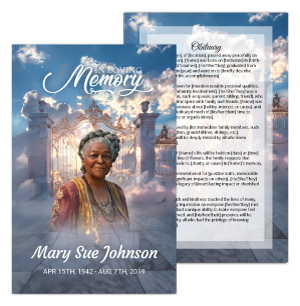 No-Fold Memorial Programs
 4 Page Funeral Programs
 8 Page Memorial Programs
 12 Page Funeral Programs
 16 Page Funeral Programs
 20 Page Funeral Programs
 Tri-Fold Funeral Programs
 Complete Memorial Packages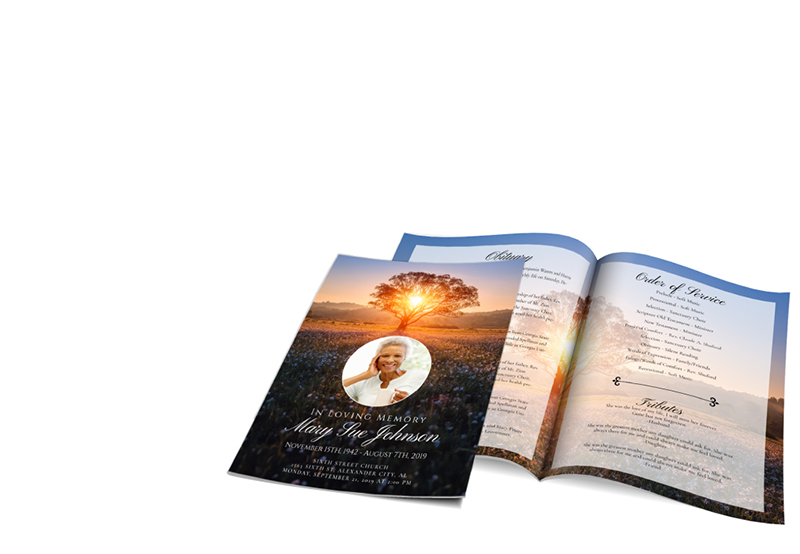
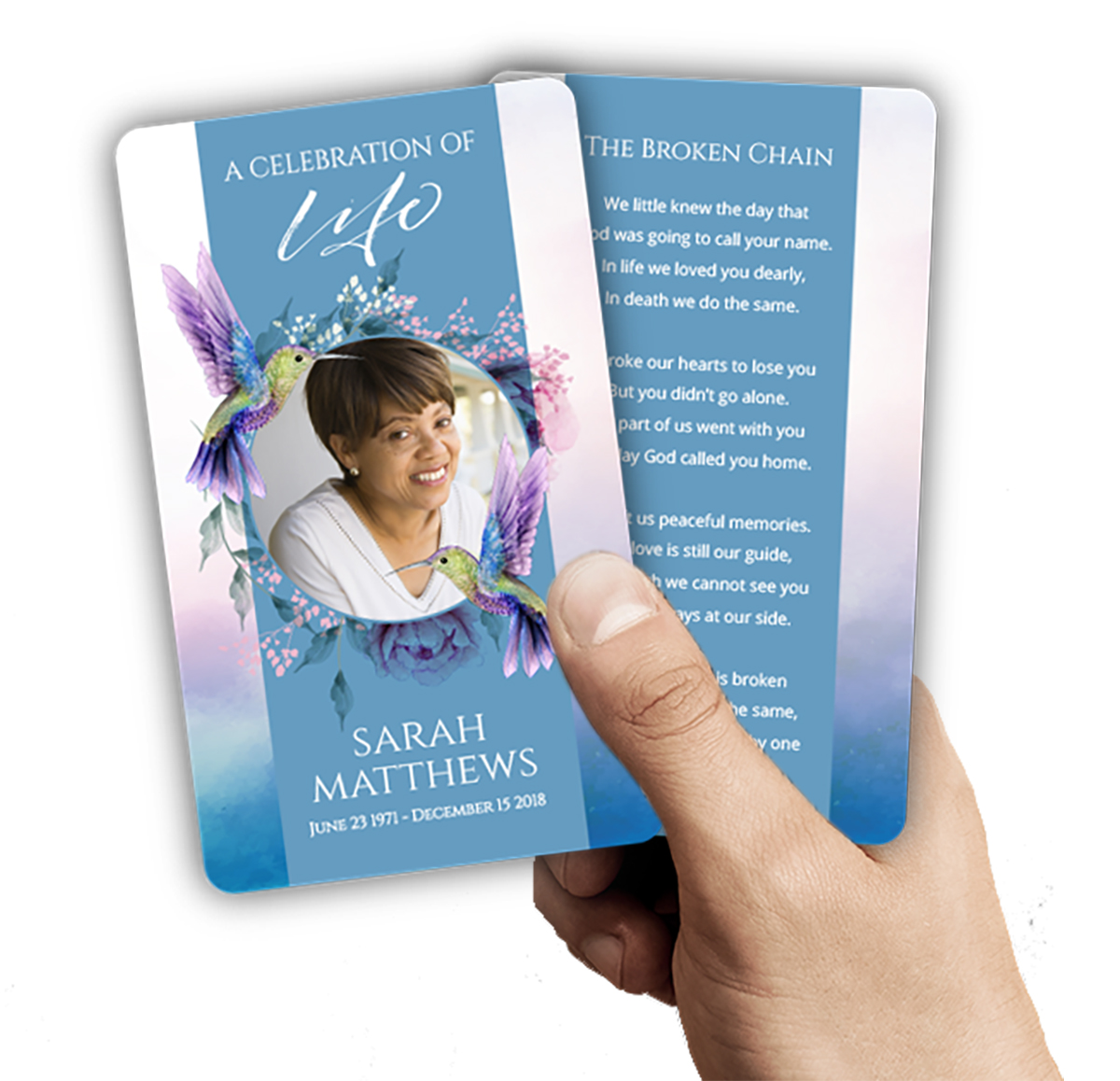 Cards & Bookmarks
 Saint Prayer Cards
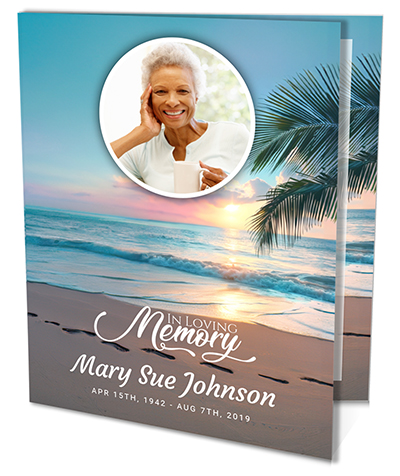 Folded Memorial Cards
 Folded Holy Cards
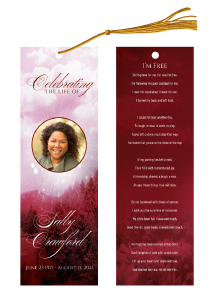 Memorial Bookmarks
 Thank You Cards
 Share-A-Memory Cards
 Memorial Magnets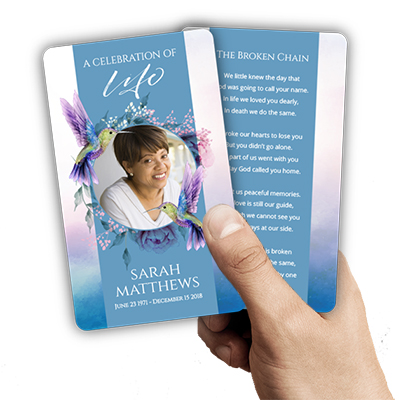
 Memorial Posters
 Guest Books
 Slide Shows
 Memorial Fans
 Death Announcements
 Take Away Keepsakes
 Church Products
Introduction
We understand that you are going through a difficult time, and we want you to know that we are here to support you. One of the tasks you may be faced with is writing an obituary for your loved one, an important part of the mourning process that helps to honor the person’s life while informing others of their passing. The obituary is not just an announcement; it is a story of the person’s life, their achievements, and their impact on others.
Writing an obituary can be overwhelming, especially when you’re dealing with grief. However, it can also serve as a cathartic process, allowing you to reflect on the life and memories of your loved one. In this article, we will guide you through each step of the process, providing practical tips and advice to make it a bit easier.
We will also discuss how the obituary can be beautifully incorporated into our various funeral programs, such as bi-fold or tri-fold programs, and larger booklet programs of 8, 12, 16, or 20 pages. We will also mention our Free Obituary Writing assistant tool which can provide additional aid during this challenging time.
Our ultimate aim is to help you create a fitting tribute to your loved one that provides comfort, connection, and a lasting memory.
Understanding the Purpose of an Obituary
Before we delve into the steps of writing an obituary, it’s important to understand its purpose. An obituary is more than just an announcement of death; it serves multiple roles. It informs friends, relatives, and the wider community about the passing of a loved one. It provides information about the funeral or memorial service, and it celebrates the life lived, capturing the essence of the person and their impact on the world.
Creating a meaningful tribute for your loved one is an important part of the healing process. We offer Obituary Templates, Bi-Fold Programs and Tri-Fold Programs to help you create meaningful tributes.
It’s also essential to remember that an obituary becomes a part of history, a document that future generations might look to when researching family history. Therefore, while it’s a difficult task, it’s also a chance to celebrate your loved one’s unique life story and their personal legacy.
Lastly, the process of writing an obituary can be therapeutic. It allows you to reflect on your loved one’s life and remember the happy times, achievements, and the love you shared. This reflection can be a vital part of the healing process.
When writing, keep these purposes in mind to guide you in creating a meaningful tribute.
Gathering Information
The first step in writing an obituary is to gather all the relevant information about the deceased. This includes basic information such as their full name, date of birth, and place of birth. Also, include details about their family, education, career, hobbies, and any notable accomplishments or contributions.
Talk to family members and close friends to get a fuller picture of the person’s life. They might share stories or details that you were unaware of, which could add depth to the obituary. Make sure to also gather details about the funeral arrangements, such as the date, time, and location of the service, as well as any specific requests for flowers or donations.
Remember, this isn’t just a list of facts. It’s a narrative that captures the essence of your loved one. Include personal anecdotes or quotes that exemplify their character and spirit.
As you gather this information, consider how it will fit into the funeral program. For example, a longer, more detailed obituary might be best suited to a larger booklet program, such as a 12-page or 16-page program.
Structuring the Obituary
Once you have all the necessary information, the next step is to structure the obituary. While there is no definitive format, most obituaries follow a general structure: Introduction (including death notice), Life Story, Family, Service Details, and Special Messages or Requests.
Every memorial should reflect the unique life and legacy of your loved one. We offer Tri-Fold Programs, Memorial Cards and Folded Memorial Cards to help you create meaningful tributes.
The Introduction typically includes the full name of the deceased, their age, place of residence, and sometimes the cause of death. The Life Story section is where you share the story of the person’s life, their achievements, and what they will be remembered for.
The Family section lists close family members, both surviving and predeceased. Service Details provide information about the funeral or memorial service, while the Special Messages section may include thank you notes, requests for donations in lieu of flowers, or other specific messages from the family.
Consider the length and depth of each section as you plan the layout of your funeral program. For instance, a concise obituary might fit nicely into a bi-fold program, while a more comprehensive life story could require an 8-page or larger program.
Writing the Obituary
With all the information at hand and a structure in place, you can now begin writing the obituary. Start with a draft and don’t worry about getting everything perfect the first time. Write from the heart, and remember, this is a tribute to your loved one.
Keep the tone respectful and warm. It’s okay to include humor if it suits the person’s character, but balance it with the somber reality of the situation. Use active rather than passive voice to keep the writing engaging. For example, instead of writing “she was loved by all,” write “all who knew her loved her.”
Write in the third person, and try to keep the obituary concise and focused. Avoid overly flowery language or clichés. The most important thing is to be genuine and truthful.
In the process of writing, if you feel overwhelmed or stuck, remember that we offer a Free Obituary Writing assistant tool to provide further guidance.
Proofreading and Review
Once the obituary is written, take some time to review and edit it. Check for any grammatical errors, typos, or inaccuracies. Read it out loud to see how it flows, and consider asking a trusted friend or family member to read it through.
Make sure all the information is correct, especially dates, names, and details about the funeral service. It’s essential that the obituary is accurate, as it will be a lasting record of your loved one’s life.
As you review, consider how the obituary will look in the funeral program. Remember, we offer various formats, from bi-fold and tri-fold programs to larger booklet programs, to accommodate different lengths and styles of obituaries.
Conclusion
Writing an obituary is a task filled with emotion. It’s a chance to reflect on your loved one’s life, honor their achievements, and share their story with others. While it can be challenging, we hope that this guide has provided you with practical tips and guidance to make the process a bit easier.
Remember to use the obituary as an opportunity to celebrate the life lived, rather than just announce a death. Include personal anecdotes, highlight their unique qualities, and convey the impact they had on those around them.
Once the obituary is written, it can be beautifully showcased in one of our various funeral programs. Whether you choose a simple bi-fold program or a larger booklet, the obituary will serve as a central piece of the memorial service, and a keepsake for attendees to take home and remember.
If you need further assistance, don’t hesitate to reach out to us or use our Free Obituary Writing assistant tool. We are here to support you during this difficult time, and to help you create a fitting tribute to your loved one.
Lastly, remember that it’s okay to feel a wide range of emotions during this process. Grief can be overwhelming, but it can also be a journey of healing and reflection. We hope that in writing the obituary, you find some measure of comfort and peace. Learn more about DisciplePress and our commitment to serving families. Browse our design gallery for inspiration. For personalized assistance, please contact us.