 Free Shipping Over $50
 888-432-8363



 Obituary/Programs
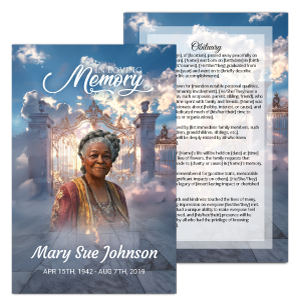 No-Fold Memorial Programs
 4 Page Funeral Programs
 8 Page Memorial Programs
 12 Page Funeral Programs
 16 Page Funeral Programs
 20 Page Funeral Programs
 Tri-Fold Funeral Programs
 Complete Memorial Packages
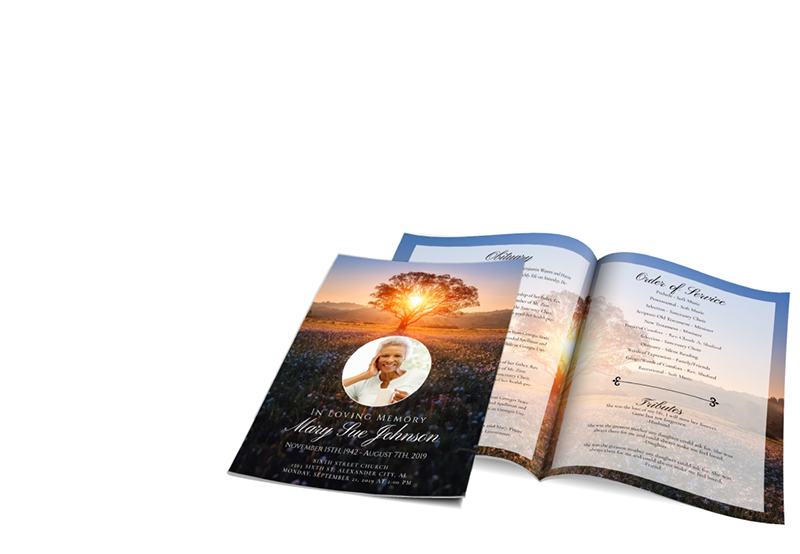
 Cards & Bookmarks
 Saint Prayer Cards
 Folded Memorial Cards
 Folded Holy Cards
 Memorial Bookmarks
 Thank You Cards
 Share-A-Memory Cards
 Memorial Magnets
 Memorial Posters
 Guest Books
 Slide Shows
 Memorial Fans
 Death Announcements
 Take Away Keepsakes
 Church Products

Introduction: Honoring a Life with Careful Words
Losing a loved one is an experience that brings profound grief, and the responsibility of writing an obituary can feel overwhelming in these tender moments. The obituary serves as a lasting tribute—an opportunity to capture the essence of someone’s life and convey their story to all who knew them. Yet, as we strive to honor those we’ve lost, it’s easy to worry about making mistakes or leaving out important details. These concerns are completely natural, especially when emotions are running high and time feels short.
At DisciplePress, we understand that every word matters. Crafting an obituary is not just a practical step in funeral preparations—it is a deeply meaningful act of remembrance. Families, funeral directors, and friends often come to us seeking guidance on how to avoid common pitfalls and ensure that their written tribute reflects the love and respect they feel. We are here to support you through this process, providing the expertise and compassion you need when you need it most.
In this comprehensive guide, we will walk alongside you as you navigate the challenges of obituary writing. We’ll explore frequent mistakes, from missing vital facts to using language that doesn’t capture the heart of your loved one’s story. You’ll find practical examples, gentle tips, and clear answers to help you feel confident, even in the midst of sorrow. Our goal is to lift some of the burden from your shoulders, so you can focus on celebrating a life well-lived.
As you read, you’ll learn how to approach the obituary thoughtfully, avoid common errors, and create a tribute that becomes a cherished keepsake for family and friends. Whether you’re creating a bi-fold funeral program, compiling an obituary for a booklet, or using our obituary templates and custom design services, this article will provide the reassurance and practical help you need.
Section 1: Understanding the Purpose of an Obituary

Before putting pen to paper, it’s helpful to understand what an obituary truly represents. More than just a notice, an obituary is a celebration of life—a written memorial that shares the story of your loved one’s journey and the legacy they leave behind. Obituaries appear in funeral programs, on memorial cards, and in online tributes, each serving a unique audience and purpose.
A common mistake is to treat the obituary as a formality, focusing solely on basic facts and omitting the personal touch that gives it meaning. Instead, consider what you want readers to remember: Is it your loved one’s kindness, their humor, their devotion to family or community? Reflecting on these qualities helps shape a narrative that feels authentic and heartfelt.
Another pitfall to avoid is using language that is too formal or distant. While it’s important to remain respectful, don’t be afraid to share anecdotes or special memories. For example, “She never missed her grandchildren’s school plays” paints a vivid picture and brings warmth to the words. These stories can be included in funeral programs of all types—from simple bi-folds to 16-page booklets—ensuring the obituary connects with every reader.
Remember, the obituary is both a public announcement and a personal tribute. Strike a balance by including essential details—such as birth and death dates, relationships, and service information—alongside the unique elements that made your loved one special. Taking this thoughtful approach will guide your words and set the tone for the rest of the obituary-writing process.
Section 2: Gathering Accurate and Complete Information
One of the most frequent obituary writing mistakes is overlooking key facts or including inaccurate information. In times of grief, memories can blur and details may be forgotten, which is why it’s essential to take a methodical approach. Start by gathering all necessary details: full name, date and place of birth, date and place of death, and significant milestones such as education, career, military service, and community involvement.
Involving close family members or friends in this process can help ensure accuracy and completeness. Ask others to review your notes or contribute their memories. This collaborative effort not only strengthens the obituary but also involves the family in a healing way. For example, a sibling might recall a childhood story or a grandchild may remember a favorite saying that you want to include.
It’s also wise to double-check information before submitting the obituary for printing or publication. Details such as the spelling of names, titles, and organizations should be confirmed, as mistakes can be difficult to correct after printing. When using DisciplePress for your funeral programs or memorial cards, our custom design services and online proofing process allow you to review and request changes, ensuring your tribute is just right before finalizing.
Consider creating a checklist of all elements to include, from survivors’ names to the location and time of the memorial service. This helps prevent omissions and provides peace of mind, especially if you’re preparing a more detailed 8-page or 12-page program. Taking these steps means your loved one’s story will be told with the care and accuracy it deserves.
Section 3: Avoiding Generic Language and Clichés
It’s natural to reach for familiar phrases when we’re at a loss for words, but overusing clichés and generic language can unintentionally diminish the uniqueness of your loved one’s story. Phrases like “She will be missed by all” or “He was a friend to everyone” may ring true, but they don’t capture the specific qualities that made your loved one extraordinary.
Instead, aim for vivid, personal descriptions that honor the individual’s character. Think about what set them apart—perhaps their unwavering faith, their knack for gardening, or their talent for making everyone laugh. These details help readers connect emotionally and remember the person for who they truly were. For example, you might write, “John’s kitchen was always filled with the aroma of his famous cinnamon rolls, baked with love for friends and family.”
Another tip is to avoid language that feels impersonal or formulaic. While templates and online tools (like DisciplePress’s obituary templates) can help get you started, personalize the content with stories or phrases unique to your loved one. In booklet programs or celebration of life programs, using such language ensures that each printed keepsake feels meaningful.
If you find yourself slipping into generic statements, pause and ask, “What would my loved one want people to remember most?” Let your words reflect their passions, values, and the impact they had on others. By steering clear of clichés and embracing specificity, you create a tribute that resonates far beyond the page.
Section 4: Being Thoughtful with Sensitive Details
One of the most delicate aspects of obituary writing is deciding which details to share and which to keep private. It’s a common mistake to include sensitive information without considering the wishes of the family or the potential impact on readers. For example, the cause of death is often omitted unless the family feels strongly about including it, or if it serves an important purpose such as raising awareness.
Before finalizing the obituary, have an open conversation with close relatives about what feels appropriate to share. This is especially important when addressing complex family relationships, estrangements, or blended families. You may choose to list survivors and predeceased loved ones in a way that acknowledges everyone respectfully, without delving into painful details.
When creating programs for children or for those who have passed under difficult circumstances, extra care and sensitivity are required. DisciplePress offers custom design services to help you navigate these complex decisions, ensuring your obituary and funeral program reflect your family’s wishes and values.
If you’re unsure about how much to include, err on the side of privacy. Remember, the obituary is a public document that will be read by many people. Focus on celebrating the person’s positive qualities and relationships, and let discretion be your guide. This approach brings comfort to grieving families and upholds the dignity of the person being remembered.
Section 5: Balancing Brevity and Depth
Striking the right balance between brevity and depth is a challenge for many obituary writers. Some families worry about being too brief, while others fear overwhelming readers with too much information. The key is to focus on the highlights of your loved one’s life, choosing details that are both meaningful and relevant.
A concise obituary is sometimes necessary for newspaper publications, but funeral programs, especially 8-page or 12-page formats, allow for more space to tell the person’s story. Start with the essentials, then add a few anecdotes, quotes, or achievements that paint a fuller picture. For example, mentioning a lifetime of community service or a beloved family tradition can add richness without making the obituary too lengthy.
If you’re using a DisciplePress template or custom program, consider the layout and available space. Our bi-fold and tri-fold programs are ideal for shorter obituaries, while booklet programs offer more room for memories, photos, and additional tributes. This flexibility allows you to tailor the obituary to your needs and the preferences of your family.
To avoid overwhelming yourself or readers, outline the obituary before writing it in full. Focus on one or two key stories, and use gentle transitions to move from one section to another. If you’re unsure whether you’ve included too much or too little, ask a trusted friend or funeral director for feedback. Remember, what matters most is that your loved one’s essence shines through.
Section 6: Double-Checking for Consistency and Clarity
Clarity and consistency are vital for an obituary that is easy to read and understand. In the midst of grief, it’s easy to overlook small errors or inconsistencies, such as using nicknames in one section and formal names in another, or listing family members in a confusing order. These mistakes can cause confusion or even pain for those reading the tribute.
To avoid these pitfalls, review the obituary carefully, paying attention to the sequence of events, dates, and relationships. Consistently use the same style for names and titles throughout the text. For example, if you refer to someone as “Uncle Mike” in one paragraph, don’t switch to “Michael” later on unless there’s a clear reason.
If you’re creating a series of memorial items—such as funeral programs, prayer cards, and memorial bookmarks—ensure that the information matches across all pieces. DisciplePress offers a proofing process that allows you to check each item before printing, reducing the risk of mistakes. Our same-day printing and rush orders also allow for corrections to be made quickly if needed.
A helpful practice is to read the obituary aloud or have another person review it for clarity. Sometimes, what makes sense in your mind may be confusing to others. Taking this extra step ensures that your words are not only accurate but also accessible and comforting to every reader.
Section 7: Personalizing with Meaningful Touches
Adding personal touches is what transforms an obituary from a simple announcement into a cherished keepsake. This might include a favorite poem (from our Funeral Poems Collection), a brief Bible verse, or a meaningful quote. These elements offer comfort to those who mourn and help capture the spirit of the person being remembered.
Consider including a special message or expression of gratitude towards caregivers, friends, or community members who provided support. For example, a note of thanks to a hospice team or a beloved pastor can be included in the obituary or within the funeral program. DisciplePress offers a variety of memorial cards and thank you cards to help convey these sentiments.
Another way to personalize is by selecting photos that reflect different aspects of your loved one’s life. Our custom design services can assist you in choosing images that fit beautifully within any format, from simple 8-page programs to more elaborate 20-page booklets. The addition of these visual elements creates a multi-dimensional tribute that family and friends will treasure.
Finally, remember that every family and culture has its own traditions and preferences. Whether you prefer a faith-based program, an angel-themed design, or a nature-themed backdrop, DisciplePress can help you create a tribute that aligns with your loved one’s beliefs and personality. These meaningful touches make the obituary—and the entire memorial experience—uniquely yours.
Conclusion: Moving Forward with Comfort and Confidence
Writing an obituary is a deeply personal act of love and remembrance. As you reflect on your loved one’s life, remember that it’s natural to feel uncertain or emotional during this process. By understanding common mistakes and approaching each step with care, you can create an obituary that honors their memory with dignity and warmth.
Take your time, involve family members, and don’t hesitate to seek support from professionals. At DisciplePress, we are here for you every step of the way, offering a range of customizable funeral programs, memorial cards, and keepsakes that help tell your loved one’s unique story. Our same-day printing and attentive customer service ensure that you can focus on what matters most—celebrating a life well-lived.
If you’re unsure where to start, our Obituary Writing Assistant and custom design services are available to guide you. Whether you need a simple bi-fold program, a detailed 16-page booklet, or a set of prayer cards, we can help bring your vision to life with compassion and respect.
Above all, know that you are not alone. Every word you write, every story you share, is a testament to love and memory. If you have questions or need further assistance, please contact us—we are honored to support you during this tender time.
Related Articles
Frequently Asked Questions
How do I know what information to include in an obituary?
Start with the basics: full name, birth and death dates, family members, and details about the memorial service. Then, add personal touches—such as hobbies, achievements, or community involvement—that made your loved one unique. Involving family members and using a checklist can help ensure nothing important is missed.
Should I mention the cause of death in the obituary?
Including the cause of death is a personal decision. Some families choose to share this information for awareness or closure, while others prefer to keep it private. Discuss with close relatives and consider what feels most appropriate for your family and your loved one’s wishes.
What if I make a mistake after the obituary is printed?
Mistakes happen, especially in times of grief. If you notice an error after printing, contact your printer as soon as possible. At DisciplePress, our proofing process and responsive team can often make corrections quickly, especially with our same-day printing and rush order options.
Can I use templates to help write the obituary?
Yes, templates can provide a helpful structure, especially if you’re unsure where to start. However, always personalize the content to reflect your loved one’s life and personality. DisciplePress offers a variety of obituary templates and custom design services to make this process easier.
How can I involve family members in the obituary writing process?
Invite family members to share stories, review drafts, or suggest special memories to include. This collaborative approach ensures the obituary is complete and meaningful, and it can also be a healing experience for everyone involved.