 Free Shipping Over $50
  888-432-8363


 Obituary/Programs
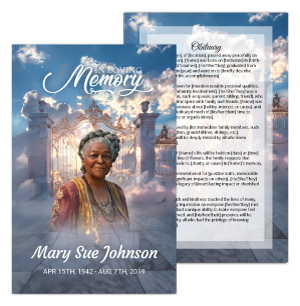 No-Fold Memorial Programs
 4 Page Funeral Programs
 8 Page Memorial Programs
 12 Page Funeral Programs
 16 Page Funeral Programs
 20 Page Funeral Programs
 Tri-Fold Funeral Programs
 Complete Memorial Packages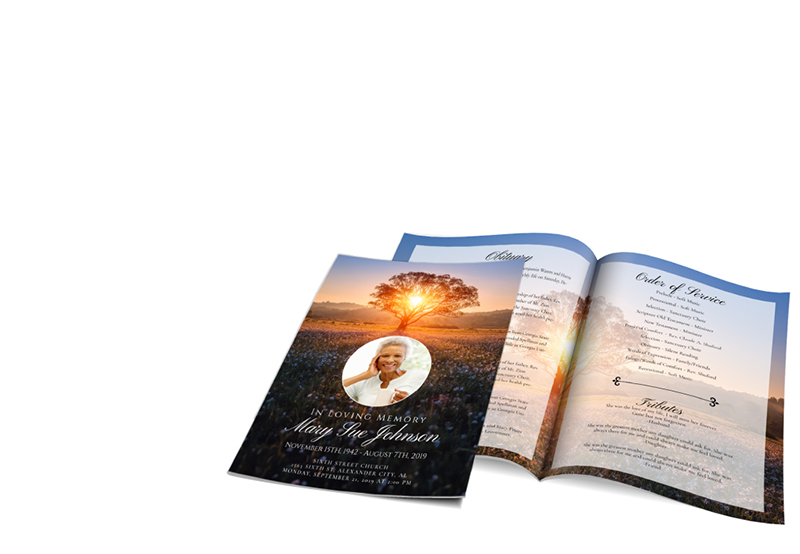
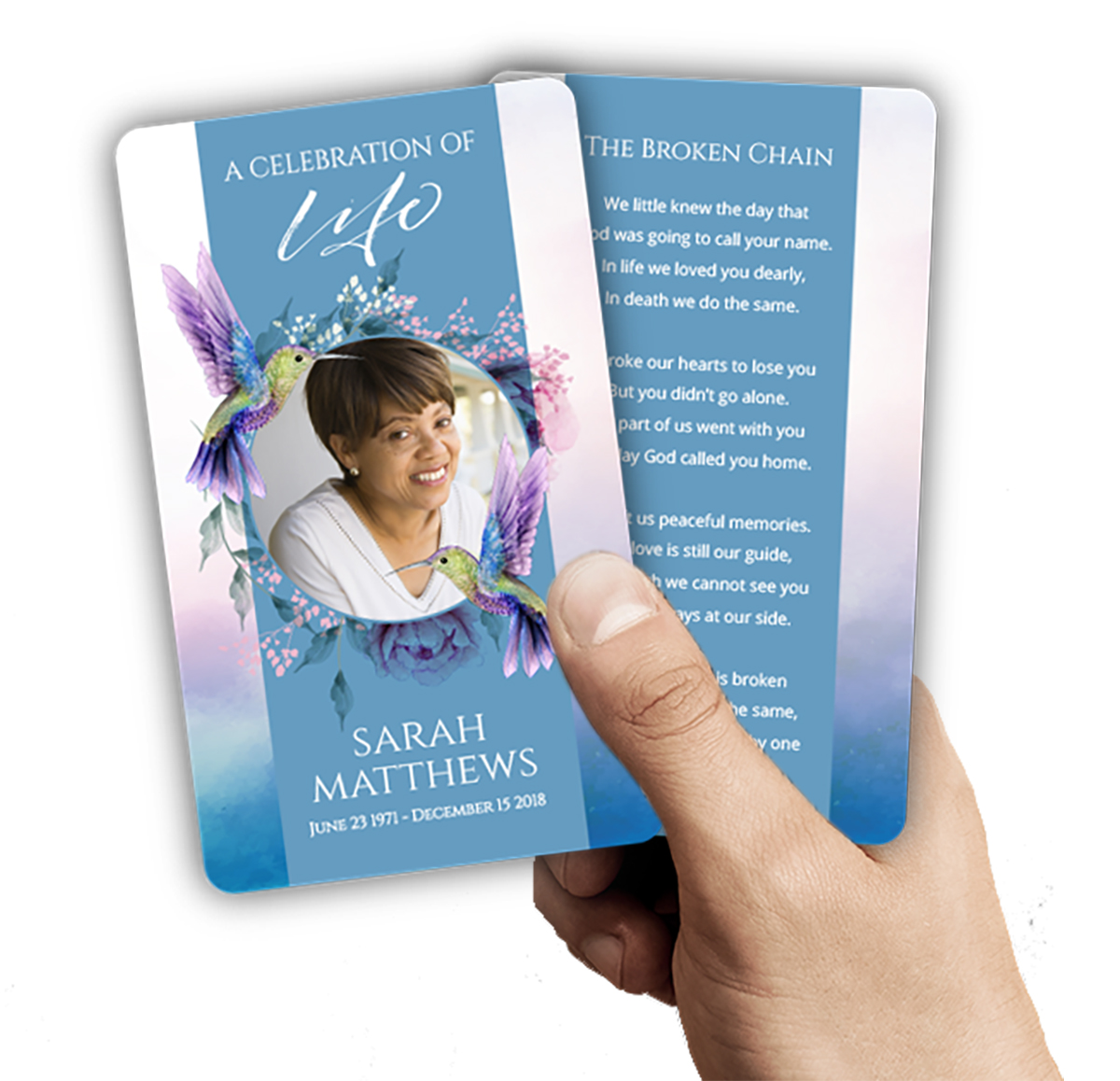 Cards & Bookmarks
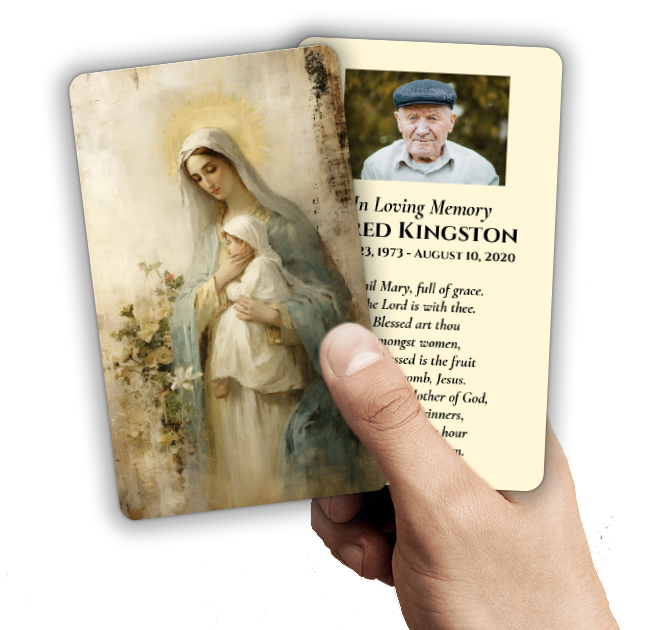 Saint Prayer Cards
 Folded Memorial Cards
 Folded Holy Cards
 Memorial Bookmarks
 Thank You Cards
 Share-A-Memory Cards
 Memorial Magnets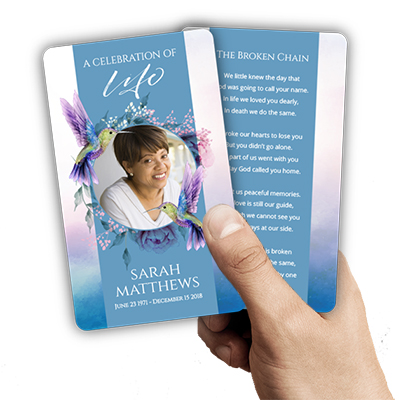
 Memorial Posters
 Guest Books
 Slide Shows
 Memorial Fans
 Death Announcements
 Take Away Keepsakes
 Church Products
Honoring Lives and Building Community Memory: The Importance of Church Memorial Program Archives
When a loved one passes, the grief can feel overwhelming and isolating. Many churches, often the heart of their communities, seek ways to comfort families and support them through the journey of loss. One meaningful approach is creating a church memorial program archive, a gentle and lasting way to honor the lives of those who have shaped the congregation. By preserving funeral programs and related keepsakes, churches can provide a touchstone for memories, reflection, and ongoing connection.
Establishing these archives goes far beyond record-keeping. It is about cherishing stories, strengthening bonds across generations, and offering solace to those navigating bereavement. As time passes, these collections become sacred resources—repositories of love, faith, and community history. They enable families and the broader congregation to revisit cherished moments, celebrate individual legacies, and recognize the enduring impact of each soul.
In this comprehensive guide, we’ll explore why and how churches can thoughtfully establish and maintain memorial program archives. We’ll address essential steps for gathering, organizing, and safeguarding funeral programs in formats such as bi-fold programs, tri-fold programs, and 8-page booklets. We’ll also discuss privacy considerations, access strategies, and practical examples to help your church create an archive that honors both individual and collective memory.
Whether you are a church leader, archivist, or caring member of a congregation, this article is designed to offer practical, sensitive, and detailed support. Together, we can create spaces of remembrance that bring comfort, foster community, and preserve the rich tapestry of your church’s story for generations to come.
Laying the Foundation: Why Every Church Should Consider a Memorial Program Archive
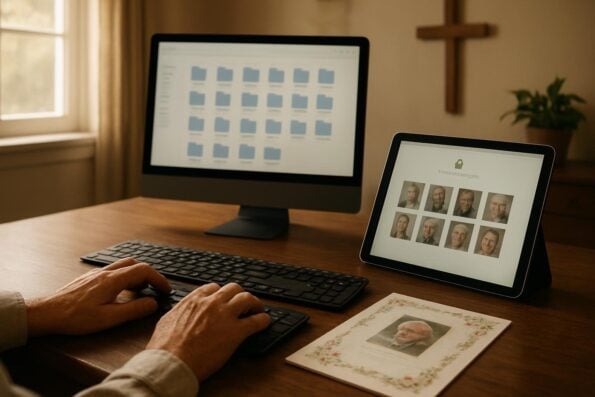
Churches are often the keepers of their community’s most treasured moments—weddings, baptisms, celebrations of life, and funerals. Creating a church memorial program archive gives these meaningful milestones a permanent home, allowing the congregation to remember, reflect, and honor those who have gone before. Such an archive can be an invaluable source of comfort and connection for families, especially when grief feels overwhelming.
We’re committed to supporting you through this difficult time with meaningful memorial resources. We offer Memorial Bookmarks, Funeral Programs and Prayer Cards to help you create meaningful tributes.
Archiving funeral programs—whether traditional bi-fold programs, tri-fold programs, or more extensive 12-page and 16-page booklets—serves not only as a tribute to individuals but also as a living history of the church itself. Over time, these archives become a collective memory, illustrating the diversity of lives and stories woven into the fabric of your congregation. They can also reveal patterns of faith, service, and love that have shaped the community’s journey.
For families, knowing that their loved one’s story is carefully preserved can be deeply reassuring. A memorial archive allows descendants and friends to revisit those stories, draw inspiration, and find comfort in shared memories. For the church at large, it fosters a sense of continuity—reminding everyone that each life is valued and remembered.
Practical considerations also come into play. Having a well-organized archive makes it easier to respond to requests from family members, researchers, or future generations interested in genealogy and family history. As you embark on this journey, remember that your efforts are not just administrative—they are acts of ministry, compassion, and stewardship.
If you’re just beginning or seeking to enhance an existing collection, know that every step—gathering, organizing, and preserving—contributes to a legacy of care. The following sections will offer detailed, step-by-step guidance to help you build an archive that is respectful, accessible, and enduring.
Gathering and Cataloguing: Building the Initial Collection
The first step in creating a church memorial program archive is to thoughtfully gather funeral programs and related keepsakes. Start by reaching out to families who have recently held services at your church. With sensitivity, invite them to contribute bi-fold programs, tri-fold programs, or 8-page and 12-page programs they may have kept. Emphasize that sharing these materials is entirely voluntary and will be handled with the utmost care and respect.
Don’t overlook the wealth of programs already in the church’s possession. Check with your pastoral staff, administrative team, and long-time members—often, several copies of memorial cards, prayer cards, and celebration of life programs may be tucked away in files or storage rooms. Create a simple log or spreadsheet to track what you’ve collected, including details like the name of the deceased, date of service, and type of program received.
As you gather, consider including related items such as memorial bookmarks, thank you cards, or folded memorial cards. These additional keepsakes can enrich the archive and provide a fuller picture of each individual’s life and the community’s response. If possible, request digital copies of funeral programs, as these are easier to duplicate and preserve long-term.
Develop a standardized method for cataloguing each item. Assign a unique identifier or code to every program and related keepsake. Attach a brief description, noting the deceased’s relationship to the church, special contributions, or connection to church ministries. This information will be invaluable for future reference and for family members seeking to revisit these memories.
Record the source of each item—whether it was donated by a family, acquired from church files, or printed using DisciplePress’s custom design services. Documenting provenance adds credibility and transparency to your archive and ensures items are returned if requested. As your collection grows, you’ll be building a precious historical record that honors both individuals and the congregation as a whole.
Organizing and Storing Physical Memorial Programs
Once you have begun to gather funeral programs and memorial cards, establishing a thoughtful organization and storage system is essential. Start by sorting items by date, last name, or type—such as bi-fold programs, tri-fold programs, or multi-page booklets. This approach makes it easier for families or congregants to locate specific programs and appreciate the breadth of your collection.
Creating a meaningful tribute for your loved one is an important part of the healing process. We offer Prayer Cards, Memorial Cards and Celebration of Life to help you create meaningful tributes.
Physical preservation is equally important. Store programs in acid-free folders or archival-quality boxes to prevent deterioration over time. For larger collections, consider using labeled binders with protective sleeves—these are ideal for 8-page, 12-page, or even 20-page programs, as well as for memorial bookmarks and prayer cards. Keep the archive in a cool, dry environment, away from sunlight and moisture, to safeguard the paper and ink.
Create a dedicated space within your church building for the memorial archive. A secure cabinet or file room works well, especially if only a few people need regular access. If you have a church library or historical committee, they might help oversee the collection. Displaying select programs seasonally—perhaps on All Saints’ Day, Memorial Sunday, or during a special remembrance event—can make the archive an active part of congregational life.
Label everything clearly and consistently. Include details such as the date of service, program format (bi-fold, tri-fold, etc.), and any notable features like custom design services or inclusion of special prayers or Bible verses. This level of organization helps future generations navigate the archive and appreciate its depth.
Consider keeping a duplicate set of particularly significant programs—such as those from founding members or long-serving volunteers. These can be used for church history displays or outreach efforts. Should you need to reproduce a program for a family member, having access to DisciplePress’s rush orders or same-day printing can be invaluable, ensuring timely and high-quality replacements.
Digitizing Memorial Programs: Creating Accessible and Lasting Records
While physical preservation is vital, digitizing your memorial programs brings additional benefits—ease of access, long-term security, and the ability to share memories widely. Start by scanning each program, prayer card, and memorial bookmark at high resolution. Save files in both PDF and JPEG formats to ensure flexibility for future use or reprinting.
Organize digital files in folders that mirror your physical system—by date, surname, or program type. Use clear, descriptive file names, such as “Smith_James_2024_12Page.pdf,” to make searching simpler. Consider using cloud storage or a secure church server to safeguard against data loss and allow for remote access by authorized users.
Digitized archives offer additional ways to engage your congregation. For example, you might create a password-protected online gallery or database where families can view and request copies of funeral programs and celebration of life programs. This can be especially meaningful for members who have moved away or those participating in virtual services.
Be mindful of privacy and sensitivity when making digital records available. Obtain consent from families before sharing materials online or with the broader church community. Allow families to specify which details—such as personal photos or messages—may be included in public-facing archives and which should remain private.
Digital archiving also makes it easier to collaborate with professional printing partners like DisciplePress. If a family requests a new set of memorial cards, prayer cards, or an updated booklet program, having a digital master allows you to quickly use our custom design services and take advantage of fast turnaround time or rush orders. In this way, your memorial archive becomes a living resource for both remembrance and practical support.
Privacy, Consent, and Ethical Considerations
As you build your church memorial program archive, it’s crucial to honor the privacy and wishes of the families you serve. Begin by developing a clear consent process. Before including any program or keepsake in the archive, ask families for written or verbal permission. Explain the purpose of the archive, how the materials will be stored, and who will have access. Emphasize that participation is optional and that families can withdraw consent at any time.
Be especially sensitive to cultural and religious differences regarding remembrance and public sharing. Some families may wish to keep certain details private or limit access to close relatives. Respect these preferences by offering different levels of privacy—such as restricted access for certain programs or redacting sensitive information from digital records.
Create an access policy outlining who can view or borrow items from the archive. Consider limiting access to church staff, designated archivists, or family members. If you choose to share programs with the wider congregation or online, use password protection and watermarks to prevent unauthorized copying or misuse. Always store physical and digital materials securely, and review access permissions regularly.
Transparency is key. Make your privacy and access policies available to all church members, and provide a clear point of contact for questions or concerns. Invite feedback from families and the congregation to ensure your practices reflect their needs and values.
By treating each program, memorial card, or prayer card with respect and confidentiality, you build trust and demonstrate your commitment to compassionate care. This ethical approach not only safeguards personal information but also upholds the sacredness of each individual’s story within your church’s legacy.
Making the Archive Accessible: Serving Families and the Wider Community
A memorial archive’s true value lies in its accessibility. Consider how your church can best serve grieving families, researchers, and the congregation at large. Establish regular hours for archive access, perhaps coordinated with the church office or library. For those unable to visit in person, offer digital access or a request system for copies of funeral programs, memorial bookmarks, or prayer cards.
Develop user-friendly guides or finding aids to help visitors navigate the archive. These can include indexes by name, date, or program format—bi-fold, tri-fold, 8-page, or larger booklets. Offer assistance for those seeking specific information, such as genealogy researchers or family members preparing for an anniversary or memorial event.
Integrate the archive into your church’s ministry of care. Pastoral staff can use archived programs to support families during anniversaries of loss, while small groups or grief support ministries may draw on these materials for reflection and prayer. Share stories, with permission, during services or special remembrance events to keep memories alive within the congregation.
Consider offering copies of archived programs as part of your church’s bereavement ministry. With the help of DisciplePress’s same-day printing or custom design services, you can provide professionally reproduced programs, memorial cards, or bookmarks for families wishing to share keepsakes with relatives near and far.
Finally, think about outreach. Your archive can serve as a bridge to the wider community, offering comfort to those who may feel disconnected or isolated in their grief. Partner with local funeral homes or historical societies to make your resources available to those in need, always with sensitivity and respect for privacy.
Maintaining and Expanding the Archive: Best Practices for Longevity
Creating a church memorial program archive is not a one-time project but an ongoing ministry. Regularly review your collection to ensure that it remains current, well-organized, and accessible. Schedule periodic inventory checks—perhaps quarterly or annually—to add new funeral programs, update digital records, and assess the condition of physical materials.
Encourage ongoing contributions from families and church members. Remind the congregation of your archive’s purpose during memorial services, in church bulletins, or on your website. Offer gentle invitations for families to donate copies of celebration of life programs, memorial bookmarks, or prayer cards from recent services.
Stay informed about best practices in archival preservation. Attend workshops, connect with local libraries or historical societies, or consult online resources. If you encounter unique or fragile items—such as vintage programs or handwritten memorial cards—consider seeking professional conservation advice to ensure their longevity.
Plan for the archive’s future. Train additional staff or volunteers in cataloguing, privacy practices, and digital archiving. Document your procedures so that future leaders can continue this ministry with consistency and care. Consider forming a small archival committee to oversee the collection and plan special initiatives, such as commemorative displays or educational programs.
Finally, celebrate milestones. Mark the addition of significant programs, the expansion of your archive, or successful collaborations with partners like DisciplePress. These moments can inspire the congregation, affirm the value of your work, and encourage continued participation in this legacy of remembrance.
Integrating Memorial Program Archives into Church Life and Ministry
A well-maintained memorial archive is not just a static collection; it can be woven into the fabric of church life. Encourage ministry leaders to use the archive as a source of inspiration for sermons, small group discussions, or seasonal observances like All Saints’ Day. Sharing stories, with family permission, can help the congregation appreciate the enduring impact of those who have come before.
Consider developing special events or displays that highlight archived programs—perhaps a remembrance wall during particular seasons or a “legacy Sunday” where families can share their stories and keepsakes. Involve youth and children’s ministries by encouraging projects or lessons that explore the church’s history through these tangible memories, using items like bookmarks, memorial cards, and celebration of life programs.
Offer workshops or informational sessions for families on how to create, preserve, or donate funeral programs. Partner with DisciplePress to provide guidance on program formats—such as bi-fold, tri-fold, or custom-designed 16-page booklets—and showcase the variety of memorial cards, bookmarks, and keepsake options available. These events can foster connection and equip families with practical skills.
Integrate archive-related information into your church’s communication channels. Feature stories or highlights in newsletters, announcements, or on your website. Let families know about the memorial archive’s existence, its purpose, and how they can contribute or access materials for anniversaries or genealogy research.
By making the archive an active part of church ministry, you reinforce the message that every life is valued and remembered. This ongoing engagement provides comfort, builds community, and ensures that the legacy of each member is honored for generations to come.
Related Articles
Conclusion: Building a Living Legacy of Remembrance and Care
Creating a church memorial program archive is a profound act of compassion and stewardship. By carefully gathering, organizing, and preserving funeral programs—whether bi-fold, tri-fold, or multi-page booklets—your church ensures that every life is honored and remembered within the tapestry of your congregation’s history. This ministry becomes a gift of comfort for families and a resource for the entire community.
As you move forward, remember that every step—cataloguing programs, maintaining privacy, providing access, and integrating the archive into church life—reflects your church’s values of empathy, inclusion, and remembrance. Practical tools like memorial bookmarks, prayer cards, and custom design services from DisciplePress can support your efforts, offering professional options when families request reprints or unique keepsakes.
If you’re ready to begin or expand your memorial archive, consider reaching out to DisciplePress for guidance on program formats, paper types, and turnaround time. Our team is honored to partner with churches in creating meaningful, enduring keepsakes and supporting your mission of care. For more information or to request assistance, please contact us or explore our funeral program types and custom design services.
Above all, know that your efforts are deeply valued. By curating a memorial archive, you offer families a place of solace and memory, and the congregation a lasting reminder that love endures. We hope this guide has offered the support and practical tools you need to turn remembrance into a living legacy—one that brings hope, comfort, and connection to your community for years to come.
Learn more about DisciplePress and our commitment to serving families. We offer rush orders and same-day printing for urgent needs. Read what other families have said in our customer testimonials.