 Free Shipping Over $50
  888-432-8363


 Obituary/Programs
 No-Fold Memorial Programs
 4 Page Funeral Programs
 8 Page Memorial Programs
 12 Page Funeral Programs
 16 Page Funeral Programs
 20 Page Funeral Programs
 Tri-Fold Funeral Programs
 Complete Memorial Packages
 Cards & Bookmarks
 Saint Prayer Cards
 Folded Memorial Cards
 Folded Holy Cards
 Memorial Bookmarks
 Thank You Cards
 Share-A-Memory Cards
 Memorial Magnets
 Memorial Posters
 Guest Books
 Slide Shows
 Memorial Fans
 Death Announcements
 Take Away Keepsakes
 Church Products
Understanding the Legal Landscape: Why Timing Matters
Losing a loved one is a profoundly emotional time, and the days that follow can feel overwhelming. As families gather and begin to navigate the details of saying goodbye, it’s common to feel confused and anxious about the many decisions that must be made. One of the most pressing questions for many is, “how soon after death is a funeral required by law in the US?” Understanding these legal requirements helps families plan with confidence and avoid unnecessary worry.
Knowing the specific legal timeframe for holding a funeral or arranging for burial or cremation isn’t just a matter of compliance—it also provides needed structure in a period that can feel chaotic. These requirements differ across states, and in some areas, local or county regulations may further affect what’s possible. For families experiencing loss, clarity about these deadlines can relieve some of the pressure and help focus on what matters most: honoring your loved one.
In this article, we’ll gently guide you through the legal timelines for funerals in the United States. We’ll cover state-by-state differences, required paperwork, timeframes for burial and cremation, and what happens if delays are necessary. You’ll also learn how services like DisciplePress’s rush printing and same-day funeral program options can help families when timelines are especially tight.
Above all, our goal is to provide clear, thorough information with compassion and warmth. If you’re struggling to make sense of the next steps, please know you’re not alone. We hope this guide brings you comfort, clarity, and the practical help you need during this difficult time.
State-by-State Laws: How Timing for Funerals Varies Across the US
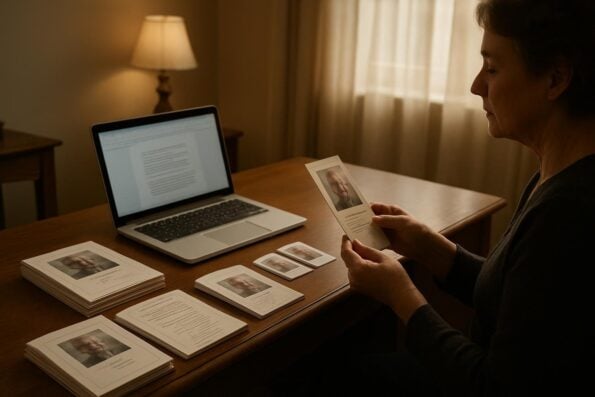
When asking, “how soon after death is a funeral required by law,” it’s important to know that there is no single federal law dictating a universal timeline. Instead, each state sets its own requirements regarding how long you have to hold a funeral, arrange for burial, or perform cremation. These rules can differ significantly, and understanding your state’s laws is a crucial first step.
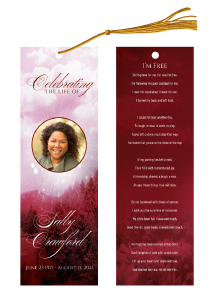
Creating a meaningful tribute for your loved one is an important part of the healing process. We offer Memorial Bookmarks, Funeral Programs and Prayer Cards to help you create meaningful tributes.
For example, states like California require that a body be buried or cremated “within a reasonable time,” but do not specify an exact number of days. In Texas, state law requires burial or cremation within a “reasonable time,” generally interpreted as within 24 to 72 hours after death, unless refrigeration or embalming is used. New York state, meanwhile, mandates that the body be buried, cremated, or otherwise disposed of within a “reasonable time” as well, typically no more than several days.
Some states, such as Georgia and Florida, require that a body be embalmed or refrigerated if burial or cremation doesn’t occur within 24 to 48 hours. This means that if families need extra time for relatives to travel or for other planning reasons, refrigeration or embalming arrangements must be made with your funeral home partner.
To ensure compliance, always check with your local funeral director or state health department. They are often familiar with the nuances of local law and can guide you through the necessary steps. If you’re working with tight deadlines, DisciplePress’s same-day printing for funeral programs, prayer cards, and memorial bookmarks can help ensure you’re ready, even on short notice.
Paperwork and Permits: Legal Steps Before the Funeral
Before a funeral can be held or a body can be transported, there are several legal documents and permits that must be completed. These requirements ensure proper handling of the deceased and allow for an orderly process, but they can add complexity during an already difficult time. Understanding these steps will help minimize stress and avoid unexpected delays.
The most important document is the death certificate, usually filed by the attending physician or coroner within 24 to 72 hours of death. Funeral directors generally assist families with this process and secure the required number of certified copies. You’ll need these for funeral arrangements, insurance claims, and legal matters.
Next, a burial or transit permit is typically required before the body can be moved, buried, or cremated. This permit is often issued alongside the death certificate, and your funeral home will usually handle this paperwork for you. For cremation, many states require an additional waiting period—often 24 to 48 hours—and sometimes a coroner’s authorization.
If you are under pressure due to legal deadlines, it’s wise to communicate early with your funeral director about any time constraints. They can expedite paperwork and coordinate with services like DisciplePress, which offers rush orders and custom design services for everything from bi-fold programs to 12-page programs and memorial cards.
Burial Timelines: State-Mandated Deadlines and Practical Considerations
For families choosing burial, the timeline is shaped by both state law and practical realities. Most states require burial to occur within a “reasonable time,” but this can range from 24 hours to several days depending on local interpretations and whether refrigeration or embalming is used. For example, in Illinois, burial must occur within seven days, while in Pennsylvania, it’s generally 48 hours unless the body is embalmed.
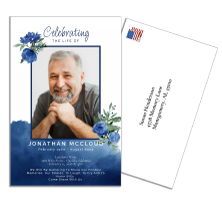
Creating a meaningful tribute for your loved one is an important part of the healing process. We offer Prayer Cards, Memorial Cards and Celebration of Life to help you create meaningful tributes.
Weather, cemetery availability, and religious customs may further influence the schedule. In some faiths, burial is traditionally performed as soon as possible, sometimes within 24 hours. However, state law will always take precedence, and delays may require additional measures such as refrigeration or embalming.
If family members must travel from out of state, it is sometimes possible to obtain an extension from local authorities or arrange for temporary storage with the funeral home. This is especially relevant if you are planning a larger gathering or a celebration of life event.
When time is short, DisciplePress’s same-day printing services for 8-page programs, 16-page programs, prayer cards, and memorial bookmarks can help ensure that all printed materials are ready, even with minimal notice. This support allows families to focus on mourning and remembrance, rather than logistics.
Cremation: Waiting Periods and Authorization Requirements
Cremation is governed by specific laws in every state, many of which include mandatory waiting periods. Typically, a body cannot be cremated until at least 24 to 48 hours after death. This allows for completion of the death certificate, any required investigations, and family decision-making. Some states, like Texas and Florida, require a 48-hour wait, while others may allow cremation sooner if approved by the local medical examiner.
In addition to the waiting period, nearly all states require a cremation authorization form signed by the next of kin. In some cases, multiple family members must provide written consent. This process can be emotionally challenging, so it’s important to allow time for thoughtful discussion and agreement among loved ones.
If there are delays due to paperwork or family coordination, most funeral homes offer refrigeration to preserve the body until cremation can proceed. For families needing to organize services quickly, DisciplePress can assist with rush printing of memorial cards and tri-fold programs, so your memorial materials are ready on time.
Once the waiting period and authorization are complete, cremation usually takes place within a day. Memorial services can then be scheduled flexibly, as there is no legal requirement for when ashes must be interred or scattered. For those planning a celebration of life, our memorial bookmarks and cremation urns are thoughtful keepsake options.
Delays and Extensions: What If Immediate Burial or Cremation Isn’t Possible?
Sometimes, holding a funeral within the usual legal timeframe is simply not possible. Family members may need to travel, religious leaders may be unavailable, or unforeseen events may arise. In these cases, it’s important to understand what extensions or exceptions exist and how to request them.
Most states allow for temporary storage of the body in a funeral home, provided refrigeration or embalming is used. This can extend the window for burial or cremation by several days or even weeks, depending on local resources and regulations. Funeral directors are experienced in navigating these situations and can help you apply for any needed permits or waivers.
If more time is needed, for example, to gather relatives from overseas, you may request a delay from the local health department or medical examiner’s office. Written documentation explaining the need for the extension is usually required. In situations involving legal investigation or autopsy, authorities will communicate any mandatory timelines.
When the schedule is uncertain, it’s helpful to choose a flexible printing partner like DisciplePress. We offer custom design services and booklet programs in various formats, including 20-page programs, and can adjust our turnaround time to meet your family’s needs if plans change unexpectedly.
Practical Tips for Meeting Legal Deadlines with Care
While the law provides important guidelines, emotional and practical needs are just as significant. Here are some gentle, practical tips for meeting legal deadlines without feeling rushed or overwhelmed:
- Connect with a trusted funeral director as soon as possible. They are your advocate in understanding and fulfilling local legal requirements.
- Gather necessary documents quickly. Ensure death certificates, burial permits, and cremation authorizations are initiated immediately after death.
- Consider immediate refrigeration or embalming if more time is needed for family travel or planning, as this can extend legal timeframes for disposition.
- Communicate openly with relatives. If multiple people need to sign paperwork or make key decisions, start these conversations early to avoid delays.
- Utilize DisciplePress’s rush and same-day printing services for funeral programs, prayer cards, and memorial bookmarks. Our team can help when time is short, so you can focus your energy on honoring your loved one.
Real-life examples show that families who work closely with their funeral home and printing partners experience less stress and more meaningful services, even under tight deadlines. Our obituary writing assistant and custom design services can further ease the process by helping you create personalized, beautiful memorial materials quickly.
DisciplePress Support: Navigating Tight Timelines with Compassion
At DisciplePress, we understand that timelines for funerals are not only a matter of law, but also of the heart. When families are called to act quickly due to legal or personal circumstances, we’re here to provide practical support with empathy and respect.
Our funeral programs are available in a range of formats, including bi-fold programs, tri-fold programs, and multi-page 8-page programs, 12-page programs, and 16-page programs. For those with little time to spare, we offer same-day printing and rush order services. These options help ensure that every detail, from memorial cards to memorial bookmarks, is handled with care, even on short notice.
We also know that every life is unique. Our custom design services allow you to personalize programs with photos, favorite Bible verses, or elements from our funeral poems collection and Bible verses collection. This can be especially meaningful when planning a celebration of life program or honoring specific religious or cultural traditions.
If you’re facing tight legal deadlines, please contact us. We are here to help guide you through your options and provide the reassurance that your loved one’s memory will be honored in a timely, beautiful, and respectful way.
Related Articles
Conclusion: Finding Comfort and Clarity Amid Legal Requirements
Navigating the question of how soon after death is a funeral required by law in the US is often one of the first challenges families face after a loss. While each state has its own regulations, most provide enough flexibility to accommodate family needs—especially with proper communication and support from your funeral director and service providers.
Understanding legal deadlines for burial, cremation, and required paperwork can bring peace of mind during an emotionally charged time. Remember, you are not alone—there are caring professionals and resources available to help manage both the legal and personal aspects of memorial planning.
At DisciplePress, we are honored to walk alongside you with our funeral programs, memorial cards, bookmarks, and custom design services. Our commitment to same-day printing and quick turnaround ensures you never have to choose between compliance and a meaningful tribute.
If you have questions, need guidance, or are facing a tight timeline, please reach out to the DisciplePress team. We are here to offer not only practical solutions, but also heartfelt support and understanding as you honor your loved one’s life and legacy.
Learn more about DisciplePress and our commitment to serving families. For personalized assistance, please contact us. We offer rush orders and same-day printing for urgent needs.