 Free Shipping Over $50
  888-432-8363


 Obituary/Programs
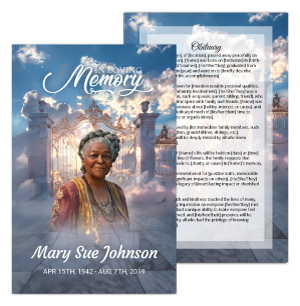 No-Fold Memorial Programs
 4 Page Funeral Programs
 8 Page Memorial Programs
 12 Page Funeral Programs
 16 Page Funeral Programs
 20 Page Funeral Programs
 Tri-Fold Funeral Programs
 Complete Memorial Packages
 Cards & Bookmarks
 Saint Prayer Cards
 Folded Memorial Cards
 Folded Holy Cards
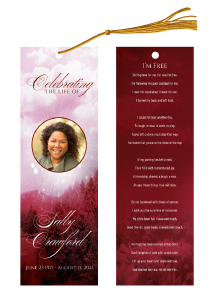 Memorial Bookmarks
 Thank You Cards
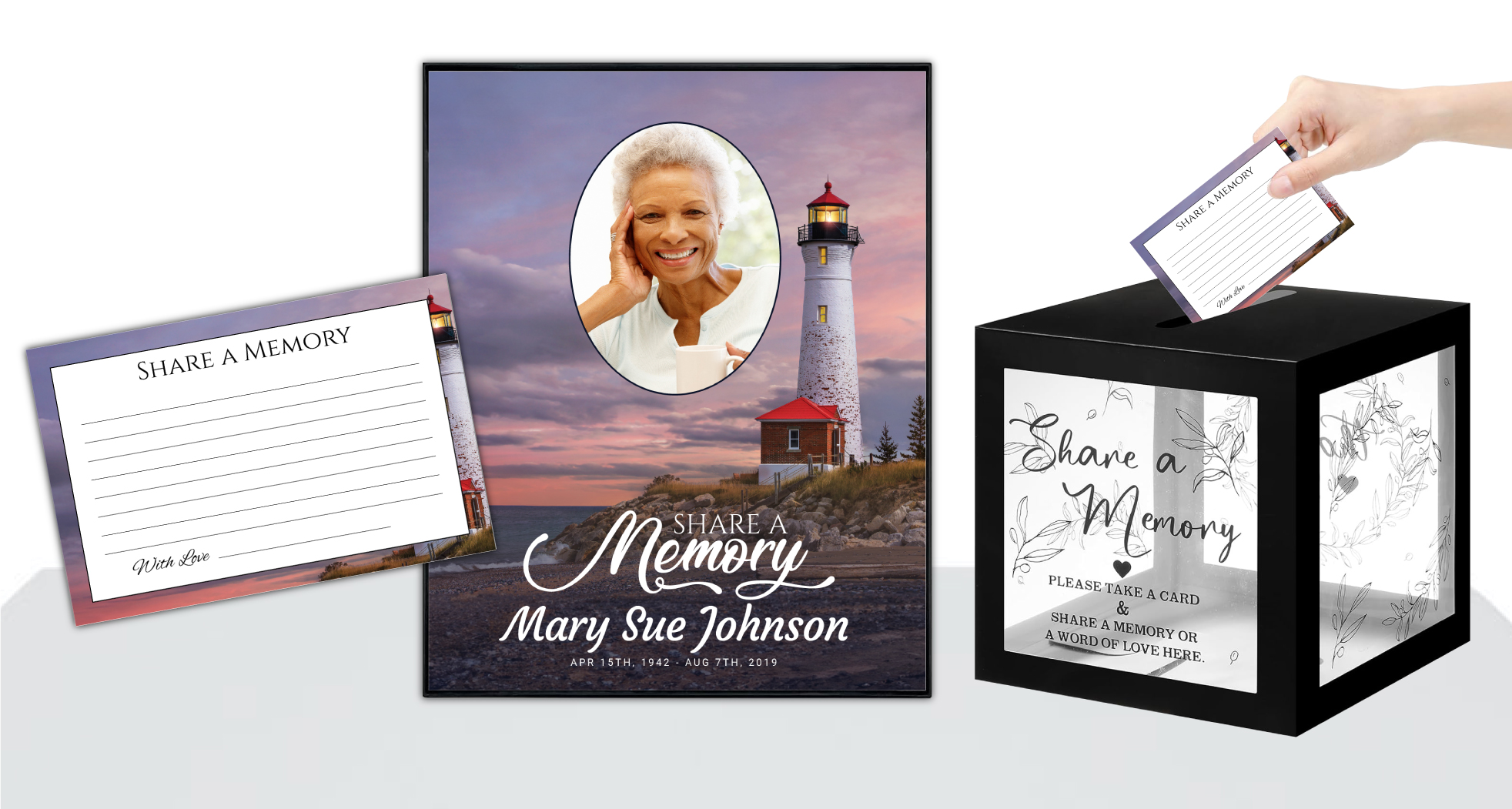 Share-A-Memory Cards
 Memorial Magnets
 Memorial Posters
 Guest Books
 Slide Shows
 Memorial Fans
 Death Announcements
 Take Away Keepsakes
 Church Products
Introduction: Facing Loss Together and Navigating Shared Responsibilities
Losing a loved one is one of the most challenging experiences a family can endure. In the midst of grief, the weight of planning a funeral can feel overwhelming, especially when siblings must work together to honor a parent or family member. The question of how to assign funeral planning roles to siblings fairly is not just a logistical one—it’s deeply emotional, touching on lifelong relationships, differing personalities, and the shared desire to do right by someone dearly missed.
As we come together to arrange a meaningful farewell, it’s natural for old family dynamics to resurface. Each sibling brings unique strengths, perspectives, and emotional needs to the table, which can both enrich and complicate the planning process. Fairly dividing funeral planning tasks is about more than just assigning roles—it’s about fostering compassion, respect, and understanding between siblings during a time of profound vulnerability.
This article offers practical guidance and gentle support for families seeking to assign funeral planning responsibilities among siblings in a way that feels equitable and healing. We’ll walk through clear, actionable steps—beginning with open communication, moving through the division of specific tasks, and offering strategies to resolve potential conflicts with empathy. Along the way, we’ll highlight how resources like funeral programs, memorial cards, and custom design services can support your family in creating a service that truly honors your loved one’s memory.
Our hope is to provide both comfort and clarity as you take these next steps together. With understanding and gentle planning, assigning funeral roles among siblings can become a source of unity and healing, even during the hardest of times. Let’s explore how to approach this process with care, fairness, and love.
Starting the Conversation: Creating a Safe Space for Sibling Dialogue

Initiating a conversation about dividing funeral planning roles can be daunting, especially when everyone is grieving. It’s important to start by acknowledging that each sibling may process loss differently. Some may wish to talk immediately, while others may need a little time before they feel ready. Begin by gently suggesting a family meeting, either in person or virtually, where everyone can express their thoughts, concerns, and hopes for the service.
We’re committed to supporting you through this difficult time with meaningful memorial resources. We offer Memorial Bookmarks, Funeral Programs and Prayer Cards to help you create meaningful tributes.
Creating a safe, open environment is key. Encourage each sibling to share what aspects of the funeral are most meaningful to them, whether it’s selecting music, designing the funeral program, organizing logistics, or preparing a eulogy. Using a notepad or a shared document can help ensure everyone’s voice is heard and that nothing important is overlooked in these early discussions.
It’s helpful to establish some ground rules for respectful communication. Remind everyone that disagreements are natural, especially in times of stress. Agree to listen without interruption and to approach differences with empathy rather than judgment. If needed, consider inviting a neutral party—such as a trusted family friend, religious leader, or counselor—to help mediate and keep the conversation on track.
During this process, bring up practical considerations, such as timelines and the specific needs of the service. If you’re considering custom touches like bi-fold programs or prayer cards, now is a good time to discuss who might enjoy overseeing these elements. Remember, the goal is not to divide everything equally, but rather to assign roles that feel fair and make the most of each sibling’s strengths and preferences.
Having this open conversation early on can prevent misunderstandings later and lay the foundation for a collaborative, compassionate planning experience. It’s a chance not only to share tasks, but to share memories, stories, and support as a family.
Identifying Funeral Planning Tasks: Building a Comprehensive Task List
Once communication is established, the next step is to outline all the tasks involved in funeral planning. Creating a comprehensive list helps ensure that no detail is missed and provides clarity when assigning roles. Start by brainstorming together, using resources such as funeral directors, checklists, or sample programs to guide you.
Typical responsibilities include selecting a funeral home, arranging transportation, communicating with extended family and friends, writing the obituary, and coordinating with clergy or celebrants. There are also many creative and personal touches, such as choosing funeral programs (like tri-fold programs or 8-page programs), designing memorial cards, or selecting readings and music.
It’s beneficial to categorize tasks into broad groups: administrative (such as paperwork and legalities), creative (like designing programs or selecting keepsakes such as memorial bookmarks), and logistical (organizing the venue, catering, or transportation). This structure can make it easier to match tasks with siblings’ strengths and interests.
For example, a sibling who is detail-oriented may excel at coordinating with the funeral home and managing paperwork, while another who is creative might enjoy working with custom design services to personalize the funeral program or memory table. Someone comfortable with public speaking could take on the eulogy or lead prayers.
By outlining every step, from arranging flowers to requesting rush orders on printed items, you create transparency and minimize the risk of tasks slipping through the cracks. This also makes it easier to reassign duties if unexpected circumstances arise, ensuring the process remains smooth and supportive for everyone involved.
Assessing Sibling Strengths and Preferences: Matching Roles Thoughtfully
With a clear task list in hand, the next step is to consider each sibling’s strengths, preferences, and current life circumstances. Not everyone will feel comfortable or capable of handling every responsibility, especially during a time of emotional upheaval. A fair distribution of roles takes into account both practical skills and emotional readiness.
Creating a meaningful tribute for your loved one is an important part of the healing process. We offer Prayer Cards, Memorial Cards and Celebration of Life to help you create meaningful tributes.
Begin by inviting each sibling to self-identify which tasks they feel most equipped or called to handle. For example, someone with experience in event planning may feel confident managing logistics, while another might have a talent for writing and wish to compose the obituary or coordinate the funeral program booklet.
It’s also important to be sensitive to siblings who may be living far away, have demanding work schedules, or are coping with especially intense grief. These individuals might prefer behind-the-scenes roles, such as researching options for celebration of life programs or compiling photographs for a memorial slideshow. Tasks that require physical presence, like overseeing the venue or greeting guests, can be assigned to those who are local and able to attend in person.
Consider rotating or pairing siblings on certain responsibilities to foster collaboration and mutual support. For example, two siblings might work together on designing bi-fold programs with the help of custom design services, allowing for shared decision-making and creative synergy.
This thoughtful approach ensures that each sibling’s contributions are valued and that the workload is distributed in a way that feels both fair and manageable. It also honors individual needs, helping siblings support one another through both the practicalities and emotions of loss.
Dividing Tasks Fairly: Strategies for Equitable Role Assignment
Once you’ve matched roles to strengths and preferences, it’s time to finalize the division of tasks. Fairness doesn’t always mean splitting everything equally—it means assigning roles in a way that feels just and considerate to all involved. There are several strategies you can use to achieve this balance.
One effective method is to allow siblings to choose tasks in order, rotating until all responsibilities are claimed. This “round robin” approach gives everyone a say and can diffuse potential feelings of resentment. If certain tasks are in high demand, consider drawing lots or agreeing to share the role. For example, multiple siblings might collaborate on designing 8-page programs or organizing the memorial guest book.
Another approach is to distribute tasks by workload or emotional weight. Some responsibilities, like delivering a eulogy, may be more emotionally taxing than others, such as arranging catering. It’s important to recognize this and ensure that no one sibling is overburdened. Regularly check in as a group to see if anyone feels overwhelmed and be willing to adjust assignments as needed.
Transparency is crucial. Maintain a shared checklist or task board (digital tools like Google Docs or Trello work well) where siblings can track progress and flag any challenges. This fosters accountability and helps keep everyone on the same page, especially when coordinating orders for time-sensitive items like funeral programs with a specific turnaround time.
Remember, flexibility is key. Life’s unpredictable, and new needs may arise—such as last-minute requests for same-day printing or changes to the service order. Approach these adjustments with understanding, and remind each other that you’re working together toward a shared goal: honoring your loved one’s life with care and respect.
Preventing and Managing Conflicts: Fostering Understanding and Resolution
Even with the best intentions, conflicts can sometimes arise during funeral planning, especially when emotions are running high. Recognizing this possibility and preparing for it can help prevent misunderstandings from escalating. Begin by affirming that it’s normal to have differences of opinion, and that what matters most is maintaining respect and empathy for one another.
If disagreements occur, take a pause and create space for everyone to share their feelings. Encourage siblings to express not only their preferences, but also the underlying emotions driving them—perhaps a desire to honor a parent’s wishes, or a need for closure. Sometimes, simply being heard can diffuse tension and foster understanding.
When conflict arises over specific tasks—such as the design of funeral programs or the selection of memorial cards—consider seeking compromise or creative solutions. For example, you might blend two design ideas or alternate responsibilities for different elements of the service. Utilizing custom design services can also help mediate creative differences by providing professional guidance and options.
If consensus remains elusive, don’t hesitate to bring in a neutral third party, such as a funeral director, clergy member, or counselor. These individuals can offer perspective, mediate discussions, and help ensure that decisions remain focused on honoring your loved one rather than past family disputes.
Above all, remind yourselves that grief can magnify emotions and that kindness—both to yourselves and to one another—is essential. By addressing conflicts with patience and compassion, siblings can emerge from the planning process with their relationships strengthened rather than strained.
Honoring Individual Grief and Emotional Needs: Supporting Each Sibling’s Journey
While dividing funeral planning tasks, it’s important to remember that each sibling is also navigating their own unique grief journey. Some may find comfort in staying busy with tasks, while others may need more time to reflect or withdraw. Creating space for these differences is a crucial part of fair role assignment.
Encourage open dialogue about emotional needs and boundaries. If a sibling feels unable to participate in certain aspects—such as viewing the body or delivering a speech—respect their feelings without judgment. Offer alternatives, like writing a letter to be read by someone else or contributing to a funeral program or memorial card with a favorite poem or memory.
Recognize and validate the emotions that arise throughout the planning process. It’s not uncommon for siblings to experience guilt, anger, or sadness as old family roles resurface. Make time to check in with each other, both formally and informally. Even a simple message of support can make a world of difference.
Allow for flexibility in task assignments. If someone needs to step back temporarily, redistribute their responsibilities as needed. Use shared resources like booklet programs or memorial bookmarks to involve everyone, even in small ways, and ensure that each sibling’s voice is represented in the service.
By honoring both the logistical and emotional dimensions of funeral planning, you create a process that is not only fair, but also healing. Supporting each other through both the tasks and the tears is one of the greatest gifts siblings can offer one another during this time.
Coordinating Logistics and Timelines: Staying Organized Amid Grief
Effective coordination is crucial for ensuring that all elements of the funeral come together smoothly, especially when multiple siblings are involved. Start by establishing a clear timeline, taking into account necessary deadlines such as obituary submissions, venue bookings, and ordering printed materials like funeral programs or prayer cards.
Assign one sibling or a small team as the primary point of contact for vendors and service providers. This helps streamline communication and prevents details from being overlooked. For example, the sibling coordinating with DisciplePress can track the progress of bi-fold programs or arrange for same-day printing if timelines are especially tight.
Use shared calendars or project management tools to keep everyone informed about key dates and milestones. Regular check-in meetings—whether in person, by phone, or online—help maintain momentum and provide an opportunity to address any emerging issues before they become urgent.
Be proactive about anticipating potential challenges, such as last-minute changes to the guest list or delays in receiving photos for a memorial slideshow. Build in extra time for tasks that may take longer, like gathering family stories for inclusion in 8-page programs or memorial bookmarks.
Staying organized not only reduces stress, but also frees up emotional energy to focus on what matters most: being present for each other and honoring the life you’ve lost. With careful coordination and the support of reliable partners like DisciplePress, you can ensure a meaningful and seamless service.
Personalizing the Service: Collaborating on Meaningful Details
Personalizing the funeral service is an opportunity for siblings to come together in creativity and remembrance. Collaborative decisions on details such as readings, music, and visual tributes can transform the service into a true reflection of your loved one’s life and values. Encourage each sibling to share their favorite memories, songs, or scriptures for possible inclusion.
Work together on creating customized printed materials. Choosing from options like tri-fold programs, 12-page programs, or themed angel-themed programs allows for a unique touch. Siblings can split responsibilities—one might gather photos, another could select poems from the Funeral Poems Collection, while another works with custom design services to finalize the layout.
Consider incorporating keepsakes for guests, such as memorial bookmarks, thank you cards, or even memorial ornaments. Assigning these tasks to siblings with creative inclinations can help everyone feel involved and allow for a diverse range of tributes.
Don’t overlook the power of collaborative storytelling. Invite siblings to co-author a eulogy, share anecdotes in the program, or participate in a memory-sharing segment during the service. These collective efforts can turn grief into connection, fostering healing through shared remembrance.
By working together on the personal touches, siblings can ensure that the funeral is not just a farewell, but a celebration of a life lived and loved. With the help of resources like DisciplePress, your family can create lasting memories and meaningful keepsakes for all who attend.
Related Articles
Conclusion: Moving Forward Together with Compassion and Care
Dividing the responsibilities of funeral planning among siblings is never a simple task, especially in the shadow of profound loss. Yet, with open communication, thoughtful role matching, and a spirit of collaboration, families can navigate this journey with both fairness and grace. The process of how to assign funeral planning roles to siblings fairly is as much about honoring relationships as it is about honoring the loved one who has passed.
Remember to approach each step with empathy, patience, and flexibility. Recognize and support one another’s strengths and emotional needs, and be willing to adapt as circumstances change. By staying organized and leveraging resources—like funeral programs, custom design services, and rush orders—you can ensure a seamless and meaningful tribute.
If you find yourselves struggling with conflict or feeling overwhelmed, know that you are not alone. Reach out to compassionate professionals, including funeral directors and the team at DisciplePress, who are here to support your family with both practical assistance and heartfelt care. Our range of services, from bi-fold programs to memorial cards and bookmarks, can help you create a service that reflects your loved one’s unique story.
As you move forward, take comfort in the knowledge that working together to plan a meaningful farewell is an act of love and remembrance. May this process bring you closer as siblings, offering healing and connection in the midst of sorrow. And may the service you create together be a beautiful testament to a cherished life, honoring both your loved one and the bonds you share. Learn more about DisciplePress and our commitment to serving families. For personalized assistance, please contact us. Read what other families have said in our customer testimonials.