 Free Shipping Over $50
 888-432-8363



 Obituary/Programs
 No-Fold Memorial Programs
 4 Page Funeral Programs
 8 Page Memorial Programs
 12 Page Funeral Programs
 16 Page Funeral Programs
 20 Page Funeral Programs
 Tri-Fold Funeral Programs
 Complete Memorial Packages

 Cards & Bookmarks
 Saint Prayer Cards
 Folded Memorial Cards
 Folded Holy Cards
 Memorial Bookmarks
 Thank You Cards
 Share-A-Memory Cards
 Memorial Magnets
 Memorial Posters
 Guest Books
 Slide Shows
 Memorial Fans
 Death Announcements
 Take Away Keepsakes

 Church Products
Introduction: Navigating Grief with Children During the Holidays
When a loved one has passed, the holidays can feel like a mountain too steep to climb—especially when children are part of the journey. As families gather to celebrate Thanksgiving, Christmas, or other cherished traditions, the absence of someone dear is often felt most acutely. For children, whose understanding of loss is still taking shape, this season brings unique questions, emotions, and needs. Learning how to include children in holiday grief traditions after loss is not only a way to honor the person who has died, but also a path to healing for young hearts and minds.
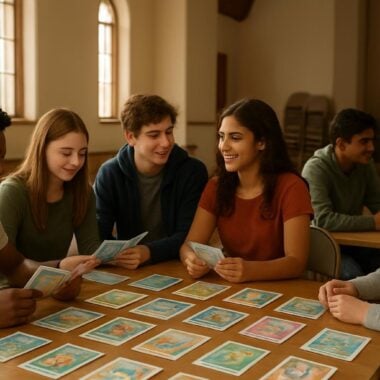
Children grieve differently than adults. Their expressions of sadness may come in waves, sometimes through tears, other times through silence or even play. The holidays can stir up memories and uncertainties, making it crucial to create space for children to process their grief in age-appropriate, meaningful ways. Including children in holiday grief traditions invites them to participate in remembrance and healing, rather than feeling left on the sidelines of adult sorrow.
In this article, we will gently explore how to include children in holiday grief traditions after loss. We’ll offer practical, compassionate guidance on age-appropriate activities, conversation starters, and keepsake ideas. You’ll find examples tailored for families and churches, with special attention given to the unique needs of grieving children. We’ll also highlight resources from DisciplePress, such as funeral programs, memorial bookmarks, and prayer cards, which can help create tangible memorials for young ones.
Whether you are a parent, guardian, church leader, or funeral director, our hope is to provide you with tools and confidence to support children through the holiday season. Together, we can create traditions that honor the memory of loved ones and nurture the hearts of those still with us, no matter their age.
Understanding Children’s Grief During the Holidays
Grieving children may not always express their emotions in ways adults expect. While some may ask direct questions about death or the person who has died, others might withdraw, act out, or appear disinterested in holiday events altogether. Recognizing these varied responses is the first step in understanding how to include children in holiday grief traditions after loss in a way that truly honors their needs.
Children’s developmental stages greatly influence how they process and express grief. Young children might struggle to grasp the permanence of loss, while older children and teens may experience deeper emotional complexity or existential questions. The holidays, with their powerful memories and rituals, can bring those feelings to the surface. Being present, patient, and available for open conversations helps children feel safe to share what they’re experiencing.
Common questions from grieving children during the holidays may include: “Will Grandpa be here for Christmas?” or “Why do we still hang Mom’s stocking?” These questions, though painful, offer opportunities for gentle honesty and shared storytelling. By listening without judgment and responding with empathy, families can reassure children that their memories matter and that it’s okay to both celebrate and mourn.
It’s important to normalize the full range of emotions children may feel—joy, sadness, confusion, even moments of laughter. Remind them that all feelings are welcome and that remembering their loved one together can be a source of comfort. Including children in discussions about holiday plans and memorial activities empowers them to have a voice in their own healing process, fostering resilience and connection.
Creating Age-Appropriate Holiday Memorial Activities
One of the most meaningful ways to include children in holiday grief traditions after loss is by inviting them to participate in age-appropriate memorial activities. These activities provide space for remembrance, creativity, and emotional expression, making the abstract concept of loss more tangible and gently navigable for young minds.
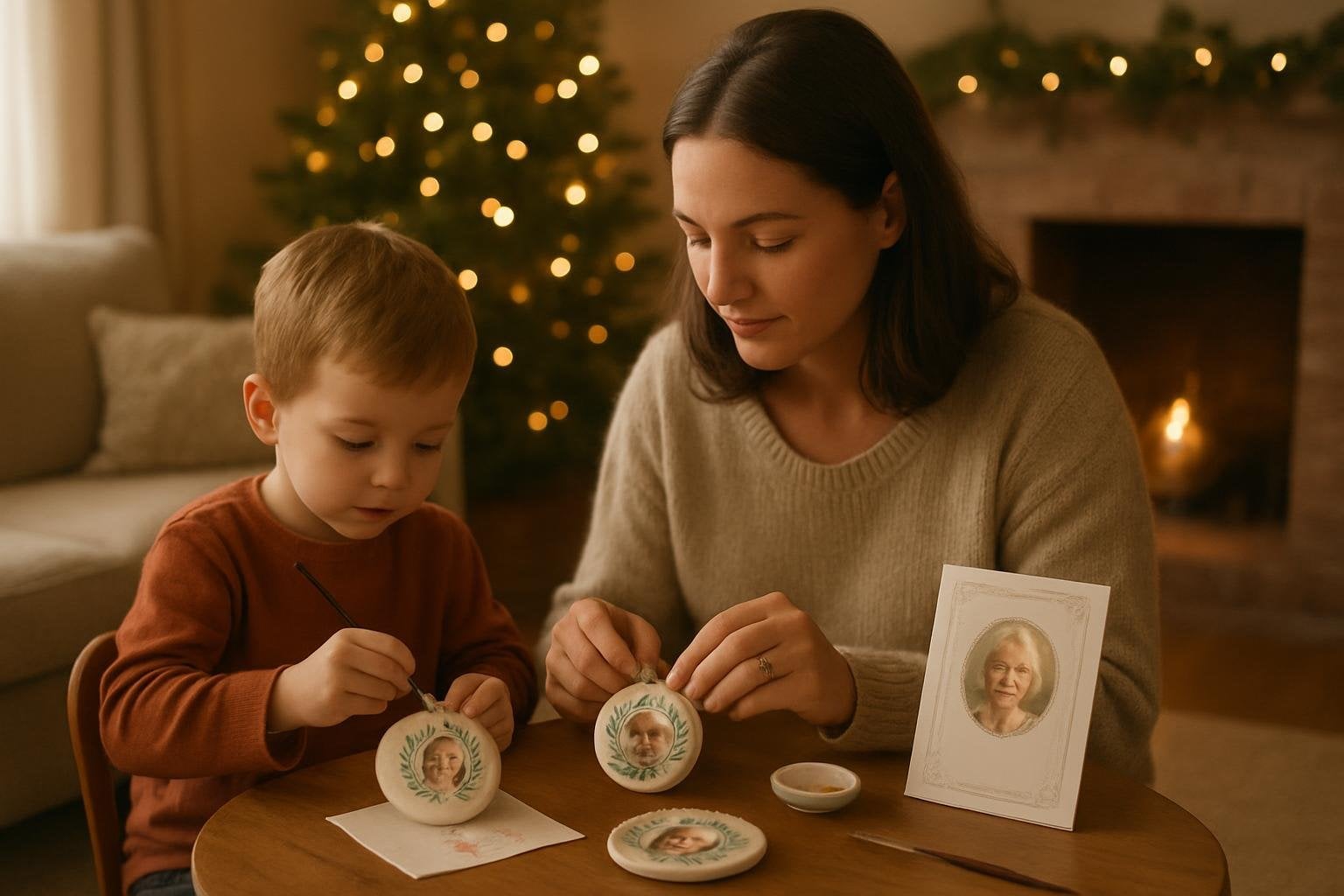
For younger children, simple crafts can be especially comforting. Consider making memory ornaments using photos or drawings of the loved one. Children can decorate these ornaments with stickers, ribbons, or handwritten messages. Displaying these on the tree or in a special place during the holidays keeps the memory alive in a gentle, visual way. DisciplePress offers memorial ornaments and bookmarks that families can personalize, offering a keepsake children can hold close throughout the season.
Older children and teens may appreciate more involved projects, such as creating a shared scrapbook or memory board. Invite them to gather photos, favorite quotes, or personal mementos that remind them of their loved one. These creations can be displayed at family gatherings or church events, sparking conversations and stories that keep the loved one’s spirit present.
Interactive rituals, such as lighting a memorial candle together or writing messages to the loved one to place in a “memory box,” allow children to participate at their comfort level. During family or church gatherings, set aside a time to share these messages, offering everyone—children included—a chance to speak or listen. For families who wish to involve their faith, DisciplePress prayer cards can provide comforting prayers or scriptures to include in these activities.
Encouraging Open Conversations and Emotional Expression
Communication is key to helping children process grief, especially during the emotionally charged holiday season. Encouraging open conversations lets children know that their thoughts and feelings are valued, not hidden away. When families model this openness, children are more likely to feel safe sharing their emotions, questions, and fears.
Begin by creating intentional moments for conversation, such as during dinner or while working on a memorial activity. Ask open-ended questions like, “What do you remember most about Grandma during the holidays?” or “How are you feeling as Christmas approaches this year?” Listen attentively, offering validation and empathy rather than quick solutions. Sometimes, a gentle hug or simply sitting together in silence provides the comfort a child needs.
Children often benefit from knowing that it’s okay to feel both happy and sad during the holidays. Remind them that missing their loved one does not diminish the joy they may feel in other moments. If a child expresses guilt or anger, reassure them that these are normal responses to loss. Sharing your own feelings can also help; “I miss Grandpa too, and sometimes I feel sad during Thanksgiving,” demonstrates vulnerability and solidarity.
For children who are less verbal or have difficulty articulating emotions, creative outlets such as drawing, writing, or music can be invaluable. Encourage them to write a letter to the loved one, create a drawing, or select a favorite song to play in remembrance. Including these creative works in a family “memory program” or even within a special booklet program—like an 8-page or 12-page funeral program from DisciplePress—can give their expressions a lasting place of honor.
Integrating Memorial Keepsakes into Holiday Traditions
Memorial keepsakes serve as tangible reminders of loved ones, providing comfort and continuity for children during the holidays. When thoughtfully integrated into family traditions, these keepsakes help make the presence of the departed felt in a gentle, reassuring way. The act of creating or selecting a keepsake together can also foster connection and healing among family members of all ages.
Consider incorporating memorial bookmarks or prayer cards featuring a photo, favorite Bible verse, or personal message. Children can help choose the image or words, giving them a sense of agency in remembrance. These items can be included in holiday cards sent to extended family, tucked into stockings, or offered as gifts to friends who are also grieving the loss.
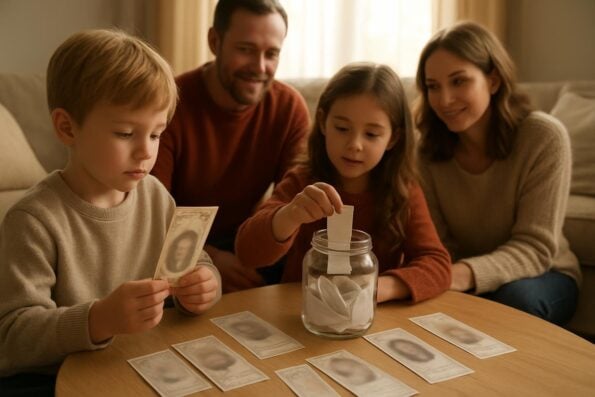
Another meaningful option is to create a “memory jar,” where children write down favorite memories or things they wish they could tell their loved one. These slips of paper can be read aloud during a special holiday meal or church service. DisciplePress offers memorial cards and share a memory cards that can be used for this purpose, making it easy for families or church groups to gather and share memories in a structured, supportive way.
For families seeking a more formal remembrance, a custom-designed bi-fold or tri-fold funeral program can be repurposed as a holiday tribute. Fill it with holiday memories, photos, and prayers, then display it prominently or share it at gatherings. Our custom design services and same-day printing options can provide timely support for families preparing for holiday events on short notice.
Involving Children in Faith-Based and Community Traditions
For many families, faith and community play a central role in both grief and celebration. Churches and faith groups often host special services or memorials during the holiday season, and finding ways to include children in these traditions can provide comfort, structure, and a sense of belonging. Participating in faith-based rituals helps children see that they are not alone in their grief.
Invite children to take part in lighting an Advent candle in memory of the loved one during a church service or family gathering. Some congregations create a remembrance tree, where children can hang memorial ornaments or prayer cards. These collective activities foster a sense of shared remembrance and support among peers and community members.
Encourage children to help prepare a special reading, prayer, or song for a holiday memorial service. Even young children can recite a simple poem or Bible verse, while older children may wish to share a personal reflection. DisciplePress’s collection of Bible verses and funeral poems can provide inspiration for appropriate selections. Including children in the planning and execution of these moments strengthens their connection to both family and faith.
Community outreach projects, such as assembling care packages for others in need or participating in a charitable drive in memory of the loved one, offer a positive outlet for grief. These acts of kindness can be incorporated into family or church traditions, teaching children the value of compassion and service even in the midst of loss. If your church uses printed materials for outreach, DisciplePress offers church invite cards, brochures, and bulletins that can be customized for memorial events or charitable initiatives.
Adapting Family Holiday Traditions to Honor the Loved One
After loss, beloved holiday traditions may feel incomplete or even painful. Rather than abandoning these customs, families might consider adapting them to honor the memory of the person who has died. By involving children in this process, you empower them to shape new family rituals that blend remembrance with celebration, ensuring the loved one’s legacy endures.
Begin by inviting children to share which traditions they most associate with the loved one—perhaps baking a special recipe, singing certain songs, or decorating the house in a favorite style. Ask for their input on how these customs might be changed or expanded to include a moment of remembrance. This collaborative approach not only validates their feelings but also gives them a sense of agency in shaping the holiday experience.
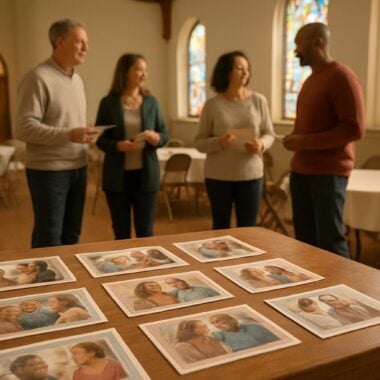
Some families choose to set a place at the table for the loved one or light a candle in their honor before the holiday meal. Children can help set the table, choose a favorite dish to prepare, or say a few words of remembrance. For larger gatherings, creating a memorial display with photos and keepsakes—such as bookmarks, tri-fold programs, or memorial slideshows—can be a powerful way to invite communal storytelling and reflection.
Adapting traditions does not mean erasing the past; rather, it is a way to weave the memory of the loved one into the ongoing fabric of family life. Over time, these new rituals can become cherished parts of the holiday season, offering comfort and continuity to both children and adults as they move forward together.
Supporting Children Through Holiday Gatherings and Social Events
Holiday gatherings—whether with extended family, friends, or church communities—can be both comforting and overwhelming for grieving children. The presence of others who also miss the loved one can provide support, but these events may also bring up unexpected emotions. Thoughtful planning and communication help ensure that children feel seen and supported throughout the holiday season.
Before gatherings, talk with children about what to expect and ask how they’d like to participate. Some children may want to share a memory or help distribute keepsakes like memorial cards or bookmarks, while others may prefer to observe quietly. Let them know that it’s okay to step away for a break if emotions become too intense. Designate a “quiet space” at home or church where children can retreat if needed.
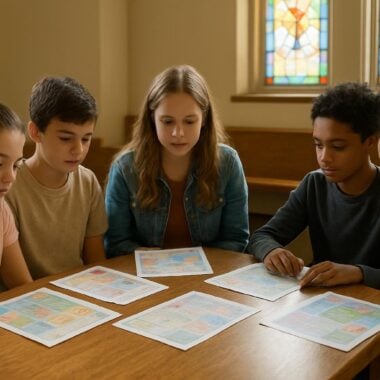
Enlist the support of trusted adults—family members, friends, or church leaders—who can check in with children during gatherings. These allies can offer a listening ear, a comforting presence, or simply a distraction when needed. If your family is hosting, consider providing simple activities like coloring pages, crafts, or a memory jar station where children can engage at their own pace.
Following the event, make time to debrief with your child. Ask how they felt, what moments were meaningful, and if there’s anything they’d like to do differently next time. Use this feedback to adapt future gatherings and traditions, ensuring that each holiday season becomes a little more manageable—and meaningful—for everyone involved. If you need printed materials at short notice, remember that DisciplePress offers rush orders and a quick turnaround time for programs, cards, and keepsakes.
Related Articles
Conclusion: Moving Forward Together with Compassion and Hope
Including children in holiday grief traditions after loss is a powerful act of love and remembrance. By inviting young ones into the process of honoring those who have passed, families and faith communities create space for shared healing, resilience, and hope. Each child’s journey through grief is unique, but with patient guidance and thoughtful rituals, the holidays can become a time of comfort and connection rather than only sorrow.
Throughout this article, we have explored ways to create age-appropriate memorial activities, encourage open conversations, integrate keepsakes, and adapt family traditions. We’ve also discussed how to support children during gatherings and within faith communities, ensuring that their voices are heard and their feelings respected.
If you are seeking tangible ways to support your family or church group, DisciplePress offers a wide range of products and services—including funeral programs (bi-fold, tri-fold, and booklet programs), memorial bookmarks, prayer cards, and custom design services—to help you create meaningful keepsakes and tributes. Our same-day printing, rush order options, and compassionate team are here to support you every step of the way.
As you move through this holiday season, remember that grief and gratitude, sorrow and joy, can coexist. By including children in your remembrance rituals, you help them find a place for their memories and their hearts. If you need more ideas or guidance, please reach out to us at DisciplePress—we are honored to walk this path with you, offering hope and comfort as you honor your loved one’s legacy together.