 Free Shipping Over $50
 888-432-8363



 Obituary/Programs
 No-Fold Memorial Programs
 4 Page Funeral Programs
 8 Page Memorial Programs
 12 Page Funeral Programs
 16 Page Funeral Programs
 20 Page Funeral Programs
 Tri-Fold Funeral Programs
 Complete Memorial Packages
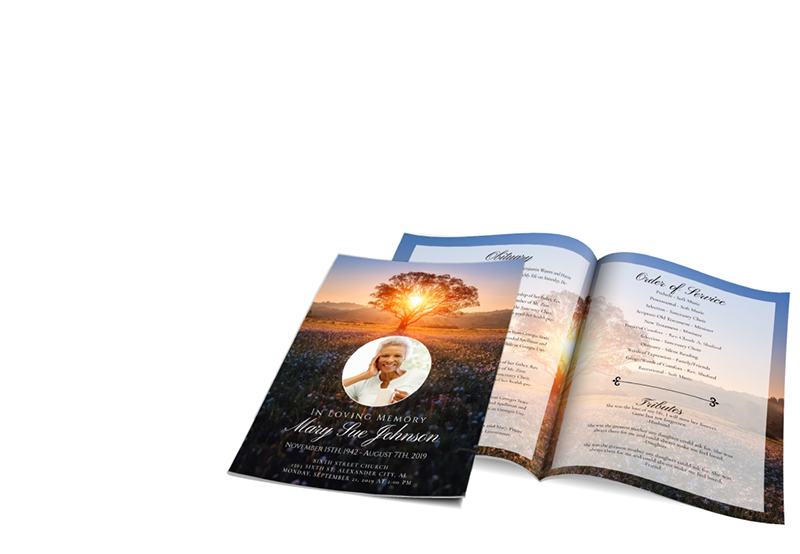
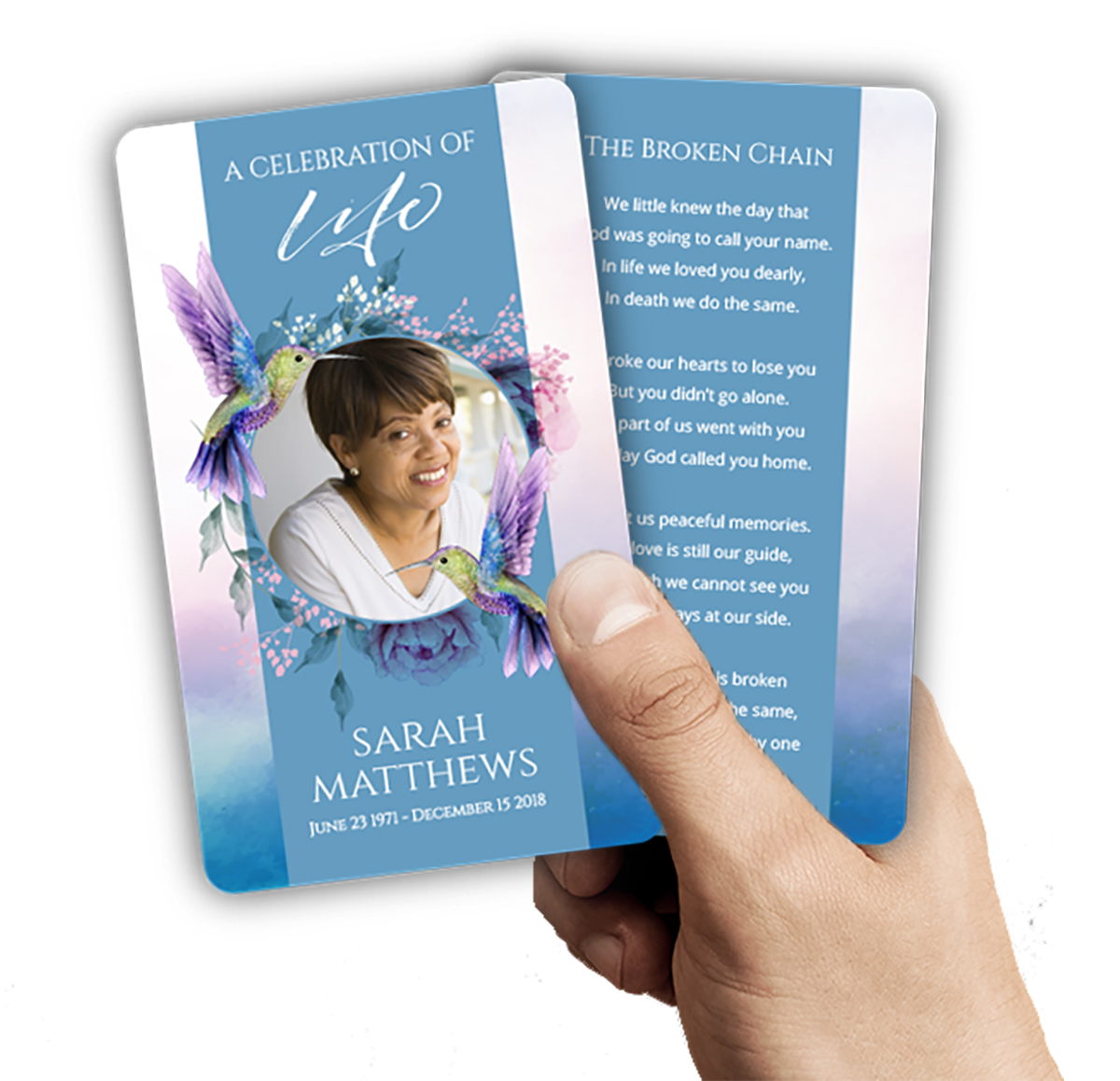 Cards & Bookmarks
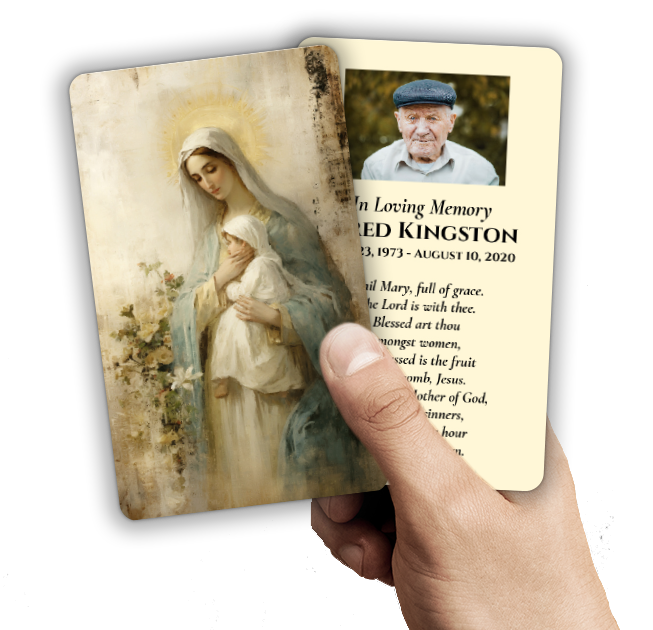 Saint Prayer Cards
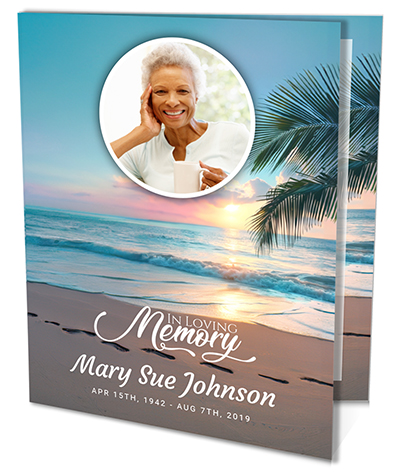 Folded Memorial Cards
 Folded Holy Cards
 Memorial Bookmarks
 Thank You Cards
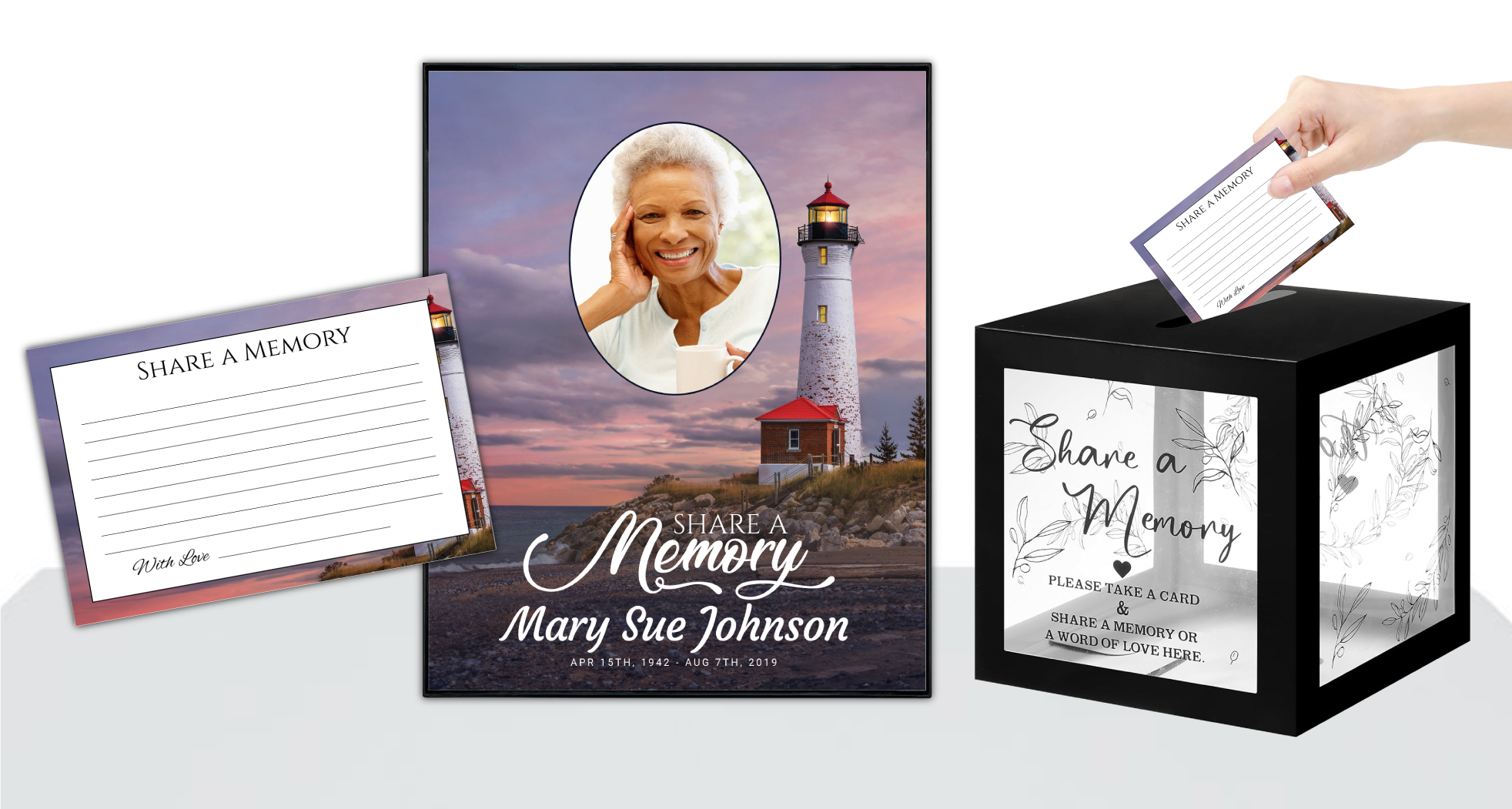 Share-A-Memory Cards
 Memorial Magnets
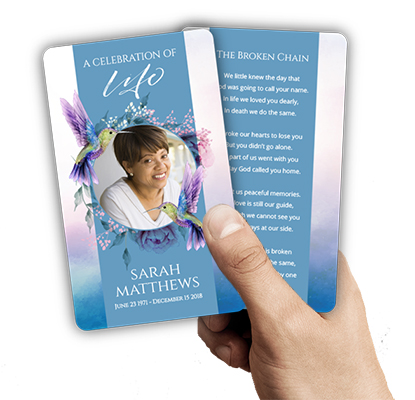
 Memorial Posters
 Guest Books
 Slide Shows
 Memorial Fans
 Death Announcements
 Take Away Keepsakes
 Church Products

Finding Comfort and Clarity: The Importance of Listing Family Members Thoughtfully
When a loved one passes, the responsibility of creating a funeral program often falls to those closest to them. If you are reading this, you may be feeling the weight of that responsibility along with your grief. We understand that every detail seems to carry extra meaning and importance, especially when it comes to honoring your loved one’s family. Knowing how to list family members in a funeral program is a frequent concern, and it is one that deserves care, clarity, and respect.
Funeral programs—whether they are bi-fold programs, tri-fold programs, or more detailed 8-page programs—serve as keepsakes that will be cherished for years to come. The way you list family members not only informs attendees but also offers comfort, celebrates connections, and reflects the unique story of your loved one’s life. Families often ask us for guidance on the best order, the right wording, and how to handle delicate situations, such as blended families or estranged relationships. Your choices in this section can help all who gather feel recognized and included.
In this article, we will gently guide you through every step of listing family members in a funeral program. You will find practical advice, clear examples, and thoughtful etiquette suggestions, all designed to ease your burden during a difficult time. We will address immediate and extended family, formatting options, and special scenarios, with sensitivity to different family structures and traditions.
Our goal is to provide you with the information and support you need to make these decisions with confidence and grace. As you read, please know you are not alone—many have stood where you are now, and together, we can honor your loved one’s memory with dignity and love.
Understanding the Purpose and Placement of Family Listings

Before deciding how to list family members in a funeral program, it helps to understand why this section is significant and where it typically appears. Family listings are more than just names—they are acknowledgments of the people who shaped, loved, and supported your loved one throughout their life. For many, seeing their names in the program offers comfort and a sense of belonging during a time of loss.
Creating a meaningful tribute for your loved one is an important part of the healing process. We offer Memorial Bookmarks, Funeral Programs and Prayer Cards to help you create meaningful tributes.
Most often, the family section is found on an inside page of the program, after the obituary or life story and before the order of service. In larger or more elaborate booklet programs, such as 8-page or 12-page funeral programs, it may have its own dedicated page. Placement can also depend on the format you choose—bi-fold programs may combine the obituary and family listings, while tri-fold programs might use a separate column or panel.
When preparing this section, consider the tone and style of the entire program. If your loved one’s service is a celebration of life, you might want to include warm, personal expressions alongside names. For more formal or traditional services, a simple, structured list might feel more appropriate. If you’re using custom design services, you can personalize the look and feel of the family list so that it harmonizes with the rest of the program.
The family listing is also an opportunity to honor those who may not be able to attend in person, such as relatives living far away, or to recognize those who have passed. Including phrases like “preceded in death by” or “survived by” can help clarify relationships and provide context for guests who might not know every family member personally.
Etiquette and Order: Listing Immediate Family Members
One of the most common questions we receive at DisciplePress is about the proper order for listing immediate family. While there are variations based on culture, religion, and personal preference, there are some widely accepted guidelines that can help bring clarity and avoid misunderstandings during an emotional time. The aim is always to honor relationships while maintaining sensitivity.
Typically, immediate family members are listed first, and in a specific order. This generally begins with the spouse or partner, followed by children (often in order of birth), parents, and siblings. For example, a standard listing might read:
- Beloved Wife: Mary Smith
- Children: John Smith, Anna Smith, and Michael Smith
- Parents: Robert and Helen Johnson
- Siblings: David Johnson, Susan Lee, and Mark Johnson
In blended families, it’s important to include step-relatives and adoptive family members as appropriate. For instance, you might use “daughter” and “stepdaughter,” or simply “children” if all are equally embraced as family. Some families prefer to list by first names only, while others use full names for clarity or formality. If the deceased was not married or had no children, the order may shift to highlight parents, siblings, or another significant relationship.
When working with our custom design services, you can specify the exact language and formatting that feels right for your family. It’s also helpful to communicate with all key family members to ensure everyone is comfortable and represented as they wish. A gentle tip: double-check spellings and relationships, as mistakes—though unintentional—can be painful for those left out or misnamed.
Including Extended Family and Special Relationships
After immediate family members, you may wish to recognize extended family and other meaningful connections. This part of the listing allows you to acknowledge the broader circle of love and support that surrounded your loved one, including grandparents, grandchildren, aunts, uncles, cousins, nieces, nephews, and even close friends who were considered family.
At DisciplePress, we understand the importance of honoring your loved one’s memory. We offer Prayer Cards, Memorial Cards and Celebration of Life to help you create meaningful tributes.
There are several ways to include extended family, depending on space and preference. In shorter formats like bi-fold programs, you might group relatives together, such as, “Also survived by three grandchildren and many nieces and nephews.” In more spacious tri-fold or 8-page programs, you can list individual names, especially if there are only a few in each category.
It is also common to use phrases like “and a host of loving relatives and friends” to encompass those not listed by name. This can be especially helpful when the family is large or when you do not have space to mention everyone individually. If your loved one had a particularly close friend, godchild, or companion, consider adding them in a special way, such as “dear friend, Rebecca Jones.”
If you are including a memorial bookmark, prayer card, or memorial card as part of your keepsake package, you might use the back to list extended family or share a heartfelt message of gratitude. Our funeral program templates can be tailored to suit your family’s size and wishes, ensuring everyone feels acknowledged in a meaningful way.
Wording Options: “Survived By,” “Preceded In Death By,” and Sensitive Situations
The language you choose for listing family members sets the tone of this section. Most funeral programs use phrases like “survived by” to introduce living relatives, and “preceded in death by” or “predeceased by” for those who have passed before the deceased. For example:
- Preceded in death by his father, Robert Johnson, and his sister, Linda Green
- Survived by his wife, Mary; children, John, Anna, and Michael; and grandchildren, Sarah and James
These phrases offer context and help guests understand the family structure. In cases where relationships are complicated—such as estrangement, divorce, or blended families—consider what would be most respectful and healing for those involved. You might use inclusive, gentle wording, such as “cherished by his children from previous marriages” or “loving stepmother, Patricia Smith.”
Be mindful of those who may be grieving more privately or who may not wish to be listed. It’s always kind to ask before including someone in the program. If there is a sensitive situation, a simple listing of names without specifying relationships can sometimes be the best approach. Our custom design services can help you navigate these nuances and find wording that feels right for your family.
Remember, this is a deeply personal decision, and there are no absolute rules. The most important thing is that your choices reflect your loved one’s life and honor the family’s wishes. If you need guidance, our team is always here to assist with compassionate support and practical solutions.
Formatting Tips: Layout, Font, and Readability in Different Program Types
How you present the family listing visually is just as important as the wording. Good formatting ensures that each name is clear and easy to read, preventing confusion or oversight. Whether you choose a classic bi-fold program, a detailed 12-page booklet, or a modern celebration of life program, the following tips can help you create a beautiful, readable list.
Begin by using a consistent font style and size throughout the section. Avoid overly decorative fonts that could make names hard to decipher, especially for older guests. Bold or italicize headings like “Immediate Family” or “Extended Family” to separate groups and guide the reader’s eye. In tri-fold programs, consider using columns or dividing lines to organize names neatly.
Spacing is key—leave enough room between names so each one is distinct. If you have many names to include, listing them in columns rather than long lines can save space and improve readability. For larger programs, such as 16-page or 20-page booklets, you might dedicate an entire page to the family, with decorative accents or a background photo for a personal touch.
DisciplePress offers a variety of funeral program types and paper choices, from matte to glossy finishes, allowing you to match the tone and style of your service. Our online customization tool lets you view different layouts before printing, and our team can offer suggestions for optimal readability and design. If you need your program quickly, ask about our same-day printing and rush order options to meet your timeline with care.
Cultural and Religious Considerations When Listing Family Members
Family structures and traditions vary widely across cultures and faiths, and these differences can influence how you list family members in a funeral program. Taking time to honor these customs not only respects your loved one’s heritage but also brings comfort to those who share it. If you are unsure about specific practices, consider reaching out to your religious leader or cultural advisor for guidance.
In some cultures, it is customary to list ancestors and generations in detail, sometimes including honorifics or titles (such as “Mother,” “Father,” or “Elder”). In others, the focus may be on immediate family only. Some religious funerals may prioritize the listing of family members who are active in the religious community, while others emphasize extended family and friends.
For services held in multiple languages, consider printing family names in both languages if space allows. This can be especially meaningful in multicultural families and ensures that all attendees feel included. If your program includes prayers or readings, our prayer cards and memorial cards can be tailored to reflect your family’s faith traditions alongside the family list.
When using faith-based programs, such as those with angel or nature themes, you may wish to pair the family list with a favorite Bible verse or comforting quote. Our Bible Verses Collection and Funeral Poems Collection offer a range of options to complement your chosen format. Each family is unique, and our team is here to help you honor your loved one’s legacy in a way that is true to your values and beliefs.
Practical Steps: Gathering Names and Handling Last-Minute Changes
Compiling an accurate, complete list of family members can feel overwhelming, especially when emotions are high and time is short. To help you through this process, here are some practical steps to ensure your program is both thorough and respectful.
Start by designating one or two family members as point people to collect names and relationships. This can help prevent duplication or accidental omissions. Use a family group chat, shared document, or phone calls to gather names, confirm spellings, and clarify relationships. For large families, consider asking each branch to submit their own list for review.
If you’re facing a tight deadline, such as when using our same-day printing or rush order services, prioritize immediate family first, then add extended family as time and space allow. Always allow for one final review by key family members before submitting the final content. This extra step can catch errors and give peace of mind.
Last-minute changes are common, whether due to new information or a change of heart. Our online customization tool and custom design services allow for updates up until you approve the proof. If you need to make changes after printing, consider supplemental inserts or memorial bookmarks listing any additional names or acknowledgments.
Remember, perfection is not the goal—thoughtfulness and love are. If you feel unsure about any part of the process, don’t hesitate to reach out to us at DisciplePress. We’re here to help you create a program that honors your loved one and brings comfort to your family.
Related Articles
Conclusion: Honoring Family Connections with Care and Compassion
As you navigate the journey of creating a funeral program, know that every decision you make is an act of love. Learning how to list family members in a funeral program may seem like a small detail, but it is one that carries deep meaning for those who grieve. By considering order, wording, formatting, and cultural traditions, you help ensure that everyone who mattered to your loved one feels seen and remembered.
We hope this guide has provided clear, compassionate guidance and eased some of your concerns. Whether you choose a simple bi-fold program, an elaborate 16-page booklet, or a personalized celebration of life program, the care you put into the family section will be felt by all who attend. Our custom design services, range of program types, and memorial keepsakes are here to support you at every step.
If you need further assistance, reach out to our team for help with customization, rush orders, or advice on sensitive situations. We understand that this process can be overwhelming, and we are dedicated to making it just a little bit easier for you. Explore our Design Gallery and testimonials from other families to see how we have helped others create beautiful, meaningful tributes.
Above all, remember that you are doing something truly special in honoring your loved one’s connections and legacy. With compassion, attention, and care, your funeral program will become not just a record of names, but a cherished reflection of a life well-loved. We are honored to walk this path with you. Learn more about DisciplePress and our commitment to serving families. For personalized assistance, please contact us. We offer rush orders and same-day printing for urgent needs.