 Free Shipping Over $50
  888-432-8363


 Obituary/Programs
 No-Fold Memorial Programs
 4 Page Funeral Programs
 8 Page Memorial Programs
 12 Page Funeral Programs
 16 Page Funeral Programs
 20 Page Funeral Programs
 Tri-Fold Funeral Programs
 Complete Memorial Packages
 Cards & Bookmarks
 Saint Prayer Cards
 Folded Memorial Cards
 Folded Holy Cards
 Memorial Bookmarks
 Thank You Cards
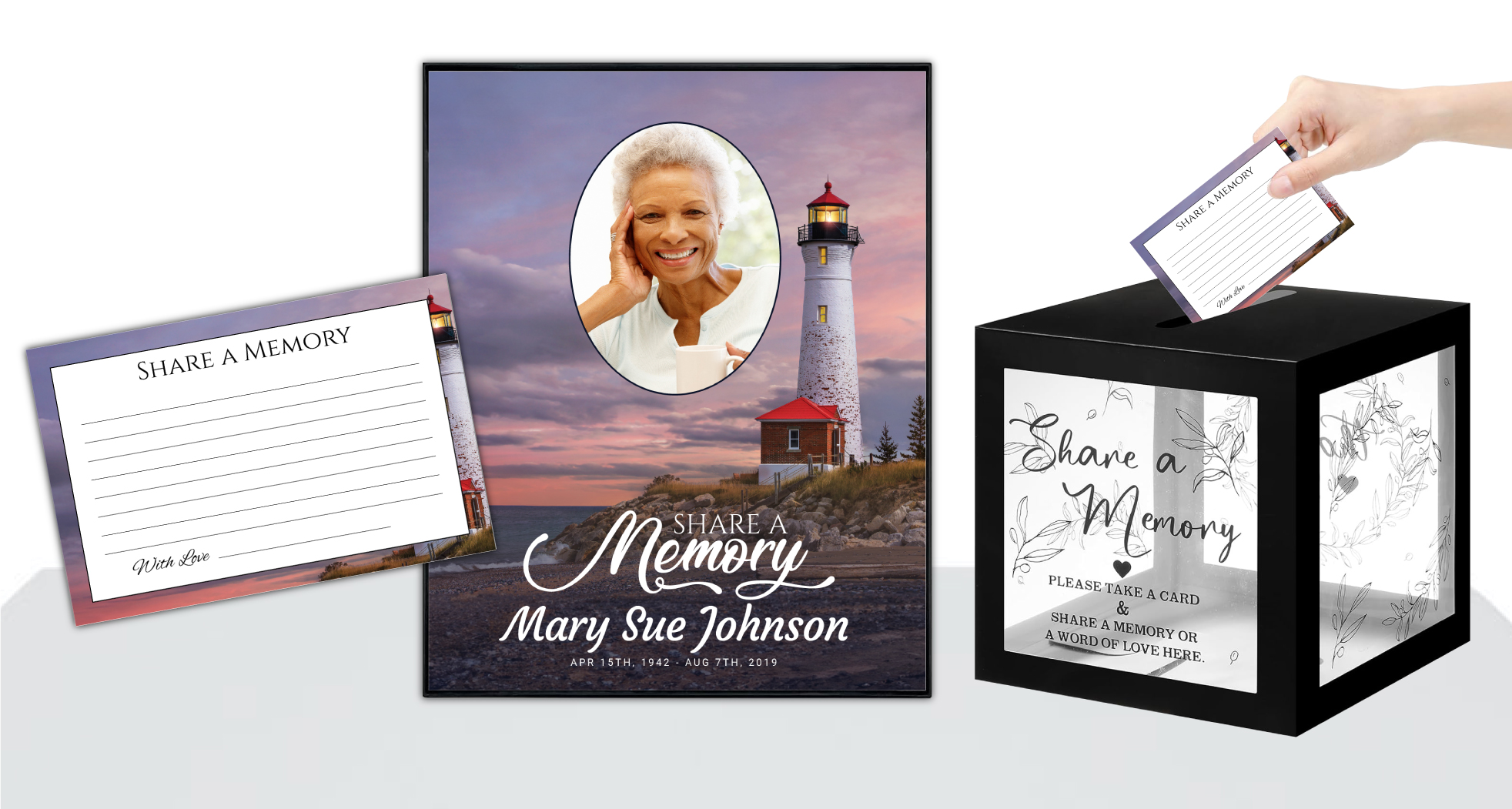 Share-A-Memory Cards
 Memorial Magnets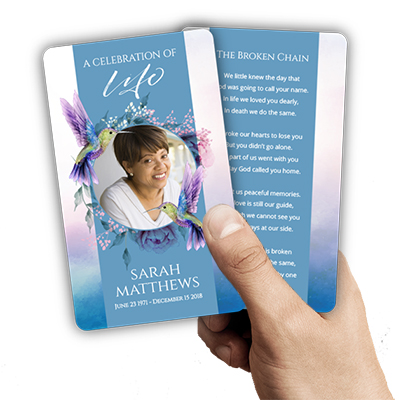
 Memorial Posters
 Guest Books
 Slide Shows
 Memorial Fans
 Death Announcements
 Take Away Keepsakes
 Church Products
Introduction: The Importance of Preserving Funeral Programs
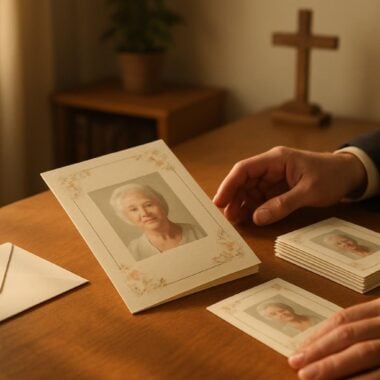
In times of loss, small tokens often take on immense significance. A thoughtfully designed funeral program—whether a simple bi-fold or an elaborate 20-page booklet—can become a treasured keepsake, encapsulating not only the details of a loved one’s service but also the essence of their life and the memories shared. When grief is fresh, these printed memorials serve as tangible reminders of connection, comfort, and the enduring bonds that outlast even the deepest sorrow.
For many families, the desire to preserve funeral programs goes beyond mere sentimentality. These documents can become cherished family heirlooms, handed down through generations, allowing future descendants to learn about those who came before them. Preserving a funeral program means safeguarding a piece of your family’s history—a legacy of love, resilience, and remembrance. Yet, with time, paper can fade, tear, or become lost if not cared for intentionally.
In this article, we’ll walk gently and thoroughly through how to preserve funeral programs as family heirlooms. Our focus will be on the practical, physical steps you can take to ensure your printed programs—whether from a traditional service, celebration of life, or memorial gathering—remain as vibrant and intact as the memories they represent. This guide is designed to be comprehensive and reassuring, offering you concrete methods and gentle guidance for every stage of the preservation process.
We understand the emotional weight behind these keepsakes. As you read on, you’ll find detailed advice about storage, display, lamination, archival materials, and more. Whether you’re safeguarding a single program or an entire collection of bi-fold, tri-fold, or booklet programs, we’re here to help you protect these precious mementos. Let’s explore together how to honor your loved one’s memory through careful preservation, ensuring their story endures for generations to come.
Choosing the Right Funeral Program Format for Preservation

The journey to preserve funeral programs as family heirlooms often begins with the format you select. Each style—be it a classic bi-fold, an intricate tri-fold, or a multi-page booklet—offers unique preservation considerations. Understanding these differences can help you plan how to best protect your keepsake for years to come.
Every memorial should reflect the unique life and legacy of your loved one. We offer Memorial Bookmarks, Funeral Programs and Prayer Cards to help you create meaningful tributes.
Bi-fold programs, with their straightforward design, are easy to store and display. Their compactness makes them ideal for lamination or archival folders. Tri-fold programs, while offering more space for photographs and tributes, may require additional care to prevent creasing or tearing along their folds. Booklet programs, such as 8-page, 12-page, or even 20-page formats, hold more content and can feel like small family archives in themselves. These larger pieces may need special archival sleeves or binders for long-term storage.
When ordering your program from DisciplePress or another provider, consider the paper type and print quality. Heavier stock, such as what’s used in our booklet programs, often preserves better over time. Likewise, choosing a finished size that fits standard archival materials (like 8.5″x11″) can make future preservation easier. If you’re unsure, browse our Paper Types Guide or contact us for advice on the best options for your needs.
Finally, think about how your family might wish to revisit the program in the future. Will it be passed around at reunions, displayed in a frame, or tucked away with other heirlooms? Selecting the right format now can make preservation less daunting later. Remember, our custom design services can help tailor your funeral program to both your aesthetic and preservation goals, ensuring it stands the test of time as a family treasure.
Lamination: Pros, Cons, and Alternatives
Laminating funeral programs is a common consideration for families hoping to protect these delicate documents from spills, fingerprints, and everyday wear. Lamination creates a sturdy, wipeable layer over your program—often extending the life of bi-fold or tri-fold programs used at services. However, it’s important to weigh the benefits against some possible drawbacks before proceeding.
The main advantage of lamination is durability. Laminated programs can resist moisture, accidental tearing, and fading from light exposure. This method works especially well for single-sheet programs, bookmarks, or prayer cards, which may be handled frequently or displayed as part of a memorial. DisciplePress offers related products, such as memorial bookmarks and prayer cards, that are designed with longevity in mind, making them excellent candidates for lamination.
On the other hand, lamination is permanent and cannot be reversed. If your program includes delicate embellishments—pressed flowers, ribbons, or handwritten notes—these elements may be damaged or flattened during the process. Additionally, some archival experts advise against lamination for historically significant documents, as it may trap acids or moisture that can degrade the paper over decades. For multi-page programs or booklets, lamination may not be practical at all, due to their thickness and assembly.
As an alternative, consider using archival polyester sleeves or folders to protect your programs. These materials are acid-free and allow you to remove and view the program without direct handling. If you still wish to laminate, test with a photocopy first, or consult a preservation specialist to ensure the best outcome. Ultimately, the choice depends on your priorities—whether you value everyday durability or long-term archival safety most. Either way, we’re here to support you with guidance and resources tailored to your keepsake needs.
Archival Storage: Protecting Programs from Light, Moisture, and Time
One of the most crucial steps in preserving funeral programs as family heirlooms is proper archival storage. Over time, exposure to light, humidity, and fluctuating temperatures can cause even high-quality printed materials to deteriorate. By carefully selecting storage methods and environments, you can dramatically extend the life of your cherished programs.
Every memorial should reflect the unique life and legacy of your loved one. We offer Prayer Cards, Memorial Cards and Obituary Templates to help you create meaningful tributes.
Start by choosing acid-free, lignin-free archival folders or boxes, which are specifically designed to prevent yellowing and brittleness. These materials are available at most craft stores and online retailers, and they’re suitable for all types of funeral programs: bi-fold, tri-fold, and multi-page booklets alike. Slide each program into a polyester or polypropylene sleeve before placing it in the folder to guard against dust and handling wear.
Store your archival container in a cool, dry, and dark place—closets or interior rooms are preferable to attics and basements, which may be prone to moisture or temperature extremes. If you have multiple programs, separate them with sheets of acid-free tissue paper to prevent ink transfer or abrasion. For families with larger collections, consider using labeled binders or boxes to organize programs by date, person, or event type.
For additional peace of mind, you might wish to create digital scans of your programs as a backup. While not a substitute for the original, a high-quality digital copy allows you to share the program with relatives or reprint it should anything happen to the physical version. Our Obituary Writing Assistant and custom design services can also help you recreate or update memorial materials if originals become damaged. With thoughtful storage and gentle handling, your funeral programs can remain a source of comfort and connection for generations to come.
Display Options: Framing, Shadow Boxes, and Creative Showcases
Displaying funeral programs allows you to honor your loved one’s memory in a visible, meaningful way while also keeping the document safe from accidental damage. There are many creative and respectful display options, each with its own preservation considerations. The right choice depends on your family’s preferences and the style of the program itself.
Framing a funeral program is a classic option, especially for bi-fold or 8-page programs. Use a frame with UV-protective glass to shield the paper from light exposure, which can cause fading over time. Acid-free matting is essential to prevent discoloration or chemical transfer from the frame to the program. For added protection, avoid hanging framed programs in direct sunlight or humid rooms like bathrooms or kitchens.
Shadow boxes offer a three-dimensional display option, perfect for including not just the program but also related mementos—such as memorial bookmarks, prayer cards, or a favorite photo. Arrange these items thoughtfully, using acid-free mounting corners or photo-safe adhesive. This approach works beautifully for celebration of life programs that feature vibrant colors or artwork. Shadow boxes can be displayed on shelves, mantels, or even as part of a family memorial wall.
If you wish to display but also frequently access the program, consider a tabletop display case with removable panels. This allows family members to view or handle the program on special occasions while keeping it protected the rest of the time. For those seeking flexibility, rotating displays—where you change out the featured program periodically—can also be a thoughtful way to honor multiple loved ones throughout the year.
Handling and Maintenance: Everyday Care for Lasting Preservation
Even the most carefully preserved funeral programs require occasional handling—whether you’re sharing a story with a grandchild, passing it around at a family reunion, or simply revisiting cherished memories. Knowing how to handle these materials with care is key to ensuring they remain in excellent condition for years to come.
Always wash and dry your hands before touching a funeral program, as oils and dirt can transfer onto the paper and cause stains or smudges. For particularly valuable or delicate programs, consider wearing cotton gloves, which are inexpensive and widely available at archival supply stores. Handle programs by their edges, avoiding pressure on folds or decorative elements.
When removing programs from storage, do so gently—don’t force them out of tight sleeves or folders. If you notice any signs of damage, such as tears or loose pages in a booklet program, address them promptly. Small repairs can be made with acid-free archival tape, but for significant deterioration, consult a professional conservator. Many libraries or museums offer referral services for document restoration.
Regularly inspect your programs for signs of mold, insects, or environmental damage, especially if stored in less-than-ideal conditions. If you discover an issue, move the program to a safer location immediately and address the cause (such as a leak or excess humidity). Keeping a simple maintenance log—recording when you last checked or cleaned your storage area—can help ensure your preservation efforts remain consistent over time.
Digitization: Creating Backups and Sharing with Family
While physical preservation is vital, creating digital versions of your funeral programs offers additional security and accessibility. Digitization allows you to share these precious documents with far-flung family members, create backups in case of loss, and even incorporate them into memorial slideshows or printed keepsake items.
To digitize your program, use a high-resolution scanner to create a clear, color-accurate image of each page. Save files in both PDF (for easy sharing and printing) and JPEG or TIFF (for archival purposes) formats. For multi-page or booklet programs, scan each side carefully, ensuring no content is cut off or blurred. Many families choose to save digital files on cloud storage services, which provide additional protection against hardware failure or natural disasters.
Digitized programs can also be used to create new keepsakes. For example, you might wish to have a favorite poem or photo from the program printed onto a memorial bookmark, or incorporated into a custom prayer card or thank you card. DisciplePress offers a variety of memorial cards, bookmarks, and even obituary templates to help you turn digital memories into tangible, lasting tributes.
Sharing digital copies helps keep family history alive for future generations. Consider creating a shared online folder or private website where relatives can view, download, or print copies as needed. This is especially helpful for large families or those separated by distance. By combining physical preservation with digital backup, you create a truly resilient family archive that can stand the test of time and change.
Incorporating Programs into Family Heirloom Collections
Funeral programs are often just one piece of a broader family history. By integrating them into larger heirloom collections—alongside photos, letters, memorial bookmarks, and other mementos—you create a more complete and meaningful story for future generations. Thoughtful organization and curation are key to ensuring each item is valued and preserved appropriately.
Start by gathering related materials, such as memorial cards, prayer cards, and thank you cards from the service. These small items can be stored together with funeral programs in archival boxes or family albums. Organize by individual, family branch, or chronological order, depending on what makes sense for your family’s narrative. Using labeled dividers or index cards can help future generations navigate the collection with ease.
Consider creating a dedicated memory chest or heirloom box, where you include not just printed materials but also small keepsakes—like a favorite tie, piece of jewelry, or dried flower from the memorial. For families who value storytelling, include written notes or short remembrances explaining the significance of each program or item. Over time, this collection becomes a living archive of your family’s love, resilience, and faith.
If you have multiple programs from different services—bi-fold, tri-fold, or booklet formats—consider creating a family memorial binder. Use archival page protectors to keep each program safe and accessible. This approach makes it easy to add new programs over time and to share the collection with relatives during gatherings or anniversaries. With every addition, you honor not just the individual, but the tapestry of memory that binds your family together.
Related Articles
Conclusion: Honoring Memory Through Thoughtful Preservation
Preserving funeral programs as family heirlooms is an act of love—one that extends comfort, connection, and remembrance to future generations. Through careful selection of format, intentional storage, gentle handling, and creative display, you can ensure that these precious documents remain vibrant and intact for years to come. Each step, from choosing acid-free materials to digitizing for backup, is a testament to the care and respect you show for your loved one’s legacy.
As you embark on this journey, remember that you’re not alone. DisciplePress offers a wide range of funeral programs, including bi-fold, tri-fold, and multi-page booklets, as well as memorial bookmarks, prayer cards, and custom design services to support your preservation goals. Our same-day printing and rush order options are available to help when time is of the essence, and our team is always ready to answer questions or offer guidance, no matter where you are in the process.
Take comfort in knowing that every small action you take—whether laminating a program, storing it in an archival box, or sharing a digital copy with family—contributes to the enduring story of your loved one’s life. These preserved programs can become touchstones of memory and hope, offering solace not just today, but for generations yet to come.
If you need assistance choosing the right preservation method, or if you wish to reorder programs or create new keepsakes, please don’t hesitate to contact us. We are here to walk alongside you with compassion, expertise, and understanding every step of the way.
May your family’s legacy be honored, cherished, and preserved—today and always. Learn more about DisciplePress and our commitment to serving families. Browse our design gallery for inspiration. For personalized assistance, please contact us.