 Free Shipping Over $50
  888-432-8363


 Obituary/Programs
 No-Fold Memorial Programs
 4 Page Funeral Programs
 8 Page Memorial Programs
 12 Page Funeral Programs
 16 Page Funeral Programs
 20 Page Funeral Programs
 Tri-Fold Funeral Programs
 Complete Memorial Packages
 Cards & Bookmarks
 Saint Prayer Cards
 Folded Memorial Cards
 Folded Holy Cards
 Memorial Bookmarks
 Thank You Cards
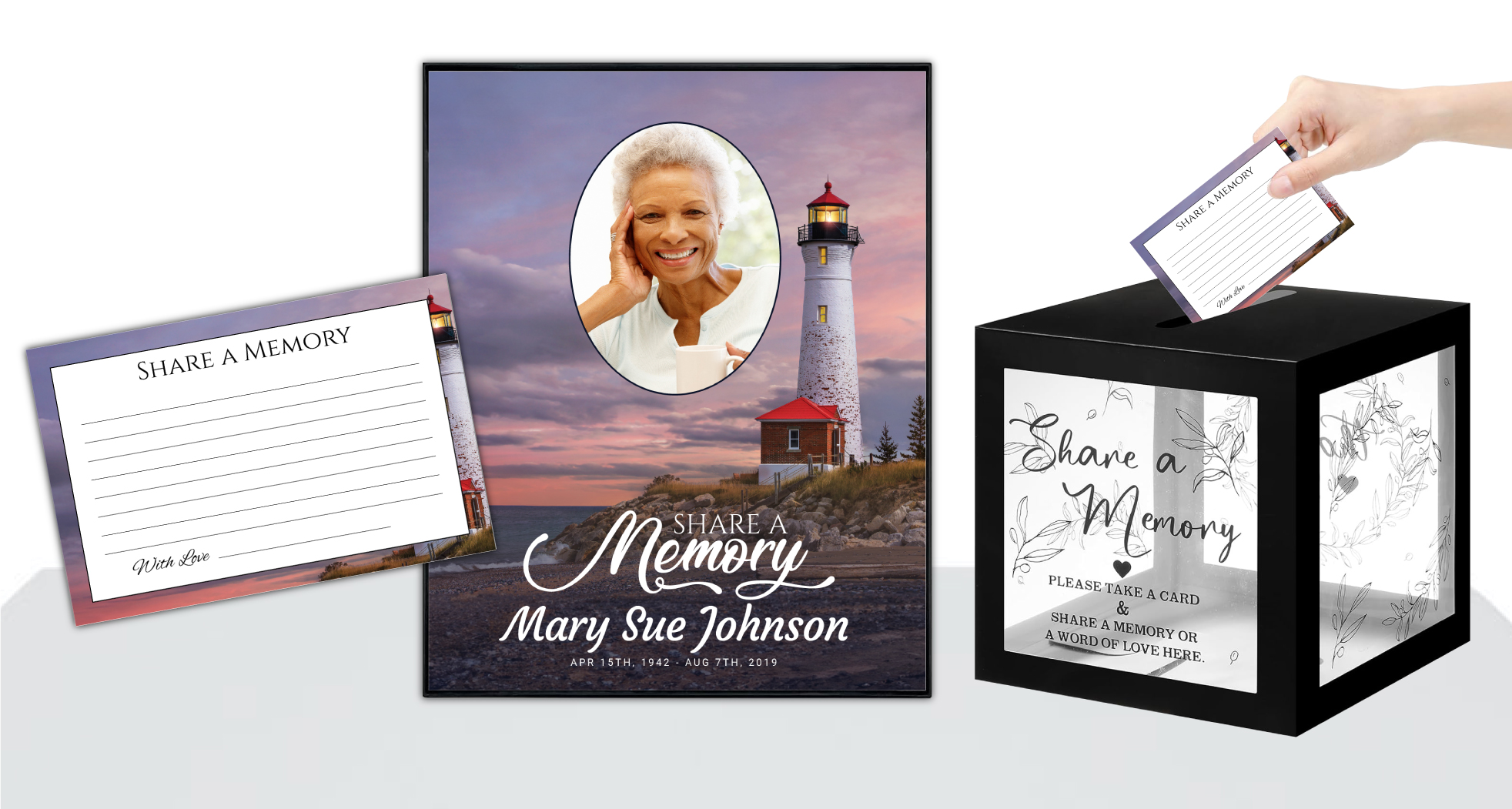 Share-A-Memory Cards
 Memorial Magnets
 Memorial Posters
 Guest Books
 Slide Shows
 Memorial Fans
 Death Announcements
 Take Away Keepsakes
 Church Products
Introduction: Navigating Family Dynamics in Times of Loss
Losing a loved one is one of the most challenging experiences we face in life. As grief settles in, families are immediately faced with the immense responsibility of arranging a funeral or memorial service. The emotional weight of these decisions can be overwhelming, and it’s common for tensions to arise as family members try to honor their loved one’s wishes while also coping with their own loss. In such a vulnerable time, even small disagreements can escalate, making an already difficult situation feel even heavier.
Understanding how to prevent disputes splitting funeral responsibilities is essential for preserving family harmony and ensuring the planning process is as smooth as possible. When roles and tasks are divided thoughtfully and communicated clearly, it helps families focus on what truly matters: celebrating the life of the person they have lost and supporting one another in their grief. Preventing disputes isn’t just about logistics—it’s about fostering compassion, understanding, and unity in the face of loss.
This article will guide you through practical strategies for avoiding conflicts during funeral planning. We will explore communication techniques, documentation methods, transparent task assignment, and the use of resources such as funeral programs and memorial cards to streamline responsibilities. Throughout, our aim is to provide you with actionable advice, real-world examples, and gentle reassurance, so you feel supported at every step.
At DisciplePress, we understand the emotional journey of bereavement and the complexities of planning a meaningful farewell. We hope this article offers comfort, clarity, and concrete steps to help your family come together—honoring your loved one’s memory with peace and shared purpose.
Open Communication: The Foundation of Peaceful Planning

Effective, compassionate communication is the cornerstone of preventing disputes when splitting funeral responsibilities. Grief can amplify emotions, making misunderstandings more likely. By establishing an open dialogue early on, families can lay the groundwork for constructive collaboration and mutual support. It’s important to invite all key family members and stakeholders into the conversation, allowing everyone a chance to express their feelings and expectations.
We’re committed to supporting you through this difficult time with meaningful memorial resources. We offer Memorial Bookmarks, Funeral Programs and Prayer Cards to help you create meaningful tributes.
One practical step is to schedule a family meeting—either in person or virtually—where everyone can share thoughts in a supportive environment. Encourage each participant to voice their ideas about the kind of service they envision, whether it’s a traditional ceremony with bi-fold programs or a more modern celebration of life with custom memorial bookmarks. Listening actively, acknowledging each person’s concerns, and validating emotions helps to diffuse tension before it begins.
To avoid misunderstandings, summarize each discussion point and clarify agreed decisions. For example, if someone volunteers to handle the creation of prayer cards or thank you cards, confirm that everyone is comfortable with that choice. Consider designating a family spokesperson or moderator for these meetings—someone who can facilitate the conversation with empathy and fairness.
It can also help to set guidelines for communication, such as speaking respectfully, avoiding blame, and taking breaks if emotions run high. Remember, grief affects everyone differently. By fostering a climate of kindness and patience, families can better navigate the inevitable challenges that arise during funeral planning.
Defining Responsibilities: Assigning Tasks with Clarity and Fairness
Clearly defining responsibilities is crucial in preventing disputes when splitting funeral planning duties. Ambiguity about who is handling which task can lead to duplication of effort, missed deadlines, or feelings of exclusion. To avoid this, create a comprehensive list of all necessary tasks, from selecting a funeral home partner to ordering memorial cards, and assign each role transparently.
Start by outlining the main categories: service arrangements, obituary writing, program design and printing, keepsake selection, and thank-you notes. Within each, specify sub-tasks—such as choosing between tri-fold programs or 8-page programs, or deciding on the content for share a memory cards. Assign tasks based on each family member’s strengths, availability, and preferences. For example, someone with a flair for design might enjoy working with custom design services to create a meaningful funeral program, while another may prefer coordinating logistics.
Use a shared document or checklist—either digital or printed—to track assignments and progress. This approach reduces confusion and ensures accountability. If disagreements arise over who should handle a specific duty, return to the group discussion, and seek consensus. Sometimes, rotating tasks or pairing family members on larger responsibilities can help balance the workload and prevent feelings of resentment.
Remember to be flexible. If someone becomes overwhelmed, offer to redistribute tasks or seek outside help. The goal is to honor your loved one while supporting each other. DisciplePress offers a variety of products, such as large memorial cards and funeral guest books, which can be easily divided among family members for ordering and personalization. This division not only lightens the load but also allows everyone to contribute in a meaningful way.
Documenting Decisions: Creating a Transparent Record
Thorough documentation is a powerful tool for preventing misunderstandings and disputes during funeral planning. When decisions are captured in writing, it creates a clear, shared reference point that everyone can consult. This transparency can be especially helpful in large families or when coordinating with relatives who live far apart.
We’re committed to supporting you through this difficult time with meaningful memorial resources. We offer Prayer Cards, Memorial Cards and Obituary Templates to help you create meaningful tributes.
Begin by keeping detailed notes of all meetings and conversations related to funeral arrangements. Record who is responsible for which tasks—such as ordering 12-page programs or arranging for same-day printing of memorial cards—and include deadlines or milestones. Use a simple spreadsheet or a shared online document to organize this information. Share updates regularly, so everyone is kept in the loop.
When making significant choices—such as selecting a venue, finalizing program content, or choosing between celebration of life programs and more traditional formats—document the rationale and any input from family members. This helps to prevent second-guessing or disputes about what was decided and why. Encourage family members to review and confirm these records, offering corrections or suggestions as needed.
For tasks involving financial commitments, such as paying for rush orders or custom design services, maintain receipts and agreements in a shared folder. Transparency about costs and payments can prevent misunderstandings and ensure that expenses are divided fairly. If conflicts arise, refer back to your documented agreements for resolution. This gentle approach reassures everyone that their voices are heard and respected.
Assigning Print and Keepsake Orders: Ensuring Fairness and Transparency
Ordering funeral programs, memorial bookmarks, and other printed keepsakes is an important part of honoring your loved one’s memory. Assigning these tasks thoughtfully can help prevent disputes and ensure each family member feels included. Begin by making a list of all print items needed—such as bi-fold programs, prayer cards, and memorial fans—and discuss preferences for style, content, and quantity.
Decide together who will coordinate with your chosen funeral printing provider. If several family members want to be involved, consider dividing responsibilities by product type—for example, one person may handle the order for tri-fold programs while another oversees thank you cards. DisciplePress offers a variety of formats and options, making it easier to personalize each element and share the workload.
It’s helpful to document each step of the ordering process, from choosing designs in the design gallery to approving proofs and confirming turnaround time. Share progress with the whole group, and invite feedback on drafts or sample prints. This collaborative approach not only prevents confusion but also allows for collective decision-making, ensuring everyone feels invested in the final outcome.
When orders are placed, keep all communication—such as order confirmations and receipts—in a shared folder. If urgent deadlines arise, such as needing memorial cards for a same-day service, make sure everyone understands the importance of timely approvals and payments. By assigning print and keepsake orders transparently, families can avoid last-minute stress and honor their loved one with beautifully crafted mementos.
Addressing Sensitive Issues: Handling Disagreements with Compassion
Despite our best efforts, disagreements may still arise when splitting funeral responsibilities. Emotions run high, and personal histories can resurface, making certain issues especially sensitive. When tensions occur, it’s important to approach them with empathy, patience, and a focus on shared goals.
If a disagreement emerges—such as differing opinions on the design of funeral programs or the selection of obituary templates—pause and acknowledge the feelings involved. Remind everyone that each family member’s perspective is shaped by their unique relationship with the deceased. Allow space for each person to express their views without interruption or judgment.
When consensus seems elusive, consider seeking mediation from a neutral third party, such as a trusted friend, clergy member, or funeral director. Sometimes, an outside perspective can help bridge divides and identify solutions that honor everyone’s wishes. For example, compromise by including multiple readings or memorial quotes in the program, or by choosing both religious and non-religious prayer cards to reflect diverse beliefs.
Focus on the bigger picture: celebrating the life of your loved one and supporting each other through grief. If a task is particularly contentious, consider rotating responsibilities or delegating it to someone less emotionally invested. Remember, DisciplePress’s custom design services can help create personalized materials that incorporate a variety of preferences, easing the burden of decision-making and reducing conflict.
Involving Professionals: When and How to Seek Help
Sometimes, the complexity of funeral planning or the depth of family conflict calls for professional assistance. Recognizing when to seek help is a sign of strength and love—both for your departed loved one and for your family. Funeral directors, grief counselors, and printing specialists can offer valuable guidance and support throughout the process.
If disagreements become persistent or threaten to derail planning, reach out to a funeral home partner or a trusted counselor. These professionals are experienced in navigating family dynamics and can suggest fair methods for dividing tasks or mediating disputes. They can also help families understand local customs, legal requirements, and available resources, reducing stress and confusion.
For print-related needs, DisciplePress’s team is always available to consult on product options—from 16-page programs to memorial garden flags—and assist with rush orders or same-day printing if time is of the essence. Lean on our custom design services to help translate your family’s wishes into tangible, meaningful keepsakes, ensuring everyone’s contributions are honored.
Don’t hesitate to ask for help with administrative tasks, such as coordinating delivery or handling order logistics. Professional support can free your family to focus on what matters most: sharing memories, offering comfort, and beginning the healing journey together.
Following Up: Maintaining Harmony After the Service
Once the funeral or memorial service concludes, it’s natural to feel a mix of relief and lingering emotions. The period after the ceremony is an opportunity to reinforce family bonds and ensure that any unresolved concerns are addressed with care. Taking time to check in with each other can help prevent conflicts from festering and support ongoing healing.
Gather as a family—either in person or virtually—to reflect on the service and share feedback. Acknowledge everyone’s efforts, whether it was coordinating 20-page programs, designing memorial car tags, or writing heartfelt thank you cards. Expressing gratitude and recognizing contributions helps each person feel valued and appreciated.
If any issues remain unresolved—such as disagreements about memorial bookmarks or the handling of keepsake options—address them gently and with understanding. Focus on open communication and a willingness to listen. Sometimes, simply revisiting earlier conversations with less emotional intensity can lead to resolution.
Maintain records of orders, receipts, and decisions for future reference. If additional items are needed—such as memorial garden stakes or obituary templates—work together to assign new responsibilities and continue the spirit of collaboration. Remember, DisciplePress is always here to support you with resources, guidance, and compassionate service.
Related Articles
Conclusion: Honoring Loved Ones Through Unity and Compassion
Navigating funeral planning is never easy, especially when emotions are raw and responsibilities must be divided. By prioritizing open communication, clear documentation, and thoughtful assignment of tasks, families can prevent disputes and foster a sense of unity. Remember, the goal is not just to manage logistics, but to celebrate your loved one’s life and support each other in grief.
We hope this guide on how to prevent disputes splitting funeral responsibilities has given you practical tools and gentle reassurance. From outlining tasks and documenting decisions to assigning print orders for funeral programs and memorial cards, every step can be taken with care and transparency. When needed, don’t hesitate to involve professionals or seek support from trusted resources.
At DisciplePress, we are honored to walk alongside families during these tender moments. Whether you need bi-fold programs, custom memorial bookmarks, or help with rush orders, our team is here to make the process smoother and more meaningful. Explore our design gallery, review our paper types guide, or contact us for personalized assistance—whatever you need, we’re here to help.
Above all, remember that compassion, patience, and mutual respect are the greatest gifts you can offer each other. As you move forward, may your family find peace, healing, and comfort in the shared memories and lasting tributes you create together. Learn more about DisciplePress and our commitment to serving families. Browse our design gallery for inspiration. For personalized assistance, please contact us.