 Free Shipping Over $50
  888-432-8363


 Obituary/Programs
 No-Fold Memorial Programs
 4 Page Funeral Programs
 8 Page Memorial Programs
 12 Page Funeral Programs
 16 Page Funeral Programs
 20 Page Funeral Programs
 Tri-Fold Funeral Programs
 Complete Memorial Packages
 Cards & Bookmarks
 Saint Prayer Cards
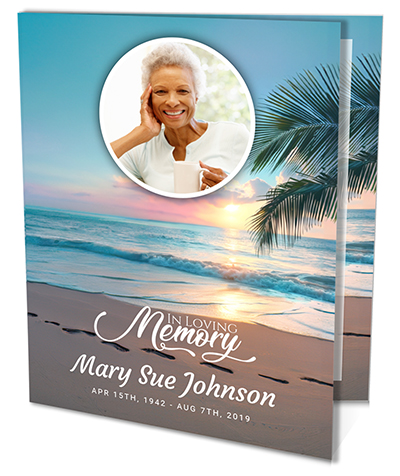 Folded Memorial Cards
 Folded Holy Cards
 Memorial Bookmarks
 Thank You Cards
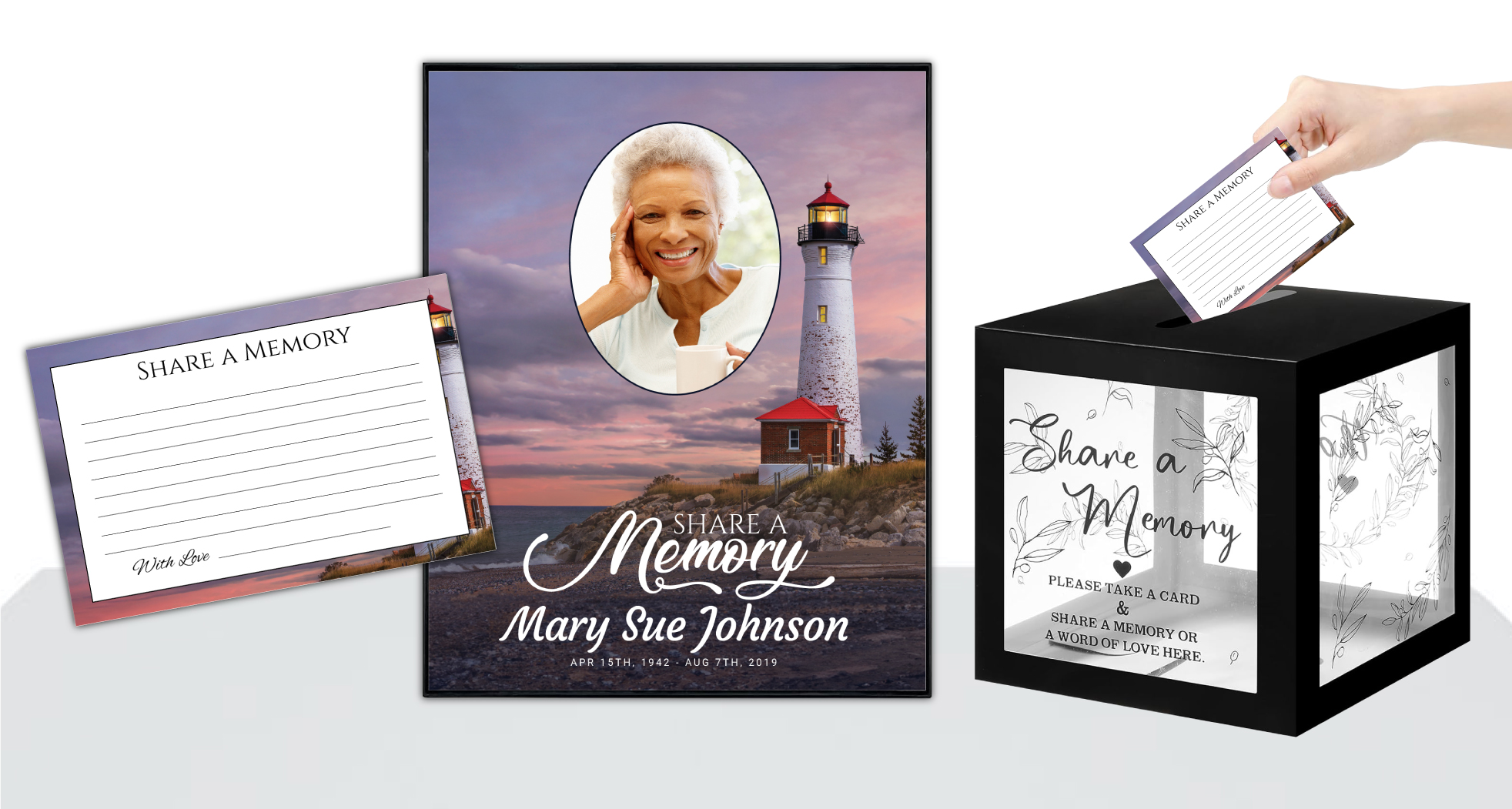 Share-A-Memory Cards
 Memorial Magnets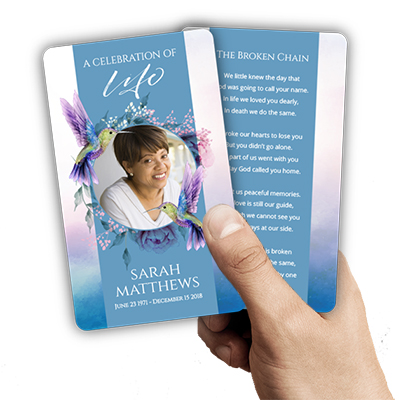
 Memorial Posters
 Guest Books
 Slide Shows
 Memorial Fans
 Death Announcements
 Take Away Keepsakes
 Church Products
Finding Compassion in Distance: Understanding the Unique Challenge
When we lose a distant relative or an acquaintance, the sense of loss is often mingled with uncertainty. You might be reading this because you’ve been asked to help honor someone’s life, but your personal connection was limited, or perhaps you only knew them through others. Writing an obituary for a distant relative can feel daunting: how do you respectfully capture a life you didn’t share closely, especially when the obituary will be cherished in printed keepsakes like funeral programs or memorial cards?
It’s important to recognize that these feelings are valid. Many people find themselves in this position, whether out of family duty, community ties, or simply because no one else is available. The pressure to “get it right” is real—especially when time is short and emotions are high. You want to be respectful and accurate, but you may worry about saying too much, too little, or unintentionally causing pain.
This article gently guides you through the process of writing an obituary for a distant relative or acquaintance. We’ll discuss how to gather essential information, set an appropriate tone, choose meaningful details, and select language that feels both kind and authentic. You’ll find practical tips, sample sentences, and advice for contributing a warm, thoughtful remembrance that will bring comfort to those who knew the departed best.
We understand that your role is a compassionate one. Our hope is to provide clarity, support, and encouragement as you honor a life, however brief your intersection may have been. We’ll also explore how your words can be beautifully presented in bi-fold programs, tri-fold programs, and other keepsakes from DisciplePress, so that your tribute becomes a lasting part of the memorial. Let’s walk through this together.
Gathering the Essentials: Where to Begin When You Didn’t Know Them Well

The first step in writing an obituary for a distant relative or acquaintance is gathering accurate information. If you didn’t share a close relationship, you may not have access to personal stories or intimate details. Still, every obituary—no matter how brief—should include essential facts: full name, age, place and date of birth, date of passing, and surviving family members. Reaching out to a close family member, friend, or even the funeral director can help fill in these blanks.
DisciplePress is dedicated to helping families honor their loved ones with dignity and care. We offer Memorial Bookmarks, Funeral Programs and Prayer Cards to help you create meaningful tributes.
Consider preparing a simple list of questions before you make contact. Ask about the person’s occupation, key life events, community involvement, and any hobbies or interests that were significant. Even a few basic details can provide the foundation for a respectful tribute. For example, you might learn that your cousin enjoyed gardening or volunteered at a local church—small facts that add warmth to your writing.
If your timeline is tight, don’t hesitate to ask for help. DisciplePress offers a Free Obituary Writing Assistant to help you organize essential information quickly and efficiently. This tool can be a lifesaver when you’re working under pressure or feeling overwhelmed. Remember, it’s okay to keep things simple if you don’t have much to go on; clarity and accuracy are always more important than length or detail.
As you gather facts, keep in mind the intended use for the obituary. Whether it will appear in a funeral program (such as 8-page, 12-page, or 16-page options), a prayer card, or an online announcement, making sure the information is correct will help avoid confusion or distress later on. If you’re unsure about a detail, it’s better to leave it out than risk including something inaccurate.
Above all, approach your information gathering with sensitivity. Let others know you’re there to help, and reassure them that you want to honor their loved one’s memory as thoughtfully as possible. A gentle, open attitude can foster trust and encourage others to share what they remember.
Setting the Right Tone: Respectful, Warm, and Appropriate for Keepsakes
Tone matters deeply in obituary writing, especially when the deceased was a distant relative or acquaintance. You may not have shared private moments or family traditions, but your words can still convey warmth, dignity, and respect. Focus on creating a tribute that feels kind and measured—never cold or impersonal. This is particularly important for printed keepsakes like booklet programs or memorial bookmarks, which families may cherish for years to come.
Begin by acknowledging the loss in universal terms. Phrases such as “We are saddened to announce the passing of…” or “The community mourns the loss of…” allow you to express empathy without implying a deeper personal connection than you actually had. If you’re unsure, err on the side of simplicity: “John Smith, aged 67, passed away peacefully on March 10, 2024.”
Avoid overly familiar language or anecdotes unless you’re certain they’re accurate and appropriate. Instead, focus on facts and broader qualities: “She will be remembered for her kindness and dedication to her work,” or, “He was known for his quiet generosity.” These phrases show respect while maintaining a suitable distance.
Consider the audience for the obituary. In most cases, it will be family members, friends, and community members who had a closer relationship with the deceased. Your goal is to provide a dignified notice that allows them to reflect, grieve, and remember. This approach also ensures that the text will feel appropriate when included in formal items like 8-page programs or prayer cards.
Always review your draft for tone before submitting it for printing. If possible, ask another family member or friend to read it and share their impressions. Their feedback can help ensure your words feel both accurate and comforting—qualities that matter deeply in times of loss.
Choosing Meaningful Details: What to Include (and What to Leave Out)
When you didn’t know the deceased well, it can be difficult to determine which details to include in the obituary. Focus on verifiable facts and public aspects of their life. This might include their career, military service, volunteer work, or participation in community organizations. If the person was known for a particular passion—such as music, gardening, or charitable work—these details can add a personal touch without requiring intimate knowledge.
We’re committed to supporting you through this difficult time with meaningful memorial resources. We offer Prayer Cards, Memorial Cards and Obituary Templates to help you create meaningful tributes.
Sample sentences might include: “Mary was a dedicated nurse at St. Luke’s Hospital for over 30 years,” or, “He was a longtime member of the Rotary Club and enjoyed supporting local causes.” These statements give readers a sense of the person’s life and values, while remaining respectful and appropriate for a distant relationship.
It’s also acceptable to keep things simple. If you lack detailed information, a brief summary can still be meaningful: “She will be remembered by her family and friends for her quiet strength and gentle spirit.” Avoid speculation or unverified stories, as these can unintentionally cause confusion or pain.
Be mindful of privacy. Unless the family specifically requests it, avoid sensitive topics or details that could be seen as intrusive. If you’re unsure about including a particular fact, consult with someone closer to the deceased. Remember, the obituary will be a permanent part of funeral programs and keepsakes, so it’s crucial to respect the wishes and boundaries of those most affected.
Finally, consider the format and length of the printed item. For example, bi-fold programs may require a concise notice, while larger 16-page programs can accommodate longer tributes. Adjust your content to fit, ensuring that every word serves a purpose.
Obituary Structure and Sample Phrases: Building a Gentle, Balanced Tribute
A clear structure can make writing an obituary for a distant relative or acquaintance less overwhelming. Start with the basics: full name, age, date and place of passing, and familial connections. Then, if possible, add a few sentences about their life or character, and conclude with information about the funeral or memorial service. This straightforward format works well in all DisciplePress funeral programs, from 8-page to 20-page programs.
Here are sample phrases you can use or adapt:
- “It is with deep sorrow that we announce the passing of [Full Name], who departed this life on [Date].”
- “[First Name] was born in [City, State] and spent many years in [Community/Occupation].”
- “He/She was known for [positive attribute or involvement], and will be fondly remembered by all who knew them.”
- “Survived by [list immediate family members].”
- “A private service will be held at [Location] on [Date].”
If the obituary will appear in a prayer card or memorial card, consider adding a comforting quote or Bible verse. Visit our Bible Verses Collection or Funeral Poems Collection for inspiration. For non-religious services, a simple phrase like “Forever in our hearts” is always appropriate.
Keep your language gentle and formal, especially if you’re unsure of the deceased’s personality or relationships. Avoid humor, inside jokes, or personal anecdotes unless they are widely known and appreciated. The goal is to create a tribute that feels inclusive and respectful to all readers, particularly those who were closest to the person.
Finally, review your structure and content to ensure that it flows smoothly and covers all necessary information. If you’re using one of our obituary templates, these guidelines will help you fill in the blanks with confidence and care.
Addressing Gaps: What to Do When Information Is Missing
It’s common to encounter missing information when writing an obituary for a distant relative or acquaintance. Perhaps family relationships are unclear, or details about their early life or accomplishments are unavailable. In these cases, focus on what you do know, and don’t be afraid to keep the tribute brief but sincere. Quality and accuracy matter more than length.
If you’re missing names of survivors, you might write, “He is survived by loving family and friends.” If the person’s career or interests are unknown, it’s acceptable to omit those sections entirely. Avoid filling gaps with assumptions or hearsay. Instead, use neutral, compassionate language: “She touched the lives of many in her community,” or, “He will be remembered with fondness by all who knew him.”
When you’re unable to obtain more information, consider reaching out to a funeral director or using the Free Obituary Writing Assistant. These resources can help you organize your thoughts and ensure that essential elements are included. For families in a hurry, DisciplePress offers same-day printing and rush orders on funeral programs, so you don’t need to worry about delays if information arrives late.
If you are asked to write for a blended family or a complex situation, it’s wise to consult with someone who has a fuller picture of the relationships involved. Respect privacy, and if in doubt, keep your statements broad and inclusive. Remember, the obituary is a public document and a keepsake, so sensitivity is paramount.
Above all, don’t let gaps in knowledge keep you from offering a kind remembrance. The act of honoring a life—however briefly or simply—can bring comfort to those who grieve, even when details are scarce.
Personalizing Within Boundaries: Honoring a Life Without Overstepping
Personalization can make even a short obituary feel meaningful, but it’s important to respect boundaries when your connection to the deceased was limited. Use general observations or widely known facts to add a human touch. For instance, “He enjoyed spending time outdoors,” or, “Her kindness was felt by neighbors and friends alike,” are gentle ways to acknowledge character without presuming intimacy.
If you know the person was involved in specific community activities, mention those: “A regular at the local library, she valued learning and friendship.” For those with military service or significant volunteer work, highlight their contributions: “He served honorably in the U.S. Army,” or, “She gave generously of her time to Meals on Wheels.” These details are appropriate for all types of funeral programs and memorial cards, and help the obituary feel more personal.
Always avoid speculation or personal opinions, especially on sensitive matters. If you’re unsure about including a particular memory or detail, it’s best to leave it out or check with someone closer to the family. Neutrality doesn’t mean a lack of warmth; even simple statements can be comforting when expressed thoughtfully.
Consider adding a universal message of condolence or hope. Sentiments like, “May she rest in peace,” or, “His memory will be cherished by all who knew him,” are respectful and inclusive. These phrases work well for keepsakes such as memorial bookmarks or prayer cards, and can be paired with a favorite verse or poem if desired.
Personalization is about honoring the individual without overstepping the boundaries of your relationship. By focusing on positive, widely known traits and contributions, you can create a tribute that feels sincere and appropriate for everyone who will read it.
Formatting for Funeral Programs and Keepsakes: Practical Tips for Print
Once your obituary is written, consider how it will be presented in print. Funeral programs, prayer cards, and memorial bookmarks are treasured keepsakes for many families. At DisciplePress, we offer a wide range of formats—from bi-fold and tri-fold programs to 20-page programs—each with different space requirements and design possibilities.
Ensure your text is clear and easy to read. Use short paragraphs and avoid dense blocks of text, especially if the obituary will be used in smaller items like memorial cards or bookmarks. Proofread carefully for spelling, grammar, and factual accuracy; mistakes can be especially painful in printed materials that families will keep for years.
If you’re uncertain about design or formatting, our custom design services can help you create a beautiful, polished keepsake. We can incorporate the obituary into a variety of themes, including angel-themed programs, nature-themed programs, and faith-based programs, ensuring your tribute reflects the spirit of the service.
If you need your printed materials quickly, don’t hesitate to ask about our same-day printing or rush order options. Our team understands the urgency and emotional weight of funeral planning, and we strive to make the process as smooth as possible for every family we serve.
Remember, the printed obituary may be read many times over the years. Taking a little extra care with formatting and presentation can turn your words into a meaningful, lasting tribute.
Supporting Yourself and Others: Emotional Care While Writing
Writing an obituary for a distant relative or acquaintance can bring up unexpected emotions. You may feel sadness, anxiety, or even guilt about your limited connection. It’s important to acknowledge these feelings and give yourself permission to experience them without judgment. Remember, your role is to provide comfort and clarity, not to have all the answers.
If the process feels overwhelming, take breaks as needed. Reach out to others for support—whether it’s a family member, a friend, or a funeral director. Sharing the responsibility can ease the burden and often results in a more complete, balanced obituary. If time allows, consider asking others to review your draft for accuracy and tone.
Remember that your contribution matters, even if it’s brief or simple. By helping to create a respectful tribute, you are playing an important part in the grieving process. Your words can provide comfort to those who are suffering, and your effort is a meaningful act of service.
Don’t hesitate to use resources available to you, such as the Free Obituary Writing Assistant or guidance from experienced funeral professionals. These tools exist to support you and make the process less stressful. If you’re facing a tight timeline, know that DisciplePress offers same-day printing and rush orders to help ensure everything is ready when you need it.
Finally, extend grace to yourself. Writing under pressure, especially in the context of loss, is never easy. Your willingness to help—however limited your knowledge—reflects kindness and care, both for the deceased and for their loved ones.
Related Articles
Conclusion: Gentle Encouragement and Next Steps
Writing an obituary for a distant relative or acquaintance is a sensitive, sometimes challenging task. While you may not have shared a close relationship, your effort to honor their life with respect and sincerity is meaningful. Focus on accurate information, a warm yet neutral tone, and gentle personalization within the boundaries of your knowledge. These choices will help your tribute feel authentic and comforting to those who knew the deceased best.
Remember to make use of helpful resources, like our Free Obituary Writing Assistant, and seek input from others when possible. Whether your words will appear in a funeral program, memorial card, or other keepsake, taking care with your writing and formatting ensures your tribute will be a lasting comfort.
If you need assistance with custom design, printing options, or have questions about same-day printing or rush orders, please contact us. The DisciplePress team is here to support you with compassion and expertise at every step.
Grief takes many forms, and every act of remembrance—no matter how small—can offer healing. We hope this guide brings you clarity, comfort, and the confidence to honor a life thoughtfully. Thank you for allowing us to be part of your journey in this important moment. Learn more about DisciplePress and our commitment to serving families. Browse our design gallery for inspiration. For personalized assistance, please contact us.