 Free Shipping Over $50
  888-432-8363


 Obituary/Programs
 No-Fold Memorial Programs
 4 Page Funeral Programs
 8 Page Memorial Programs
 12 Page Funeral Programs
 16 Page Funeral Programs
 20 Page Funeral Programs
 Tri-Fold Funeral Programs
 Complete Memorial Packages
 Cards & Bookmarks
 Saint Prayer Cards
 Folded Memorial Cards
 Folded Holy Cards
 Memorial Bookmarks
 Thank You Cards
 Share-A-Memory Cards
 Memorial Magnets
 Memorial Posters
 Guest Books
 Slide Shows
 Memorial Fans
 Death Announcements
 Take Away Keepsakes
 Church Products
Introduction: Facing the Challenge of Writing a Parent’s Obituary
Losing a parent is one of life’s most profound transitions. In the immediate aftermath of such a loss, you may feel overwhelmed by grief, memories, and the need to make countless arrangements. Among these, writing an obituary for a parent often stands out as both an emotional and urgent task. Many families feel unprepared, pressed for time, and unsure where to begin—yet the obituary becomes a cherished keepsake, a printed tribute in funeral programs, and a lasting expression of love.
At DisciplePress, we deeply understand the weight of this responsibility. We know that families come to us not just for funeral printing, but for guidance and support during some of their most difficult moments. The process of honoring a parent’s life in words can feel daunting, especially when there’s pressure to capture not just facts, but the heart and legacy of someone so dear. Whether you’re working alone or with siblings and relatives, the task can feel both meaningful and overwhelming.
This article is designed to gently walk you through how to write an obituary for a parent, especially when time is short and emotions are high. We’ll offer practical steps, comfort, and specific advice to help you create a tribute that truly honors your loved one. You’ll find support for structuring the obituary, deciding what to include, and using it within our various funeral program formats. We’ll also explore ways to involve family, handle sensitive details, and use available resources like our Free Obituary Writing Assistant.
Most importantly, we hope to reassure you: you are not alone. There is no “perfect” obituary—only a heartfelt expression of love. With guidance, you can create something beautiful under pressure, and we are here to help every step of the way.
Understanding the Purpose and Pressure of a Parent’s Obituary

When you begin to write an obituary for a parent, it’s natural to feel an enormous sense of responsibility. The obituary serves several purposes: it announces your parent’s passing, shares important service details, and provides a loving summary of their life. For many, it’s also a public acknowledgement of grief and a way to invite the community to remember and celebrate a life well-lived.
Every memorial should reflect the unique life and legacy of your loved one. We offer Memorial Bookmarks, Funeral Programs and Prayer Cards to help you create meaningful tributes.
The pressure often comes from multiple directions—time constraints, family expectations, and the desire to do justice to your parent’s memory. It’s important to recognize these feelings and approach the process gently. Remember, even under pressure, your words will be meaningful simply because they come from the heart. Start by giving yourself permission to write imperfectly; you can always refine and edit later.
Many families also feel pressure to balance factual information with emotional resonance. There’s the practical need to include names, dates, and service details for the funeral program, but also the desire to capture the essence of your parent’s character and values. At DisciplePress, we often see families use our bi-fold or 8-page programs to present both the formal obituary and more personal memories or photos, allowing for a fuller, richer tribute.
Finally, recognize that you can ask for help. Involving siblings, other relatives, or close friends can lighten the emotional load and bring in diverse perspectives. Our Free Obituary Writing Assistant can also guide you step-by-step, especially when you’re feeling stuck or overwhelmed by grief. The most important thing is to begin—one sentence at a time.
Gathering Essential Information Quickly and Thoughtfully
When time is short, it helps to have a clear plan for gathering the information you’ll need. Start with the essentials: your parent’s full name, date and place of birth, and date and place of passing. These details form the backbone of the obituary and are needed for all funeral program types, whether you choose a booklet program or a simple bi-fold format.
Next, list immediate surviving family members—spouse, children, grandchildren, siblings—and those who preceded them in death. Don’t worry about capturing every relationship perfectly; focus on those most central to your parent’s story. If you’re unsure, check with family members or refer to previous obituaries in your family for guidance.
Include key milestones: marriage, careers, military service, community involvement, or faith affiliations. These details help paint a picture of your parent’s life and values. Even if you can only recall a few highlights, that’s enough to create a meaningful summary. If your parent was active in their church or community, consider including these affiliations, as they often hold special significance for extended family and friends.
For those using DisciplePress, our obituary templates can help you organize this information efficiently. These templates are especially helpful for families working under deadline, as they prompt you for the most important details and ensure nothing is overlooked. Remember, you can always add more personal touches as you move through the writing process.
Balancing Tone: Honoring Grief While Celebrating Life
One of the most delicate parts of writing an obituary for a parent is setting the right tone. You may be feeling deep sorrow, but you might also want to celebrate the joys, accomplishments, and quirks that made your parent unique. Striking this balance—especially under pressure—can feel challenging, but a few guiding principles can help.
We’re committed to supporting you through this difficult time with meaningful memorial resources. We offer Prayer Cards, Memorial Cards and Obituary Templates to help you create meaningful tributes.
Begin with honesty and warmth. It’s perfectly acceptable to acknowledge your parent’s passing with gentle, compassionate language. Phrases like “passed away peacefully” or “entered eternal rest” are commonly used, but you can personalize this to suit your family’s preferences or faith traditions. If your parent’s death was unexpected, you might choose words that reflect that reality while still being sensitive to those who will read the obituary.
Highlight positive memories and qualities. Even a short anecdote—a favorite saying, a hobby, or a special tradition—can bring the obituary to life. For example, “She was known for her homemade pies and open-door hospitality” or “He never missed a Saturday morning at the little league field.” These touches help readers remember your parent as a vibrant individual, not just a list of dates and facts.
Finally, consider the needs of your audience. The obituary will be read by friends, distant relatives, and sometimes coworkers who may not know all the details of your parent’s life. Keep the language welcoming and inclusive. If you’re including the obituary in a celebration of life program, you might want to use a more uplifting tone, while a traditional funeral program may lend itself to a more formal style. Our custom design services can help tailor the look and feel of your programs to match the tone you set in your writing.
Structuring the Obituary: A Step-by-Step Approach
Having a clear structure can make the writing process much less stressful. Most obituaries follow a familiar pattern, which you can adapt to your needs and available space in the funeral program. Here’s a step-by-step approach you can use:
1. Announcement of Passing: Begin with your parent’s full name, age, and place of residence at the time of passing. For example: “John Samuel Carter, age 78, of Springfield, passed away peacefully on June 3, 2024.”
2. Life Overview: Briefly summarize your parent’s major life events—birth, marriage, career, and community involvement. This section can be a few sentences or a full paragraph, depending on the space available in your chosen funeral program format (such as a tri-fold or 8-page program).
3. Personal Touches: Add personal details, such as favorite hobbies, special achievements, or cherished family traditions. These details help readers connect with your parent’s unique story. For example: “Mary found great joy in her garden and spent countless hours tending to her beloved roses.”
4. Family and Survivors: List surviving family members, typically in order of closest relation. If space allows, you can also mention those who preceded your parent in death. This is especially meaningful in more extensive booklet programs or 12-page programs.
5. Service Details: Include information about the funeral, memorial service, or celebration of life, along with location, date, and time. If you’re using DisciplePress for printing, these details can be featured prominently in your program, prayer cards, or memorial cards.
6. Closing and Special Thanks: Some families choose to end with a favorite quote, Bible verse, or a simple thank you to caregivers or community members. Our Bible Verses Collection and Funeral Poems Collection provide many comforting options for this section.
Involving Family and Sharing the Emotional Load
Writing an obituary for a parent under pressure can be an emotional process, and it’s important to remember that you don’t have to do it alone. Involving family members and close friends can help you gather stories, recall important details, and ensure the obituary reflects a shared love and loss. Collaboration also provides emotional support and helps distribute the workload, especially when time is tight.
Start by reaching out to siblings, children, or other close relatives. You might create a group message or short phone call to ask for favorite memories, important milestones, or even just comforting words. Often, others will remember details you may have forgotten or provide a perspective that broadens the tribute. This communal approach can bring comfort and even moments of laughter amidst grief.
If there are disagreements about what to include, try to focus on consensus and respect. Remember, the obituary is a public document, and its purpose is to honor your parent’s life in a way that brings the family together. If you are pressed for time, delegate specific sections—one person can handle the family list, another the biographical details, and someone else can suggest quotes or verses to include.
Our Free Obituary Writing Assistant can help organize these contributions, allowing multiple family members to collaborate online. Once drafted, you can review together and make any necessary edits. At DisciplePress, we often see families submit their final draft through our custom design services, ensuring that the finished obituary looks beautiful and cohesive in any funeral program format, from bi-folds to 20-page booklets.
Using the Obituary in Funeral Programs and Keepsakes
Once your parent’s obituary is written, it becomes a central part of your memorial materials. At DisciplePress, we offer a wide range of funeral programs—from simple bi-fold programs to detailed 8-page, 12-page, 16-page, and 20-page programs. Each format offers different possibilities for featuring the obituary, along with photos, favorite poems, or tributes from friends and family.
Consider the length of your obituary and the program format you’ve chosen. For shorter obituaries, a bi-fold or tri-fold program may be sufficient, while longer life stories and additional elements (such as extended family lists or photo collages) fit beautifully in booklet programs. Our design gallery can provide inspiration for layouts that balance text and images meaningfully.
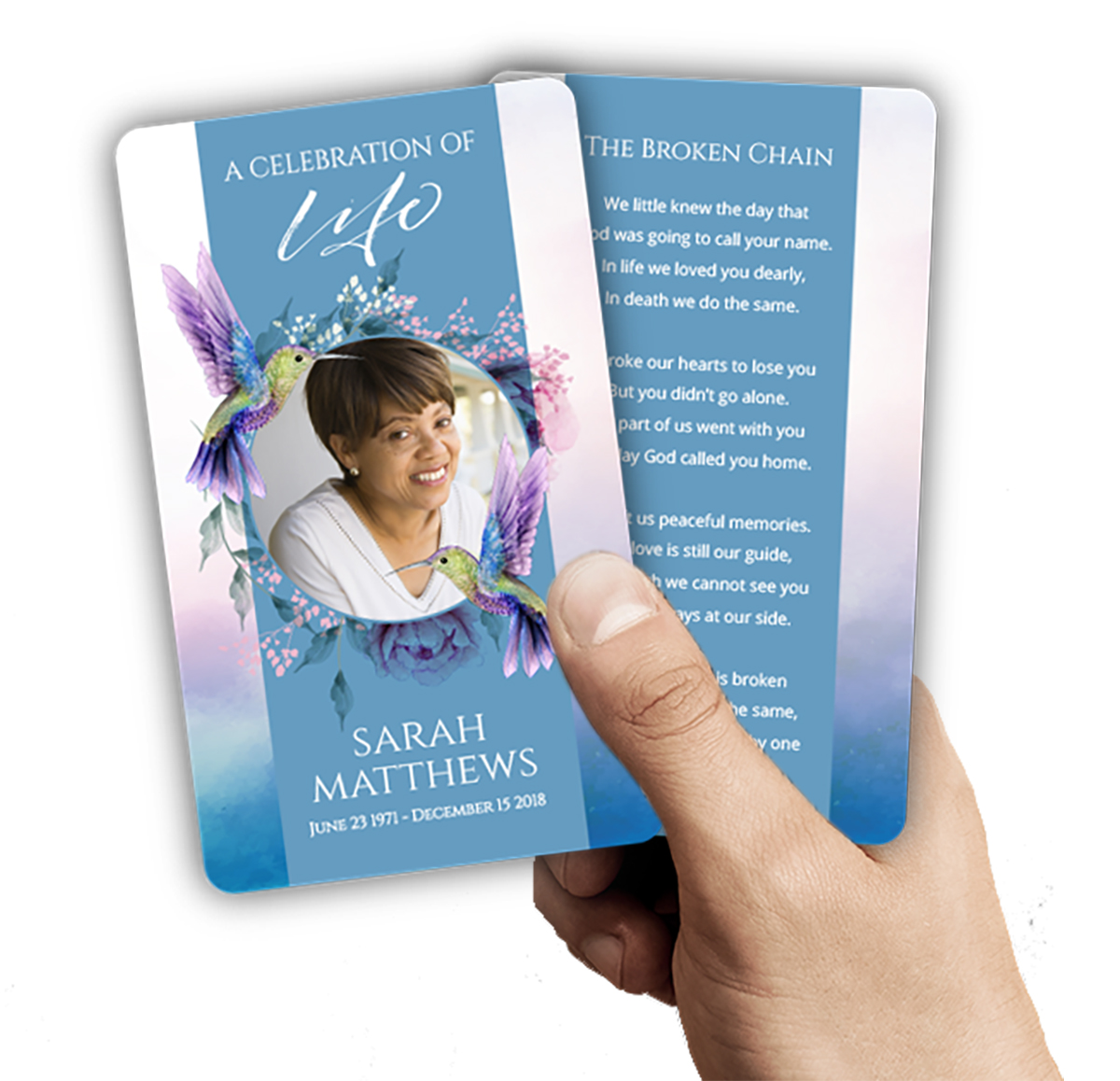
Many families choose to include the obituary on a dedicated page, paired with a favorite Bible verse or memorial quote. Others weave it throughout the program, interspersed with photos, timelines, or shared memories. For those desiring keepsakes, memorial bookmarks or folded memorial cards can feature a condensed version of the obituary, allowing attendees to take a piece of your parent’s story home with them.
Don’t forget other keepsake options—prayer cards, memorial cards, and even memorial magnets or candles—all of which can incorporate excerpts from the obituary or a favorite phrase. Our custom design services ensure that however you choose to present your parent’s obituary, it will be handled with care, beauty, and respect for your family’s wishes.
Managing Time Constraints: Tips for Writing When You’re Pressed for Time
Time is often the greatest challenge families face when tasked with writing a parent’s obituary. Whether you need same-day printing or are working to meet a funeral home’s deadline, a few key strategies can help you work efficiently without sacrificing meaning or warmth. The first step is to focus on the essentials—names, dates, and service information—then build out the story with as much detail as time allows.
Draft a quick outline using our Free Obituary Writing Assistant, which prompts you for key information and helps you organize your thoughts. Even a basic draft is better than nothing; you can always revisit and expand as time permits. Set a timer for short writing “bursts”—even 10-15 minutes can yield a solid paragraph or two.
If you’re using DisciplePress for printing, take advantage of our rush orders and same-day printing services. This flexibility can ease the pressure, allowing you to focus on writing rather than worrying about turnaround time. Our team can also proofread your draft and suggest gentle edits, ensuring your words are clear and respectful.
Finally, remember that your best is enough. Even if you feel rushed or worried about leaving something out, your obituary will be meaningful because it comes from love. If you think of something important after the funeral, you can always create additional keepsakes—such as memorial bookmarks or thank you cards—that feature your parent’s story in new ways.
Personalizing the Obituary: Adding Touches of Meaning and Comfort
Personal touches transform an obituary from a simple announcement into a heartfelt tribute. Even small details—your parent’s favorite saying, a beloved pet, or a signature dish—can bring warmth and comfort to readers. Consider including anecdotes that highlight your parent’s character: “Dad’s Sunday pancakes were legendary, drawing neighbors and friends alike” or “Mom never left the house without her signature red scarf.”
If faith played a significant role in your parent’s life, include a favorite Bible passage or hymn title. Our Bible Verses Collection and Funeral Poems Collection offer many options for families seeking words of comfort and hope. For those with strong community ties, mention volunteer work, membership in local organizations, or a special cause your parent supported. This not only honors their legacy but invites others to remember and celebrate their contributions.
Photos are also a powerful addition. Many of our funeral program formats, especially 12-page and 16-page programs, offer space for photo collages or timelines. These visuals help tell your parent’s story and provide comfort to those attending the service. If you’re creating keepsakes such as memorial bookmarks or prayer cards, consider including a favorite photo alongside a brief excerpt from the obituary.
Personalizing the obituary is about more than words—it’s about creating a lasting memory. Our custom design services can help you incorporate meaningful colors, motifs, or themes (such as angel or nature-themed programs) that reflect your parent’s spirit and your family’s wishes. Each detail, no matter how small, adds to the comfort and connection felt by all who read and remember.
Related Articles
Conclusion: Moving Forward with Love and Support
Writing an obituary for a parent under pressure is an act of love and courage. While the task may seem overwhelming at first, taking it step by step allows you to create a tribute that honors your parent’s memory and brings comfort to your family and community. Remember, there is no single “right” way to write an obituary—what matters most is the love and intention behind your words.
As you move forward, lean on the resources available to you. Our Free Obituary Writing Assistant, comprehensive funeral program options (including bi-fold, tri-fold, and booklet programs), and custom design services are here to support you at every stage. If you find yourself unsure or needing extra help, don’t hesitate to reach out to our compassionate team at DisciplePress. We are honored to walk alongside you during this journey.
Take comfort in knowing that your efforts—no matter how hurried or emotional—will create a cherished keepsake for generations to come. The obituary you write will be read, remembered, and treasured, not just as an announcement, but as a celebration of a remarkable life. If you wish to add or edit details later, memorial bookmarks, thank you cards, and other keepsakes offer ongoing opportunities to honor your parent’s legacy in new ways.
Above all, be gentle with yourself. Grief is complex, and you are doing an important, loving thing under difficult circumstances. We hope this guide has brought you both practical support and a sense of peace as you honor your parent’s life and memory. Learn more about DisciplePress and our commitment to serving families. Browse our design gallery for inspiration. For personalized assistance, please contact us.