 Free Shipping Over $50
  888-432-8363


 Obituary/Programs
 No-Fold Memorial Programs
 4 Page Funeral Programs
 8 Page Memorial Programs
 12 Page Funeral Programs
 16 Page Funeral Programs
 20 Page Funeral Programs
 Tri-Fold Funeral Programs
 Complete Memorial Packages
 Cards & Bookmarks
 Saint Prayer Cards
 Folded Memorial Cards
 Folded Holy Cards
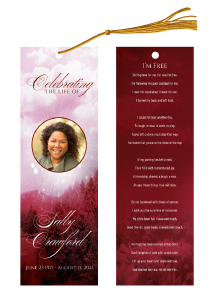 Memorial Bookmarks
 Thank You Cards
 Share-A-Memory Cards
 Memorial Magnets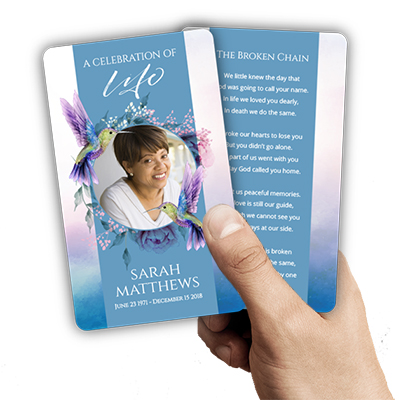
 Memorial Posters
 Guest Books
 Slide Shows
 Memorial Fans
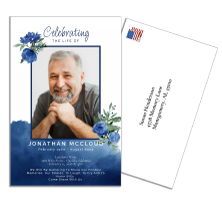 Death Announcements
 Take Away Keepsakes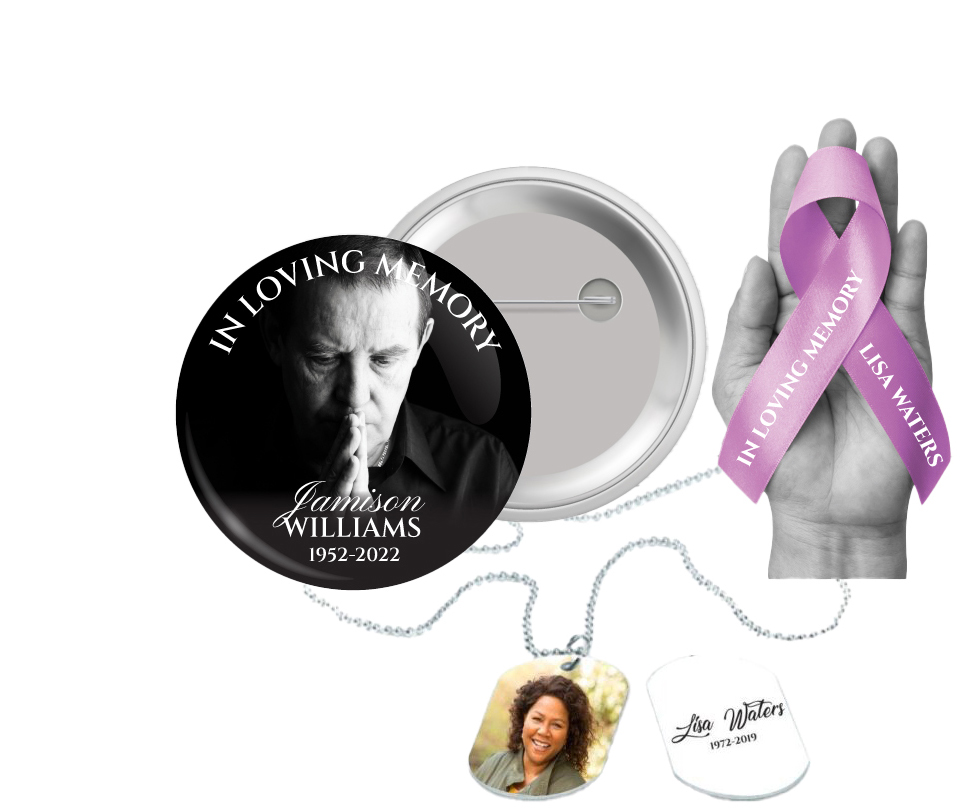
 Church Products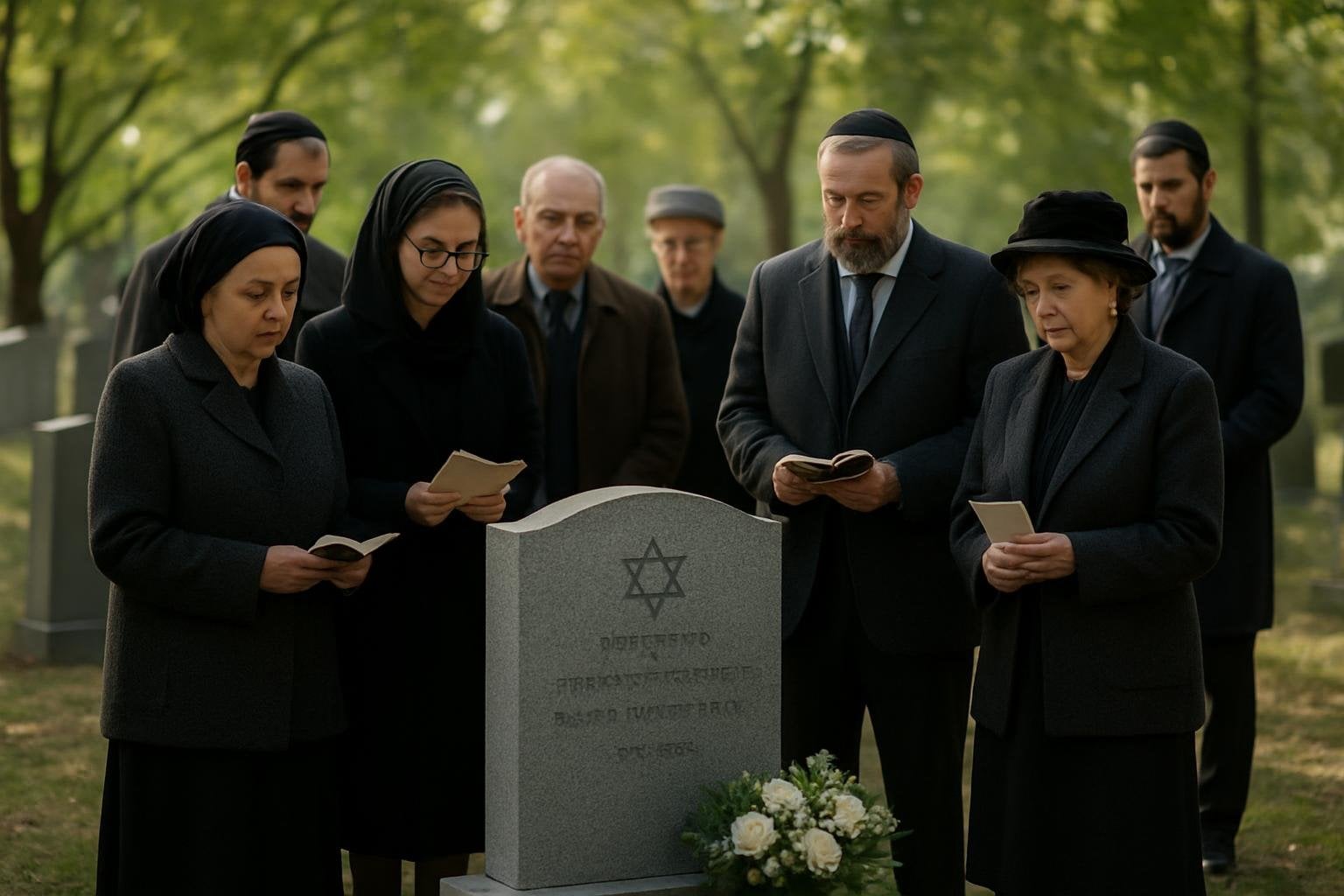
Introduction: Honoring Memory Through the Jewish Unveiling Ceremony
For families navigating the journey of grief, commemorating a loved one’s life can bring both solace and a renewed sense of connection. The Jewish unveiling ceremony, known in Hebrew as hakamat matzevah, is a profound and meaningful tradition that allows mourners to honor the memory of the deceased with dignity, love, and spiritual reflection. This sacred ritual—typically held within a year after burial—provides an opportunity for family and friends to gather, unveil the grave marker, and recite prayers that affirm the enduring bonds of memory and faith.
We understand that planning an unveiling ceremony may feel overwhelming, especially when emotions are still tender. Yet, this ceremony serves as a gentle bridge between loss and healing, creating a space to share stories, prayers, and support. Whether you are a grieving family member, a funeral director, or a supportive friend, learning about the steps, customs, and ways to personalize the unveiling can help you feel more prepared and less alone during this sensitive time.
In this article, we will walk with you through every aspect of the Jewish unveiling ceremony. From understanding its timing and meaning, to exploring prayers, etiquette, and practical logistics, you’ll find guidance designed to ease your mind and heart. We will also share program examples, ideas for printed keepsakes—such as funeral programs, prayer cards, and memorial bookmarks—and helpful options for personalization.
Our goal is to provide not only information, but also compassion and support. We hope you find comfort in these traditions, and reassurance in knowing you are not alone as you honor your loved one’s legacy. If you have further questions or need assistance with printed materials or design services, the DisciplePress team is always here to help.
Understanding the Jewish Unveiling Ceremony: Origins and Significance
The Jewish unveiling ceremony, or hakamat matzevah, holds deep spiritual and communal meaning. Traditionally, it marks the moment when a gravestone or marker is formally revealed at a loved one’s burial site. This act is both an expression of respect for the deceased and a communal affirmation of remembrance. Jewish law does not require an unveiling, yet it has become a cherished custom among many families and communities, drawing on ancient practices and evolving with contemporary needs.
At DisciplePress, we understand the importance of honoring your loved one’s memory. We offer Memorial Bookmarks, Funeral Programs and Prayer Cards to help you create meaningful tributes.
Typically, the unveiling is scheduled sometime between the end of the shiva period and the first anniversary of death (the yahrzeit). Most families choose to hold the ceremony close to the eleventh or twelfth month after burial, though some may opt for an earlier date to accommodate travel or family schedules. This timing allows for initial mourning to soften, while still keeping the memory of the deceased vivid and honored.
At its core, the unveiling provides a moment for family and friends to gather, reflect, and draw strength from shared faith and tradition. It is a gentle reentry into the world after intense mourning—a chance to honor the past while looking toward the future. Many find comfort in the ritualized structure, which blends readings from Psalms, the recitation of the Mourner’s Kaddish, and personal remembrances.
Understanding the origins and meaning of the Jewish unveiling ceremony can help families approach the event with intention and peace. Knowing what to expect and how to participate can also ease anxiety and allow mourners to focus on what truly matters: celebrating a life well-lived and cherishing enduring bonds. For those seeking to document or personalize the ceremony, options like bi-fold programs or memorial cards can help capture the essence of this meaningful day.
As we move forward in this article, we’ll explore the traditional steps and customs involved, offering practical advice and examples for every stage. Whether your ceremony will be large or small, formal or intimate, honoring tradition in your own way can bring comfort and healing.
Planning the Unveiling: Timing, Invitations, and Logistics
Planning a Jewish unveiling ceremony involves thoughtful attention to timing, guest invitations, and practical arrangements. Since there is no universally mandated date, families have flexibility in scheduling. Most commonly, unveilings are held close to the first yahrzeit, but earlier dates may be chosen if it better suits family needs or travel considerations. Consulting with your rabbi or spiritual leader can help clarify any community customs or preferences regarding timing.
Once a date is selected, the next step is inviting those who wish to attend. Some families opt for an intimate gathering with only immediate relatives, while others extend invitations to a broader circle including friends, colleagues, or members of the synagogue. Printed death announcement cards or memorial cards can provide a tangible, respectful way to inform guests of the details. These cards may include the date, time, location, and any special instructions regarding attire or customs.
When planning logistics, consider the practicalities of gathering at a cemetery. If your group is large, coordinate with cemetery staff to ensure there is adequate parking and accessibility. Check whether seating is needed, especially for elderly guests, and be mindful of weather conditions—bringing umbrellas or water bottles can add comfort. If you’re preparing a program booklet, tri-fold programs or 8-page programs offer space for prayers, readings, and a brief biography or photo of your loved one.
For families separated by distance or those wishing to include additional loved ones, some choose to livestream or record the ceremony. This can be arranged through the cemetery or with the help of a tech-savvy family member. Including a printed program mailed to distant relatives allows them to participate meaningfully, even from afar.
Finally, consider the emotional needs of guests. Grief can be unpredictable, and offering gentle guidance—such as a printed outline of the ceremony or a brief welcome—can help everyone feel included and at ease. If time is short, DisciplePress offers same-day printing and rush orders to ensure your materials are ready when you need them, easing one more burden during a difficult time.
Steps and Structure of the Jewish Unveiling Ceremony
The Jewish unveiling ceremony is structured to balance tradition with personal expression. While customs may differ between communities or family preferences, most unveilings follow a similar sequence of steps. Knowing the typical order helps families prepare and participate with confidence, and provides a comforting rhythm to the proceedings.
Creating a meaningful tribute for your loved one is an important part of the healing process. We offer Prayer Cards, Memorial Cards and Obituary Templates to help you create meaningful tributes.
The ceremony often begins with a gathering at the gravesite, where the grave marker or headstone is typically covered with a cloth or veil. A family member or spiritual leader welcomes attendees and offers opening remarks, setting a tone of remembrance and respect. Printed funeral programs—such as bi-fold or booklet programs—can provide guests with an outline of the ceremony, names of speakers, and the texts of selected prayers or readings.
Next, selected Psalms are recited, most commonly Psalm 23 (“The Lord is my Shepherd”) and Psalm 121 (“I lift my eyes to the mountains…”). These verses offer comfort and hope, affirming the presence of God and the enduring nature of the soul. Including these texts in a printed 8-page or 12-page program allows guests to follow along and participate, even if they are unfamiliar with Hebrew or the order of service.
The most moving moment of the unveiling is the actual removal of the cloth from the headstone, which may be done by close family members. This act is both symbolic—revealing the permanence of memory—and practical, as it introduces the final marker of the loved one’s life. After the unveiling, the inscription on the stone is read aloud, honoring the individual’s name, dates, and any chosen epitaph.
To conclude, the Mourner’s Kaddish is recited, often with all attendees joining in. This prayer, a central part of Jewish mourning, does not mention death but instead praises God and affirms the continuity of life. Some families may add personal reflections, a favorite poem, or a song. Including a schedule or order of service in your printed program helps everyone participate fully, creating a sense of unity and shared comfort.
Traditions and Prayers: Honoring Faith and Memory
Jewish unveiling ceremonies are rich in tradition and prayer, each element designed to honor the deceased and offer comfort to the living. Families may choose to follow a traditional format or incorporate personal touches that reflect their loved one’s unique spirit. Understanding the purpose and meaning behind each prayer or custom can help participants feel more connected and grounded.
Commonly recited Psalms include Psalm 23 and Psalm 121, both of which speak to God’s guidance and protection. These verses have become beloved fixtures of Jewish mourning rituals, providing a shared language of hope across generations. Including translations or transliterations in your funeral program ensures that all guests, regardless of background, can join in these sacred words.
The El Malei Rachamim, a prayer for the soul of the departed, is often included as well. This prayer asks for God’s compassion and for the soul to be granted eternal peace. If your family wishes to personalize the ceremony, you might invite a grandchild or close friend to read a favorite poem, story, or memory. Printed memorial cards or prayer cards can feature these readings, serving as a cherished keepsake for attendees.
For families with strong faith traditions, incorporating additional readings from the Bible or prayer books may be meaningful. Some choose to include quotes from the Talmud or contemporary Jewish thinkers, weaving together tradition and personal reflection. If you are unsure which prayers to include, many rabbis or funeral directors can provide guidance, or you may browse resources like the DisciplePress Bible Verses Collection or Funeral Poems Collection for inspiration.
Finally, music can be a powerful addition to the ceremony. While traditional unveilings are often spoken, singing a favorite hymn or Jewish song can provide comfort and a sense of continuity. Including lyrics in your printed program, whether in a bi-fold or 16-page format, ensures everyone can participate together, creating a moving and memorable tribute.
Etiquette and Customs: What to Expect and How to Participate
Understanding the etiquette of a Jewish unveiling ceremony helps guests feel comfortable and respected, regardless of their level of familiarity with Jewish customs. While each family and community may have its own nuances, some general guidelines can help everyone participate meaningfully and with sensitivity.
Dress is typically modest and respectful, with subdued colors such as black, navy, or gray. Head coverings are customary for men in many communities, and some women may also choose to wear a scarf or hat. If you are unsure, it is always appropriate to ask the host family or check the printed invitation or memorial card for guidance on attire.
Arriving on time and maintaining a quiet, reflective demeanor at the cemetery is appreciated. Silence or soft conversation before the ceremony begins allows mourners to gather their thoughts and emotions. If you are asked to participate—by reading a prayer, sharing a memory, or helping unveil the stone—accept the invitation with gratitude, but know it is always okay to decline if you are not comfortable.
During the ceremony, guests typically stand or sit quietly, joining in prayers and responses as they feel able. Printed programs, such as tri-fold or 8-page programs, can help guide participation by providing the order of service and texts. Many families appreciate when guests bring or send memorial cards or bookmarks with personal messages or favorite memories, adding a personal touch to the collective remembrance.
After the ceremony, it is common to place small stones on the grave marker—a sign of respect and a lasting symbol of visitation. Sharing a few words of condolence with the family is appropriate, though lengthy conversation is best reserved for later. Above all, being present and supportive is the greatest gift you can offer, and small gestures—such as signing a guest book or leaving a prayer card—can mean a great deal to those who are grieving.
Creating Printed Programs and Keepsakes for Unveilings
Printed materials add a thoughtful, personal touch to Jewish unveiling ceremonies, helping guests feel included and providing cherished mementos for years to come. From simple printed outlines to elaborate multi-page booklets, the format you choose can reflect both tradition and the unique personality of your loved one.
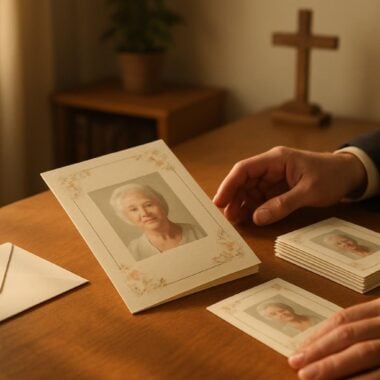
Funeral programs are a popular choice, offering space for prayers, readings, a biography, photographs, and the order of service. Bi-fold programs provide a classic, elegant option, while tri-fold or booklet programs (such as 8-page or 12-page formats) can accommodate multiple readings, translations, or images. Including a favorite poem or a timeline of your loved one’s life personalizes the program and invites guests to share in remembrance.
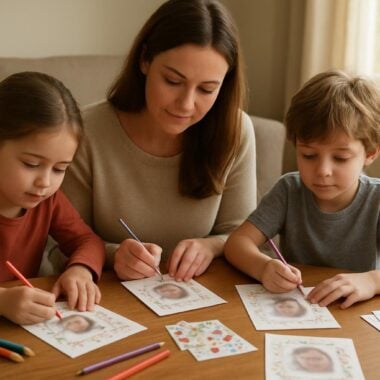
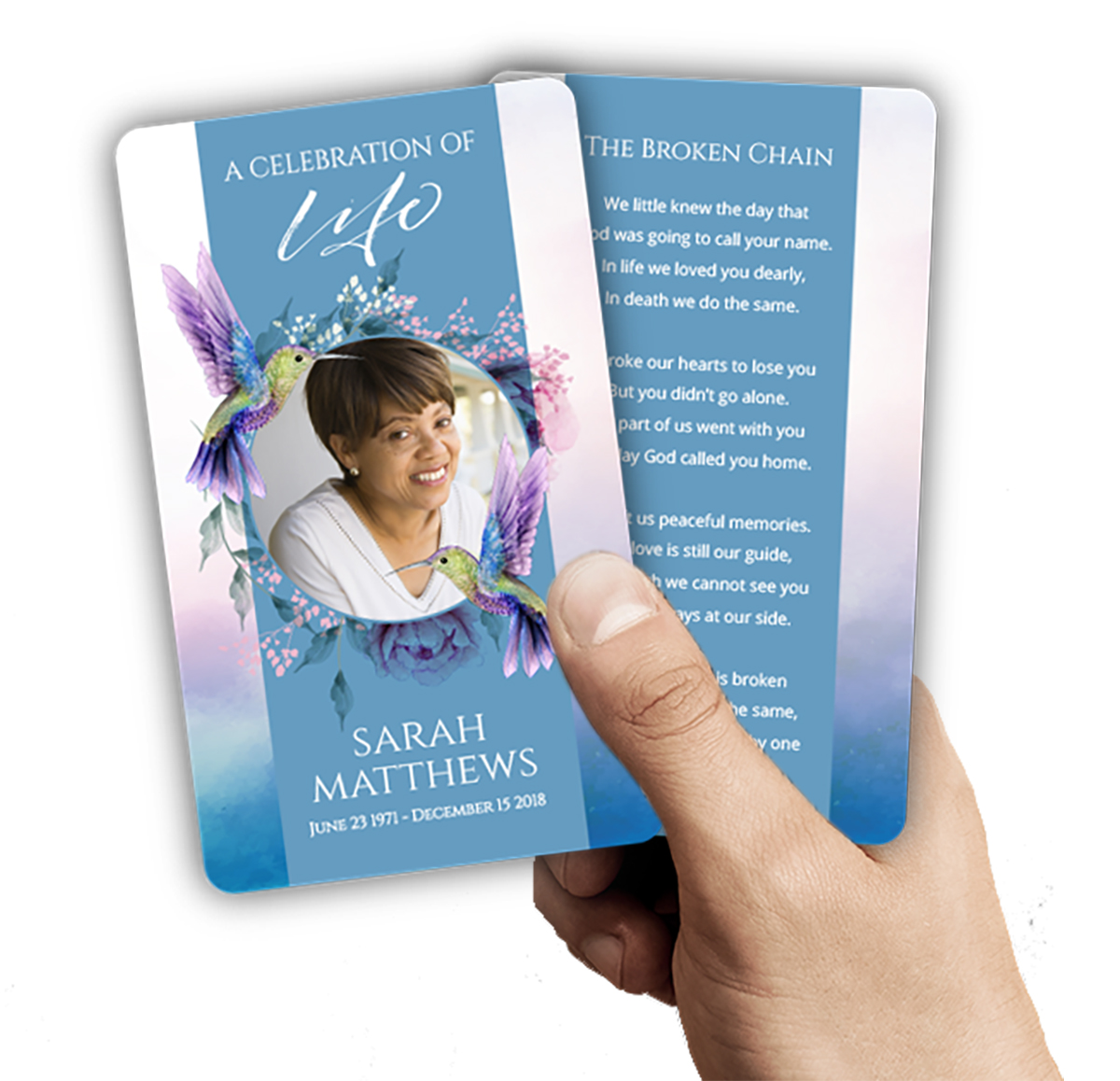
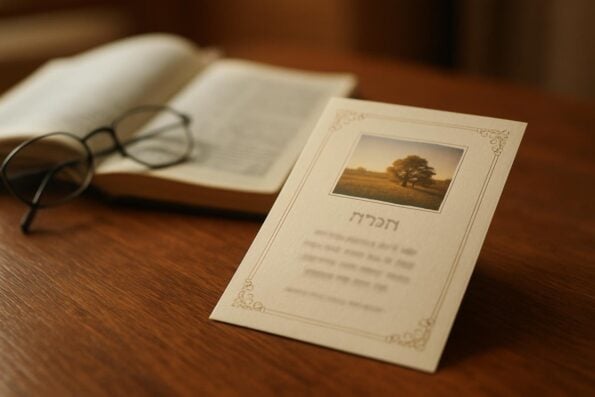
Memorial cards and prayer cards are another meaningful addition. These small, keepsake cards can feature a photo, a passage from Psalms, or a brief expression of love and remembrance. Share a Memory cards allow guests to write personal notes or stories, which can be treasured by the family long after the ceremony. For those who wish to give a lasting keepsake, memorial bookmarks are a thoughtful option—printed with a favorite quote or prayer, they serve as a gentle reminder of the loved one’s enduring impact.
DisciplePress offers a variety of sizes and formats for these printed materials, as well as custom design services to help you create a fitting tribute. If you are short on time or need extra support, our same-day printing and rush order options ensure your materials are ready for the ceremony. Whether you prefer a traditional style or a more personalized approach, printed programs and keepsakes help make the unveiling ceremony a meaningful and memorable event for all who attend.
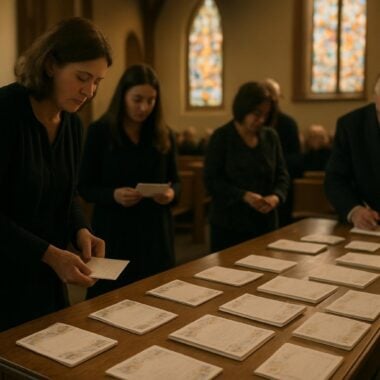
Consider displaying printed programs, prayer cards, and bookmarks at the entrance to the cemetery or on a small table near the grave. This thoughtful gesture welcomes guests and provides them with something tangible to hold during the ceremony and keep as a cherished reminder afterward.
Personalizing the Ceremony: Examples and Inspiration
Every Jewish unveiling ceremony is unique, reflecting the personal history, values, and spirit of the individual being remembered. Personalizing the ceremony can help families and friends feel more connected to their loved one and to each other, turning a moment of grief into an opportunity for healing and celebration.
One way to personalize is through the choice of readings and speakers. Invite family members or close friends to share short stories, favorite memories, or passages that held special meaning for the deceased. Including these in your printed funeral program—perhaps in a booklet or tri-fold format—ensures that even those who are too emotional to speak can participate by reading along.
Visual elements also add a special touch. Consider displaying a favorite photo on the cover of the program, or including a collage of images inside an 8-page or 12-page booklet. For those who enjoyed nature, incorporating angel-themed or nature-themed program designs can evoke the beauty and peace that characterized their life. Printed memorial bookmarks or prayer cards with a chosen quote, a piece of artwork, or a snippet of a favorite song lyric can be offered as keepsakes to guests.
Music and poetry can bring a sense of warmth and intimacy. If your loved one had a favorite hymn, song, or poem, include the lyrics or verses in your program or on memorial cards. For those who wish to honor Jewish tradition while embracing creativity, consider adding a custom-designed element—such as a personalized cover illustration or a timeline of life events—using DisciplePress’s custom design services.
Finally, consider inviting guests to write their own messages or memories on Share a Memory cards. These can be collected in a memorial guest book, creating a lasting archive of love and support. Personal touches not only honor the individuality of your loved one but also bring comfort and connection to those left behind.
After the Ceremony: Continuing Remembrance and Support
While the unveiling ceremony is an important milestone in the mourning process, it is not the end of remembrance. Many families find solace in continuing to honor their loved one through ongoing rituals and shared memories. The period after the unveiling can be both comforting and bittersweet, as it marks a transition from intense mourning to a more enduring, gentle remembrance.
Some families hold a small gathering following the ceremony, either at home or in a community space, to share a meal, stories, and support. This provides an opportunity for further reflection and connection. Printed thank you cards expressing gratitude to guests, or memorial bookmarks with a favorite quote, can be offered as tokens of appreciation for those who have provided support throughout the mourning journey.
Maintaining regular traditions—such as lighting a memorial candle on the yahrzeit, reciting Kaddish, or visiting the gravesite on special occasions—helps keep the memory of the loved one alive in the hearts of family and friends. Printed keepsakes, like prayer cards or celebration of life programs, can be revisited during these moments as sources of comfort and inspiration.
For families who wish to create an ongoing tribute, DisciplePress offers memorial packages and custom design services for a variety of keepsakes, including memorial garden flags, guest books, and obituary templates. These items can be tailored to reflect the unique personality and values of the deceased, providing an enduring legacy for future generations.
Above all, remember that grief is a personal journey, and there is no “right” way to continue honoring your loved one. Small gestures—such as sending a note, sharing a story, or simply spending time in reflection—can bring comfort and healing as you move forward.
Related Articles
Conclusion: Embracing Healing and Memory Through the Unveiling
As you prepare for and experience the Jewish unveiling ceremony, know that you are participating in a tradition that honors both the memory of your loved one and the enduring bonds of family and community. This ceremony, with its blend of ancient prayers and personal touches, offers a pathway from mourning to healing—a gentle affirmation that love and memory are never truly lost.
We hope this guide has provided you with the knowledge, support, and practical advice needed to plan a meaningful unveiling. From understanding the steps and prayers, to creating personalized printed programs and keepsakes, there are many ways to make this ceremony a heartfelt tribute. Remember that resources such as funeral programs, prayer cards, and memorial bookmarks are available to help you honor tradition while expressing your unique love and remembrance.
If you have additional questions or would like assistance with printed materials, please reach out to the DisciplePress team. Our custom design services, same-day printing, and caring support are here to help you every step of the way, ensuring that your ceremony reflects the dignity and warmth your loved one deserves.
As you move forward, may you find comfort in the strength of tradition, the embrace of community, and the enduring power of memory. You are not alone, and every act of remembrance is a testament to the love that lives on.
For further resources, program templates, or to explore our design gallery and keepsake options, we invite you to contact us or browse the DisciplePress website. May your unveiling ceremony bring peace, healing, and a lasting sense of connection to all who gather in honor of your loved one. Learn more about DisciplePress and our commitment to serving families. Browse our design gallery for inspiration. For personalized assistance, please contact us.