 Free Shipping Over $50
  888-432-8363


 Obituary/Programs
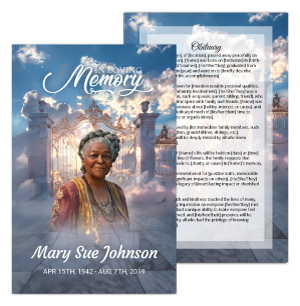 No-Fold Memorial Programs
 4 Page Funeral Programs
 8 Page Memorial Programs
 12 Page Funeral Programs
 16 Page Funeral Programs
 20 Page Funeral Programs
 Tri-Fold Funeral Programs
 Complete Memorial Packages
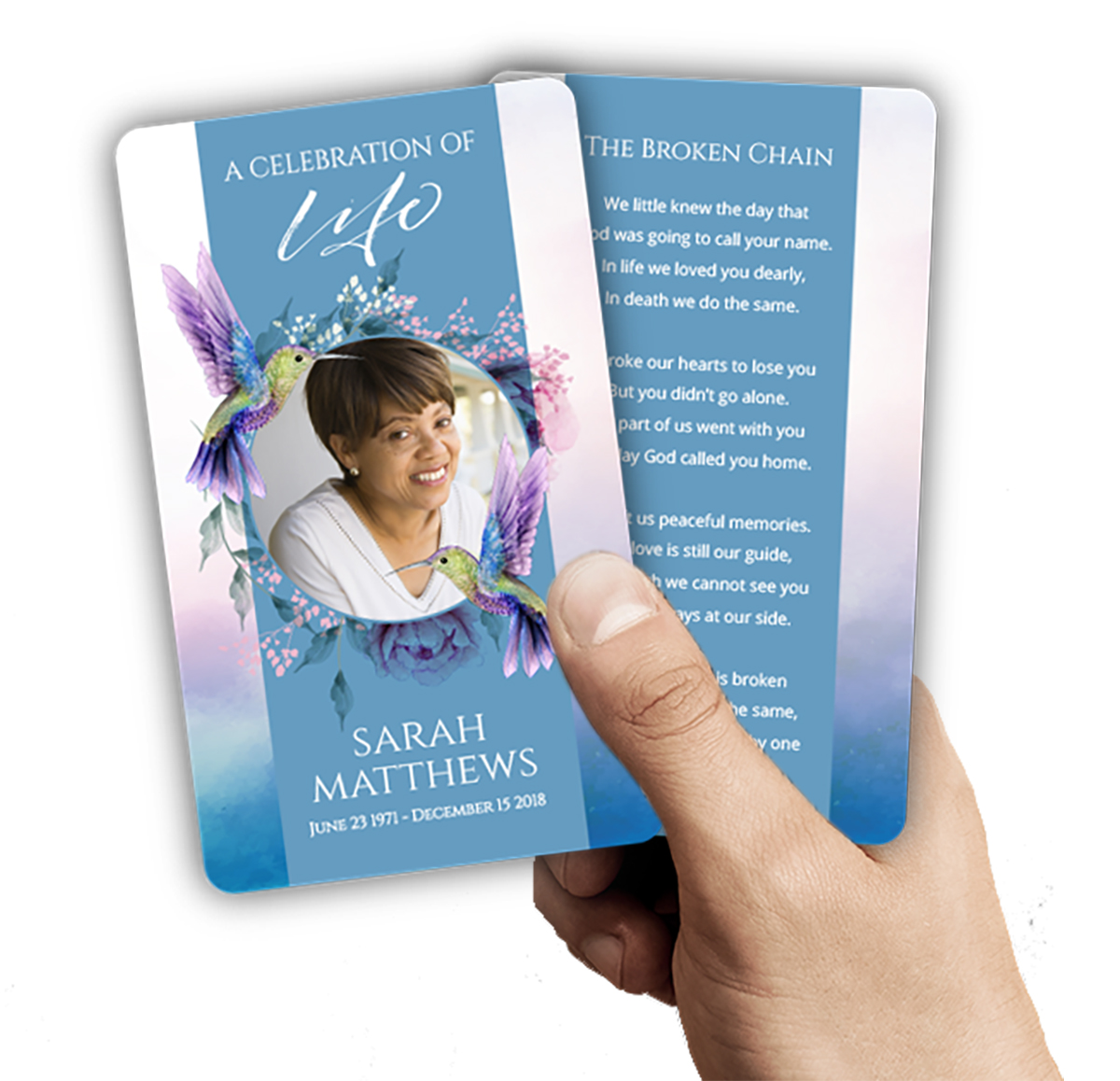 Cards & Bookmarks
 Saint Prayer Cards
 Folded Memorial Cards
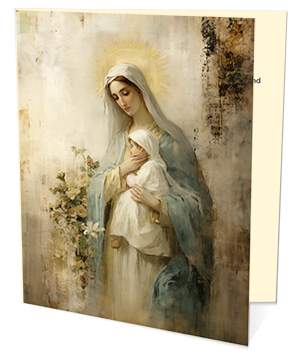 Folded Holy Cards
 Memorial Bookmarks
 Thank You Cards
 Share-A-Memory Cards
 Memorial Magnets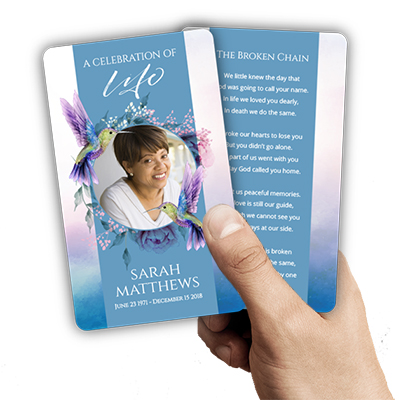
 Memorial Posters
 Guest Books
 Slide Shows
 Memorial Fans
 Death Announcements
 Take Away Keepsakes
 Church Products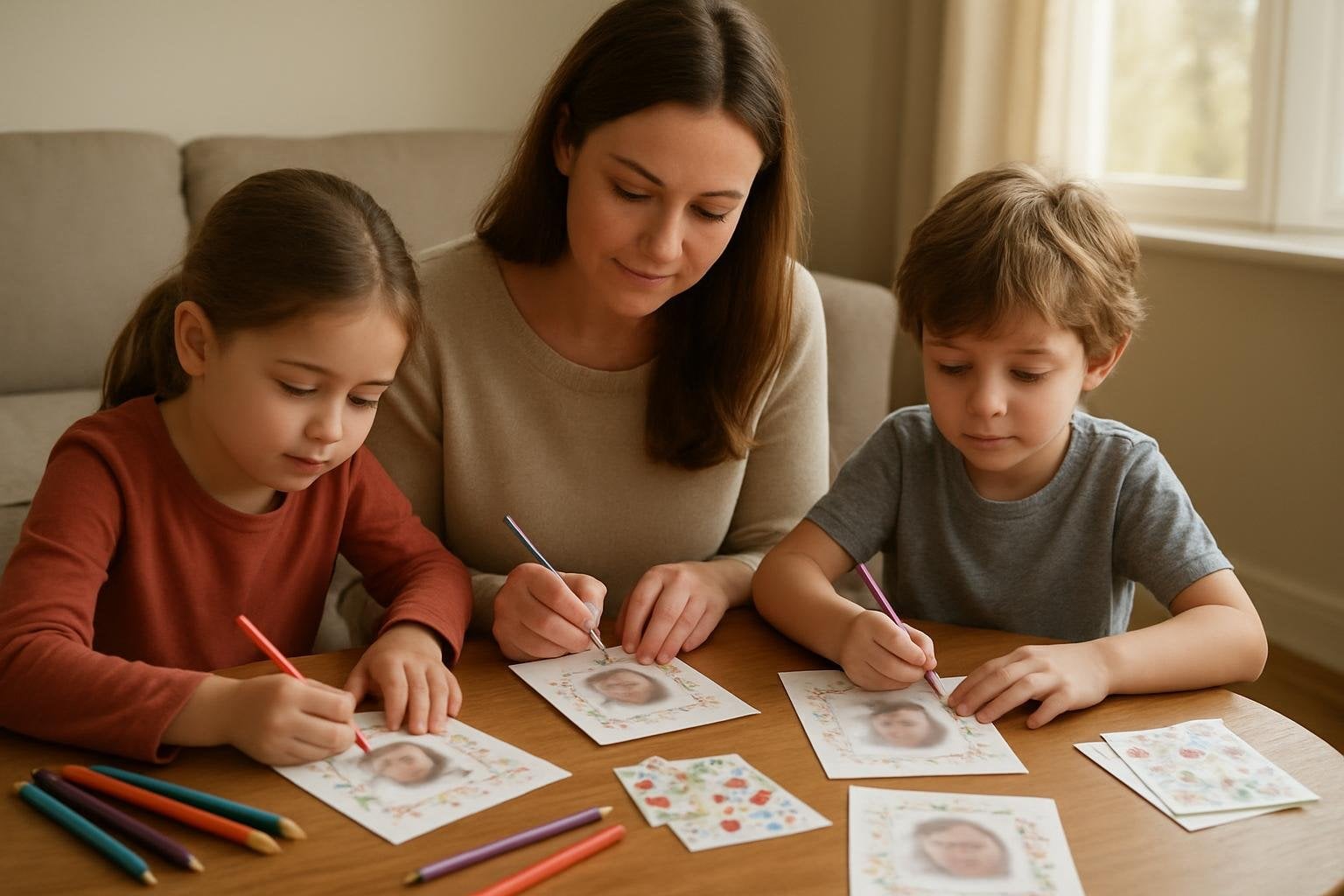
Finding Comfort Together: Navigating Loss with Young Hearts
Experiencing the loss of a parent is one of life’s most profound challenges, and when young children are involved, the journey becomes even more tender and complex. As adults, we may find it difficult to process our own grief while trying to support our children’s emotional needs. If you are searching for memorial ideas for losing a parent with young children, please know that you are not alone. Many families are walking this path, seeking meaningful ways to honor a beloved parent while nurturing their children’s memories and hearts.
Children process grief differently, often in small, unpredictable waves. They may not fully understand the permanence of loss or know how to express their feelings. Creating memorials and keepsakes together can offer comfort, provide structure amidst uncertainty, and help children feel connected to the parent they’ve lost. These shared acts of remembrance become anchors—gentle reminders that love endures even in absence.
This article is written for families, funeral directors, and anyone supporting young children through the loss of a parent. We will explore a range of sensitive, creative, and practical memorial ideas, from collaborative projects to personalized keepsakes. We will also offer tips for selecting child-friendly printed items, such as funeral programs and memorial cards, and discuss how these tributes can gently support children’s emotional healing.
We understand the vulnerability and pain of this time. Our goal is to provide comfort, guidance, and hope as you navigate memorial planning with your children. Together, we’ll explore ways to cherish memories, foster healing, and keep your loved one’s spirit close, now and always.
Understanding Children’s Grief: Gentle Guidance for Families
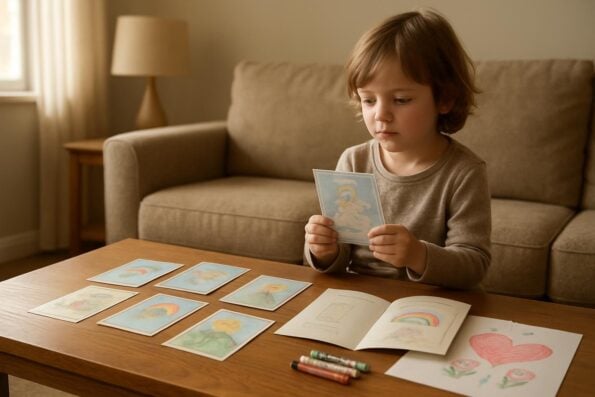
Before choosing memorial ideas, it’s important to consider how children experience and express grief. Young children may not grasp the finality of death; their understanding evolves with age and emotional maturity. Often, they ask repeated questions, display mood changes, or seem to process loss in brief, unexpected moments. Recognizing these patterns helps families choose tributes that feel safe and meaningful to little ones.
Every memorial should reflect the unique life and legacy of your loved one. We offer Memorial Bookmarks, Funeral Programs and Prayer Cards to help you create meaningful tributes.
It’s natural for children to express their grief through art, play, or storytelling. Memorial activities that invite creativity—like drawing, painting, or assembling memory boxes—provide safe outlets for feelings that are otherwise hard to verbalize. When children participate in these rituals, they gain a sense of agency and connection, rather than feeling sidelined by adult decisions.
Families should also consider a child’s developmental stage when selecting keepsakes or planning memorial activities. Young children often benefit from tangible, sensory experiences: handling a memorial bookmark with their parent’s photo, or helping to gather items for a memory box. Older children may wish to write letters, share stories, or design elements for a bi-fold funeral program or 8-page booklet program.
Above all, children need reassurance that their feelings are valid, and that remembering their parent is an important, ongoing process. Encourage questions, acknowledge sadness, and create space for joy—even laughter—when memories bring comfort. Memorials are not just about mourning; they are also about celebrating love and life.
By understanding children’s unique grief journeys, families can select memorial ideas that nurture, uplift, and honor both the parent who has died and the little hearts left behind.
Creating Child-Friendly Memorial Keepsakes
One of the most comforting ways to help children remember a parent is through keepsakes crafted just for them. Tangible mementos offer a physical connection, allowing children to touch, hold, and revisit memories in a way that feels real and reassuring. Choosing or making keepsakes together as a family can become a cherished ritual during difficult times.
Consider creating custom memorial cards or bookmarks featuring a favorite photo, a gentle message, or a meaningful quote. Children can help select the image, choose a color scheme, or even add their own drawings. For younger children, laminated bookmarks or cards with rounded corners are durable and safe for little hands.
Memory boxes are another wonderful idea. Invite your child to decorate a small box and fill it with treasures, such as a parent’s keepsake, a handwritten note, or a special stone collected on a family walk. The process of gathering and arranging these items helps children reflect on happy memories and express what made their parent special.
For families seeking more collaborative projects, consider assembling a “memory wall” in your home. Hang printed memorial posters or favorite family photos, and let children add their own drawings or messages over time. This evolving tribute allows grief and remembrance to unfold gently, at each child’s own pace.
These keepsakes not only honor your loved one, but also provide ongoing comfort and a gentle invitation for children to remember, share, and heal together.
Memorial Projects That Involve Young Children
Inviting children to participate in memorial projects can be both healing and empowering. Hands-on activities provide structure and a sense of participation when everything else may feel uncertain. Child-centered memorial projects allow young ones to express love, grief, and creativity in ways that words sometimes cannot.
Creating a meaningful tribute for your loved one is an important part of the healing process. We offer Prayer Cards, Memorial Cards and Celebration of Life to help you create meaningful tributes.
One beautiful idea is to create a “Remembrance Garden.” This can be as simple as planting a tree or favorite flower in your yard, a community garden, or even a potted plant indoors. Let children help choose the plant, decorate a marker, or make memorial garden flags. Watching something grow offers hope and a living tribute to the parent’s memory.
Another project is making a collective “Memory Quilt” using fabric squares decorated by family members. Even young children can participate by choosing fabric, drawing with fabric markers, or selecting patches from old clothing. The finished quilt becomes a comforting, tangible legacy to snuggle under or display on a wall.
For families who wish to involve their community, consider organizing a “Memory Card Drive.” Invite friends and relatives to send short notes, drawings, or stories about the parent. These can be collected in a booklet program or displayed at a celebration of life service. Children can help open cards and add their own messages, building a collective remembrance.
These projects, whether simple or elaborate, offer children a sense of purpose, connection, and comfort. They transform grief into creativity and ensure that a parent’s legacy is woven into daily family life.
Choosing Printed Memorial Items for Children
Printed memorial items can be thoughtfully tailored to support grieving children. When selecting items like funeral programs, prayer cards, or bookmarks, consider formats and designs that are welcoming, gentle, and accessible to young eyes and hands.
Bi-fold programs and tri-fold programs are easy for children to hold and explore. Use clear, simple language and include photos, drawings, or favorite poems—perhaps even a short quote from your child about their parent. For larger families or more detailed tributes, 8-page, 12-page, or 16-page programs allow for more space, giving children room to contribute artwork or personal messages.
For a child-friendly keepsake, memorial cards and prayer cards can include soft backgrounds, comforting imagery, or illustrations that children helped choose. Consider including a favorite Bible verse or a gentle blessing. Laminated cards withstand frequent handling, making them suitable for children to keep in a backpack or by their bed.
When time is short, such as before a service or gathering, look for providers who offer same-day printing or rush orders. This ensures your chosen keepsakes are ready when needed. If you need help with personalization, consider custom design services to create a truly unique and child-centered tribute.
These thoughtful choices in printed memorials help children feel included and honored, making the memory of their parent tangible and enduring.
Storytelling, Art, and Ritual: Gentle Remembrance Activities
Storytelling and art are powerful tools for helping children process and remember their parent. Creating space for these activities not only supports emotional healing but also encourages ongoing dialogue about love, loss, and memories. Simple rituals and shared moments can make a lasting difference in a child’s grief journey.
One gentle activity is to invite children to draw pictures of their parent or favorite shared moments. These drawings can be framed, added to a memory wall, or even included in a funeral program or celebration of life program. Displaying their artwork validates their feelings and keeps their loved one’s presence visible in the home.
Reading stories or children’s books about loss together can provide comfort and language for grief. Afterward, talk about the parent who has died, encouraging children to share their own memories or ask questions. For families with spiritual or religious traditions, lighting a memorial candle at special times—such as anniversaries or holidays—can become a loving ritual that honors the parent’s memory.
Consider recording a “Memory Video” or slideshow, compiling photos, stories, and messages from family members. Children can help select images, narrate short stories, or simply watch and remember alongside loved ones. This digital keepsake can be revisited whenever comfort is needed.
These activities, though simple, foster connection, validate emotions, and keep a parent’s memory alive in gentle, child-appropriate ways. They remind children—and adults—that love and remembrance endure far beyond loss.
Involving the Community: Support Networks and Shared Memories
Grief can feel isolating, especially for children who may not know peers with similar experiences. Involving the wider community—friends, relatives, teachers, and faith groups—can provide vital support and enrich the memorial process. Shared remembrance reassures children that their parent mattered to many people and that their own feelings are respected and understood.
Consider inviting loved ones to contribute to a “Memory Book” or booklet program, sharing stories, photos, or favorite sayings about the parent. These collective tributes can be displayed at a service or kept at home for children to revisit. Children may wish to add their own pages, drawings, or questions, making the book a living record of love and connection.
Some families organize a “Memory Share Circle” at the memorial or celebration of life. Give children the opportunity to speak, read a poem, or share a drawing—if they feel comfortable. Including child-friendly elements like music, simple readings, or a group activity (such as planting a tree or releasing biodegradable balloons) creates space for all ages to participate meaningfully.
Schools and faith communities can also offer support. Teachers might encourage classmates to write notes or draw pictures, which can be added to a memorial card collection or displayed at home. Faith leaders may suggest gentle rituals or prayers tailored for children, using prayer cards or saint prayer cards that children can keep as reminders.
By involving the community, families help children see that grief and remembrance are shared experiences. This support network can ease feelings of loneliness and reinforce the enduring impact of a parent’s love.
Honoring the Parent’s Legacy in Everyday Life
Memorials need not be limited to formal ceremonies or objects. Honoring a parent’s legacy can become part of daily family life, weaving remembrance into routines, celebrations, and milestones. These ongoing tributes help children feel their parent’s presence, even as life moves forward and changes.
One approach is to establish simple family rituals, such as making a parent’s favorite meal on special days, visiting a meaningful place, or listening to their favorite music together. These acts, repeated over time, become comforting traditions that link the past with the present.
Families may choose to create a “Legacy List” with children, noting qualities or lessons they wish to carry forward from their parent. For example, “Dad always helped others,” or “Mom loved to read bedtime stories.” Display this list—perhaps within a funeral program or as a decorative poster—so children are reminded of their parent’s influence and the ways they can honor them every day.
On birthdays, anniversaries, or holidays, consider lighting a memorial candle or sharing a moment of silence. Encourage children to talk about their parent, share new memories, or express wishes and hopes for the future. These simple gestures acknowledge both the loss and the ongoing presence of love.
By integrating memorial ideas into everyday life, families help children see that remembrance is not a single event, but a lasting thread woven through all they do. This gentle, continuous honoring provides comfort, resilience, and hope as children grow.
Related Articles
Conclusion: Gentle Hope and Healing for Families and Children
Remembering a parent with young children is an act of courage, tenderness, and love. Throughout this journey, families may feel overwhelmed, uncertain, or even lost. By exploring memorial ideas for losing a parent with young children, you are taking meaningful steps to nurture your child’s heart and honor your loved one’s legacy.
We have discussed a range of ideas: from collaborative keepsakes like memorial bookmarks and memory boxes, to creative projects, child-friendly funeral programs, and ongoing family rituals. Each suggestion is designed to offer comfort, inclusion, and a gentle path through grief.
As you move forward, remember that there is no single “right” way to memorialize a parent or support a grieving child. Choose what feels true to your family, and do not hesitate to seek help—whether from community, professionals, or compassionate resources. If you need assistance with custom keepsakes, personalized design, or have questions about DisciplePress products like bi-fold programs, 8-page programs, or memorial cards, we invite you to contact us for support and guidance.
Above all, be gentle with yourself and your children. Grief is a journey, and every act of remembrance—no matter how small—plants seeds of healing. Your love, care, and creativity will carry your parent’s memory forward, offering hope and comfort for years to come. Learn more about DisciplePress and our commitment to serving families. We offer rush orders and same-day printing for urgent needs. Read what other families have said in our customer testimonials.