 Free Shipping Over $50
  888-432-8363


 Obituary/Programs
 No-Fold Memorial Programs
 4 Page Funeral Programs
 8 Page Memorial Programs
 12 Page Funeral Programs
 16 Page Funeral Programs
 20 Page Funeral Programs
 Tri-Fold Funeral Programs
 Complete Memorial Packages
 Cards & Bookmarks
 Saint Prayer Cards
 Folded Memorial Cards
 Folded Holy Cards
 Memorial Bookmarks
 Thank You Cards
 Share-A-Memory Cards
 Memorial Magnets
 Memorial Posters
 Guest Books
 Slide Shows
 Memorial Fans
 Death Announcements
 Take Away Keepsakes
 Church Products
Introduction: Navigating Obituary Writing Amidst Grief and Urgency
In moments of loss, when time is short and emotions are overwhelming, the task of writing an obituary can feel daunting. Many families find themselves needing to craft a meaningful tribute on a tight timeline, often while still processing shock and sadness. At DisciplePress, we deeply understand the weight of this responsibility and the pressure it can bring. Our mission is to support you through each step, especially when you face the unique challenges of writing under time constraints.
Obituaries are more than announcements; they are lasting legacies—snapshots of a loved one’s life, relationships, and impact. Yet, when faced with deadlines for funeral programs, memorial cards, or announcements, it’s easy for mistakes to slip in. Spelling errors, missing dates, or overlooked details can unintentionally diminish the tribute and cause added stress later. This is why understanding obituary writing mistakes to avoid becomes so crucial when every minute counts.
In this article, we will walk with you through the most common pitfalls encountered during rushed obituary writing. We’ll highlight practical advice for avoiding errors, offer tips for effective proofreading, and share how our review process at DisciplePress is designed to safeguard your loved one’s memory. You’ll also discover how our products—like bi-fold programs, 8-page programs, and our Free Obituary Writing Assistant—can make the process smoother and more meaningful.
We are here to help you create a respectful, accurate, and heartfelt obituary even under the weight of time pressure. Whether you’re working with funeral home partners, planning a celebration of life, or seeking keepsakes such as memorial bookmarks or prayer cards, this guide will help you navigate the writing process with confidence and care.
Section 1: The Cost of Rushing—Why Accuracy Matters in Obituary Writing

When time is scarce, it’s natural to focus on simply “getting it done.” Yet, even small mistakes in an obituary can have lasting effects. An incorrect date or misspelled name can unintentionally cause confusion, hurt feelings, or even impact legal matters related to estates and memorial services. For example, an incorrect birth year may seem minor, but it can affect genealogical records and family history for generations to come.
At DisciplePress, we understand the importance of honoring your loved one’s memory. We offer Memorial Bookmarks, Funeral Programs and Prayer Cards to help you create meaningful tributes.
Errors also have a way of multiplying under pressure. When preparing funeral programs—such as bi-fold programs or 8-page programs—information from the obituary is often used throughout. If a mistake is made early on, it can be repeated across memorial cards, celebration of life programs, and even keepsake items like bookmarks. This underscores the importance of double-checking every detail, no matter how rushed the timeline may be.
At DisciplePress, we often see families submit obituaries for same-day printing or rush orders. In these cases, accuracy becomes even more critical, as corrections after printing can be costly or even impossible on a tight schedule. Our team gently reviews submitted obituaries for glaring errors, but the best results come when families take a few extra moments to review on their end, too.
Remember, your loved one’s obituary will be cherished and revisited by family and friends for years. Taking the time to avoid common mistakes now can offer peace of mind and ensure their memory is preserved with dignity. In the following sections, we’ll explore specific obituary writing mistakes to avoid and how you can safeguard against them, no matter how urgent your timeline.
Section 2: Misspelled Names and Inaccurate Details—The Most Common Pitfalls
Misspelled names are among the most frequent and painful errors in obituary writing under time pressure. Whether it’s the name of the deceased, a family member, or a close friend, a simple typo can lead to misunderstandings and unintended hurt. For example, writing “Katherine” instead of “Kathryn” or “Jonson” instead of “Johnson” may seem small, but it’s deeply personal and can feel disrespectful to those who cared for your loved one.
Details such as birth and death dates, locations, and relationships are also prone to mistakes when writing quickly. Under stress, it’s easy to transpose numbers or write “May 13” instead of “March 15.” These inaccuracies can affect funeral program schedules, legal documentation, and even burial or memorial arrangements. Always take a moment to confirm these details with other family members or reference official documents if possible.
Overlooking middle names, suffixes (Jr., Sr., III), or maiden names can also create confusion. In blended or extended families, be extra careful to clarify relationships and spellings. For instance, in our booklet programs or 12-page programs, we’ve seen tributes where a stepchild’s name was omitted or a sibling’s name was misspelled, leading to unintended pain.
To prevent these errors, keep a written list of names and key details as you write. Use our Free Obituary Writing Assistant at DisciplePress to organize information and catch inconsistencies. Double-check each name and date before final submission, and, if possible, ask another family member to review the draft. This extra layer of care makes a profound difference in honoring your loved one.
Section 3: Omissions and Overlooked Relationships—Ensuring Everyone is Remembered
One of the most significant obituary writing mistakes to avoid is the accidental omission of important people or relationships. In the rush of planning and grief, it’s easy to overlook a grandchild, a close friend, or a beloved pet. These omissions can cause real hurt, especially in large or blended families where every connection matters deeply.
Creating a meaningful tribute for your loved one is an important part of the healing process. We offer Prayer Cards, Memorial Cards and Obituary Templates to help you create meaningful tributes.
Obituaries often serve as a public record of a person’s life and legacy. When preparing funeral programs or memorial cards, ensure you account for all immediate family, step-relatives, and chosen family members. For example, in our celebration of life programs, we encourage families to list all children, grandchildren, and significant others, using clear language that reflects the unique family structure.
It’s helpful to create a checklist of relationships—spouse, children, siblings, parents, and significant friends. If you’re unsure, reach out to other family members for guidance. For religious or cultural traditions, consider including faith leaders or community members who played a pivotal role. Our custom design services at DisciplePress can help format extended lists, ensuring everyone is included respectfully in bi-fold, tri-fold, or even 16-page and 20-page programs.
Remember, there is no “one right way” to list relationships. What matters most is honoring the connections that shaped your loved one’s life. Taking these steps not only avoids painful omissions but also brings comfort to those who may feel seen and remembered in your tribute.
Section 4: Unclear Dates, Times, and Locations—How to Prevent Confusion
Another common mistake in obituary writing under pressure is providing unclear or incomplete information about dates, times, and locations. This can lead to confusion among family and friends, especially when details are needed for funeral services, viewings, or memorial gatherings. For example, writing “Monday” instead of “Monday, June 5, 2024 at 2 p.m.” may leave guests unsure of when and where to attend.
It’s essential to double-check every event detail before including it in your obituary and funeral programs. If you’re ordering memorial cards, prayer cards, or celebration of life booklets, confirm the venue name, address, and contact information. Avoid using abbreviations unless they are universally understood in your community. For instance, “St. John’s” could refer to multiple locations; specify “St. John’s Lutheran Church, 123 Main St.” for clarity.
When working with DisciplePress, our team reviews submitted obituaries for obvious missing or unclear details. However, it’s always best to verify with the funeral home, place of worship, or event coordinator to prevent last-minute corrections that can delay same-day printing or rush orders. If you’re unsure of the time or location, leave a placeholder and follow up as soon as possible.
Including a contact number or website for additional information can also be helpful. This way, even if something changes after printing, guests can reach out for updates. Taking the time to clarify every detail ensures your loved one’s memorial goes smoothly and that guests feel welcomed and informed.
Section 5: Overlooking Proofreading—Tips for Reviewing Under Tight Deadlines
Proofreading is often the step most overlooked when writing an obituary in a hurry. Yet, it’s also the most effective way to catch errors before they reach print. Even a quick review can prevent misspellings, omissions, and formatting issues from appearing in funeral programs, memorial bookmarks, or prayer cards.
Start by reading the obituary aloud, either to yourself or with a trusted friend or family member. Hearing the words spoken can reveal awkward phrasing, missing information, or unclear sections. If possible, set the draft aside for an hour before your final review—fresh eyes are more likely to spot mistakes. For those facing extremely tight deadlines, use the Free Obituary Writing Assistant on our website to streamline the process and check for common issues.
Ask another person to review the draft, especially someone who knows the family well. They may catch misspelled names, incorrect dates, or missing relationships that you’ve overlooked. For larger or more complex tributes, consider using our custom design services at DisciplePress, where our team can review and format your obituary for booklet programs, 12-page programs, or celebration of life programs.
If you’re submitting your obituary for same-day printing or a rush order, let us know your timeline and any concerns about accuracy. We’ll do our best to review for obvious errors and reach out if we notice any issues. Remember, a few extra minutes spent proofreading can save you from regret or the need for costly reprints later.
Section 6: Formatting and Consistency—Presenting a Polished Tribute
When writing quickly, formatting and consistency often fall by the wayside. Yet, a well-formatted obituary not only looks polished in funeral programs and memorial cards but also helps readers follow and understand the tribute. Inconsistent use of dates, abbreviations, or name spellings can distract from your loved one’s story and cause confusion.
Start by choosing a clear structure for your obituary—typically, a brief introduction, followed by life milestones, accomplishments, relationships, and service details. Use the same style for dates and times throughout (“June 5, 2024,” instead of “6/5/24” or “5 June 2024”). This consistency will help ensure your obituary looks professional in bi-fold, tri-fold, or 8-page programs, as well as in keepsakes like memorial bookmarks.
Pay attention to paragraph breaks and transitions. Long, unbroken blocks of text can be hard to read, especially in printed funeral programs. Use bullet points or separate paragraphs for lists of names, favorite hobbies, or special memories. Our Free Obituary Writing Assistant can help format your text automatically, making your tribute easier to print and share.
If you’re working with DisciplePress, specify your preferred format or choose from our obituary templates and custom design services. We can help you create a cohesive look across all your printed materials—from celebration of life programs to prayer cards and keepsake bookmarks. A consistent, thoughtfully formatted obituary honors your loved one and makes their story accessible to all who read it.
Section 7: Relying on Memory Alone—Gathering Facts and Collaborating
Under time pressure, it’s tempting to rely solely on your own memory when writing an obituary. However, grief can cloud details, and important facts may be forgotten or misremembered. This can lead to inaccuracies or omissions in funeral programs, memorial cards, and other keepsakes. Collaborating with family and friends is key to creating a complete and accurate tribute.
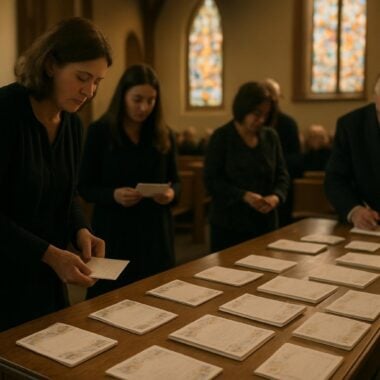
Begin by gathering documents—birth and marriage certificates, military records, or past photographs—that can help confirm names, dates, and milestones. If possible, reach out to siblings, children, or close friends for their input. They may recall stories, achievements, or relationships you’ve overlooked. In our experience at DisciplePress, group efforts often result in richer, more meaningful obituaries for booklet programs or celebration of life events.
Use shared online documents or group chats to collect memories and corrections. This approach ensures everyone feels involved and that no one’s contributions are missed. If you’re managing a large or blended family, our custom design services can help organize extended lists in 16-page or 20-page programs, ensuring every connection is honored.
Finally, remember that you don’t have to do this alone. Our Free Obituary Writing Assistant provides prompts and checklists to guide you. Don’t hesitate to reach out to us at DisciplePress if you need help organizing, editing, or reviewing your obituary. Collaboration and fact-checking are essential steps to avoid mistakes and create a tribute that truly reflects your loved one’s life.
Related Articles
Conclusion: Moving Forward with Confidence and Compassion
Writing an obituary under time pressure is a daunting task, but with care and attention, you can avoid common mistakes and create a tribute worthy of your loved one. By focusing on accuracy, reviewing details, and collaborating with others, you can prevent errors like misspelled names, omitted relationships, and unclear service information. Taking these steps ensures your obituary will be cherished in funeral programs, memorial cards, and keepsakes for years to come.
At DisciplePress, we are honored to walk beside you during this challenging time. Our team is here to help with practical tools, like our Free Obituary Writing Assistant, and compassionate support through custom design services and careful review of your materials. Whether you need bi-fold programs, 8-page programs, or same-day printing, we strive to make the process as seamless and supportive as possible.
As you move forward, remember that it’s okay to ask for help and to take extra time where possible. Reach out to family, friends, or our team for guidance and reassurance. Every detail you include is a gift to those who loved and will remember your dear one.
If you need more advice or assistance, please contact us at DisciplePress. We are committed to helping families and funeral planners avoid mistakes and create beautiful, lasting tributes. May your journey through this process be filled with comfort, love, and support—and may your loved one’s memory be honored with the dignity and care they deserve. Learn more about DisciplePress and our commitment to serving families. Browse our design gallery for inspiration. For personalized assistance, please contact us.