
 Free Shipping Over $50
  888-432-8363


 Obituary/Programs
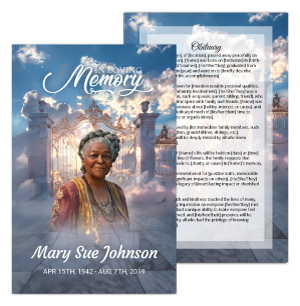 No-Fold Memorial Programs
 4 Page Funeral Programs
 8 Page Memorial Programs
 12 Page Funeral Programs
 16 Page Funeral Programs
 20 Page Funeral Programs
 Tri-Fold Funeral Programs
 Complete Memorial Packages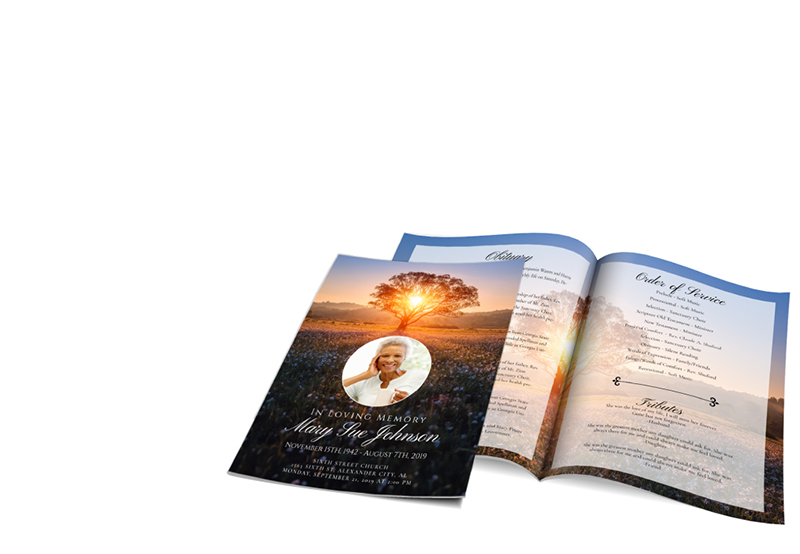
 Cards & Bookmarks
 Saint Prayer Cards
 Folded Memorial Cards
 Folded Holy Cards
 Memorial Bookmarks
 Thank You Cards
 Share-A-Memory Cards
 Memorial Magnets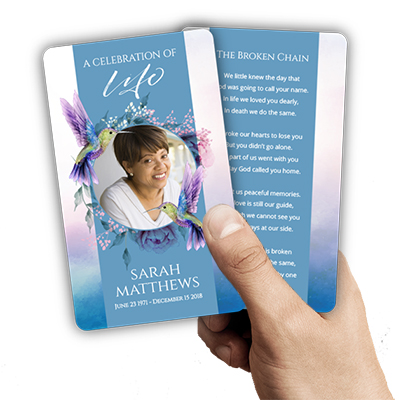
 Memorial Posters
 Guest Books
 Slide Shows
 Memorial Fans
 Death Announcements
 Take Away Keepsakes
 Church Products
Introduction
We understand this is a difficult time for you. The loss of a loved one is an emotional journey that tests our strength and resilience. Yet, amidst the grief, there’s a need to come together in respect and remembrance, to celebrate the life lived and to offer support to each other. This often culminates in a funeral or a memorial service – an event that, despite its familiarity, can leave many unsure of the correct etiquette to follow.
This guide is here to help. We aim to provide clarity on the expectations and etiquette surrounding funerals to help you navigate these waters with respect and compassion. It’s important to remember that every funeral is unique, reflecting the life and preferences of the deceased and their family. Therefore, while this guide presents widely accepted practices, always consider the specific circumstances and cultural or religious customs involved.
We will cover various aspects of funeral etiquette, from arriving on time and maintaining a respectful demeanor, to offering condolences and deciding between flowers and cards. We also aim to highlight the value of thoughtful mementos like funeral programs and memorial cards, which can provide a tangible connection to the person who has passed.
We hope this guide will serve as a comforting resource during this challenging time. Our goal is to ease your worries and help you focus on what truly matters – honouring the memory of your loved one and finding solace in shared grief and support.
Arriving On Time
One of the most basic yet essential aspects of funeral etiquette is punctuality. Arriving on time is a sign of respect towards the deceased and their family. It’s advisable to aim for 15 to 20 minutes early to find a seat without disrupting the service.
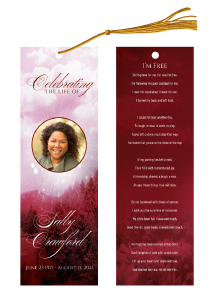
Every memorial should reflect the unique life and legacy of your loved one. We offer Memorial Bookmarks, Funeral Programs and Prayer Cards to help you create meaningful tributes.
If unforeseen circumstances make you late, enter quietly without drawing attention. In a traditional service, ushers may guide latecomers to appropriate seats. In case of an ongoing eulogy or prayer, it’s respectful to wait outside or in the back until it’s finished.
If you’re attending a wake or a viewing before the funeral, it’s usually acceptable to arrive at any time during the specified hours. However, try to ensure you’re there when the immediate family is present, especially if you’re close to them.
Remember, the purpose of your attendance is to pay respects and offer support. Your timely presence can provide great comfort to the grieving family.
Respecting Silence and Decorum
Funerals are solemn occasions. Maintaining a respectful silence and decorum throughout the service is crucial. Ensure your mobile phone is on silent or switched off to avoid any disruptions. If you need to take a call, step outside the venue to do so.
Keep conversations low-key and respectful. This is not the time for loud chatter or laughter. Instead, share quiet memories of the deceased or offer words of comfort to those in mourning.
It’s also essential to respect the customs and traditions of the funeral. If you’re unfamiliar with certain rituals, observe and follow the lead of others. When in doubt, ask a close family member or the funeral director for guidance.
Consider thoughtful gestures, like helping an elderly person with seating or offering to share your funeral program with someone who didn’t receive one. Small acts of kindness can mean a lot during these times.
Signing the Guestbook
Most funerals have a guestbook for attendees to sign. This serves as a record for the family to see who attended the service and can be a source of comfort in the days to come. It can also aid the family in sending thank-you notes or acknowledgments later.
We’re committed to supporting you through this difficult time with meaningful memorial resources. We offer Prayer Cards, Saint Prayer Cards and Memorial Cards to help you create meaningful tributes.
When signing the guestbook, include your full name and, if applicable, your relationship to the deceased. You may also include a brief message of condolence.
If the family has chosen to use funeral guest books from DisciplePress, you might find comforting quotes or verses on the pages. These thoughtful additions aim to provide solace and inspiration to the grieving family.
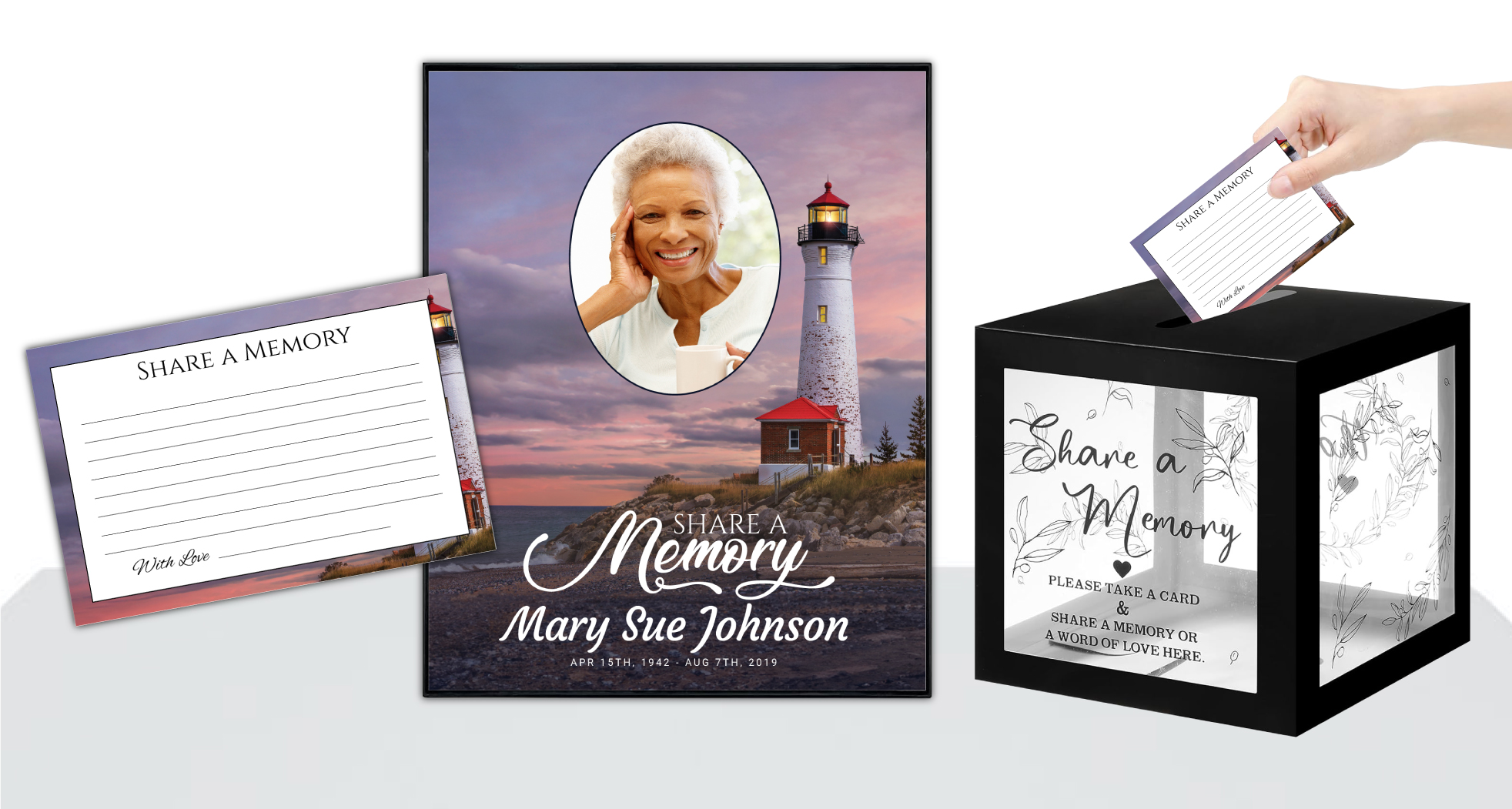
Some families may also provide Share a Memory Cards. These are an opportunity to write down a cherished memory of the loved one, which can bring great comfort to the family in the grieving process.
Offering Condolences
Expressing condolences is a fundamental part of attending a funeral. However, finding the right words can be challenging. Remember, the key is sincerity and empathy. A simple “I’m sorry for your loss” can convey your sympathy effectively.
If you had a close relationship with the deceased, sharing a personal memory can be comforting to the family. Avoid bringing up potentially distressing topics or details. Instead, focus on the positive impact and legacy of the deceased.
If you’re unsure what to say, consider putting your feelings in writing. A thoughtfully written sympathy card can express your condolences and provide lasting comfort to the bereaved family. Custom printed with beautiful designs and comforting verses, these cards can serve as a heartfelt tribute to the departed.
Remember, your presence and support are the most important things at this time. Offering condolences is about acknowledging the loss and expressing your willingness to be there for those in grief.
Choosing Between Flowers and Cards
Flowers are traditional funeral gifts, symbolizing life and beauty amidst sadness. However, some families may prefer donations to a chosen charity in lieu of flowers. Always check the funeral announcement or ask a family member for their preference.
If flowers are appropriate, consider the family’s traditions and the deceased’s personal tastes. Some may prefer specific flowers or colors. Funeral homes or florists can guide you in choosing suitable arrangements.
Cards, on the other hand, provide a more personal touch. A heartfelt message in a memorial card can express your sympathy and offer comfort. You can also consider including a memorial bookmark with a favorite quote or verse from the deceased.
At DisciplePress, we offer a range of beautifully designed memorial cards and bookmarks that can be customized to reflect the personality and preferences of your loved one. These keepsakes can serve as a lasting reminder of the life lived and the memories shared.
Conclusion
Funeral etiquette may seem complex, but at its heart, it’s about respect, remembrance, and support. By being punctual, maintaining decorum, offering condolences sincerely, and choosing thoughtful tokens of sympathy, you can navigate this challenging event with grace.
As we conclude this guide, we hope we’ve managed to provide useful insights to help you through this difficult time. Remember, it’s the love and respect you hold for the departed that truly matters. Your presence, your words, and your actions all contribute to a meaningful celebration of their life.
At DisciplePress, we understand that memorials are more than just an event. They are a crucial part of the healing process, a chance to come together in shared grief and love. This is why we offer a range of memorial products, including customized funeral programs, memorial cards, and bookmarks, to help you honor and remember your loved one in a meaningful way.
As you move forward, know that you’re not alone in your grief. Reach out to those around you, share stories, and create lasting memorials. These connections, these shared moments of remembrance, are what truly help us navigate the path of loss and healing.
May your memories bring you comfort, and may your love bring you solace. You are in our thoughts. Learn more about DisciplePress and our commitment to serving families. Browse our design gallery for inspiration. For personalized assistance, please contact us.