 Free Shipping Over $50
 888-432-8363



 Obituary/Programs
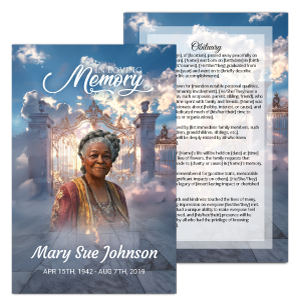 No-Fold Memorial Programs
 4 Page Funeral Programs
 8 Page Memorial Programs
 12 Page Funeral Programs
 16 Page Funeral Programs
 20 Page Funeral Programs
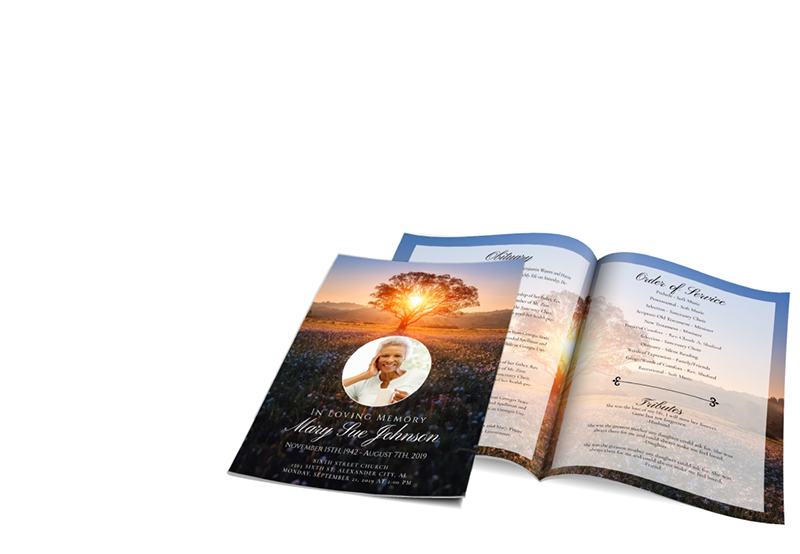
 Tri-Fold Funeral Programs
 Complete Memorial Packages
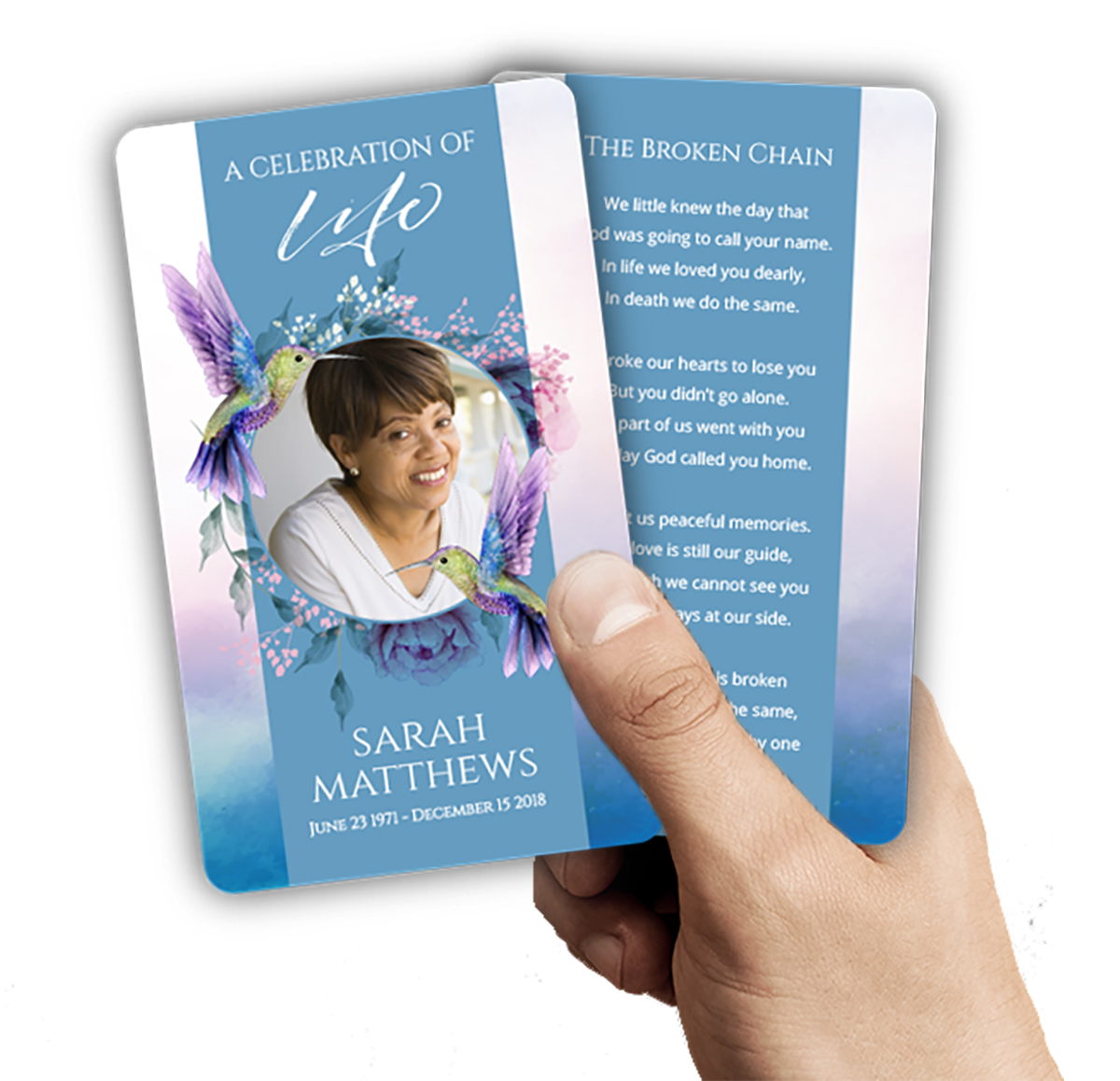 Cards & Bookmarks
 Saint Prayer Cards
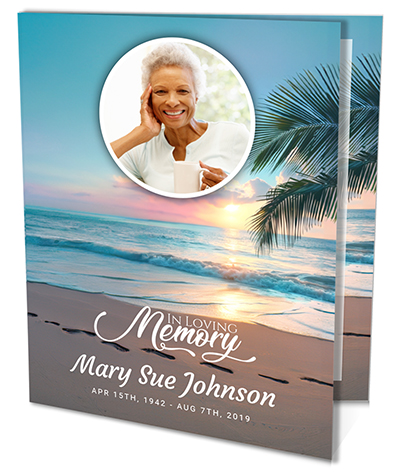 Folded Memorial Cards
 Folded Holy Cards
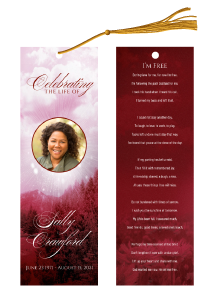 Memorial Bookmarks
 Thank You Cards
 Share-A-Memory Cards
 Memorial Magnets
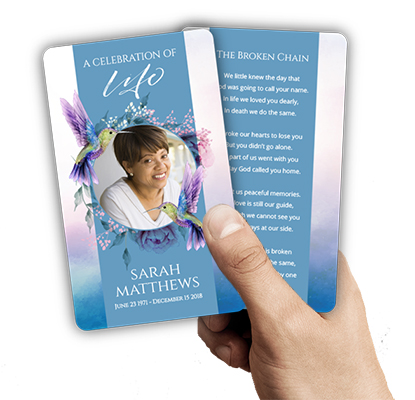
 Memorial Posters
 Guest Books
 Slide Shows
 Memorial Fans
 Death Announcements
 Take Away Keepsakes

 Church Products

Finding Comfort in Structure: Why an Obituary Writing Checklist Matters
In the days following the loss of a loved one, emotions often run high and decisions can feel overwhelming. It’s entirely natural to feel uncertain or even paralyzed when faced with the daunting responsibility of writing an obituary. During these tender moments, having a structured approach—a compassionate obituary writing checklist—can offer much-needed guidance and clarity.
Writing an obituary is more than a practical task; it’s an act of love, a way to honor a unique life and begin the journey of remembrance. This important step can also feel intimidating, especially when time is short and emotions are raw. That’s why DisciplePress has created this comprehensive guide: to walk beside you, step by gentle step, as you craft a meaningful tribute.
This article will lead you through a detailed, actionable obituary writing checklist specifically designed for families and funeral directors working under pressure. We’ll cover what information to gather, key questions to consider, and practical ways to streamline the process—ensuring that your loved one’s memory is honored with both care and accuracy. Along the way, we’ll show how a thoughtful checklist can help you create beautiful funeral programs, like our bi-fold and 8-page options, and keep the whole memorial process organized.
Above all, our goal is to offer both comfort and practical support. Whether you’re a family member, a close friend, or a professional guiding others, this guide will help you navigate the emotional and logistical steps of obituary writing. Let’s start this journey with care, compassion, and hope.
Step One: Gathering Essential Personal Details

The first crucial step in the obituary writing checklist is collecting all essential personal details about your loved one. This foundational information forms the backbone of the obituary and ensures every aspect of their identity is honored. Begin with their full legal name, including any nicknames or maiden names if appropriate. Accurate birth and death dates are important, as are the places where these significant events occurred.
At DisciplePress, we understand the importance of honoring your loved one’s memory. We offer Memorial Bookmarks, Funeral Programs and Prayer Cards to help you create meaningful tributes.
In addition to these basics, record their age, current residence, and places where they spent significant chapters of their life. For many, including hometowns or places of long-term residence adds warmth and context. Consider noting any military service, degrees, or professional achievements, as these details can help paint a fuller picture and may be especially meaningful for certain family members.
It’s also helpful to gather information about the loved one’s immediate family. Write down the names and relationships of surviving relatives such as spouse, children, siblings, parents, and grandchildren. Don’t forget to include those who preceded them in death, as mentioning them can bring comfort to grieving family members. This is also the time to ask family if there are any blended or step-family relationships that should be recognized.
Having all of this information in one place—whether on paper, in a digital document, or by using tools like the Free Obituary Writing Assistant—will streamline the next steps. This organized approach is particularly helpful when time is limited, as it reduces the stress of searching for missing facts later. These details will transfer seamlessly into funeral program designs, including DisciplePress’s funeral programs and booklet programs, ensuring accuracy and honoring every important aspect of your loved one’s story.
Step Two: Reflecting on Life’s Milestones and Achievements
With the essential details gathered, the next step in our obituary writing checklist is to reflect on your loved one’s major life milestones and achievements. This is where the obituary becomes more than a record—it’s a heartfelt tribute. Begin by jotting down significant educational accomplishments, such as high school or college graduations, professional certifications, or specialized training.
Consider their career path, including notable positions, promotions, or businesses they built. If they served in the military, were part of community organizations, or volunteered, these elements add depth and warmth to the tribute. For many families, including these achievements in memorial cards or prayer cards can create keepsakes that honor legacy and impact.
Don’t overlook personal accomplishments or hobbies—perhaps your loved one was a talented gardener, an avid traveler, or a cherished church choir member. These details may seem small, but they often capture the true spirit of a person. Ask other family members for their favorite stories or memories; sometimes a single anecdote can become the heart of an obituary.
If you’re working quickly, try to focus on 3-5 key milestones that best reflect your loved one’s life. Remember, funeral programs such as 8-page or 12-page booklets allow more space for extended stories, biographies, or photo collages. Using a checklist ensures you don’t forget important highlights, making it easier to collaborate with funeral directors or design professionals if you choose to personalize your memorial materials through custom design services.
Step Three: Caring for Family and Relationship Details
Obituaries are deeply personal, and one of the most sensitive steps is thoughtfully listing surviving and predeceased family members. This part of the obituary writing checklist can be challenging, especially for blended or extended families. Start by confirming the preferred order for listing names—usually spouse, children, grandchildren, parents, and siblings, followed by extended family or close friends.
At DisciplePress, we understand the importance of honoring your loved one’s memory. We offer Prayer Cards, Memorial Cards and Celebration of Life to help you create meaningful tributes.
It’s important to double-check the spelling of names and relationships. If you’re unsure, gently reach out to family members for clarification. Some families have special circumstances, such as stepchildren, godchildren, or foster relationships, that deserve recognition. Discussing these choices beforehand helps avoid misunderstandings and honors each bond appropriately.
When time is short, a simple list may suffice, but even a brief mention can bring comfort. For larger families, consider grouping survivors (“He is survived by his three children and seven grandchildren”) to save space, especially in tri-fold programs or memorial cards. Alternatively, a longer list may be suitable for more extensive funeral booklets like 16-page or 20-page programs.
Remember, family dynamics can be sensitive. If there are estranged relatives or challenging relationships, seek guidance from those closest to the deceased on how to handle these mentions. The goal is always to focus on love and respect. Our Free Obituary Writing Assistant includes prompts for family relationships, helping you cover all bases thoughtfully and compassionately.
Step Four: Including Service, Memorial, and Donation Information
Another essential element of the obituary writing checklist is providing clear information about funeral or memorial services. Families and friends rely on these details to pay their respects and offer support. Begin by confirming the date, time, and location of services. If there are multiple events—such as a viewing, funeral, or celebration of life—list each clearly.
For those who wish to keep services private or invite only specific individuals, note this sensitively (“A private ceremony will be held for family”). If your loved one’s faith was central, include details about religious rites, scripture readings, or special traditions. These can also be incorporated into faith-based programs or personalized prayer cards as meaningful keepsakes.
Often, families request memorial donations in lieu of flowers. If so, specify the preferred charity, fund, or organization, along with instructions for donating. For example, “In lieu of flowers, memorial contributions may be made to the American Heart Association.” This information can be highlighted in funeral program designs or printed on thank you cards for guests.
Don’t forget to include contact information or a website where guests can find updates or leave condolences. Some families also mention where to send flowers or cards. Keeping this information organized on your checklist ensures no important detail is overlooked, particularly when submitting the obituary to newspapers or preparing materials with a tight turnaround time.
Step Five: Crafting the Personal Touch—Stories, Quotes, and Special Memories
Once the essential information is gathered, take a moment to consider what personal touches you’d like to include. This stage of the obituary writing checklist is where your loved one’s unique personality shines through. Begin by collecting favorite memories, anecdotes, or short stories that reveal their character, humor, or kindness.
Quotes, verses, or brief poems can be a source of comfort and inspiration. The Funeral Poems Collection and Bible Verses Collection offer a range of options, from classic to contemporary, that can be woven into the obituary or featured in funeral programs. Even a simple phrase that your loved one often said can hold deep meaning for those who knew them best.
If you’re creating memorial bookmarks or memorial cards, these personal touches can be highlighted as keepsakes for family and friends. Use this opportunity to ask others for their favorite stories or traditions—sometimes, a small detail will resonate with many. For example, “She never missed a sunrise walk,” or “He was famous for his Sunday pancakes.”
Remember, there is no “right” way to include these elements. Some families prefer a formal tone, while others embrace humor or storytelling. Use the checklist to decide which memories fit best, and consider the length of your chosen funeral program format—booklet programs allow for more extended stories, while shorter programs or cards may lend themselves to concise tributes.
Step Six: Reviewing, Editing, and Seeking Support
With your draft complete, take the time to review and edit. This step in the obituary writing checklist ensures accuracy, clarity, and respect for your loved one’s legacy. Begin by reading the obituary aloud; sometimes hearing the words helps to catch awkward phrasing or missing information. Double-check all names, dates, and locations for correctness.
Ask a trusted family member or friend to review the draft. A fresh perspective can catch errors or suggest additional memories that add warmth. If you’re working with a funeral director or a service like DisciplePress, share the draft early—especially if you’re on a tight timeline and might need rush orders or same-day printing.
Editing can feel daunting, particularly when emotions are high. Allow yourself time to step away and return with a clear mind, even if just for a few minutes. Don’t hesitate to use support tools like our Free Obituary Writing Assistant, which provides prompts and templates to help polish your writing.
This is also the moment to finalize how the obituary will appear in funeral programs, whether you choose a classic bi-fold, detailed 16-page booklet, or a compact tri-fold program. Ensuring your text is error-free will make the final printed materials a cherished keepsake for all who attend the service.
Step Seven: Coordinating with Funeral Programs and Keepsakes
Once your obituary is finalized, it’s time to coordinate it with your chosen funeral programs and keepsakes. The obituary you’ve written will often appear in multiple places—printed in bi-fold programs, included in 8-page or 12-page booklets, and featured on memorial bookmarks or prayer cards. Each format offers unique ways to honor your loved one’s memory.
Consider how the length and style of your obituary fit with your chosen format. For example, longer tributes are well-suited to booklet programs, while shorter versions may be ideal for tri-fold programs or celebration of life programs. Discuss your options with your funeral director or the DisciplePress team to ensure your text aligns with the available space and design possibilities.
You may wish to add photographs, favorite quotes, or even a timeline of milestones alongside the obituary in your funeral program. Keepsakes such as memorial cards or bookmarks can feature abbreviated versions or highlight special memories and verses. These items become cherished mementos for family and friends, preserving your loved one’s legacy long after the service ends.
If you’re short on time, ask about our rush orders and same-day printing. The goal is always to ensure your loved one’s memory is honored with dignity and care, no matter the timeline. Using the obituary writing checklist to guide this process will help you stay organized and focused, even in difficult moments.
Step Eight: Navigating Challenges and Honoring Diverse Traditions
Every family’s journey through grief is unique, and obituary writing can bring up unexpected challenges. Perhaps there are sensitive family dynamics, or you’re unsure how to handle non-traditional relationships. Some readers may be planning a celebration of life rather than a traditional service, or navigating cultural or religious customs that influence obituary content.
In these situations, lean on your checklist for support. It can serve as a neutral guide that helps you make thoughtful, inclusive decisions. For example, some families may wish to include spiritual elements in faith-based programs, while others prefer a secular tone. Respecting the wishes of the deceased and their closest loved ones should always come first.
If you encounter writer’s block or feel overwhelmed, remember you’re not alone. Reach out to others for support—funeral directors, spiritual leaders, or trusted friends can all offer perspective. Consider using DisciplePress’s custom design services if you need help personalizing funeral programs, or browse our design gallery for inspiration.
Finally, be gentle with yourself. Grief is a complex, deeply personal process, and there is no perfect way to write an obituary. An organized checklist can ease the burden, allowing you to focus on love, remembrance, and healing. Your effort, no matter how small, is a meaningful tribute to a life well-lived.
Related Articles
Conclusion: Moving Forward with Compassion and Support
Writing an obituary is both an emotional and practical task, especially when time is short and grief is fresh. By following this obituary writing checklist, you can bring structure and clarity to a challenging moment, ensuring every important detail is honored and remembered. Gathering personal details, reflecting on milestones, thoughtfully listing relationships, and weaving in special memories all work together to create a lasting tribute.
Remember, the obituary you craft will not only inform others but also provide comfort and remembrance for years to come. Whether you choose a bi-fold program, a detailed 16-page booklet, or keepsakes like memorial bookmarks, your careful attention will be felt by all who receive them. DisciplePress is here to support you at every step—with our Free Obituary Writing Assistant, a wide range of funeral program formats, and compassionate custom design services.
If you need help with tight timelines, our rush orders and same-day printing services can bring peace of mind. Don’t hesitate to contact us for guidance or to explore our design gallery for inspiration. Every family’s journey is different, and we are honored to walk alongside you as you honor your loved one’s story.
Above all, know that your efforts—however simple or elaborate—are acts of love. Take comfort in the memories you share, the stories you tell, and the legacy you help preserve. We hope this checklist brings you clarity and compassion as you navigate this important part of the grieving process, and that your loved one’s memory is honored with grace and dignity. Learn more about DisciplePress and our commitment to serving families. We offer rush orders and same-day printing for urgent needs. Read what other families have said in our customer testimonials.