 Free Shipping Over $50
 888-432-8363



 Obituary/Programs
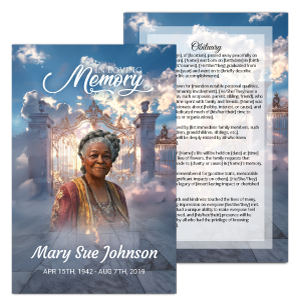 No-Fold Memorial Programs
 4 Page Funeral Programs
 8 Page Memorial Programs
 12 Page Funeral Programs
 16 Page Funeral Programs
 20 Page Funeral Programs
 Tri-Fold Funeral Programs
 Complete Memorial Packages
 Cards & Bookmarks
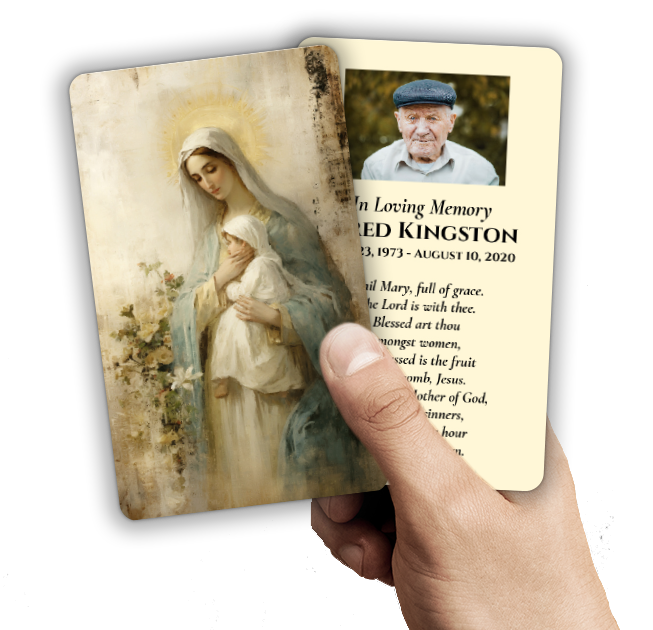 Saint Prayer Cards
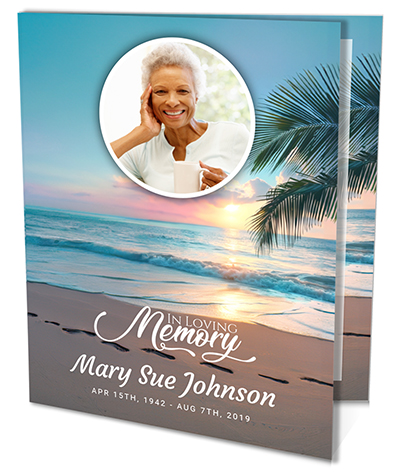 Folded Memorial Cards
 Folded Holy Cards
 Memorial Bookmarks
 Thank You Cards
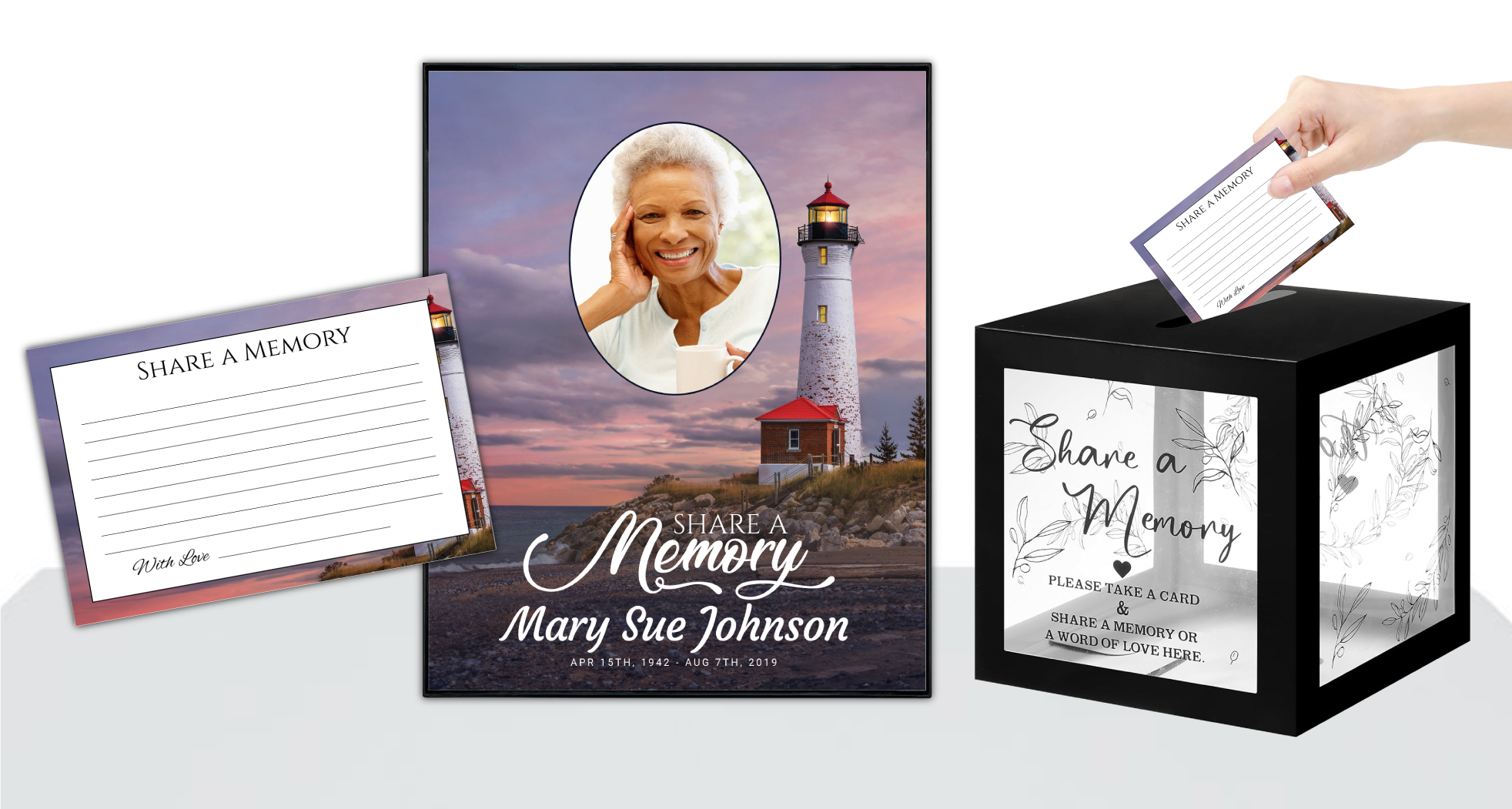 Share-A-Memory Cards
 Memorial Magnets
 Memorial Posters
 Guest Books
 Slide Shows
 Memorial Fans
 Death Announcements
 Take Away Keepsakes
 Church Products

Introduction: Navigating Photo Permissions for Funeral Programs with Compassion
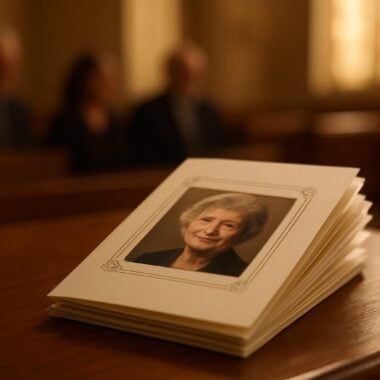
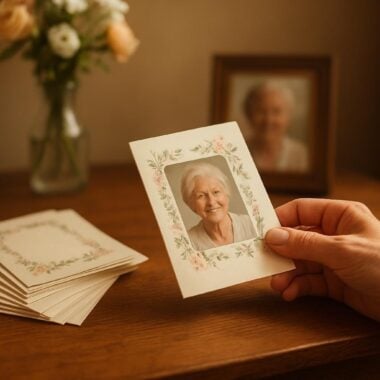
When families face the task of planning a funeral or memorial, every detail can feel profoundly significant. Choosing photos for a funeral program—whether it’s a simple bi-fold, an elaborate 16-page booklet, or cherished memorial bookmarks—becomes a way to honor a loved one’s memory. At DisciplePress, we understand how emotional and overwhelming these decisions can be. One area that often brings questions and uncertainty is photo permissions for funeral program materials.
In times of grief, details like copyright, privacy, and etiquette may seem secondary. Yet, these considerations are crucial to ensure we respect both the memory of the deceased and the rights of photographers or agencies involved. Families often wonder: Can I use a professional portrait? What about school pictures or photos found online? How do I ask for permission if needed? Understanding these issues can help prevent unintended distress or legal complications during an already difficult time.
This article gently guides you through everything you need to know about photo permissions and privacy for memorial printing. We’ll cover legal aspects, practical steps, and thoughtful etiquette for using photos in funeral programs, celebration of life booklets, memorial cards, and more. Real examples and actionable tips will help you make informed, respectful choices.
Our goal is to provide clear, compassionate support. Whether you’re a grieving family member, a funeral director, or a friend helping with arrangements, we hope this guide brings confidence and peace of mind as you create a meaningful tribute. Let’s explore how to honor your loved one’s image with both beauty and integrity.
Understanding Copyright: Who Owns the Photo?

Before including any image in a memorial program, it’s essential to understand the basics of copyright. Copyright law protects the rights of creators—often photographers—over their original work. This means that simply possessing a print or digital copy of a photo does not always grant you permission to reproduce it in funeral booklets, memorial cards, or even on a celebration of life program.
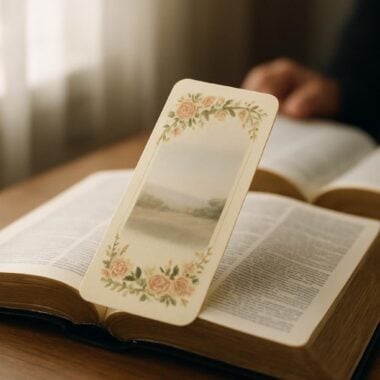
Every memorial should reflect the unique life and legacy of your loved one. We offer Memorial Bookmarks, Funeral Programs and Prayer Cards to help you create meaningful tributes.
Professional portraits are a common example. If your loved one had a formal photo taken at a studio, the studio or photographer typically retains the copyright. Even if you have a printed copy at home, you may not have the legal right to scan and use it in bi-fold programs or on memorial bookmarks without explicit permission. The same holds true for school portraits, sports photographs, and event photos taken by professional services.
Family snapshots and candid photos generally belong to the person who took them, often a family member or friend. If you’re unsure who took the photo, try to recall the circumstances or ask relatives for help. When the photographer is a family member, obtaining permission is usually straightforward—just a simple conversation or message can suffice. However, if a professional or third party is involved, written consent is best.
To avoid complications, always check for watermarks or studio logos, which indicate a professional photographer’s work. If you wish to use such images in any of our funeral program types—such as 8-page or 12-page programs—contact the photographer or studio, explain your purpose, and request permission. Most studios are understanding and may grant free or low-cost permission for memorial use, especially when approached with kindness and clarity.
Privacy Considerations: Respecting Loved Ones and Their Legacy
While copyright answers “can I use this photo?”, privacy asks “should I?” Even with legal rights secured, it’s crucial to consider the wishes and dignity of the person featured in the photograph, as well as the feelings of surviving family members. When preparing a funeral program or memorial card, think carefully about the context in which a photo was taken and shared.
For example, candid moments—such as family gatherings or vacations—may carry intimate memories. Some relatives might prefer not to display certain images publicly, especially in printed funeral booklets or widely distributed celebration of life programs. Sensitive images, such as hospital photos or pictures from difficult times, require extra consideration. Always ask yourself: Would my loved one be comfortable with this photo representing their memory?
If the image features other people alongside your loved one—such as classmates, coworkers, or friends—it’s courteous to seek their consent before including the image in a tri-fold program or memorial bookmark. This is especially important for children’s photos, where additional privacy concerns apply. When in doubt, a simple message or phone call can help avoid misunderstandings or discomfort down the line.
At DisciplePress, we recommend gathering input from close family and friends when selecting images for prayer cards, obituary templates, or memorial cards. This collaborative approach ensures everyone feels respected and involved in honoring your loved one’s legacy. It can also bring comfort and connection during a time of sorrow.
Professional Portraits and School Photos: Special Permission Steps
Professional portraits and school photos are among the most cherished images families wish to include in funeral programs and memorial cards. However, these are also the images most likely to be protected by copyright and subject to special usage restrictions. Understanding the steps for obtaining permission can make the process smoother and more respectful.
Every memorial should reflect the unique life and legacy of your loved one. We offer Prayer Cards, Memorial Cards and Obituary Templates to help you create meaningful tributes.
Most photographers and studios retain copyright over their images, even when you have purchased prints. Many studios include a copyright statement or watermark on the back of photos or within digital galleries. If you wish to include a professional portrait in a 16-page or 20-page program, start by contacting the studio. Explain the context—a memorial or funeral program for a loved one—and ask if they can provide a high-resolution image or written permission for print use. Many are compassionate to grieving families and may offer assistance at no extra charge.
School photos, sports portraits, and images from organized events often come with similar restrictions. Many schools have contracts with specific photography companies, so permissions must be requested through those agencies. When seeking permission, provide the photographer’s reference number (if available), the intended use (e.g., memorial bookmarks, prayer cards), and your contact information. This transparency helps expedite the process.
When permission cannot be obtained in time—perhaps due to tight turnaround for same-day printing or rush orders—consider using alternative images, such as family snapshots or candid photos, for your funeral program. Our custom design services can help adjust layouts to accommodate last-minute changes, ensuring your final product remains beautiful and meaningful even under time constraints.
Social Media, Online Images, and Digital Privacy
In today’s digital age, many families turn to social media or online galleries for memorable images of their loved ones. While these platforms make sharing and accessing photos convenient, they also add new layers to the conversation about photo permissions for funeral program materials. It’s important to recognize that not all images found online are free to use, even if they feature your loved one.
Social media platforms like Facebook, Instagram, and Twitter have their own terms of service regarding image ownership and sharing. Typically, the person who uploads the photo retains copyright, but the platform may also have certain usage rights. If you want to use a photo from someone else’s account in your funeral program, always ask the original poster for permission, especially if the photo is not already in your possession.
Images found through online searches or third-party websites should be approached with caution. Unless the photo is public domain or explicitly licensed for free use (such as through Creative Commons), it’s best to avoid incorporating it into printed materials like memorial cards, large memorial cards, or death announcement cards. Instead, focus on images you have taken yourself, or those for which you have clear, documented permission.
For families who wish to gather digital photos from multiple sources, consider using our “share a memory cards” to invite guests to contribute their own images and stories. This not only enriches the memorial program but also ensures that all shared photos come with the proper permissions, reducing the risk of future privacy concerns.
Ethical Guidelines and Family Etiquette
Beyond legal requirements, ethical considerations and family etiquette play a vital role when selecting and sharing photos for memorial printing. Grief can sometimes magnify feelings around privacy, representation, and respect, so open, gentle communication is key. When planning a funeral program—whether an 8-page, booklet, or angel-themed design—consider involving close relatives in the selection process.
Start by discussing which images best capture your loved one’s spirit and how they would want to be remembered. If there are disagreements about certain photos, listen to each perspective with empathy. Sometimes, family members may be sensitive about older images or those that evoke painful associations. In these situations, choosing a more universally cherished photo can help foster unity and peace.
It’s also kind to acknowledge cultural or religious values that may influence photo choices. For example, some traditions prefer modest portraits or restrict the use of images altogether. At DisciplePress, we offer faith-based programs and nature-themed programs to help families honor their beliefs and preferences.
If you’re working with a funeral home, funeral director, or using our custom design services, let them know about any sensitive issues so they can support you in creating a program that feels appropriate and comforting. Remember, these decisions are deeply personal—there is no single “right” way to honor a loved one’s memory. Trust your instincts and the input of those closest to you.
Practical Steps for Gathering and Using Photos Responsibly
Once you’ve identified which photos you’d like to include, follow a few practical steps to ensure you have the right permissions and respect everyone’s privacy. First, create a list of desired images and note who owns each (family member, photographer, school, or online source). This helps you track where permissions are needed and avoid last-minute confusion during the design and printing process.
For professional images, reach out as early as possible—especially if you need them for same-day printing or a rush order. Provide details about your timeline, the type of funeral program (bi-fold, tri-fold, booklet), and the intended use. Many photographers appreciate clear communication and are willing to help, especially for compassionate causes like memorials.
When seeking permission from family or friends, a gentle conversation goes a long way. Explain your intentions and how the photo will be used in keepsakes like memorial bookmarks or prayer cards. If anyone feels uncomfortable, respect their wishes and consider alternative images.
As you finalize your selections, keep digital files organized and labeled with the source and permission status. This makes it easier to work with our design team at DisciplePress, ensuring your memorial program comes together smoothly. Consider storing permissions (emails, messages, or written notes) in a dedicated folder for future reference.
Handling Last-Minute Issues: What If Permission Can’t Be Obtained?
Despite your best efforts, there may be times when you cannot secure permission for a desired photo before the printing deadline. This is especially stressful when time is short and emotions are high. If you find yourself in this situation, take heart—there are still compassionate, creative solutions to honor your loved one’s memory beautifully.
First, consider alternative images that you already have permission to use, such as personal snapshots or photos taken by family members. Our team at DisciplePress can help adjust layouts or suggest design tweaks for bi-fold programs, 8-page booklets, or memorial cards, even at the last minute. Utilizing our same-day printing or rush order service can help ensure your materials are ready on time.
If you have only a low-resolution version or a watermarked copy of a professional photo, avoid using it without permission, as this may cause legal or ethical concerns. Instead, include a heartfelt note in the program, inviting guests to share their own memories or photos through “share a memory cards” or by contributing to a memorial slideshow at the service.
Remember, the essence of a memorial program lies in the love and thoughtfulness behind it, not just the images themselves. Focusing on meaningful quotes, favorite Bible verses, or cherished stories can help create a deeply personal tribute, even when photo choices are limited. Reach out to us if you need help brainstorming alternatives or navigating these challenges—we are here to support you every step of the way.
Related Articles
Conclusion: Honoring Loved Ones with Integrity and Care
As you navigate photo permissions for funeral program materials, know that you are not alone. The process can feel daunting, but taking the time to respect copyright, privacy, and family wishes ensures that your tribute is both heartfelt and honorable. Each step—seeking permission, choosing images, and collaborating with loved ones—reflects your care and devotion.
At DisciplePress, we are committed to supporting families through every aspect of memorial printing. Whether you need bi-fold programs, memorial bookmarks, prayer cards, or custom design services, our team is here to provide guidance, flexibility, and compassion. We understand the importance of timely service, so feel free to take advantage of our rush orders and same-day printing options when needed.
If you have questions about photo permissions, or need help selecting or preparing images, don’t hesitate to reach out to us. You can also browse our obituary templates, memorial quotes, and design gallery for inspiration as you craft a loving tribute. Gathering photos is about more than creating a program—it’s about preserving your loved one’s legacy for generations to come.
We hope this guide has offered clarity, reassurance, and practical help during a difficult time. Your thoughtfulness in honoring your loved one’s memory is a powerful testament to their life and the love you share. Please know that our hearts are with you, and we are honored to be part of your journey. Learn more about DisciplePress and our commitment to serving families. Browse our design gallery for inspiration. For personalized assistance, please contact us.