 Free Shipping Over $50
  888-432-8363


 Obituary/Programs
 No-Fold Memorial Programs
 4 Page Funeral Programs
 8 Page Memorial Programs
 12 Page Funeral Programs
 16 Page Funeral Programs
 20 Page Funeral Programs
 Tri-Fold Funeral Programs
 Complete Memorial Packages
 Cards & Bookmarks
 Saint Prayer Cards
 Folded Memorial Cards
 Folded Holy Cards
 Memorial Bookmarks
 Thank You Cards
 Share-A-Memory Cards
 Memorial Magnets
 Memorial Posters
 Guest Books
 Slide Shows
 Memorial Fans
 Death Announcements
 Take Away Keepsakes
 Church Products
Introduction: Navigating Grief and Logistics in Blended Families
When a loved one passes, grief is accompanied by the many decisions and arrangements necessary for their memorial. In blended or stepfamilies, the process of assigning funeral tasks can carry additional layers of complexity and emotion. Family members often come from different backgrounds, may have varying levels of closeness, and sometimes carry histories that need gentle navigation. At this time, feelings of grief, loyalty, and inclusion can be heightened, making open communication and thoughtful planning essential.
Assigning funeral tasks in blended families is more than just a matter of logistics; it is about honoring the life and memory of your loved one while also respecting each relationship. Whether you are a spouse, stepchild, biological child, or part of a wider circle, your role can feel uncertain. Unaddressed, these uncertainties may lead to misunderstandings or leave someone feeling left out during an already vulnerable time. We understand how important it is for every voice to be heard and every connection to be honored.
This article will walk you through practical, compassionate strategies for dividing funeral planning responsibilities in blended families. We’ll explore communication techniques, ways to foster inclusivity, and collaborative memorial projects that allow everyone to participate meaningfully—regardless of family structure. Real-world examples, actionable tips, and guidance on using resources like funeral programs, memorial cards, and custom design services will be included throughout.
At DisciplePress, we are committed to supporting families in every circumstance. As you read, we hope you’ll find both comfort and clarity. Our goal is to help you navigate this difficult journey with empathy, understanding, and a sense of hope for healing and togetherness.
Understanding the Unique Dynamics of Blended and Stepfamilies
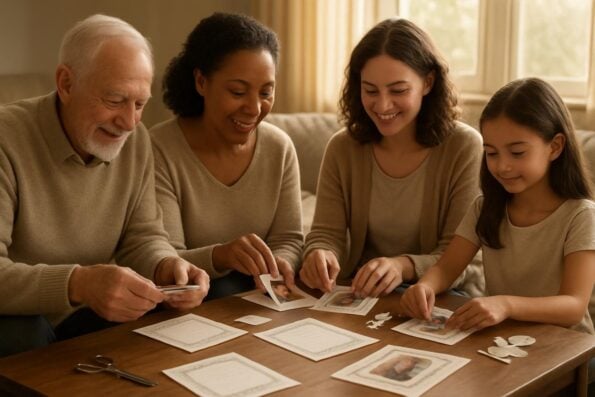
Blended families come together through remarriage or partnerships, often bringing children and extended relatives from previous relationships. This structure can create a tapestry of emotional bonds—some close, some still forming, and others, perhaps, strained by years of history. Recognizing these dynamics is an essential first step when assigning funeral tasks in blended families. Each person’s connection to the deceased may differ, and so too will their needs and expectations during the planning process.
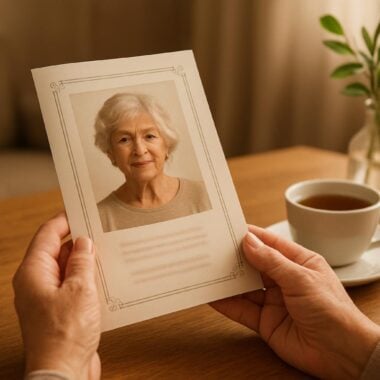
Creating a meaningful tribute for your loved one is an important part of the healing process. We offer Memorial Bookmarks, Funeral Programs and Prayer Cards to help you create meaningful tributes.
Openly acknowledging the varied relationships within a blended family can help prevent misunderstandings. For example, a stepchild may wish to participate in writing an obituary or selecting a poem, feeling deep affection for the departed. A biological child, meanwhile, may feel protective of their role or worry about being sidelined. By affirming that every relationship matters, you set a foundation for cooperation and respect.
Another important aspect is understanding the specific traditions and rituals that each family branch might value. These could be religious ceremonies, cultural customs, or even cherished family recipes for a post-service gathering. Discussing these preferences early on allows for thoughtful integration, whether through customized bi-fold funeral programs, faith-based themes, or the inclusion of special memorial bookmarks to distribute at the service.
Lastly, it is helpful to anticipate areas where emotions may run high—such as who delivers the eulogy, who selects the readings, or who manages memorial donations. By approaching these conversations with sensitivity and patience, you can create a planning experience that is inclusive and healing for everyone involved.
Setting the Stage: Early Conversations and Inclusive Planning
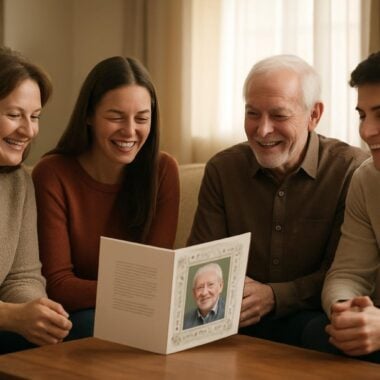
Initiating early, open conversations is vital when assigning funeral tasks in blended or stepfamilies. Grief can make communication more difficult, but a compassionate, transparent approach eases tension and prevents misunderstandings. Gather all key family members—whether in person, by phone, or virtually—and gently express your desire to honor every relationship and contribution.
Begin by outlining the major tasks involved: selecting a funeral home, choosing the format of the service, preparing funeral programs (such as tri-fold programs or 8-page programs), organizing keepsakes like memorial cards or bookmarks, and arranging for music, readings, and eulogies. Invite each person to share their wishes, strengths, and what they feel comfortable handling. Encourage both step-relatives and biological relatives to voice their feelings and ideas.
One practical tip is to use a shared checklist or task board—whether digital or paper—where everyone can see what needs to be done and volunteer for tasks. This transparency helps prevent overlap, forgotten details, and the unintentional exclusion of any family member. For example, a step-sibling with graphic design skills might take the lead on customizing the funeral program, while another relative coordinates thank you cards or prayer cards for attendees.
It’s also helpful to clarify expectations about decision-making. Will choices be made by consensus, or will certain tasks be delegated to specific individuals? Establishing these guidelines early creates a planning process that feels fair and collaborative, reducing the risk of conflict later on. If disagreements arise, remind everyone of the common goal: to honor your loved one’s memory with unity and respect.
Assigning Tasks Fairly: Balancing Roles and Responsibilities
Fairly assigning funeral tasks in blended families requires balancing both logistical needs and emotional sensitivities. Start by listing all the key responsibilities, such as writing the obituary, arranging flowers, managing guest lists, and selecting readings or music. Clearly outline which tasks are time-sensitive and which can be delegated according to each family member’s availability and strengths.
DisciplePress is dedicated to helping families honor their loved ones with dignity and care. We offer Prayer Cards, Memorial Cards and Celebration of Life to help you create meaningful tributes.
Consider inviting relatives to self-select roles based on their interests, skills, and emotional readiness. For example, an adult stepchild with a close bond to the deceased might wish to participate in creating a celebration of life program, while a biological child who is grieving deeply may prefer a less public task, like organizing the display of memorial bookmarks or setting up the memorial slideshow. Allowing for flexibility and choice can be empowering and validating.
It is also important to recognize that some tasks, such as delivering the eulogy or choosing readings for 12-page programs, may carry particular emotional weight. Rotating these responsibilities or sharing them—such as having multiple speakers or contributors—can help ensure that no one feels left out or overwhelmed. In blended families, dual or group eulogies can be a meaningful way to represent all perspectives and memories.
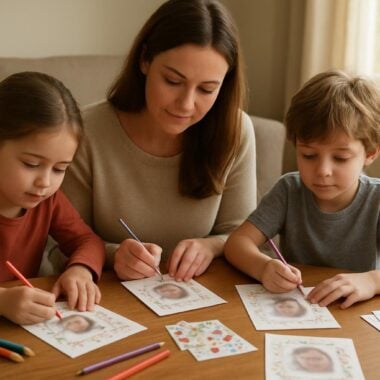
If there are children or teens in the family, consider giving them a voice in the process as well. They might contribute by creating artwork for memorial cards, helping design a keepsake like a memorial candle, or helping assemble thank you cards. This fosters a sense of belonging and honors all relationships, regardless of age or family branch.
Avoiding Common Pitfalls: Preventing Misunderstandings and Hurt Feelings
In the emotionally charged environment of funeral planning, misunderstandings can easily arise—especially in blended or stepfamilies where loyalties and histories may be complex. One common pitfall is unintentionally excluding a step-relative or overlooking their desire to participate. To avoid this, make inclusivity a guiding principle: regularly check in with all involved, ask for feedback, and be transparent about decisions.
Another area of potential conflict is the division of highly visible tasks, such as who stands in the receiving line, who represents the family in funeral programs, or whose names appear on memorial cards. When in doubt, err on the side of inclusion—consider listing all close family members on bi-fold or 16-page programs, or creating a group thank you card that acknowledges everyone’s support.
Communication breakdowns can also occur when one branch of the family feels decisions are being made without their input. To prevent this, establish regular updates—via group emails, text threads, or shared planning documents. If a disagreement arises, pause and revisit your shared goal: honoring your loved one and supporting each other. Sometimes, a neutral third party—such as a trusted family friend or clergy member—can facilitate sensitive conversations.
Lastly, be mindful of grief’s impact on emotions and communication. People may appear distant or irritable not out of malice, but because of the weight of loss. Gentle reminders of empathy and patience can go a long way in preserving harmony and ensuring a planning process that feels respectful and just.
Creating Meaningful Collaboration: Shared Projects and Keepsakes
Collaborative memorial projects can help bridge gaps and build unity among blended family members. Assigning shared tasks—such as assembling a photo collage, composing a memory book, or curating a playlist of the deceased’s favorite songs—gives everyone a tangible way to participate in honoring your loved one. These projects can be included in celebration of life programs or featured in memorial slideshows during the service.
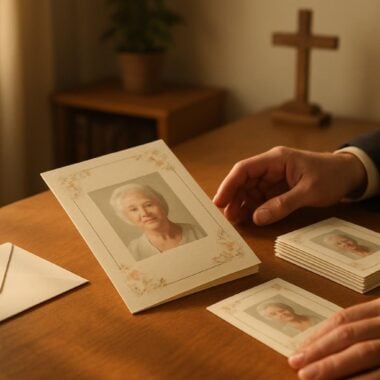
Consider inviting each branch of the family to contribute a reflection, quote, or photo to the funeral program. This could be featured in a tri-fold or 20-page program, ensuring space for everyone’s memories. For those who prefer less public roles, crafting memorial bookmarks, designing prayer cards, or helping with thank you cards are meaningful ways to be involved behind the scenes.
If your family enjoys creative expression, organizing a collaborative project—such as a quilt, garden, or memory jar—can be especially healing. Each member can add a personal touch, whether it’s a favorite Bible verse (using DisciplePress’s Bible Verses Collection), poem, or keepsake item. These shared efforts not only honor the deceased, but also create new connections among family members who may not have known each other well before the service.
Remember, personalization is key: DisciplePress offers custom design services that allow families to tailor funeral programs, memorial cards, and keepsakes to reflect the unique story of your loved one and the diverse people who loved them. Collaborative projects and personalized touches foster togetherness and transform grief into a shared act of remembrance.
Honoring All Relationships: Sensitivity to History, Culture, and Faith
Every blended family has its own history, which may include unique cultural backgrounds, religious beliefs, or family rituals. When assigning funeral tasks, take care to honor these differences with sensitivity and respect. Invite each family branch to share their traditions or requests, and consider how you might thoughtfully incorporate them into the service, funeral programs, or keepsakes.
For example, if one side of the family observes a particular faith tradition, including faith-based programs or saint prayer cards can be a meaningful gesture. If another branch prefers a secular approach, a celebration of life program with nature-themed elements or personalized memorial bookmarks may be more fitting. Strive for balance by integrating elements from both backgrounds, whether in readings, music, or visual displays.
Discussing these topics openly—while acknowledging past hurts or sensitivities—requires courage and empathy. Sometimes, compromise is necessary: alternating between traditions, offering separate memorial activities, or including dual readings or prayers. The goal is not to dilute anyone’s heritage, but to create a service that truly honors your loved one and the full tapestry of their family story.
DisciplePress offers a variety of options for personalization, from custom design services to themed funeral programs and memorial cards. By drawing on these resources, you can craft a service that feels authentic and inclusive, providing comfort to all who attend and participate.
Managing Logistics: Timelines, Printing, and Last-Minute Needs
The practical aspects of funeral planning—especially in blended families—can be challenging to coordinate. With many people involved, ensuring tasks are completed on time is crucial. Begin by establishing a clear timeline for each responsibility, such as when to finalize the obituary, order funeral programs (like 8-page or 12-page booklets), and submit photos or text for memorial cards and thank you cards. Share this timeline with all involved so everyone is aware of deadlines and expectations.
In situations where family members live far apart, or when last-minute changes arise, leverage services that offer flexibility, such as DisciplePress’s same-day printing and rush orders. This can be especially helpful for blended families who may need additional copies of prayer cards or updated funeral programs at short notice. Understanding our turnaround time will help you plan accordingly and reduce stress during an already difficult period.
Assign someone the role of coordinating with the printing provider to ensure that all materials—booklet programs, memorial bookmarks, memorial candles, and thank you cards—are submitted on time and accurately reflect the family’s wishes. This person can also manage any changes or corrections, ensuring that even last-minute additions or updates are handled with care.
Finally, communicate openly about budget expectations and available resources. Blended families may have multiple contributors, so it’s important to clarify who is responsible for which costs, especially for larger items like celebration of life programs or custom design services. Transparent discussion of logistics helps prevent misunderstandings and ensures a smooth planning process for everyone.
Related Articles
Conclusion: Moving Forward Together with Compassion and Hope
Assigning funeral tasks in blended families is both a logistical and emotional journey. By approaching the process with compassion, inclusivity, and clear communication, you can create a meaningful and healing memorial experience for all involved. Each family member, regardless of history or relationship, has something valuable to contribute to honoring your loved one’s life and legacy.
As you move forward, remember that flexibility, empathy, and patience are your greatest allies. If challenges arise, revisit your shared purpose and lean on one another for support. Collaborative memorial projects, personalized funeral programs, and meaningful keepsakes can help transform sorrow into shared remembrance and even new connections within your blended family.
If you need guidance on customizing funeral programs—whether bi-fold, tri-fold, or 16-page designs—or want help creating unique memorial cards or bookmarks, DisciplePress is here for you. Our custom design services, quick turnaround times, and compassionate team are committed to supporting your family every step of the way. Reach out to us if you need assistance or have special requests.
Above all, know that you are not alone. With empathy, understanding, and the right resources, you can honor your loved one’s life in a way that brings comfort, unity, and lasting memories to every member of your blended or stepfamily. Learn more about DisciplePress and our commitment to serving families. For personalized assistance, please contact us. We offer rush orders and same-day printing for urgent needs.