 Free Shipping Over $50
  888-432-8363


 Obituary/Programs
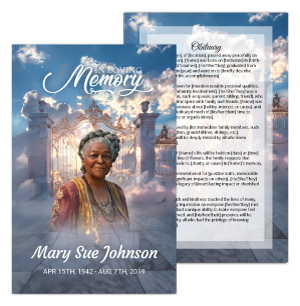 No-Fold Memorial Programs
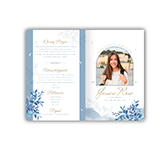 4 Page Funeral Programs
 8 Page Memorial Programs
 12 Page Funeral Programs
 16 Page Funeral Programs
 20 Page Funeral Programs
 Tri-Fold Funeral Programs
 Complete Memorial Packages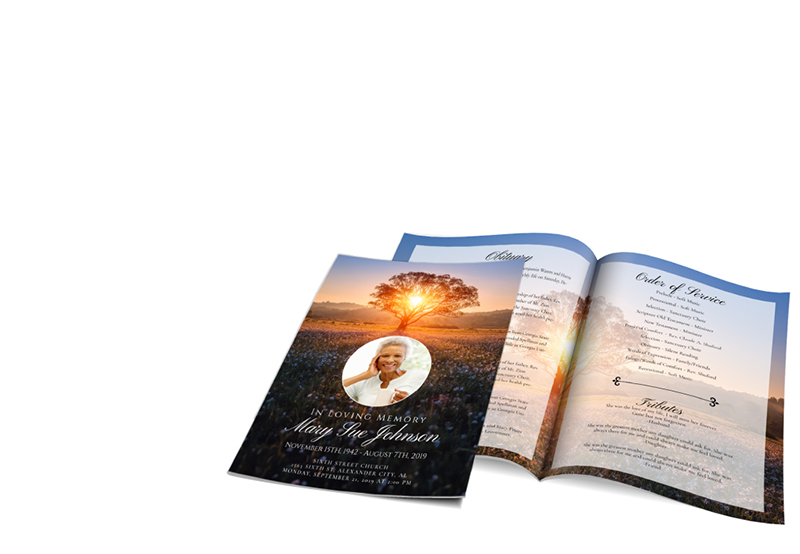
 Cards & Bookmarks
 Saint Prayer Cards
 Folded Memorial Cards
 Folded Holy Cards
 Memorial Bookmarks
 Thank You Cards
 Share-A-Memory Cards
 Memorial Magnets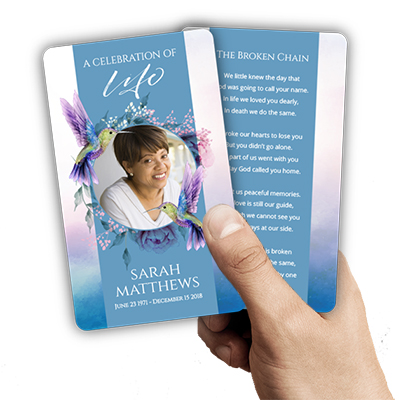
 Memorial Posters
 Guest Books
 Slide Shows
 Memorial Fans
 Death Announcements
 Take Away Keepsakes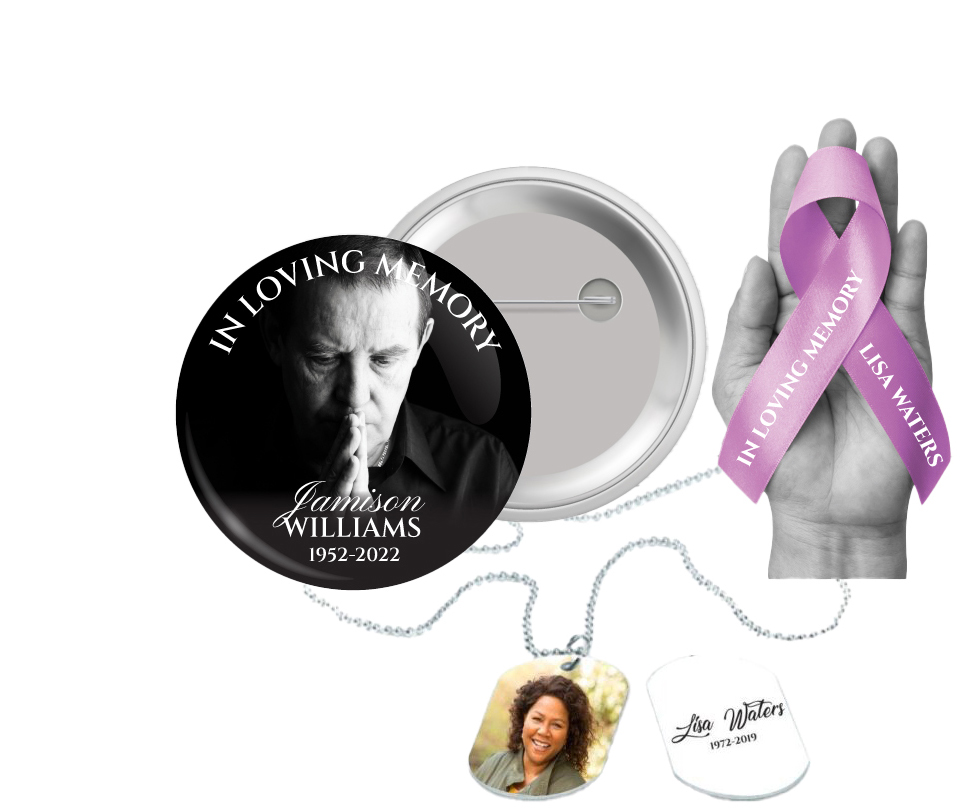
 Church Products
Introduction: Honoring Loved Ones with Compassion and Care
During times of grief, families are often called upon to make many important decisions while managing enormous emotional weight. Planning a funeral or memorial service is a deeply personal and sometimes overwhelming experience. For many, the moments following the ceremony—the coming together of family and friends for a shared meal known as the “repast”—offer comfort, connection, and an opportunity to celebrate the life of a loved one. If you are navigating the loss of someone dear, please know that you are not alone, and there are traditions and resources available to support you through every step of this journey.
The repast, an essential tradition in many cultures, especially within African American and Southern church communities, serves as a time for reflection, remembrance, and fellowship. Understanding the significance of the repast, as well as the etiquette surrounding it, can help you feel more prepared and less burdened as you make plans. Whether you are a family member, a funeral director, or a friend supporting someone in grief, having a clear guide can make a meaningful difference.
In this article, we will explore what a repast is, its history and meaning, and how it fits into the larger context of funeral traditions. We will provide practical advice on etiquette, offer sample program wording, and address common concerns, such as who hosts and what to expect. Along the way, we will suggest helpful resources and products from DisciplePress, including Bi-Fold Programs, 8-Page Programs, Thank You Cards, and Memorial Fans, to ease the planning process and honor your loved one’s legacy.
As you read, we hope you find not only clear information but also reassurance and a sense of support. Loss is never easy, but through tradition, community, and thoughtful planning, it is possible to create a farewell that brings comfort and healing to all involved. Let us walk with you through the essentials of the funeral repast.
What Is a Repast? Roots, Purpose, and Meaning

The word “repast” simply means a meal, but in the context of a funeral, it takes on a much deeper significance. Traditionally, a repast is the gathering held after the funeral or memorial service where mourners come together to share food, memories, and support. For many families, particularly within African American and Southern church communities, the repast is as important as the service itself. It provides a space for collective mourning, storytelling, and the sharing of love and compassion.
Historically, the repast has its roots in both religious and cultural practices. In many Christian communities, breaking bread together is symbolic of fellowship and unity. During times of loss, it becomes a way to comfort the bereaved and reinforce bonds among family and friends. The tradition may include favorite dishes of the deceased, family recipes, or foods that hold special meaning to the community. This ritual of gathering around a table helps many people find solace and a sense of normalcy after the emotional intensity of the funeral.
The repast is not only about food—it’s about presence. It offers a gentle transition from formal grieving to a more informal, supportive environment. For some, it is a time to laugh, reminisce, and even begin the process of healing together. For others, it is simply a moment of quiet support and rest from the day’s demands. In all cases, the repast is about honoring the memory of the loved one in a way that feels both communal and deeply personal.
Understanding the purpose and meaning behind the repast can help families make choices that are authentic and comforting. When planning the repast, consider the values and wishes of your loved one, as well as the needs of those gathering to remember them. The repast can be as simple or elaborate as you wish, and there is no one “right” way to hold this special meal. What matters most is that it serves as a source of comfort and connection during a tender time.
Repast Etiquette: Traditions, Invitations, and Expectations
Etiquette for a funeral repast—like much of the grieving process—can vary by community, faith, and family preference. Still, there are some guiding principles that can ease uncertainty and help everyone feel welcome and respected. Understanding these customs is especially important if you are hosting, attending, or assisting in organizing a repast for the first time.
One of the most common questions is who should be invited to the repast. Typically, immediate and extended family, close friends, clergy, and anyone who attended the funeral service are welcome. In some communities, the invitation is extended to the entire church or congregation, while in others it may be a smaller, private affair. The location—whether at a church fellowship hall, family home, or restaurant—often determines the size and formality of the gathering. Be clear in your funeral program or verbal announcements about who is invited to avoid confusion or hurt feelings.
Dress code at a repast is generally more relaxed than at the funeral service itself but still respectful. Attendees are encouraged to dress modestly and comfortably, keeping in mind the tone set by the family and the setting. Food is usually served buffet-style or family-style, with guests encouraged to help themselves. It is customary for hosts or volunteers to prepare or arrange the meal, and guests often offer to bring dishes in support. If you are unsure what to bring or how to help, a simple offer—such as, “Is there anything I can provide for the repast?”—is always appreciated.
During the repast, conversation often moves from expressions of sympathy to sharing stories, laughter, and warm memories. This blending of emotions can be healing for all involved. If you are planning the gathering, consider how you can facilitate this—perhaps by setting out memorial fans with the loved one’s photo or favorite quotes, or placing memorial bookmarks or thank you cards for guests to take as keepsakes. These small touches can make the gathering feel more personal and thoughtful.
Announcing the Repast in Funeral Programs
Clear communication about the repast is essential. Including the announcement in your funeral program ensures that guests are informed and feel welcome to attend. The repast section is typically placed at the end of the program, either on the back cover or as a special note within the order of service. This placement allows attendees to reference it easily as they leave the service.
When specifying details, be sure to include the location, time, and any special instructions (such as parking information or whether it is a potluck). For example, in bi-fold programs or 8-page programs, you can dedicate a section to the repast, using clear and gentle wording. This not only provides practical information but also extends a sense of welcome and warmth to all attendees.
Sample program wording might read: “The family invites you to join them for a repast immediately following the service at [location]. Your presence is a comfort to us during this time.” Or, “Please gather with us after the service for food and fellowship as we remember and celebrate [Name]’s life.” These messages can be tailored based on cultural customs, the formality of the event, and the wishes of the family.
For families seeking to create beautifully designed programs that communicate these details clearly, DisciplePress offers a variety of options, including bi-fold programs for classic services, as well as more detailed 8-page programs for celebrations of life or services with multiple speakers and elements. If you are working with tight timelines, our same-day printing and rush orders services can help ensure everything is ready in time for your loved one’s farewell.
Sample Repast Program Wording and Personalization Tips
Finding the right words for a funeral program can feel daunting, especially when emotions run high. Simple, heartfelt language is always appropriate. Begin by stating the invitation clearly, followed by the logistical details. For example:
- “The family of [Name] invites you to a repast following the service at [location]. Your support and presence are deeply appreciated.”
- “Please join us for a meal and fellowship at [venue] as we honor the memory of our beloved [Name].”
Personalization can make the repast invitation even more meaningful. Consider mentioning any special aspects of the meal, such as favorite dishes of the deceased, a potluck tradition, or a note about sharing memories during the gathering. For example: “We welcome you to share stories and reminisce as we enjoy [Name]’s favorite foods together.” Adding a line about gratitude can also be comforting, such as, “Thank you for your love and support during this difficult time.”
Including a brief poem, scripture, or quote can set a comforting tone. For inspiration, browse our Funeral Poems Collection or Bible Verses Collection. These resources offer beautiful words to include in your program or as part of a thank you card for guests who attend the repast.
Remember, DisciplePress’s custom design services are available if you wish to personalize your repast invitation with a photo, unique layout, or special message. Our team is sensitive to the needs of grieving families and will work closely with you to ensure every detail reflects your loved one’s legacy.
Who Hosts the Repast? Roles and Responsibilities
The responsibility for hosting the repast traditionally falls to the immediate family, but it is common for extended family, church members, or community groups to assist. In many African American and Southern church communities, the congregation often steps in to organize, cook, and serve, providing relief and support to the grieving family. This collaborative spirit is an important part of the tradition, reflecting the values of community, compassion, and shared responsibility.
If you are hosting, start by determining the location. Many choose to hold the repast at the church fellowship hall, a family member’s home, or a local restaurant. Consider the number of expected guests and whether the space can accommodate them comfortably. If your church or community group is assisting, appointing a coordinator can help distribute tasks such as food preparation, setup, serving, and cleanup.
Communication is key. Assigning specific roles ensures that no one feels overwhelmed. Volunteers may bring dishes, set up tables, or greet guests as they arrive. If you are supporting a family, offering to help with logistics or providing a dish is a thoughtful gesture. For larger gatherings, consider creating a simple sign-up sheet or using technology to organize contributions and RSVPs.
Memorial keepsakes like memorial fans or bi-fold programs can be placed at each table, serving both as a tribute and a practical item for guests. These products, available through DisciplePress, can be personalized to reflect your loved one’s story and shared with those attending the repast as cherished mementos.
Planning the Repast Menu: Comfort, Tradition, and Practical Considerations
The repast menu often reflects the tastes and traditions of the loved one being honored. In many African American and Southern communities, comfort foods like fried chicken, baked macaroni and cheese, greens, cornbread, and sweet desserts are customary. However, the menu can be as unique as your family, including favorite recipes, potluck contributions, or even a catered meal if that eases the burden.
When planning, consider the number of guests, dietary restrictions, and available resources. If the gathering is large, buffet-style service is practical and inviting. For smaller groups, a sit-down meal or family-style serving may feel more intimate. If you are accepting help, provide clear guidance on what is needed—main dishes, sides, desserts, or beverages—to ensure variety and enough food for all.
For families who wish to honor the deceased through food, inviting guests to share a memory about a favorite dish can be a touching addition. You might even include a recipe card at each place setting or within your 8-page program as a special keepsake. If you are short on time or resources, local restaurants or catering services can provide prepared meals, freeing you to focus on being present with loved ones.
Adding practical touches, such as labeled serving dishes for allergens, plenty of beverages, and easy-to-carry containers for leftovers, demonstrates care for your guests. DisciplePress offers thank you cards that can be given to volunteers or contributors after the repast, expressing gratitude for their support during your time of need.
Memorial Keepsakes and Touches for the Repast
Incorporating meaningful keepsakes and personal touches into the repast can provide comfort and lasting memories for attendees. Many families choose to display photos, create a memory table, or offer small take-home items such as memorial fans or bookmarks. These items can be customized to include a favorite quote, scripture, or picture of the loved one, serving as a gentle reminder of their presence and legacy.
Consider placing a “memory jar” or a stack of Share a Memory Cards on each table, inviting guests to write down a favorite story or sentiment. These collected memories can offer comfort in the weeks and months ahead, especially on difficult days. For services held during warm weather or in crowded spaces, memorial fans are both practical and meaningful, featuring personalized designs that reflect your loved one’s spirit.
Funeral programs themselves become cherished keepsakes. DisciplePress offers a variety of formats—from simple bi-fold programs to detailed 8-page programs—that can be tailored with photos, poems, or stories. Including a special section about the repast, with a note of thanks or a favorite family recipe, adds an extra layer of personalization.
For families who wish to express gratitude after the event, sending personalized thank you cards is a thoughtful gesture. These cards can be customized to match your funeral program and memorial fans, creating a coordinated and meaningful set of mementos for all who attended.
Frequently Asked Questions: Addressing Concerns and Special Circumstances
Planning a repast often brings up questions and uncertainties, especially for those unfamiliar with the tradition. One common concern is what to do if you are unable to attend the repast. It is always appropriate to send a note or card expressing your condolences and support to the family. DisciplePress offers thank you cards and memorial cards that can be sent to those who cannot be present in person.
Another question is how to handle dietary restrictions or allergies among guests. Clear communication in your program or verbal announcements can help—simply note, “Please let us know if you have any dietary needs.” For larger gatherings, consider labeling dishes or providing a variety of options. If you are organizing the meal, don’t hesitate to ask for help; community members are often eager to contribute something that will make everyone feel welcome.
Concerns about cost are also common. Remember, the repast does not need to be elaborate to be meaningful. Potluck-style gatherings or contributions from friends and church members can ease the financial burden. If you need to keep things simple, that is perfectly acceptable—what matters most is the spirit of togetherness and support.
If time is tight, DisciplePress’s rush orders and same-day printing services can help you create beautiful, personalized keepsakes and programs without added stress. Don’t hesitate to reach out to our team for assistance—we are here to support families during every step of the planning process, no matter the circumstances.
Related Articles
Conclusion: Comfort, Tradition, and Lasting Support
The repast is more than a meal; it is an act of community, remembrance, and care. Whether you are planning a traditional gathering or a quiet meal with close family, understanding the etiquette, program wording, and meaningful touches can help you honor your loved one with grace and compassion. Through thoughtful planning and the support of community and tradition, this time can bring comfort and connection in the midst of loss.
As you move forward, remember that every family’s journey is unique. There is no single right way to hold a repast—do what feels authentic and healing for you and your loved ones. Clear communication, heartfelt invitations, and personalized keepsakes, such as bi-fold programs, 8-page programs, and thank you cards, can help make this tradition both comforting and memorable.
DisciplePress is honored to support families during these tender moments. We offer a range of resources and products—like memorial fans and custom-designed funeral programs—to help you create a fitting tribute with ease. Our team understands the urgency and sensitivity of your needs and is always available for rush orders or custom design services when time is of the essence.
If you have further questions, wish to explore our Design Gallery, or need guidance on choosing the right format or wording, please contact us. Above all, know that you are not alone, and there is support available every step of the way. May your repast be a source of comfort, healing, and cherished memories for all who gather. Read what other families have said in our customer testimonials. Visit our FAQ page for answers to common questions.