 Free Shipping Over $50
  888-432-8363


 Obituary/Programs
 No-Fold Memorial Programs
 4 Page Funeral Programs
 8 Page Memorial Programs
 12 Page Funeral Programs
 16 Page Funeral Programs
 20 Page Funeral Programs
 Tri-Fold Funeral Programs
 Complete Memorial Packages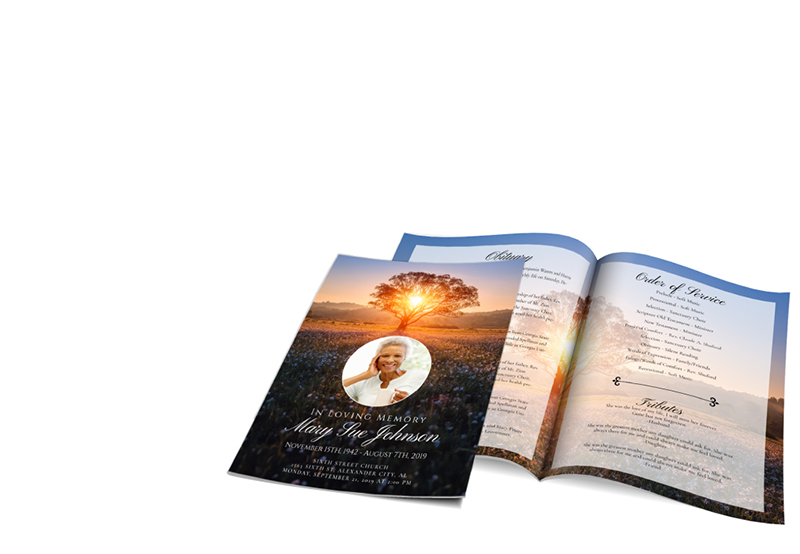
 Cards & Bookmarks
 Saint Prayer Cards
 Folded Memorial Cards
 Folded Holy Cards
 Memorial Bookmarks
 Thank You Cards
 Share-A-Memory Cards
 Memorial Magnets
 Memorial Posters
 Guest Books
 Slide Shows
 Memorial Fans
 Death Announcements
 Take Away Keepsakes
 Church Products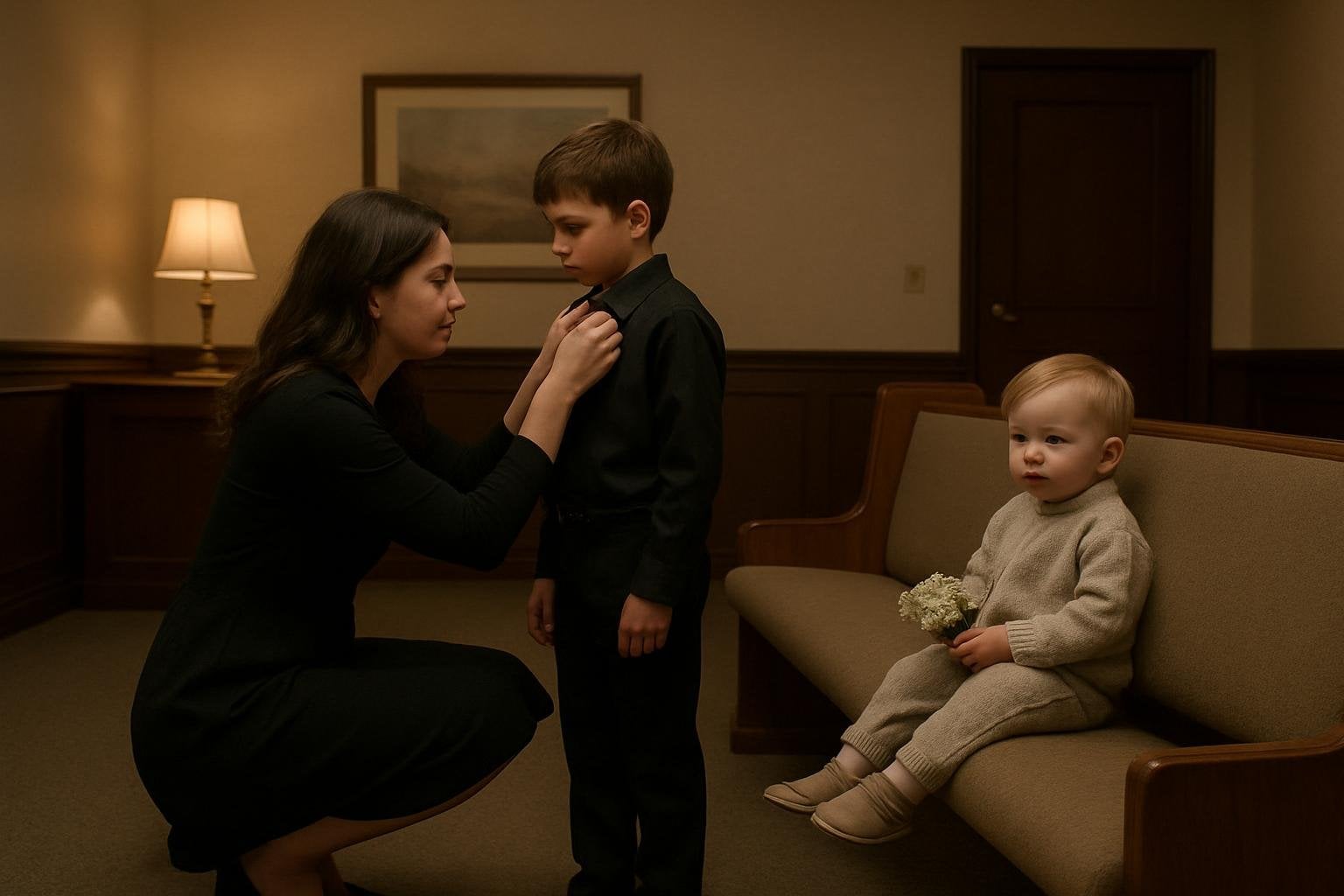
Supporting Families: Why Funeral Attire for Children Matters
When a family experiences loss, every detail surrounding the funeral or memorial service can feel overwhelming, especially when children are involved. Deciding what kids should wear to a funeral is not only a practical concern but also a deeply emotional one. Parents and guardians want to ensure their children are dressed respectfully, while also considering comfort and helping them feel included in the mourning process. During such a trying time, even seemingly small choices can carry significant weight.
Understanding “what do kids wear to a funeral” is important because children’s attire communicates respect for the deceased and the grieving family, just as adult attire does. Yet, parents often have questions: How formal does my child need to be? Should infants wear black? What if my child is uncomfortable in traditional clothing? These concerns are valid, and the answers often depend on the child’s age, the family’s traditions, and the nature of the service.
This article is designed to gently guide you through these decisions, offering comprehensive advice by age group, gender, climate, and cultural or religious tradition. We’ll address common questions and provide practical tips to help your family feel prepared and supported. By understanding funeral etiquette for children, you can focus on what truly matters—honoring your loved one and supporting each other in grief.
We also recognize the value of resources like printed funeral programs, which not only guide guests but can help children know what to expect at the service. Throughout this article, we’ll reference helpful DisciplePress products, such as memorial cards and bookmarks, to support your planning. Our aim is to offer both practical information and compassionate reassurance during this difficult time.
General Principles: Children’s Funeral Attire Etiquette

When considering “what do kids wear to a funeral,” it’s helpful to begin with general etiquette principles. Children, like adults, are expected to dress in a way that shows respect for the deceased and the family’s traditions. However, it’s also important to recognize that children may have different needs for comfort, movement, and emotional security.
DisciplePress is dedicated to helping families honor their loved ones with dignity and care. We offer Memorial Bookmarks, Funeral Programs and Prayer Cards to help you create meaningful tributes.
The most common guideline is to choose subdued, neutral colors—such as black, navy, gray, or dark brown—for children’s attire. Bright patterns or flashy accessories are typically avoided unless the service is specifically described as a “celebration of life” with a requested dress code. Practicality also matters; children should be able to sit, stand, and move comfortably during the service, especially if there are elements like standing for hymns or walking in a procession.
Parents often worry about “getting it right,” but it’s important to remember that genuine respect and thoughtfulness matter more than strict adherence to formality. If you’re unsure, consult the funeral’s funeral program—bi-fold or tri-fold programs sometimes mention dress code, providing helpful guidance. When in doubt, reach out to the family or funeral director for clarification.
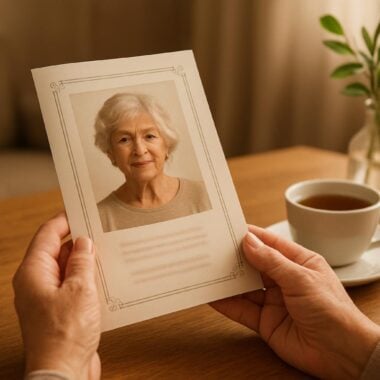
Another key principle is to prepare children emotionally for the service. Reviewing a printed 8-page program or prayer card with them can help them understand what will happen, and why respectful dress is important. Including children in the process, such as letting them choose a memorial bookmark as a keepsake, can make them feel valued and involved.
Above all, remember that kindness and compassion—toward yourself and your children—are central. If your child is uncomfortable or distressed by their clothing, it’s acceptable to make adjustments. The goal is to ensure children feel safe, cared for, and able to honor the loved one being remembered.
Infants and Toddlers: Gentle Guidance for the Youngest Mourners
Dressing infants and toddlers for a funeral brings unique challenges. At this age, comfort and practicality are paramount. Babies and toddlers are unlikely to understand the significance of the occasion, so their attire should primarily prioritize their physical needs. Still, many parents wish to reflect the solemnity of the event through their child’s clothing.
For infants, a simple, soft outfit in a neutral color is appropriate. Consider a plain onesie or romper in navy, gray, or white, paired with a cardigan or jacket if the weather is cool. Avoid overly bright prints or cartoon characters, as these may feel out of place. For toddlers, a dark-colored dress or slacks and a collared shirt works well, but comfort should always take precedence—choose materials that won’t irritate their sensitive skin.
It’s wise to bring a spare outfit, as young children can be unpredictable. Spills, accidents, or discomfort may require a quick change. If the service is lengthy, bring quiet toys or a favorite blanket for comfort. Some families include a small memorial bookmark or keepsake in a diaper bag so even the youngest family members can have a gentle connection to the loved one being honored.
If you’re attending a religious service, check if there are specific expectations for infants or toddlers. In some traditions, babies attend in white; in others, head coverings or special attire may be customary. These details are often included in funeral programs or prayer cards, so reviewing these can be helpful. When in doubt, ask the family or officiant for advice.
Above all, remember that infants and toddlers are not expected to be perfectly composed. Their presence is a symbol of family continuity and love. Choose attire that allows you to focus on comforting your child and honoring your loved one, rather than worrying about appearances.
School-Age Children: Balancing Respect and Practicality
For children in preschool and elementary school, funeral attire becomes more similar to that of adults, but with flexibility for age-appropriate comfort. When considering “what do kids wear to a funeral” at this stage, parents often strive to balance respectfulness with their child’s preferences and abilities.
At DisciplePress, we understand the importance of honoring your loved one’s memory. We offer Prayer Cards, Memorial Cards and Celebration of Life to help you create meaningful tributes.
Boys may wear dark trousers and a collared shirt, with or without a blazer or sweater. Girls often wear a simple dark dress, skirt and blouse, or dark pants with a modest top. Closed-toe shoes, such as dress shoes or plain flats, are preferred over sneakers or sandals unless comfort or special needs dictate otherwise. For chilly weather, a dark cardigan or jacket is appropriate.
School-age children may have opinions about their clothing. Involving them in the selection process helps them feel respected and can ease potential discomfort. Explain the significance of dressing well for a funeral and how it shows care for the person being remembered. Reviewing the bi-fold or tri-fold funeral program together can help them understand the service’s flow and why certain clothing is expected.
Practicality is key, especially for children who may find formal clothing unfamiliar or uncomfortable. Choose soft fabrics and ensure clothing fits well—too-tight collars or scratchy dresses can lead to distraction or distress. If your child is a participant in the service, such as reading a poem or handing out memorial cards, ensure their attire allows them to move and participate comfortably.
Remember, a child’s ability to grieve and support others is not diminished by wearing a comfortable sweater instead of a stiff jacket. Focus on their emotional well-being, and trust that the intention behind their attire matters most. If you are in doubt, the family’s 8-page or booklet program may offer dress code pointers, or you can gently inquire with organizers.
Teens and Adolescents: Navigating Independence and Expectations
Teenagers and adolescents often face more nuanced expectations regarding funeral attire. At this age, they are more aware of social norms and may have strong feelings about their clothing choices. The question of “what do kids wear to a funeral” for teens is as much about respecting tradition as it is about honoring their growing independence.
For young men, a dress shirt and slacks, sometimes paired with a tie or blazer, is common. Young women may opt for a dark dress, skirt and blouse, or tailored pantsuit. The main guideline remains modest, subdued colors—black, navy, gray. However, some families request “celebration of life” attire, allowing for lighter colors or special accessories that reflect the loved one’s personality.
It is helpful to involve teens in the decision-making process. Explain the cultural or religious significance of funeral dress codes, and invite them to review the funeral program or prayer cards for guidance. If your family is working with DisciplePress’s custom design services for a personalized program, consider including a section on dress code to help teens and other guests prepare.
Addressing concerns about self-expression or discomfort can be sensitive. If your teen wishes to honor the deceased with a meaningful accessory, such as a memorial bookmark or pin, this can be a gentle compromise. Remind them that the focus is on respect and support for grieving loved ones. For teens struggling with grief or anxiety about attending, reviewing the service order in a printed 12-page program can help them feel more secure.
Ultimately, teens’ participation in funerals is an opportunity to teach empathy, respect, and family values. Support their need for comfort and self-expression while guiding them toward attire that honors both tradition and the memory of the loved one.
Gender, Climate, and Comfort: Practical Tips for All Situations
Weather, location, and gender all play a role in selecting appropriate funeral attire for children. Practical considerations—such as temperature, the formality of the venue, and personal comfort—should guide your selections while keeping the core principles of respect and modesty in mind.
For outdoor services or graveside ceremonies, dress children in layers. A dark sweater, jacket, or raincoat can be worn over lighter clothing and easily removed if the weather changes. Footwear should be sturdy and suitable for walking on grass or uneven ground. Consider bringing an umbrella, especially if rain is forecasted, and keep a spare pair of shoes or clothing in the car for emergencies.
For girls, a simple, knee-length dress or skirt and blouse is standard, but pants are perfectly acceptable, especially in cold or windy weather. Boys can wear khakis or slacks with a long-sleeved shirt. Avoid shoes that are new or uncomfortable, as children may be standing for extended periods. If the service is in a warm climate, opt for lightweight fabrics and short sleeves, but maintain subdued colors.
Gender norms are less rigid than in the past, and it is increasingly common for children to wear what feels most comfortable and appropriate to them. Parents and guardians can gently guide choices, ensuring modesty and respectfulness. If the funeral is religious, check printed funeral programs or prayer cards for specific guidance on attire, such as head coverings or avoidance of certain colors.
Remember, the goal is to help children feel at ease so they can focus on the meaning of the service. Comfort leads to better participation and a more positive, supportive experience for the entire family. If you need funeral attire quickly, consider DisciplePress’s rush orders and same-day printing for programs and keepsakes, ensuring you have all materials prepared in time for the service.
Cultural and Religious Traditions: Honoring Heritage in Children’s Attire
Funeral dress codes vary significantly across cultures and faith traditions. Understanding these differences is crucial when deciding “what do kids wear to a funeral,” especially if your family observes specific customs or you are attending a service outside your own tradition. Being mindful of cultural etiquette is a powerful way to show respect and solidarity.
In many Christian funerals, dark colors and modest styles are standard, but in some cultures—such as certain African or Caribbean communities—white or vibrant colors may symbolize hope or celebration. Jewish funerals may require head coverings (kippah or scarf), and in Islamic traditions, modesty is emphasized, with girls often wearing long sleeves and headscarves. Hindu funerals typically call for white clothing, reflecting purity and peace.
If you are unsure what is expected, look for dress code notes in the funeral program or death announcement cards. These often mention attire guidelines for guests. When in doubt, reach out to the family or officiant for clarification. DisciplePress’s custom design services can help families create programs that gently communicate these expectations to all attendees, reducing confusion and stress.
Children can be included in these traditions through small touches—a white ribbon, a simple head covering, or a special accessory reflecting the family’s heritage. If your child is participating in a ritual, explain its meaning in age-appropriate terms, perhaps using the 8-page program or a bookmark as teaching tools.
Respecting cultural and religious dress codes is not about perfection, but about honoring the community and the loved one being remembered. Kindness, empathy, and willingness to learn go a long way, and families can feel reassured by gently guiding their children through these meaningful traditions.
Preparing Children Emotionally: Using Funeral Programs and Keepsakes
Dressing children for a funeral is just one part of helping them prepare for the day. Children—especially those attending their first funeral—may feel anxious or uncertain about what will happen. Printed funeral programs, such as a bi-fold or 8-page program, can be invaluable tools for explaining the service in gentle, age-appropriate ways.
Review the funeral program with your child before the service. Point out the order of events, any readings or songs, and let them know what to expect. This can help reduce anxiety and foster a sense of inclusion. If your child is participating—perhaps reading a poem or handing out prayer cards—practice together, so they feel confident and supported.
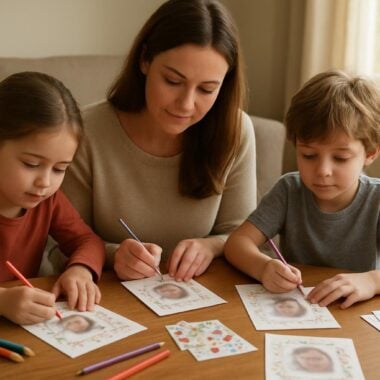
Memorial keepsakes, such as memorial bookmarks or thank you cards, can also be comforting for children. Allow them to choose a keepsake to hold during the service or to place with the casket or urn as a personal gesture. These objects provide a tangible connection to the loved one and can be a source of comfort in the days ahead.
If your family is short on time, DisciplePress offers same-day printing and rush orders to ensure you have all necessary materials, even on a tight schedule. Including children in the planning process—such as selecting a design from the design gallery—can foster a sense of agency and belonging.
Preparing children emotionally is as important as selecting the right outfit. Approach these conversations with patience and empathy, validating their feelings and questions. Together, you can create an experience that honors your loved one and supports your family’s healing journey.
Related Articles
Conclusion: Compassionate Guidance for Difficult Moments
Choosing what children wear to a funeral is an act of care that touches on tradition, comfort, and respect. While the task may seem daunting amid grief, remember that the ultimate goal is to honor your loved one while supporting your children’s emotional needs. There is no single “right” answer—what matters most is your intention and the love you share as a family.
We’ve explored how “what do kids wear to a funeral” depends on age, tradition, climate, and personal preference. By considering practical tips—such as involving children in the selection process, reviewing the funeral program together, and respecting cultural or religious customs—you can help your child feel prepared and supported. Keepsakes like memorial bookmarks or prayer cards can offer comfort and connection during a difficult day.
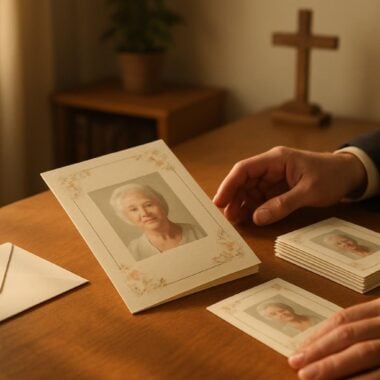
If you need assistance with printed materials, DisciplePress offers a range of products, including bi-fold programs, 8-page programs, memorial cards, and bookmarks, with options for same-day printing and custom design services. Our team is here to help you create resources that gently guide both adults and children through the service.
If you are feeling uncertain or overwhelmed, please know that you are not alone. Reach out to us or your community for support. With gentle preparation and compassionate guidance, you can help your children honor their loved one and find comfort together as a family.
Grief is a journey, and each family’s path is unique. We hope this guide has offered reassurance, practical advice, and encouragement as you navigate these difficult moments. Our hearts are with you, and we are honored to support you through every step of the farewell. Learn more about DisciplePress and our commitment to serving families. For personalized assistance, please contact us. We offer rush orders and same-day printing for urgent needs.