 Free Shipping Over $50
  888-432-8363


 Obituary/Programs
 No-Fold Memorial Programs
 4 Page Funeral Programs
 8 Page Memorial Programs
 12 Page Funeral Programs
 16 Page Funeral Programs
 20 Page Funeral Programs
 Tri-Fold Funeral Programs
 Complete Memorial Packages
 Cards & Bookmarks
 Saint Prayer Cards
 Folded Memorial Cards
 Folded Holy Cards
 Memorial Bookmarks
 Thank You Cards
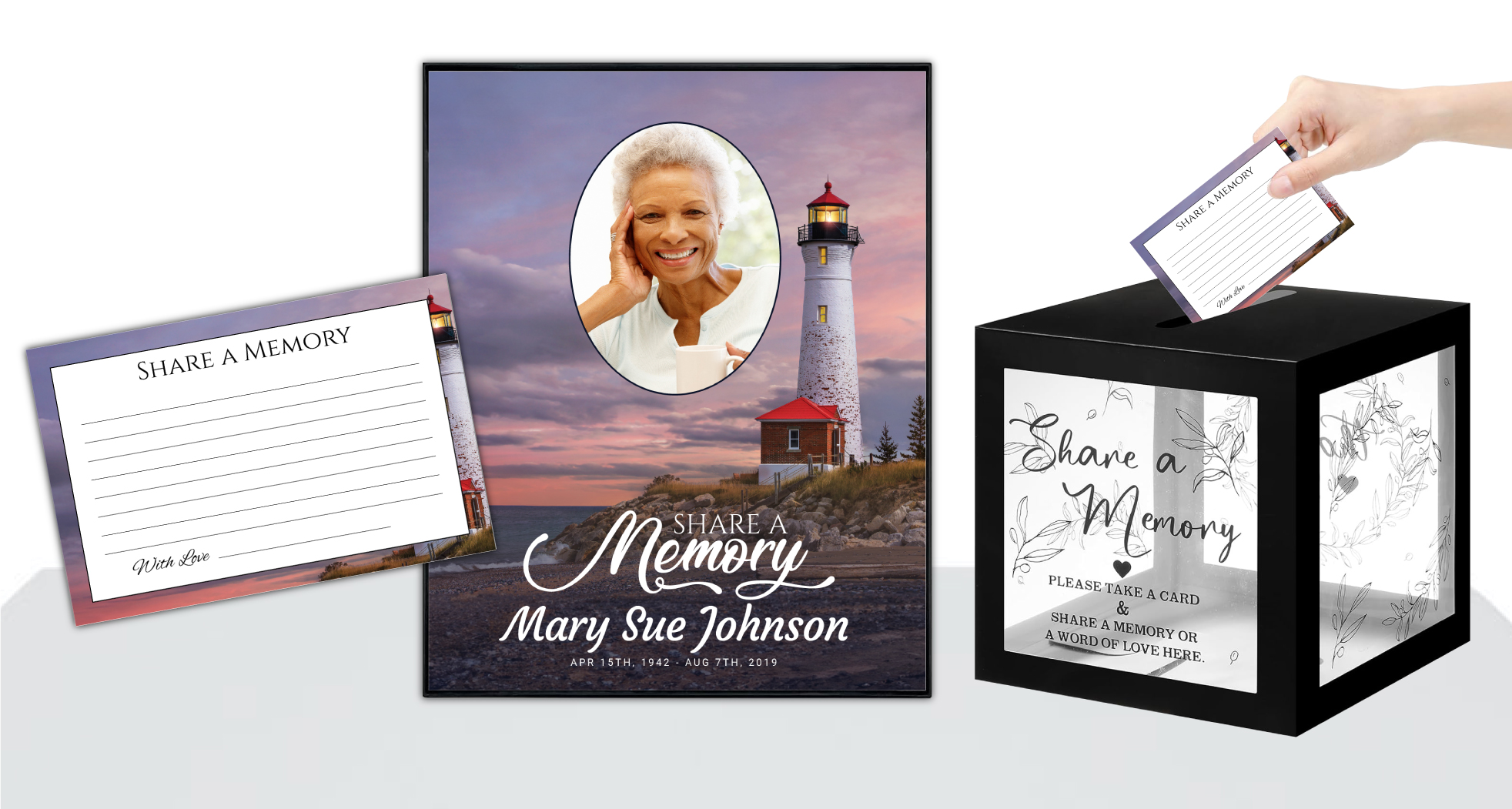 Share-A-Memory Cards
 Memorial Magnets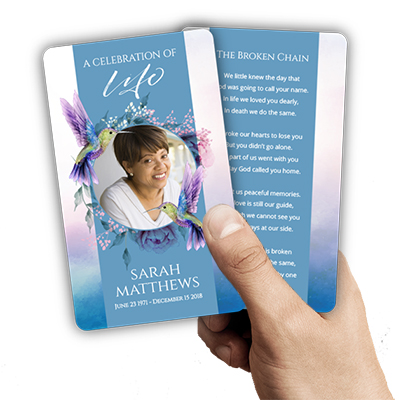
 Memorial Posters
 Guest Books
 Slide Shows
 Memorial Fans
 Death Announcements
 Take Away Keepsakes
 Church Products
Introduction: Honoring a Legacy While Respecting Privacy
Writing an obituary is an act of love, remembrance, and tribute. For many families, it comes at a time of deep grief and emotional vulnerability, often under the pressure of time and the need to coordinate funeral or memorial services. As you piece together the story of your loved one’s life, it’s natural to want to capture every detail, but questions about privacy and sensitivity quickly arise. What not to include in an obituary can be just as important as what you do include, especially when balancing the needs of family, friends, and the wider community.
At DisciplePress, we understand that every word carries weight. An obituary often becomes a cherished keepsake, preserved in funeral programs, memorial cards, and even in online tributes. But it is also a public document, frequently shared in newspapers, online platforms, and among people who may not know your family personally. This makes careful consideration of sensitive details and privacy essential.
In this article, we’ll gently guide you through what to leave out of an obituary, so you can honor your loved one with compassion while safeguarding your family’s privacy. We’ll explore common pitfalls, sensitive topics, and offer practical examples and tips, especially for those writing under time constraints. Our goal is to support you in crafting a meaningful tribute that feels both honest and protective—whether you’re preparing a simple bi-fold program or a detailed 16-page booklet.
Let’s walk together through the nuances of sensitive obituary writing, giving you peace of mind as you make these important decisions. We hope this guidance brings comfort and clarity during a difficult journey, and reminds you that, above all, your loved one’s story can be told with dignity, kindness, and care.
Understanding the Public Nature of Obituaries

Obituaries serve multiple purposes: they announce a passing, honor a life, and inform others about memorial services. However, it’s important to remember that an obituary is a public notice. It may appear in local newspapers, online memorial pages, and social media, reaching far beyond your immediate circle. This broad reach means that personal details included in an obituary can be seen by anyone, including strangers.
DisciplePress is dedicated to helping families honor their loved ones with dignity and care. We offer Memorial Bookmarks, Funeral Programs and Prayer Cards to help you create meaningful tributes.
When preparing funeral programs—whether bi-fold, tri-fold, or more elaborate 12-page and 20-page booklets—families should consider how much information is appropriate for public consumption. While it can be tempting to share every detail, privacy concerns should inform what is ultimately included. For instance, addresses, full birth dates, and specific family information can be sensitive in a public context.
Protecting privacy doesn’t diminish the honor you pay to your loved one. Instead, it ensures that their memory is respected while safeguarding those left behind. Real-world examples include omitting a home address to prevent unwanted visitors or leaving out the cause of death if it is particularly sensitive. These choices are not about hiding the truth but about protecting the family’s well-being during a vulnerable time.
As you use our Free Obituary Writing Assistant or select from our obituary templates, keep in mind that printed funeral programs—such as those offered by DisciplePress—may be shared widely. Choosing what not to include in an obituary is a thoughtful act, ensuring that your family’s privacy remains intact even as you celebrate a cherished life.
Personal and Family Privacy: What Details to Omit
One of the most crucial considerations when writing an obituary is determining which personal and family details to exclude. Full home addresses, for example, are best left out. Including an address can inadvertently invite unwanted visitors or, in some unfortunate cases, create security risks for your family during the funeral service. Instead, simply listing the city or community is often sufficient.
Another sensitive area is the full list of survivors. While it is traditional to name immediate family, there is no obligation to include everyone, especially if relationships are complex or if privacy is a concern. For instance, you may choose to mention “many loving nieces and nephews” rather than listing all names, particularly in blended or step-families. This approach respects family dynamics and keeps the focus on the tribute itself.
Birth dates and exact ages can sometimes be sensitive, especially if your loved one preferred to keep their age private. You might simply state the year of birth or phrase it gently, such as “in her 80th year.” This protects personal privacy while still providing context for readers.
Lastly, when preparing funeral programs or memorial cards using DisciplePress services, consider that these keepsakes may be treasured and shared for years. Omitting highly personal details ensures that your loved one’s legacy is honored without overexposing sensitive information. Our custom design services can help tailor your program to reflect just the right amount of personal sharing.
Cause of Death: When to Share and When to Withhold
The cause of death is one of the most debated aspects of obituary writing. While some families find it healing to share this information openly, others may prefer to keep it private, particularly in cases involving sensitive circumstances such as suicide, overdose, or long-term illness. There is no right or wrong choice—only what feels most respectful for your family and your loved one’s memory.
Every memorial should reflect the unique life and legacy of your loved one. We offer Prayer Cards, Memorial Cards and Obituary Templates to help you create meaningful tributes.
If you choose not to specify the cause of death, gentle phrases such as “passed away peacefully” or “after a long illness” can convey the necessary information without going into detail. This approach is especially appropriate for printed funeral programs or prayer cards, which may be distributed widely during services. It allows you to maintain dignity and privacy while still offering closure to those who cared.
For families facing external pressure to disclose more, it’s important to remember that your obligation is to your loved one first. You are not required to share private medical details or circumstances with the public. Some families opt to discuss the cause of death in private conversations or within a closed memorial group, using printed memorial bookmarks or cards to share a more general message.
At DisciplePress, we support every family’s decision—whether you’re using our 8-page programs for a small gathering or a celebration of life program for a larger community event. Our Free Obituary Writing Assistant offers guidance on wording if you’re unsure, and our team is always available to help craft language that feels both sensitive and appropriate.
Sensitive Family Dynamics and Estrangements
Family relationships can be complicated, and obituaries are not the place to resolve old wounds or air grievances. It’s natural to wonder what not to include in an obituary when there are estrangements, divorces, or unresolved family issues. The guiding principle should always be compassion—for both the deceased and the surviving family members.
If certain relationships were strained or nonexistent, you are not obligated to mention them. For example, if an adult child was estranged, you might simply list “survived by her children” or even omit the name entirely, depending on what feels most appropriate for your family. This is a personal decision, but one that can help prevent additional pain during an already difficult time.
When blended or step-families are involved, keep the language inclusive but general if necessary. Phrases such as “loving stepchildren” or “cherished members of a blended family” acknowledge the relationships without getting into specifics. This can be particularly helpful when preparing larger funeral programs, such as our 16-page or 20-page booklets, where space is available but discretion is still valued.
Finally, avoid including negative details or references to family conflicts. The obituary should be a space of healing and memory, not a forum for unresolved issues. If you need help finding the right words, our obituary templates and custom design services can assist in crafting language that honors everyone gracefully and with kindness.
Financial, Legal, and Security Considerations
In today’s digital age, obituaries can unfortunately attract individuals with ill intentions. Including financial details, such as bank accounts for memorial contributions, can expose families to fraud or scams. Instead, if you wish to suggest memorial donations, list the trusted organization by name and provide a secure website or contact information for the charity—not a personal home address or bank account.
Legal matters, such as the reading of a will, inheritance details, or ongoing disputes, should never be mentioned in an obituary. These are private family matters best discussed with legal counsel. Including them in a public document can lead to confusion, misunderstandings, or even legal challenges down the road.
Consider security when mentioning dates and times for services. While it’s traditional to announce the time and place of a funeral or memorial, avoid specifying the family’s home address or times when the house will be empty. If using DisciplePress funeral programs or memorial cards for private family gatherings, distribute them only to invited guests, and keep sensitive details off public forums.
Finally, be mindful of social media sharing. Once an obituary is posted online, it can be widely shared beyond your control. Using general information and omitting sensitive details helps protect your family’s security while still allowing the community to honor your loved one. Our design gallery offers examples of tasteful, secure ways to share information in printed keepsakes.
Honoring Wishes: Cultural, Religious, and Personal Sensitivities
Every family and individual has unique beliefs, customs, and wishes regarding privacy and public remembrance. Some cultures and faith traditions may value discretion, omitting details about cause of death, age, or even specific relatives. Respecting these wishes is an act of love and reverence for your loved one’s values.
When planning a funeral program—whether angel-themed, faith-based, or nature-themed—consider how cultural or religious customs shape what is shared. For instance, some traditions prefer not to mention the deceased’s age or marital status, or may focus the obituary on spiritual beliefs rather than personal achievements. DisciplePress offers a variety of program templates to accommodate these preferences, from bi-fold and tri-fold programs to full booklet formats.
Personal sensitivities are equally important. If your loved one was a private person, it may be appropriate to use more general terms throughout the obituary. For example, instead of listing every hobby or community involvement, you might say “avid volunteer” or “active in her community.” This approach keeps the tribute warm and inclusive without over-sharing.
Finally, if you are unsure about what is appropriate, consult with spiritual advisors, elders, or trusted family members. Our Free Obituary Writing Assistant can also help you navigate these decisions, ensuring your funeral programs and memorial cards reflect both your loved one’s legacy and your family’s unique needs.
Handling Sensitive Circumstances with Compassion
There are times when the circumstances surrounding a loved one’s passing are particularly sensitive. Issues such as suicide, addiction, or criminal matters can be deeply painful for families, and deciding what not to include in an obituary becomes even more critical. Compassion must guide your choices, both for the deceased and for those who survive them.
In these instances, focus the obituary on the person’s life, legacy, and positive qualities. You may use gentle, non-specific language for the circumstances of death, or omit them altogether. For example, “died unexpectedly” or “passed away at home” are phrases that provide information without delving into painful details. This approach respects both privacy and dignity.
If your family is divided on what to share, consider creating two versions of the obituary: one for public distribution (such as in funeral programs or prayer cards) and another for private sharing among close friends and family. DisciplePress’s custom design services make it easy to personalize your printed materials to fit your comfort level.
Remember, you are not obligated to justify or explain your loved one’s struggles in a public forum. The obituary is a space to celebrate their life, not to define them by their passing. If you need support, our team is here to help you find compassionate language and to ensure your funeral program—be it a simple 8-page program or an elaborate 20-page booklet—honors your loved one with grace.
Practical Tips for Writing Quickly and Thoughtfully
Writing an obituary under pressure can feel overwhelming, especially when time is short and emotions are high. To help you make thoughtful decisions about what not to include in an obituary, start by making a list of essential details—then review it with privacy and sensitivity in mind. Prioritize the core elements: name, age (if appropriate), key relationships, and a few highlights of their life and character.
Use our Free Obituary Writing Assistant to guide you through the process, ensuring you don’t overlook important considerations. The tool offers prompts for sensitive topics and helps you rephrase details to maintain privacy. Take advantage of DisciplePress’s same-day printing and rush orders if you need funeral programs, memorial cards, or bookmarks on a tight timeline.
Before finalizing the obituary, have a trusted friend, clergy member, or funeral director review it. A fresh perspective can catch overlooked details or suggest gentler language. This is especially helpful when preparing larger programs, such as our 12- or 16-page booklets, where more space can make it tempting to include unnecessary information.
Lastly, remember that less can be more. Focusing on heartfelt memories, values, and achievements can create a more meaningful tribute than a lengthy list of facts. Our custom design services can help you craft a program that reflects your loved one’s unique spirit without compromising privacy or sensitivity.
Conclusion: Moving Forward with Care and Confidence
Navigating what not to include in an obituary is a delicate, deeply personal decision. By considering privacy, sensitivity, and your loved one’s wishes, you can create a tribute that honors their life while protecting your family’s well-being. Remember, it’s perfectly acceptable to withhold certain details—this does not diminish your love or the legacy you celebrate.
Take time to review your obituary draft, reflect on your family’s needs, and consult with trusted advisors. If you feel uncertain, our Free Obituary Writing Assistant and custom design services are here to offer support and practical guidance. Whether you are preparing a simple bi-fold program or an extensive 20-page booklet, DisciplePress is committed to helping you create a keepsake that brings comfort and healing.
As you move forward with funeral planning, know that you are not alone. Our wide range of funeral programs, memorial cards, and keepsake options are available to help you share your loved one’s story in a way that feels right for your family. Our team understands the emotional journey you are on and is always here to help—please reach out if you need guidance or have questions about our turnaround time, rush orders, or specific program formats.
Above all, trust your instincts and honor your loved one in the way that feels most meaningful to you. Even in the midst of loss, your words have the power to heal, comfort, and preserve a beautiful legacy for generations to come.
Learn more about DisciplePress and our commitment to serving families. Browse our design gallery for inspiration. For personalized assistance, please contact us.