 Free Shipping Over $50
 888-432-8363



 Obituary/Programs
 No-Fold Memorial Programs
 4 Page Funeral Programs
 8 Page Memorial Programs
 12 Page Funeral Programs
 16 Page Funeral Programs
 20 Page Funeral Programs
 Tri-Fold Funeral Programs
 Complete Memorial Packages

 Cards & Bookmarks
 Saint Prayer Cards
 Folded Memorial Cards
 Folded Holy Cards
 Memorial Bookmarks
 Thank You Cards
 Share-A-Memory Cards
 Memorial Magnets
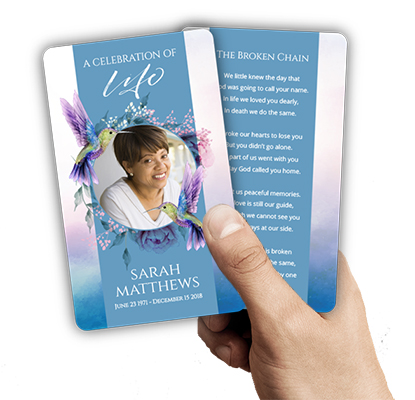
 Memorial Posters
 Guest Books
 Slide Shows
 Memorial Fans
 Death Announcements
 Take Away Keepsakes
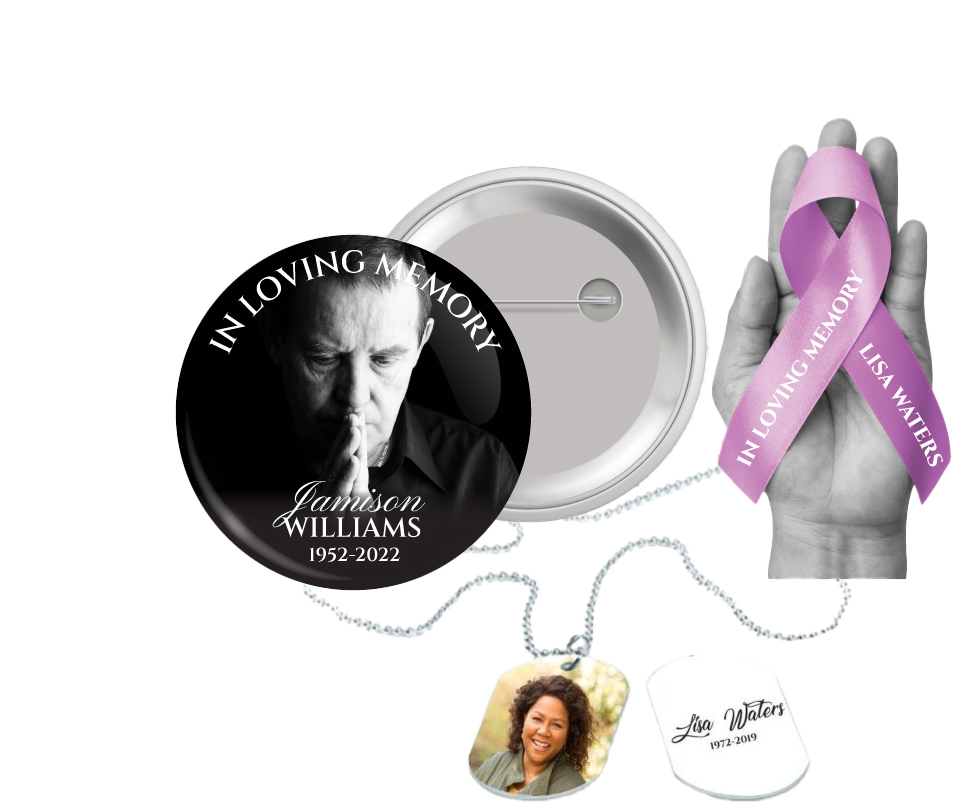
 Church Products

Finding the Right Words: Why Condolences Matter More Than Ever
Navigating the tender moments that follow a loss is never easy. If you’re reading this, you may be preparing to attend a funeral or comfort someone who is grieving. In these delicate circumstances, knowing what to say when offering condolences at a funeral can feel overwhelming. Many of us worry about saying the wrong thing or struggle to find words that can truly offer comfort. This is a natural concern, especially when emotions are raw and hearts are heavy.
Offering condolences is more than a social obligation—it’s an act of kindness and support that can help ease the pain of loss, even if just a little. The right words, spoken with sincerity, can provide solace and remind the bereaved that they are not alone in their grief. Conversely, certain phrases, however well-intentioned, can unintentionally cause distress. Understanding the difference is essential.
In this comprehensive guide, we will explore compassionate and respectful ways to express your sympathy at funerals—both in person and through written messages like sympathy cards or memorial bookmarks. We’ll also highlight common missteps to avoid, so you can approach these moments with sensitivity and care. Whether you are a close family member, friend, or colleague, our goal is to give you practical, heartfelt guidance that honors both the deceased and those mourning their loss.
We know that every family, faith, and individual grieves differently. That’s why we’re here to support you with tips, examples, and gentle reassurance. Read on for in-depth advice, sample phrases, and thoughtful gestures—so you can offer true comfort when it’s needed most.
Understanding the Purpose of Condolences at a Funeral
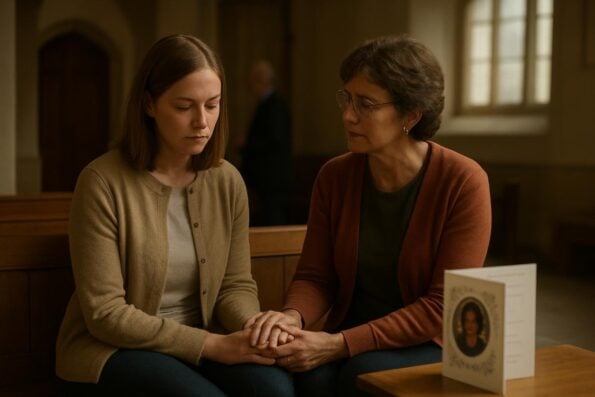
At its core, offering condolences is about acknowledging another’s pain and extending support. When we reach out—whether in a quiet word during the service or a handwritten note tucked inside a memorial card—we validate the bereaved’s loss and provide a sense of caring connection. For many, the simple act of being recognized in their sorrow brings comfort, even when words fail to fully express the depth of feeling.
Funerals gather people who share in the loss, yet everyone’s relationship to the deceased and their bereavement journey is unique. Condolences serve as a bridge between individuals and families at these gatherings, offering a gentle reminder that grief is shared and that support is present. This can be especially valuable for those who feel isolated in their sorrow.
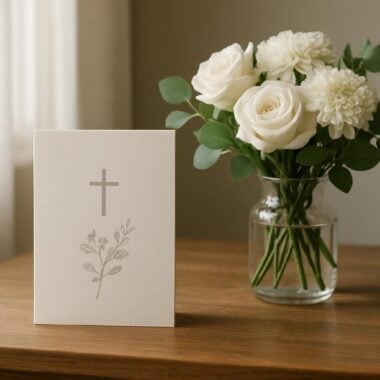
A heartfelt condolence also honors the memory of the person who has passed. By mentioning fond memories or acknowledging their impact on others, we help ensure their life is remembered with love. Printed items such as memorial cards, prayer cards, or memorial bookmarks can be meaningful keepsakes that capture and share these sentiments long after the funeral ends.
It’s important to remember that there is no “perfect” thing to say—what matters most is your authenticity and compassion. Even a simple, “I’m so sorry for your loss,” spoken gently, can mean more than any elaborate speech. The intent behind your words is what truly resonates.
By understanding the spirit behind condolences, you empower yourself to approach this moment with empathy and confidence. In the following sections, we’ll provide practical advice and examples for what to say, how to say it, and what to avoid, ensuring that your presence is a source of comfort.
What to Say When Offering Condolences at a Funeral
Choosing the right words can be daunting, especially amidst the atmosphere of grief and solemnity. When considering what to say when offering condolences at a funeral, it’s helpful to focus on sincerity, brevity, and warmth. You don’t need to overthink or offer solutions—just being present and acknowledging the family’s pain is enough.
Some of the most comforting phrases are simple and heartfelt: “I’m so sorry for your loss,” “My heart goes out to you and your family,” or “Please know that you are in my thoughts and prayers.” These statements offer support without assuming to understand the depth of another’s pain. When appropriate, sharing a personal memory can also bring solace: “I’ll never forget how your father always greeted everyone with a smile. He made such a positive impact on all of us.”
If you’re writing a note in a memorial card or on a memorial bookmark, consider including a brief, meaningful message: “With deepest sympathy. Remembering Jane’s kindness and the joy she brought to our lives.” If the family has chosen a themed program, such as an angel-themed funeral program, referencing a related sentiment (“May angels watch over you in this difficult time”) can be especially touching.
When speaking directly to the bereaved, remember that it’s okay to acknowledge your own feelings of helplessness: “I wish there were words to ease your pain. Please know I care deeply about you.” Offering practical support—“If you need anything, I’m here for you”—can also be reassuring, especially when followed up with concrete offers.
Ultimately, the most important thing is to be present and genuine. Your willingness to reach out, even if you are at a loss for words, is itself a meaningful gesture of compassion.
What Not to Say: Phrases to Avoid in Times of Grief
While intentions are rarely hurtful, certain phrases can inadvertently minimize the bereaved’s pain or cause discomfort. Recognizing what not to say is just as important as knowing the right words. Avoiding common pitfalls can help ensure your condolences bring comfort rather than additional pain.
Steer clear of statements that assume you know exactly how the mourner feels (“I know how you feel”) or that try to rationalize the loss (“It was their time,” “At least they lived a long life,” or “Everything happens for a reason”). These phrases, though meant to console, can sometimes feel dismissive or invalidate the mourner’s experience.
It’s also best to avoid making the conversation about your own losses. While sharing a brief personal connection can create empathy, lengthy comparisons may unintentionally shift focus away from the family’s grief. Instead, center your words on their loved one and their unique experience.
Be mindful with religious language, especially if you are unsure of the family’s beliefs. Phrases like “They’re in a better place” or “God needed another angel” may not resonate with everyone and can sometimes cause distress. When in doubt, keep your message simple and heartfelt.
Finally, avoid offering unsolicited advice or urging the bereaved to “move on” or “be strong.” Grief is not a process to be rushed. Instead, offer understanding and a listening ear. By focusing on empathy and presence, you ensure your words are a comfort rather than a burden.
Practical Tips for Sharing Condolences In Person
Speaking face-to-face with someone who is mourning can stir up anxiety. You may worry about saying the wrong thing or intruding upon a deeply personal moment. However, your gentle presence and a few thoughtfully chosen words can mean a great deal.
Begin by approaching quietly, waiting for an appropriate moment if the person is engaged with others. A simple touch on the arm or shoulder, if appropriate, can offer nonverbal reassurance. Once you have their attention, speak softly and sincerely—“I’m so sorry for your loss. Your mother was a remarkable woman.”
If you struggle to find words, it’s perfectly acceptable to simply say, “I don’t know what to say, but I want you to know I’m here for you.” Silence, too, can be meaningful; sometimes holding a hand or offering a comforting look is enough. Remember, your presence is the true gift.
After expressing your condolences, it’s often best to let the bereaved guide the conversation. If they wish to talk about their loved one, listen attentively. If they seem overwhelmed, a gentle nod or quiet presence is appropriate. Avoid the urge to fill every pause with words.
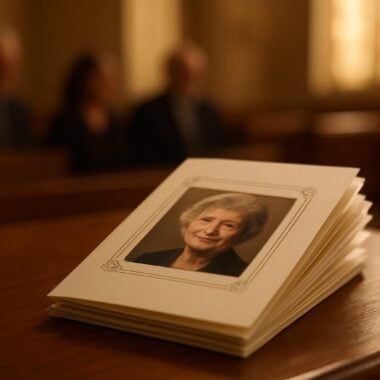
If you’re attending a service with printed funeral programs—whether a bi-fold program, tri-fold program, or a more detailed 8-page program—consider referencing a memory or sentiment mentioned there. This shows attentiveness and adds a personal touch to your words.
Meaningful Written Condolences: Cards, Notes, and Keepsakes
Not everyone finds it easy to speak in person, especially during emotionally charged moments. Written condolences—whether in a sympathy card, a note on a memorial card, or a personalized memorial bookmark—offer an alternative way to share your heartfelt support.
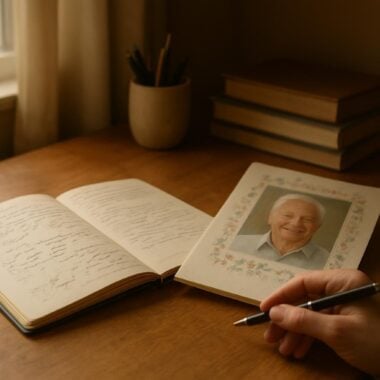
When composing a written message, begin with a simple statement of sympathy: “With heartfelt condolences for your loss.” Consider mentioning a treasured memory or the qualities you admired in the deceased—“I will always remember John’s generosity and laughter.” Keep your message brief but sincere, focusing on comfort and support rather than trying to explain the loss.
If you’re unsure what to write, look for inspiration in our Funeral Poems Collection or Memorial Quotes. Including a brief verse or quote can add an extra layer of meaning. For religious families, a short passage from our Bible Verses Collection may be appropriate, especially when paired with a prayer card.
Keepsakes like bookmarks or memorial cards can be ordered with custom messages through DisciplePress, allowing you to personalize your tribute. For families planning services on a tight timeline, our same-day printing and rush orders can provide peace of mind. These tangible tokens of remembrance offer ongoing comfort beyond the day of the funeral.
Don’t underestimate the power of a handwritten note, even if it’s just a few lines. The bereaved often revisit these messages in the weeks and months that follow, drawing continued strength from your words of support.
Offering Condolences Across Cultures and Belief Systems
Funerals and mourning rituals vary widely across cultures and religions. When offering condolences, it’s important to be mindful of the family’s traditions and beliefs. What is comforting in one context may not be appropriate in another, so sensitivity is key.
If you are unfamiliar with the customs of the bereaved, consider doing a bit of research or discreetly asking a mutual friend about appropriate phrases and gestures. For instance, some cultures value expressions of shared grief, while others may appreciate respectful silence. In certain religious communities, referencing faith-based comfort or including a saint prayer card can be meaningful.
Printed materials can also reflect cultural or spiritual themes. DisciplePress offers options like faith-based programs, nature-themed programs, and angel-themed programs, which can be tailored to reflect the beliefs and values of the deceased and their family. Including a culturally significant quote or symbol on a memorial bookmark or memorial card can further personalize your message.
When in doubt, err on the side of simplicity and respect. “Thinking of you in your time of loss” or “My deepest sympathies to your family” are universal sentiments that transcend cultural boundaries. Avoid imposing your own beliefs, and approach every interaction with humility and openness.
By honoring cultural and spiritual diversity, you ensure that your condolences are both respectful and meaningful, contributing to a sense of shared humanity in times of sorrow.
Supporting Children and Teens: Words for Younger Mourners
Children and teenagers grieve differently than adults and may need special consideration when offering condolences. Their understanding of loss can vary by age, and they may be more sensitive to how adults respond. A gentle, honest approach is usually best, avoiding euphemisms that might cause confusion.
For younger children, simple phrases such as “I’m so sorry your grandma died” or “It’s okay to feel sad” can provide clarity and comfort. If you’re writing a note, adding a personal memory (“She always made the best cookies, didn’t she?”) can help them focus on positive moments.
Teenagers may appreciate acknowledgment of their feelings without pressure to respond. “I know this is really hard. If you ever want to talk or just need someone to listen, I’m here for you.” Including a thoughtful gesture, like a memorial bookmark or share a memory card, can give them a tangible way to remember their loved one.
It’s important not to minimize their grief or rush them through it. Avoid saying things like “You’re young, you’ll get over it,” or “Be strong for your family.” Instead, validate their emotions and let them know it’s okay to grieve in their own way and time.
If you are helping plan the service, consider including children and teens in ways that feel comfortable to them—perhaps by sharing a memory for inclusion in the funeral program or creating a special large memorial card together. These small acts can help them process their loss with support and love.
Thoughtful Gestures Beyond Words: Keepsakes and Lasting Support
While words are powerful, actions and thoughtful gestures can also offer comfort during times of grief. Keepsakes such as memorial bookmarks, memorial cards, or custom-designed 8-page funeral programs serve as lasting reminders of both the loved one and the community’s support.
Consider gifting a family a bundle of prayer cards or a personalized bookmark with a favorite photo or quote. These tokens can be cherished for years and even shared among relatives and friends who were unable to attend the service. If you’re short on time, DisciplePress offers rush orders and same-day printing to ensure your keepsake arrives when it’s needed most.
Beyond tangible items, ongoing support after the funeral is invaluable. A follow-up call, a check-in note, or an invitation for coffee can help the bereaved feel remembered as the initial flurry of attention fades. Offering practical help, such as preparing a meal or assisting with errands, can also relieve some of the burden of daily life during mourning.
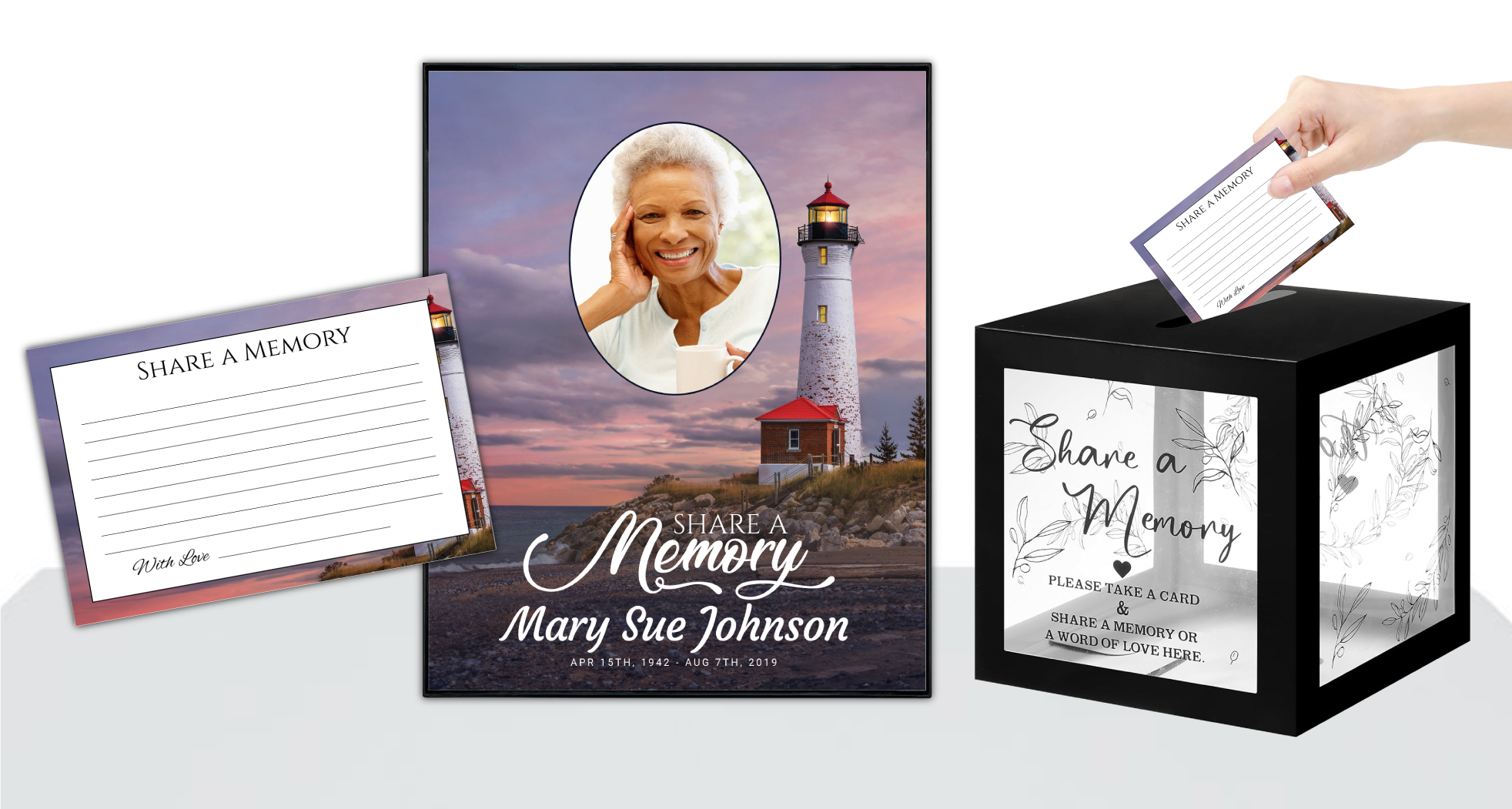
If you are helping organize the memorial, consider including a “share a memory” card in the tri-fold program or as part of the service. This invites guests to contribute their own stories and reflections, creating a collective memory that can comfort the family in the months and years to come.
By combining sincere words with thoughtful actions, you help the bereaved feel genuinely supported, both immediately and for the long road of healing ahead.
Related Articles
Conclusion: Offering Comfort, Compassion, and Care
Finding what to say when offering condolences at a funeral is a deeply personal journey, but it is one that is guided by empathy, sincerity, and respect. While no words can erase the pain of loss, your presence and your willingness to reach out can make a profound difference for those who are grieving.
Remember to keep your condolences simple, heartfelt, and focused on the bereaved’s experience. Avoid phrases that minimize their pain or impose your own beliefs. Written notes—whether on memorial cards, prayer cards, or memorial bookmarks—offer lasting comfort and demonstrate your ongoing care.
Take time to honor different cultural and religious perspectives and be especially gentle with children and teens. Thoughtful gestures, such as personalized keepsakes or practical support, can help families feel cared for long after the service ends. If you need help creating meaningful tributes, explore our custom design services, wide range of funeral programs, and rapid turnaround time.
Above all, trust that your compassion matters. If you’re ever unsure, remember that simple presence is often the greatest comfort of all. For additional guidance or to order personalized memorial products, we invite you to contact us. In this season of sorrow, may your support be a source of peace and hope.
Browse our design gallery for inspiration. Read what other families have said in our customer testimonials. Visit our FAQ page for answers to common questions.