 Free Shipping Over $50
  888-432-8363


 Obituary/Programs
 No-Fold Memorial Programs
 4 Page Funeral Programs
 8 Page Memorial Programs
 12 Page Funeral Programs
 16 Page Funeral Programs
 20 Page Funeral Programs
 Tri-Fold Funeral Programs
 Complete Memorial Packages
 Cards & Bookmarks
 Saint Prayer Cards
 Folded Memorial Cards
 Folded Holy Cards
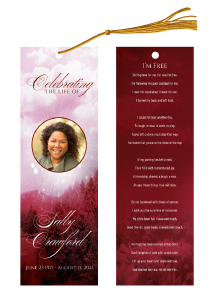 Memorial Bookmarks
 Thank You Cards
 Share-A-Memory Cards
 Memorial Magnets
 Memorial Posters
 Guest Books
 Slide Shows
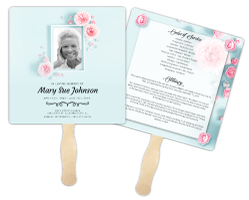 Memorial Fans
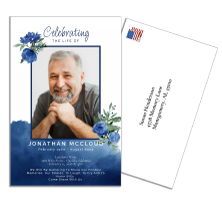 Death Announcements
 Take Away Keepsakes
 Church Products
Introduction: The Deep Pain of Losing a Child and the Challenge of Finding Words
There are few experiences in life as heart-wrenching as the loss of a child. For parents, this grief is profound, all-consuming, and life-altering. If you are reading this, it may be because someone you care about is facing this unimaginable sorrow, or perhaps you are preparing to support a family through a memorial or funeral. We recognize the courage and love it takes to reach out in such moments, and we want you to know that your presence and compassion truly matter.
Knowing what to say to parents who have lost a child can feel overwhelming. Words can seem inadequate or even risky, as no phrase can erase the pain or fill the void left behind. Yet, heartfelt communication—whether spoken, written, or simply shown through your actions—can offer comfort and remind grieving parents that they are not alone. Your efforts to show support, even if imperfect, are a gift of kindness during an incredibly dark time.
This article will explore what to say to parents who have lost a child, offering practical examples, sensitive advice, and real-world scenarios for expressing empathy. We will discuss the importance of listening, provide suggestions for written condolences, and explore what phrases to avoid. We’ll also share how thoughtful gestures—like sending a memorial bookmark or a prayer card—can provide ongoing comfort. Our hope is to equip you with the words and actions that support healing, while honoring both the child’s memory and the family’s unique grief journey.
As you read, remember: your willingness to reach out, however unsure you may feel, is itself an act of love. We walk with you in this effort, offering guidance and gentle reassurance every step of the way.
Understanding Parental Grief: Why Words Matter So Deeply

Parental grief is a lifelong journey marked by waves of sorrow, longing, and love. Unlike other forms of loss, the death of a child disrupts the natural order of life, leaving parents grappling with questions that may never have answers. When you consider what to say to parents who have lost a child, it’s essential to recognize that their pain is unique and cannot be “fixed” by any single conversation or gesture.
DisciplePress is dedicated to helping families honor their loved ones with dignity and care. We offer Memorial Bookmarks, Funeral Programs and Memorial Cards to help you create meaningful tributes.
Words matter because they can either provide a small measure of solace or, unintentionally, deepen a family’s hurt. A simple acknowledgment—“I’m so sorry for your loss”—can affirm the reality of their grief and let them know you are present with them in their pain. Conversely, well-intentioned but dismissive phrases like “At least they’re in a better place” may feel minimizing or isolating to grieving parents.
Parents often find comfort in knowing their child is remembered and cherished by others. Sharing a specific memory or expressing how their child touched your life can be deeply meaningful. Consider, for example, mentioning something you admired about their child or recalling a joyful moment you shared. These stories can offer a sense of connection and validation, reinforcing that their child’s life mattered and continues to have an impact.
Every family’s grief journey is different, shaped by cultural, spiritual, and personal factors. Some parents may welcome conversation, while others may need quiet companionship. Being attuned to their cues and honoring their wishes demonstrates respect and empathy. In some cases, providing a tangible keepsake, such as a memorial card or a custom-designed funeral program, can serve as a gentle reminder that their child is remembered with love.
Ultimately, your words—spoken or written—are a bridge of compassion. They reassure grieving parents that their pain is seen, their child is honored, and their ongoing grief is understood, even when words feel inadequate.
Practical Examples: Comforting Words and Thoughtful Phrases
When searching for what to say to parents who have lost a child, sincerity and simplicity are often the most comforting. There is no perfect script, but certain phrases can convey your support without minimizing the depth of their sorrow. Here are some practical examples and tips to help guide your conversations or written messages:
1. Simple Acknowledgment: “I am so sorry for your loss. I can’t imagine what you are going through, but I am here for you.” This straightforward phrase validates their pain without presuming to understand it fully.
2. Offer of Support: “Please know that I’m thinking of you and your family. If there’s anything I can do, or if you just want to talk, I’m here.” Offering specific help—such as preparing a meal or assisting with funeral arrangements—can also be reassuring.
3. Sharing a Memory: “I’ll never forget the way [child’s name] lit up a room. Their laughter was contagious, and I feel so grateful to have known them.” Sharing a memory personalizes your message and affirms the child’s enduring impact.
4. Affirming Grief: “It’s okay to feel however you need to feel. This is an unimaginable loss, and I am here to support you in any way I can.” Validating the reality of their emotions can help parents feel less alone in their grief.
5. Written Condolences: If sending a sympathy card or memorial card, a heartfelt note such as, “Your child will always be remembered and cherished in our hearts,” can offer lasting comfort. Including a favorite Bible verse or poem from the Funeral Poems Collection or Bible Verses Collection can also be meaningful, especially if faith is important to the family.
Whether you choose to speak in person, write a message in a funeral program, or send a memorial bookmark, remember that your words—no matter how simple—will be appreciated for their intent and care.
What to Avoid Saying: Phrases That Can Hurt Instead of Heal
Even with the best intentions, certain phrases can unintentionally cause pain to parents grieving the loss of a child. It is important to be mindful of language that may feel dismissive, minimizing, or overly optimistic in the face of profound sorrow. Below are some common expressions to avoid, along with suggestions for more compassionate alternatives.
Every memorial should reflect the unique life and legacy of your loved one. We offer Memorial Cards, Obituary Templates and Celebration of Life to help you create meaningful tributes.
1. “They’re in a better place.” While meant to comfort, this phrase can feel dismissive of the parents’ loss. Instead, acknowledge their pain: “I know how much you miss them. I’m here for you.”
2. “At least you have other children” or “You can have another child.” These statements overlook the unique bond with the child who has died. Every child is irreplaceable, and such comments can deepen the sense of loss. A better approach is to affirm their grief: “Your love for [child’s name] is so evident. Their loss is unimaginable.”
3. “Everything happens for a reason.” This statement may feel hollow or even cruel in the wake of tragedy. Instead, try: “I wish there were words to ease your pain. I’m so sorry this happened.”
4. “I know exactly how you feel.” Even if you have experienced loss, each person’s grief is unique. Rather than drawing comparisons, simply say: “I can’t imagine what you’re feeling, but I care deeply and want to support you.”
5. Unsolicited advice or attempts to “fix” the grief. Avoid suggesting how or when parents should grieve, such as, “You need to be strong” or “It’s time to move on.” Grief has no timeline, and healing is a deeply personal process.
When personalizing funeral programs or memorial cards, be mindful to review the language and ensure it aligns with the family’s wishes and beliefs. Utilizing custom design services from DisciplePress can help create materials that are both sensitive and meaningful, avoiding potentially upsetting wording.
Listening and Presence: The Power of Silent Support
Sometimes, the most meaningful support comes not from words, but from your willingness to simply be present. Grieving parents often need someone to listen without judgment or interruption. Offering a compassionate, non-judgmental presence allows them space to share their feelings, memories, and even their silence, without fear of being rushed or misunderstood.
Sitting quietly with a bereaved parent, holding their hand, or offering a gentle hug can communicate empathy when words fail. Listening attentively, rather than feeling compelled to respond or offer solutions, demonstrates respect for their unique grief journey. This silent support can be especially comforting during memorial services or moments of remembrance, where emotions run high.
If you are attending a funeral or celebration of life, consider signing the funeral guest book with a brief, heartfelt note. Even a simple “With deepest sympathy and love” can let parents know you are standing with them. Bringing a memorial card, bookmark, or another keepsake can also serve as a gentle reminder of your ongoing support.
When words are scarce, actions often speak volumes. Offering to help with practical tasks—such as organizing funeral programs, arranging for same-day printing of memorial materials, or providing meals—can ease the burdens of grieving parents. These gestures, paired with your quiet presence, show that you care deeply and are willing to shoulder some of the weight of their sorrow.
Ultimately, being present conveys a powerful message: “You are not alone. I am here with you.” This reassurance creates a foundation of trust and comfort, supporting parents through the unpredictable waves of grief.
Supporting Through Written Messages: Cards, Notes, and Keepsakes
Written words can offer lasting comfort to grieving parents, serving as tangible reminders of their child’s impact and their community’s support. Sending a sympathy card, memorial card, or personalized prayer card is a thoughtful way to express your condolences, especially if you are unable to visit in person.
When crafting a written message, focus on sincerity and warmth. Begin with an expression of sympathy, such as “My heart aches for your family,” and, if appropriate, include a cherished memory of the child. If you are using products like DisciplePress’s folded memorial cards or share a memory cards, these can be personalized with stories, photos, or favorite quotes from the Memorial Quotes Collection, making each keepsake truly special.
Consider including a comforting Bible verse or a short, meaningful poem. Our Bible Verses Collection and Funeral Poems Collection offer many options to inspire hope and reflection. For parents who find solace in faith, a prayer card or saint prayer card can provide ongoing spiritual comfort.
Memorial bookmarks, obituary templates, or large memorial cards can also be customized with the child’s photo and a message of remembrance. These keepsakes become cherished mementos that parents can revisit in quiet moments, reinforcing the love and support that surrounds them.
If time is of the essence, remember that DisciplePress offers rush orders and same-day printing for funeral programs and memorial cards, ensuring your condolences arrive when they are most needed. Even a brief handwritten note, delivered promptly, can leave a profound and lasting impression on grieving families.
Honoring the Child’s Life: Memory Sharing and Personal Gestures
One of the greatest fears parents express after losing a child is that their child will be forgotten. Sharing memories and personal gestures can help keep their child’s story alive and provide comfort to the family. Thoughtful acts—whether telling a favorite anecdote, contributing to a celebration of life, or creating a personalized booklet program—demonstrate that the child’s life continues to touch others.
During memorial services, consider participating in memory sharing opportunities. Many families use bi-fold or tri-fold programs to include space for guests to write messages or memories. You might also use share a memory cards, which can be collected and treasured by the family for years to come.
Personal gestures extend beyond the formal service. Sending a memorial garden stake, memorial magnet, or even a custom-designed funeral program that includes photos and heartfelt tributes can serve as enduring symbols of remembrance. For families seeking faith-based comfort, angel themed programs or nature themed programs may offer additional resonance.
Offering to help assemble a memorial slideshow or contribute to a memory table with cherished photos and mementos can also be deeply meaningful. If you have a special talent—such as writing, art, or music—consider creating something unique in the child’s honor, with the family’s blessing.
These acts of remembrance, whether large or small, reassure parents that their child’s life mattered profoundly. Each gesture, from a handwritten note to a thoughtfully designed funeral guest book, weaves together a tapestry of love, memory, and community support.
Supporting Parents After the Funeral: Staying Connected Through the Journey
Grief doesn’t end with the funeral or memorial service. For parents, the weeks and months following their child’s death can be especially isolating, as the initial flurry of support quiets and they navigate a new reality. Continuing to reach out—through calls, messages, or thoughtful keepsakes—can make a lasting difference.
Simple acts of remembrance, such as sending a prayer card on the child’s birthday or anniversary, show that their loss is not forgotten. Consider offering to meet for coffee, take a walk, or attend a support group together. Even a brief text—“Thinking of you and [child’s name] today”—can bring comfort on difficult days.
For those who wish to send ongoing support, memorial bookmarks or magnets can be a gentle reminder of your care. If you’re helping with practical matters, our custom design services at DisciplePress can assist with creating thank you cards or connection cards, which parents can use to acknowledge the support they have received.
Encourage parents to share their child’s story if they wish, and listen without trying to steer the conversation. Grief evolves over time, and parents may find solace in different ways as the months go on. Remain flexible and patient in your support, and continue to offer a compassionate ear.
Remember, your presence and willingness to remember their child—long after the funeral programs have been put away—are among the most meaningful gifts you can give. Grieving parents need ongoing reminders that their child is remembered and their pain is honored.
Conclusion: Offering Enduring Comfort and Guidance
Supporting parents through the loss of a child is one of the most delicate and meaningful acts of compassion. While words cannot erase the pain, your sincere efforts to reach out—whether through a gentle conversation, a heartfelt card, or a thoughtfully chosen memorial keepsake—can offer light in the midst of darkness. Remember that there is no perfect thing to say; the most important message is that you care and that you are there.
As you consider what to say to parents who have lost a child, trust your empathy and let your actions reflect your concern. Small gestures, like sending a prayer card or a memorial bookmark, or helping the family select a bi-fold or 8-page funeral program, can provide tangible comfort. Our team at DisciplePress is here to support you with custom design services, rush orders, and a range of options to help you honor the child’s memory with sensitivity and care.
In the days ahead, continue to check in with grieving parents and listen to their needs. Encourage them to share memories if they wish, and remember to mark important anniversaries with a note or a keepsake. If you’re unsure where to start, our obituary writing assistant and design gallery offer inspiration and guidance for creating meaningful tributes.
Above all, approach each interaction with warmth, patience, and humility. Your willingness to walk alongside grieving families, through both words and deeds, is a profound expression of love. Should you need assistance or wish to learn more about our memorial and funeral program options, please contact us at DisciplePress. Together, we can help ensure every child’s life is honored and every parent’s grief is met with compassion. Learn more about DisciplePress and our commitment to serving families. For personalized assistance, please contact us. We offer rush orders and same-day printing for urgent needs.