 Free Shipping Over $50
 888-432-8363



 Obituary/Programs
 No-Fold Memorial Programs
 4 Page Funeral Programs
 8 Page Memorial Programs
 12 Page Funeral Programs
 16 Page Funeral Programs
 20 Page Funeral Programs
 Tri-Fold Funeral Programs
 Complete Memorial Packages

 Cards & Bookmarks
 Saint Prayer Cards
 Folded Memorial Cards
 Folded Holy Cards
 Memorial Bookmarks
 Thank You Cards
 Share-A-Memory Cards
 Memorial Magnets
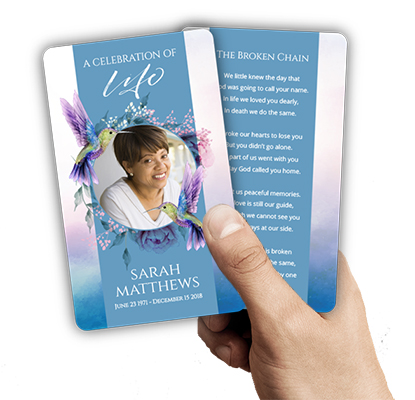
 Memorial Posters
 Guest Books
 Slide Shows
 Memorial Fans
 Death Announcements
 Take Away Keepsakes

 Church Products

Introduction: Facing the Loss of a Parent Together
Grief is a deeply personal journey, and losing a parent is one of the most profound losses many of us will ever face. If you are reading this, you may be searching for the right words or meaningful actions to comfort a friend or family member who has lost a mother or father. This moment is heavy with emotion, and it’s only natural to feel uncertain about how best to offer comfort. We want to assure you that your care and concern make a difference, even when words seem inadequate.
The question of what to say when someone loses a parent often brings anxiety and self-doubt. You might worry about saying the wrong thing, or wonder if your presence is enough. Yet, your willingness to reach out and support someone in mourning is a beautiful act of kindness. At DisciplePress, we understand how challenging these moments can be, and we are here to guide you with heartfelt suggestions and practical ideas.
This article will explore specific, compassionate language you can use to express sympathy, as well as small gestures that speak volumes. We’ll provide examples of messages for sympathy cards, discuss thoughtful memorial gifts like memorial bookmarks and memorial cards, and share tips for supporting grieving loved ones in both words and actions. We will also touch on the importance of timing, cultural sensitivity, and personalization.
No matter your relationship to the bereaved, your support matters. Our hope is that this guide will empower you to offer comfort with confidence, warmth, and sincerity. Together, we can help create moments of healing and remembrance, even in the midst of sorrow.
Expressing Sympathy: Words That Comfort and Heal

Finding the right words to say when someone loses a parent can feel daunting. Many people worry about saying something that might deepen the hurt, but what matters most is your honest, heartfelt presence. When you speak from a place of care, your words can bring comfort, even if they are simple. Acknowledging the loss and sharing your condolences is a meaningful first step.
DisciplePress is dedicated to helping families honor their loved ones with dignity and care. We offer Memorial Bookmarks, Funeral Programs and Prayer Cards to help you create meaningful tributes.
Consider starting with gentle phrases such as, “I’m so sorry for your loss,” or “I can’t imagine how hard this must be for you.” Using the parent’s name, for example, “I’ll always remember your mom’s kindness,” personalizes your message and honors their memory. Avoid clichés like “they’re in a better place” unless you know they will be welcome, as these can sometimes feel dismissive of the pain.
It’s also helpful to offer listening support: “I’m here if you want to talk, or if you just need someone to sit with you.” Even a simple, “I’m thinking of you and your family,” lets the person know they are not alone. If you’re writing in a sympathy card, you might include a short, meaningful quote from our Memorial Quotes collection or a comforting Bible verse, which can provide solace.
Never underestimate the power of silence, either. Sometimes, the most compassionate thing you can do is simply be present. If you’re attending a funeral or memorial service—perhaps one with a funeral program or a celebration of life program—a gentle hug, kind eye contact, or a reassuring touch on the shoulder can express what words cannot.
What Not to Say: Avoiding Common Pitfalls
While it’s natural to want to ease someone’s pain, certain phrases can unintentionally cause more hurt. Avoid saying things like, “At least they lived a long life,” or “Everything happens for a reason.” While meant to comfort, these statements may minimize the depth of the loss, especially when the grief is fresh and overwhelming.
Steer clear of comparing losses. Comments such as, “I know exactly how you feel, my parent died last year,” can make the conversation about your own experience rather than the bereaved’s pain. It’s more supportive to say, “I can’t imagine what you’re going through, but I’m here for you.” This approach centers your friend or family member and validates their unique grief.
Another common misstep is offering unsolicited advice or urging someone to “be strong” or “move on.” Grieving is not a linear process, and everyone’s journey is different. Instead of advice, offer empathy: “Take all the time you need. I’m here for you whenever you’re ready.” This respects their pace and emotional needs.
If you’re unsure what to say, honesty is okay. You might admit, “I don’t know what to say, but I care about you and I’m here.” Authenticity, even in uncertainty, can be remarkably comforting. And if you’re helping to create materials like prayer cards or memorial cards, avoid clichés and strive for personal touches that truly reflect the parent’s memory.
Meaningful Gestures: Small Acts with Lasting Impact
Words provide comfort, but actions often carry just as much meaning, especially when someone is grieving the loss of a parent. Simple gestures—whether in person or from afar—can help a bereaved friend or family member feel seen and cared for during an isolating time. Consider what feels appropriate for your relationship and their circumstances.
Every memorial should reflect the unique life and legacy of your loved one. We offer Prayer Cards, Memorial Cards and Obituary Templates to help you create meaningful tributes.
Delivering a meal or offering to run errands can ease immediate burdens. Grieving families often appreciate practical help, particularly in the days surrounding the funeral or memorial service. Dropping off groceries, sending a meal delivery gift card, or helping with childcare are all thoughtful ways to support someone whose energy is low.
Attending the memorial service, when possible, is a profound gesture. If you’re able, consider contributing to the service by helping create a funeral program—perhaps a bi-fold, tri-fold, or 8-page program—which can serve as a cherished keepsake. If you can’t attend in person, sending a heartfelt card, flowers, or a small memorial gift lets the family know you’re thinking of them.
Personalized keepsakes, such as memorial bookmarks or memorial candles, can be deeply meaningful, offering a tangible reminder of the parent’s life. A simple phone call, text, or message on important dates—such as the parent’s birthday or the anniversary of their passing—also shows ongoing care and remembrance.
Writing Sympathy Cards: Examples and Tips for Heartfelt Messages
A handwritten sympathy card remains one of the most cherished ways to express condolences when someone loses a parent. The effort you put into writing a personal note can comfort the bereaved for months or even years to come. When you’re facing a blank card, start with a simple, direct message: “I was so sorry to hear about your dad’s passing. Please accept my deepest sympathy.”
Adding a memory or reflection about the parent honors their legacy. For example, “Your mother’s laughter always brightened every room. She will be missed by so many.” If you knew the parent only a little, you might write, “Though I didn’t know your father well, I saw how much he meant to you.” This acknowledgment is sincere and sensitive.
If faith is important to your friend or their family, including a comforting Bible verse from our Bible Verses Collection or a brief prayer can provide solace. For more secular messages, you might draw on a quote from our Memorial Quotes or Funeral Poems Collection, ensuring it fits the tone of your relationship.
End your message with a gentle offer of support: “Please let me know if there’s anything I can do,” or “I’m here for you in the days ahead.” If you’re sending a card along with one of our prayer cards or a bookmark, mention it in your note to add a personal touch. Remember, the most important thing is sincerity—your words, however simple, will be appreciated.
Memorial Gifts: Lasting Tokens of Remembrance
Selecting a memorial gift offers another way to show support and care, especially when words are hard to find. Thoughtful keepsakes can bring comfort and serve as enduring reminders of a loved parent’s life. When considering what to give, think about the family’s preferences, traditions, and what might feel personal or meaningful to them.
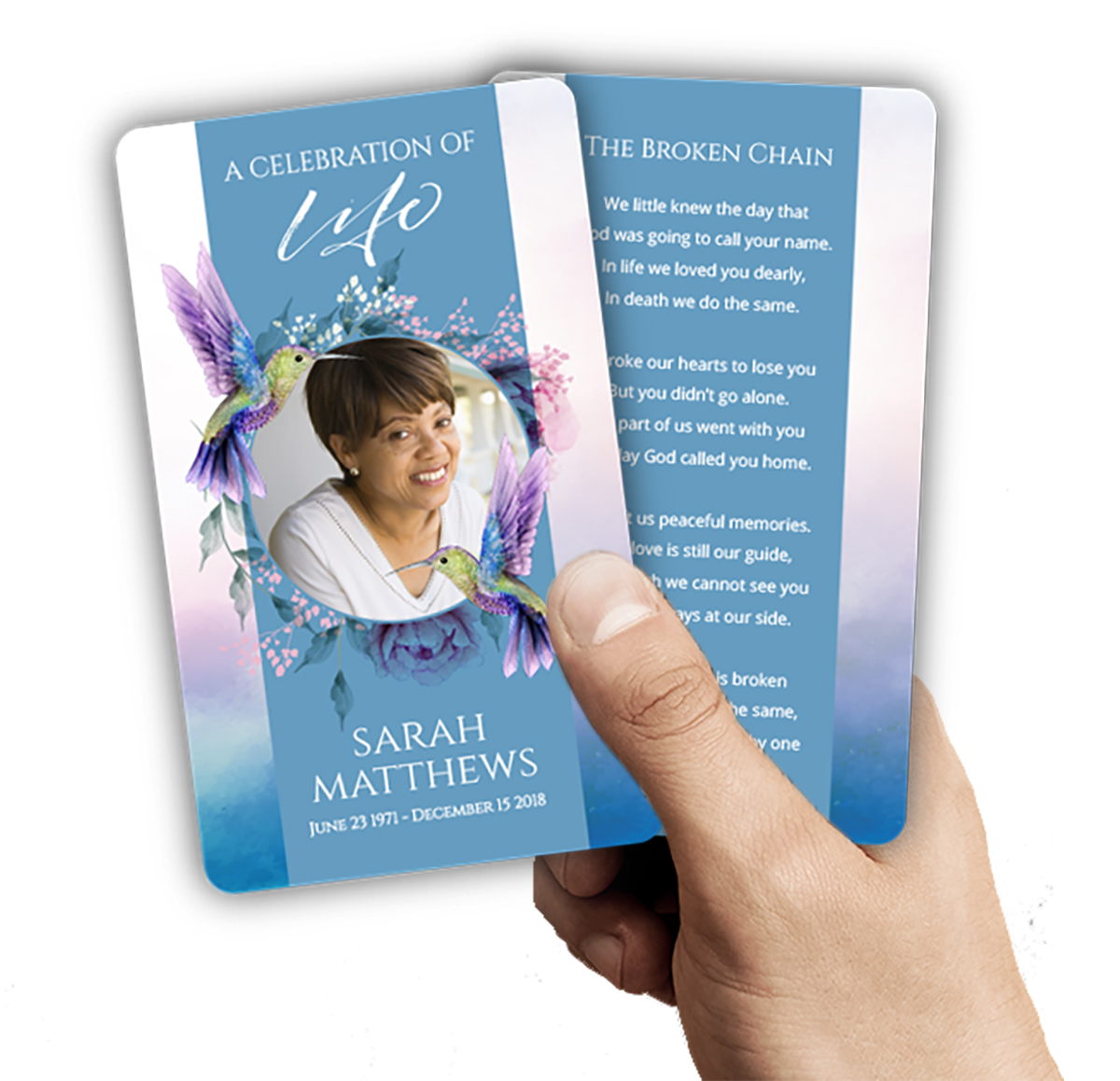
Classic memorial gifts include memorial cards, bookmarks, or prayer cards, which can be personalized with the parent’s name, photo, and a favorite verse or quote. These items can be distributed at the funeral or mailed to family and friends who cannot attend. At DisciplePress, we offer a range of options and custom design services to help create a tribute that truly reflects the person being remembered.
Other meaningful gifts include candles, ornaments, or ashes holder necklaces for families who appreciate tangible reminders. Some choose to donate to a charity in the parent’s name, or to plant a memorial tree or garden in their honor. These actions can be especially comforting for families who value legacy and ongoing remembrance.
If you are short on time, our same-day printing and rush order services can help ensure your memorial gift arrives when it’s needed most. No matter what you choose, the intention behind your gift will be felt and valued by the grieving family.
Supporting Through Milestones: Ongoing Comfort Beyond the Funeral
The period immediately following a parent’s death is often filled with activity—funeral arrangements, guests, and a flurry of decisions. But as days turn into weeks and months, grief can become lonelier. Reaching out with comforting words or gestures during these quieter times can make a lasting difference in your loved one’s healing journey.
Marking significant dates, like the parent’s birthday, wedding anniversary, or the anniversary of their passing, shows ongoing care. A simple message—“Thinking of you and remembering your mom today”—can bring comfort on a difficult day. Sending a memorial card or a bookmark with a favorite memory or quote on these occasions can be especially meaningful.
Offer to join in remembrance activities, such as visiting a grave site, attending a memorial service, or helping to create a celebration of life program for a first anniversary event. If your friend or family member enjoys creative projects, suggest assembling a photo album or using our obituary templates to document memories and stories.
Continue offering practical help as needed. Grief can resurface at unexpected times, and even small gestures—like dropping off a meal, sending a message, or simply listening—can be a source of comfort. The key is consistency and presence; ongoing support reassures your loved one that they are not alone, even as everyday life resumes.
Cultural and Religious Sensitivity: Respecting Traditions and Beliefs
When offering comfort after the loss of a parent, it’s important to consider the bereaved person’s cultural and religious background. Traditions around mourning, memorialization, and expressing sympathy can vary widely, and showing respect for these customs demonstrates deep care and understanding. If you’re unsure about what is appropriate, gently ask or observe the practices of the family.
Some families may hold religious ceremonies or require specific wording in sympathy cards. For example, including a favorite Bible passage in a prayer card, or selecting an angel themed program for the funeral, can offer spiritual comfort. Others may prefer secular tributes or nature-inspired designs, such as our nature themed programs, that reflect personal beliefs.
In certain cultures, practical support—such as bringing food, offering help with household chores, or organizing group prayers—may be expected and appreciated. In others, privacy and quiet reflection are valued. Being sensitive to these differences and honoring the family’s wishes will help ensure your gestures are received in the spirit you intend.
If you are helping to create printed materials, such as funeral programs or memorial cards, our custom design services can help you incorporate the right symbols, language, and images. Respectful attention to detail in these keepsakes reflects your care and thoughtfulness for the grieving family.
Personalizing Support: Tailoring Words and Gestures to the Individual
Every person experiences grief differently, and every parent-child relationship is unique. When considering what to say when someone loses a parent, it helps to remember the specific qualities of your friend or family member. Take cues from their personality, communication style, and what you know about their relationship with their parent.
For some, sharing stories or memories of the parent brings comfort and connection. Others may prefer quiet companionship or practical support without many words. If your loved one enjoys creative projects, offer to help design a booklet program or compile a memory book using our obituary templates. These personalized efforts show deep care and understanding.
When you’re not sure what to offer, gentle questions can help: “Would you like to talk about your mom?” or “Is there anything I can do to help make things easier right now?” Respect their boundaries if they are not ready to talk, but let them know your support is ongoing.
Personalization also extends to memorial gifts. A favorite poem included in a memorial bookmark or a custom photo on a memorial card can be especially meaningful. Our team at DisciplePress can help bring your ideas to life with custom design services and fast turnaround time, ensuring your tribute is both beautiful and timely.
Related Articles
Conclusion: Continuing the Journey of Compassion and Remembrance
Supporting someone who has lost a parent is an act of profound empathy and love. The journey through grief is long and often unpredictable, but your willingness to offer comforting words, meaningful gestures, and ongoing presence truly matters. Remember, there is no “perfect” thing to say—what counts is your sincerity and care.
We hope this guide has provided practical ideas and heartfelt examples for what to say when someone loses a parent, as well as suggestions for thoughtful memorial gifts and supportive actions. Whether you choose to send a sympathy card, help create a personalized funeral program, or simply sit and listen, your kindness will be remembered and appreciated.
If you need assistance with memorial keepsakes, such as bookmarks, cards, or custom funeral programs in various formats like bi-fold and 8-page programs, our team at DisciplePress is here to support you with compassionate service and a range of options. We invite you to contact us if you have questions or need guidance.
As you walk alongside your loved one during this time, may you find comfort in knowing that your presence is a source of light and healing. With each small gesture and every sincere word, you help cultivate hope and remembrance, honoring the legacy of those we cherish.
Browse our design gallery for inspiration. We offer rush orders and same-day printing for urgent needs. Read what other families have said in our customer testimonials.