 Free Shipping Over $50
  888-432-8363


 Obituary/Programs
 No-Fold Memorial Programs
 4 Page Funeral Programs
 8 Page Memorial Programs
 12 Page Funeral Programs
 16 Page Funeral Programs
 20 Page Funeral Programs
 Tri-Fold Funeral Programs
 Complete Memorial Packages
 Cards & Bookmarks
 Saint Prayer Cards
 Folded Memorial Cards
 Folded Holy Cards
 Memorial Bookmarks
 Thank You Cards
 Share-A-Memory Cards
 Memorial Magnets
 Memorial Posters
 Guest Books
 Slide Shows
 Memorial Fans
 Death Announcements
 Take Away Keepsakes
 Church Products
Introduction: Navigating Gratitude Amid Grief
In the days and weeks after a loss, emotions can feel overwhelming and the smallest tasks may seem monumental. If you are reading this, you are likely seeking gentle guidance on what to write in a funeral thank you card. We understand that expressing gratitude during a time of sorrow is never easy, and that finding the right words can be especially challenging when your heart is heavy with grief.
Funeral thank you cards serve as a heartfelt bridge between your family and those who have offered comfort, support, and compassion. Whether it was a warm meal, a thoughtful flower arrangement, a donation, or simply a kind presence at a memorial service, acknowledging these gestures is a way to honor both your loved one and the kindness of others. Yet, knowing how to convey this appreciation in writing may feel daunting, particularly when mourning is still fresh.
This article is dedicated to helping you with what to write in a funeral thank you card. We will offer practical examples, etiquette tips, and suggestions tailored to various recipients such as clergy, friends, and coworkers. Through gentle, step-by-step guidance, we hope to lighten your burden just a bit, so you can focus on healing and remembrance.
At DisciplePress, we walk alongside families as they navigate these difficult moments. Just as we provide thoughtfully designed funeral programs—from bi-fold and tri-fold programs to 8-page and booklet formats—we are here to support you with meaningful words as well. Let us help you find comfort and clarity as you express your gratitude in this tender time.
Understanding the Purpose of Funeral Thank You Cards

The act of sending funeral thank you cards goes beyond mere etiquette; it is a deeply personal expression of appreciation and connection. These cards serve to acknowledge the ways friends, family, and community members have supported you during one of life’s most vulnerable chapters. Many people find that writing these notes is not just a social obligation, but a meaningful part of the grieving process itself.
DisciplePress is dedicated to helping families honor their loved ones with dignity and care. We offer Memorial Bookmarks, Funeral Programs and Prayer Cards to help you create meaningful tributes.
Thank you cards offer a tangible way to honor your loved one’s memory. They allow you to recognize each gesture—whether large or small—that helped you through a difficult time. For example, a neighbor who brought meals, a coworker who managed your workload, or a friend who simply sat with you in silence all played a part in your journey of mourning. Sending a card validates their kindness and strengthens the bonds of community around you.
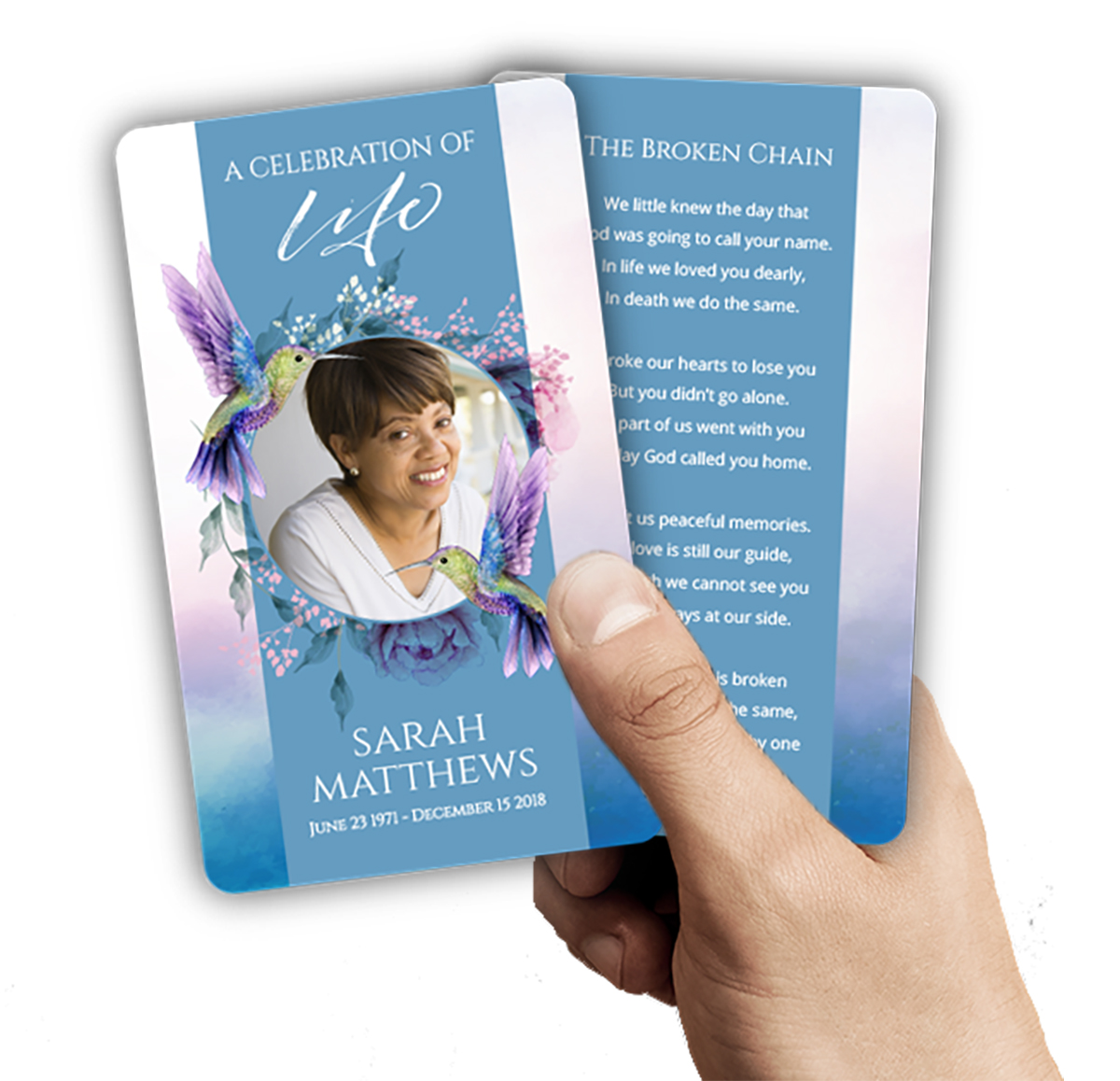
It’s important to remember that your words do not need to be lengthy or elaborate. A simple, heartfelt message can be just as meaningful as a longer note. If you are using memorial cards, folded memorial cards, or custom funeral thank you cards from DisciplePress, the card itself already sets a tone of remembrance and gratitude. Your message inside can be brief, honest, and sincere.
For many, writing thank you cards can even become a small act of self-care. Taking time to reflect on the support you have received may bring moments of peace and gratitude amid the pain. As you consider what to write, know that each card is not just a task to complete, but a gentle way to honor both your loved one and those who stood by your side.
Etiquette and Timing: When and How to Send Funeral Thank You Cards
One of the most common concerns families have is about the “right” way and time to send funeral thank you cards. While etiquette provides some general guidelines, it is essential to remember that your circumstances and emotional readiness come first. There is no strict deadline—most people send cards within two to four weeks after the funeral, but it is perfectly acceptable to take more time if needed.
If you ordered same-day printing or rush orders of thank you cards or folded memorial cards from DisciplePress, you may have your cards ready soon after the service. However, do not feel pressured to send them immediately. Grief does not follow a schedule, and recipients will appreciate your thanks whenever it arrives. It’s always better to send a card late than to worry about perfect timing.
When preparing to send your cards, consider organizing a list of people who attended the service, sent flowers, made donations, or offered other support. Funeral guest books and funeral programs—such as our 8-page or tri-fold programs—can be helpful for tracking names. If you are unsure whether a card is warranted, it is always kind to err on the side of expressing gratitude.
As for how to send your cards, handwritten notes are most traditional and personal, but pre-printed messages with a handwritten signature are also appropriate, especially when you need to send a large number. If you are working with custom design services at DisciplePress, you can personalize your cards for an added touch. No matter the format, what matters most is the sincerity of your thanks and the comfort your words may bring.
Wording Basics: Structuring Your Message with Compassion and Clarity
Deciding what to write in a funeral thank you card can feel overwhelming, but breaking your message into simple parts can make the process easier. A thoughtful thank you card typically includes a greeting, a brief expression of gratitude, a specific mention of the kindness shown, and a closing message. This structure keeps your note clear and heartfelt, even during emotional moments.
We’re committed to supporting you through this difficult time with meaningful memorial resources. We offer Prayer Cards, Memorial Cards and Celebration of Life to help you create meaningful tributes.
Start with a warm greeting—using the recipient’s name whenever possible. This personal touch sets the tone and acknowledges your connection. For example, “Dear Aunt Mary,” or “To the Smith Family,” are both appropriate and comforting. If you are sending thank you cards to a group, such as coworkers or members of a church, addressing the collective is perfectly acceptable.
Follow with a sincere thank you, tailored to the gesture you are acknowledging. For instance: “Thank you for your thoughtful card and kind words,” or “Your support at the service meant so much to our family.” If you are using DisciplePress’s memorial cards or prayer cards, you might reference the specific gesture, such as a donation to a favorite charity or a shared prayer during the ceremony.
Conclude with a gentle closing, such as “With heartfelt appreciation,” or “With gratitude and love.” Signing your name or your family’s name adds a final, personal note. If you wish, you can also include a brief mention of how the recipient’s support made a difference during your time of loss. Remember, your words do not need to be perfect—sincerity and warmth are what truly matter.
Examples for Specific Recipients: Tailoring Your Message
Each relationship in your life is unique, and your thank you cards can reflect this. Customizing your message for different recipients helps convey genuine appreciation and acknowledges the specific ways people have supported you. Whether you are writing to clergy, friends, coworkers, or community groups, these examples offer a starting point for your own words.
For Clergy or Officiants: “Dear Pastor Jones, Thank you for the comforting words and guidance you provided during the service for our father. Your prayers and presence brought peace to our family. We are deeply grateful for your support during this difficult time.”
For Friends and Family: “Dear Sarah, Your kindness and friendship have meant so much to us. Thank you for the meals and the many ways you have helped our family since Mom’s passing. Your support has been a true blessing.” If you’re using a folded memorial card from DisciplePress, you may wish to add a favorite memory or inside joke for an extra personal touch.
For Coworkers: “To the Team at [Company Name], Thank you for your support and understanding while I took time away after my loss. The flowers and kind messages were greatly appreciated. I am grateful to work with such caring colleagues.”
For Groups or Organizations: “To the members of [Church/Club], Please accept our heartfelt thanks for your generous donation in memory of our loved one. Your thoughtfulness and prayers have brought us comfort.” Tailoring your message in this way helps each recipient feel seen and valued, strengthening the bonds that sustain you through grief.
Expressing Thanks for Specific Gestures: Flowers, Donations, Meals, and More
During times of loss, people express their condolences in many different ways—sending flowers, preparing meals, making donations, or offering practical help. When considering what to write in a funeral thank you card, it can be comforting to acknowledge the specific gesture, making your gratitude even more meaningful.
If someone sent flowers, you might write: “Thank you for the beautiful arrangement you sent for the service. Your thoughtful gesture brightened our day and honored our loved one’s memory.” For those who made a donation, a message could be: “Thank you for your generous donation to [Charity Name] in memory of our father. Your kindness means so much to our family.”
When someone prepared meals or offered help at home, you could say: “We are grateful for the delicious meals you provided during our time of loss. Your thoughtfulness lifted a burden and helped us focus on remembering our loved one.” If you received memorial bookmarks, prayer cards, or other keepsakes from DisciplePress or loved ones, mentioning how these items brought comfort can be meaningful: “Your gift of a memorial bookmark is a treasured reminder of the love and support we’ve received.”
Remember, even a short acknowledgment of a specific act—such as helping with arrangements or simply being present—carries great weight. By mentioning these details, you let each person know their unique contribution was noticed and valued, further reinforcing the support network surrounding your family.
Tips for Writing When Words Are Hard to Find
It is completely normal to struggle with what to write in a funeral thank you card, especially when emotions are raw. Writer’s block is common during grief, but there are practical ways to make the process gentler. Here are some tips to help you find the words, even when it feels impossible.
First, give yourself permission to keep your notes brief. A simple sentence or two is enough; your recipients understand you are grieving. If you are using printed thank you cards from DisciplePress, you can add a handwritten line or simply sign your name to a pre-printed message. This small act still carries heartfelt meaning.
Second, set aside a quiet time and space for writing, and allow yourself to take breaks as needed. Some families find it helpful to write cards in small batches, perhaps with the help of another loved one. This can make the task less daunting and offer opportunities to share memories as you write.
Third, consider using a template or repeating a core message, especially if you are sending many cards. For example, “Thank you for your kindness and support during our time of loss. Your thoughtfulness is deeply appreciated.” Personalize as you are able, but do not feel pressured to make each note entirely unique.
Finally, if you are truly struggling, remember that DisciplePress offers custom design services and can help create cards with comforting verses or pre-written messages. The most important thing is to honor your capacity and move at your own pace. Your gratitude will shine through, no matter how simple your words may be.
Including Faith, Quotes, or Verses: Adding Comfort and Meaning
For many families, faith and spirituality are a source of strength during loss. Including a favorite Bible verse, prayer, or comforting quote in your funeral thank you card can offer both you and the recipient an extra measure of solace. DisciplePress provides a Bible Verses Collection and Funeral Poems Collection to help you find the right words if you feel drawn to include them.
If you are using prayer cards or saint prayer cards, you might reference a meaningful scripture, such as “The Lord is close to the brokenhearted” (Psalm 34:18). Including such words can gently remind recipients of the shared faith and hope that unite your community. For secular or interfaith gatherings, a universal quote on gratitude or remembrance can also be comforting.
Memorial cards and bookmarks often have space for a short poem or quote. This can be a beautiful way to honor your loved one’s beliefs or personality. For example, you might include an excerpt from a favorite poem, a line from a well-known hymn, or a brief affirmation such as “Forever in our hearts.”
When choosing what to include, be mindful of your recipient’s beliefs and relationship with your loved one. The goal is to offer comfort and connection, not to create distance. If you are unsure, a simple message of thanks paired with a gentle closing is always appropriate. Our custom design services can also help you incorporate these meaningful elements with care.
Related Articles
Conclusion: Honoring Kindness Through Words and Remembrance
Writing funeral thank you cards is a tender act that acknowledges the compassion and support you have received during an unimaginably difficult time. While it may seem daunting, remember that what matters most is the sincerity behind your words. Whether you use a simple message, a personal memory, or a comforting verse, your gratitude will be felt by those who receive your card.
As you reflect on what to write in a funeral thank you card, trust your instincts and move at your own pace. There is no perfect formula—just your genuine appreciation, shared in a way that feels right for you and your family. If you need support, DisciplePress offers a range of products and services, including custom design services, memorial cards, funeral programs of all types, and same-day printing, to help ease the process.
Consider keeping a list of those you wish to thank, perhaps using a funeral guest book or information from your celebration of life programs. Having these details at hand can make the writing process more manageable. When you are ready, reach out to us if you need help with wording, design, or printing options. Our goal is to support you, every step of the way.
Above all, know that you are not alone. By taking the time to send a note of thanks, you are honoring your loved one’s memory and the kindness of your community. May your words bring comfort, connection, and a sense of peace as you continue on your journey of healing and remembrance. Learn more about DisciplePress and our commitment to serving families. For personalized assistance, please contact us. We offer rush orders and same-day printing for urgent needs.