 Free Shipping Over $50
  888-432-8363


 Obituary/Programs
 No-Fold Memorial Programs
 4 Page Funeral Programs
 8 Page Memorial Programs
 12 Page Funeral Programs
 16 Page Funeral Programs
 20 Page Funeral Programs
 Tri-Fold Funeral Programs
 Complete Memorial Packages
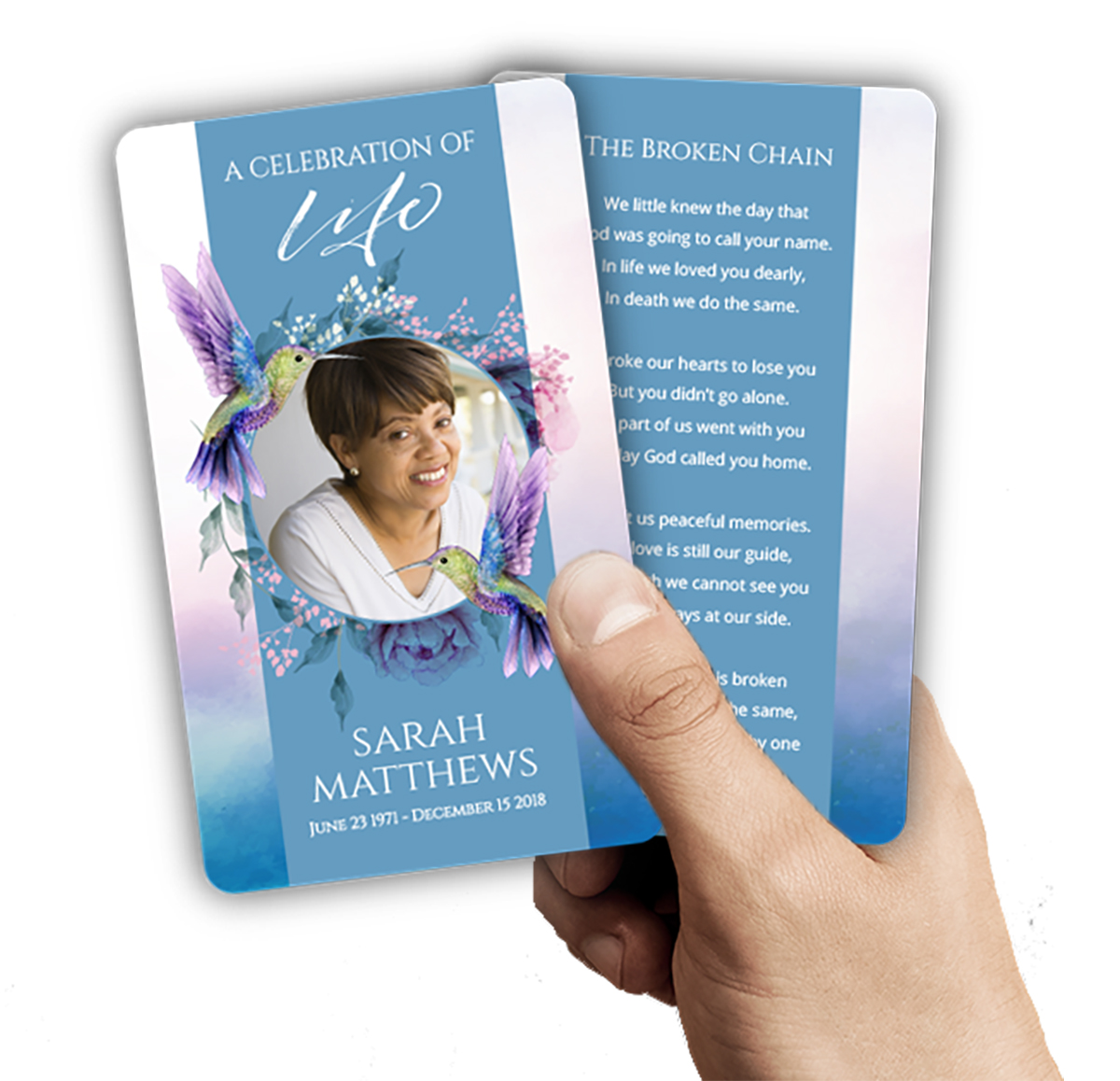 Cards & Bookmarks
 Saint Prayer Cards
 Folded Memorial Cards
 Folded Holy Cards
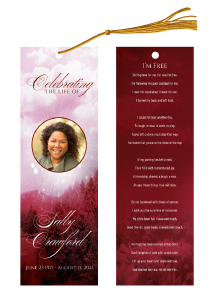 Memorial Bookmarks
 Thank You Cards
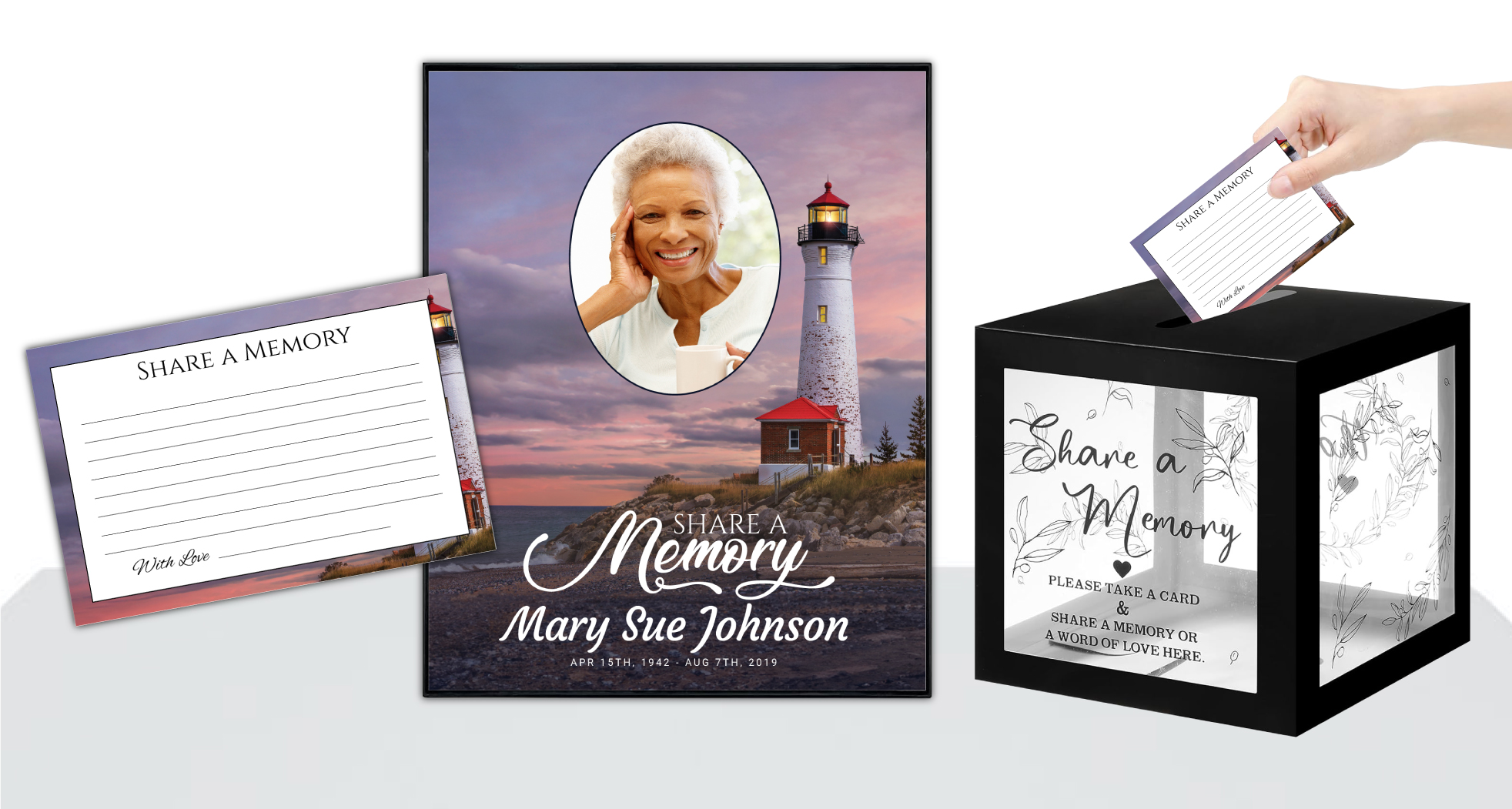 Share-A-Memory Cards
 Memorial Magnets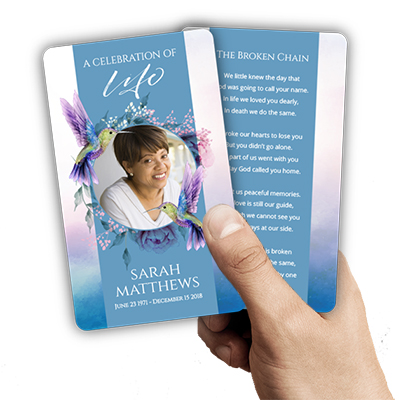
 Memorial Posters
 Guest Books
 Slide Shows
 Memorial Fans
 Death Announcements
 Take Away Keepsakes
 Church Products
Facing the Unimaginable: Why Words Matter After the Loss of a Child
When a friend, family member, or community member loses a child, the grief is profound and often feels beyond words. Reaching out with a sympathy card for loss of a child can feel daunting—what could possibly bring comfort in the face of such devastating sorrow? Yet, your gentle message, no matter how simple, may offer a small light in their darkness. Even when words feel inadequate, expressing your care and presence means more than you might realize.
At DisciplePress, we understand that the loss of a child is one of the deepest sorrows a family can experience. Many of our readers are funeral directors, grieving families, or people supporting loved ones through the planning of memorial services and the creation of funeral programs, prayer cards, or memorial bookmarks. We know that finding the right words is never easy, but your effort to support someone in their grief is a precious gift.
In this article, we’ll walk alongside you through the delicate process of composing a sympathy card for loss of a child. We’ll share compassionate language, message examples, and practical suggestions for what to say—and what not to say—when consoling parents and families facing this most difficult loss. We’ll also address questions about tone, timing, faith, and personalization, and offer ways to honor the child’s memory with meaningful gestures or keepsakes.
As you read, remember that your willingness to reach out, even imperfectly, provides comfort to those who are grieving. We hope this guide will help you approach this sensitive task with empathy, confidence, and care, supporting your loved ones through their journey of loss and remembrance.
Understanding the Depth of Grief: The Unique Pain of Losing a Child

The death of a child shatters the natural order of life—parents expect to nurture and protect their children, not mourn them. Recognizing the depth and complexity of this grief is essential when offering condolences. Each family’s loss is uniquely personal, shaped by the child’s age, their story, and the dreams that will remain unfulfilled.
DisciplePress is dedicated to helping families honor their loved ones with dignity and care. We offer Memorial Bookmarks, Funeral Programs and Prayer Cards to help you create meaningful tributes.
When writing a sympathy card for loss of a child, it’s important to acknowledge this unique sorrow. Avoid minimizing the loss or searching for a “silver lining.” Instead, honor the child’s life, however brief, and the deep love their family will always carry. Simple phrases like, “There are no words for this loss,” or “My heart breaks with yours,” validate the immensity of their pain.
Families may experience a wide range of emotions—shock, anger, guilt, numbness, and despair. It’s normal to feel uncertain about what to say, but your presence, even on a card, reassures them they are not alone. If you knew the child, sharing a memory or quality you cherished can bring solace. If not, expressing your sorrow and support is equally meaningful.
Many families choose to honor their child with personalized funeral programs, such as bi-fold or tri-fold programs, or memorial cards that celebrate moments from their brief life. Mentioning that you are holding their child in your thoughts, or reflecting on a cherished memory, can be a gentle way to show you remember and honor their child.
Remember, grieving parents are navigating a landscape of loss that is both overwhelming and isolating. The care you put into your message can help them feel seen, supported, and gently accompanied during their darkest days.
What to Say: Compassionate Message Examples for a Sympathy Card
Knowing what to write in a sympathy card for the loss of a child can feel impossible. There are no perfect words, but heartfelt, sincere messages can offer comfort. It’s often best to keep your message simple, honest, and focused on care and support. If you’re unsure, start by expressing your sorrow and letting the family know you are thinking of them.
Here are a few examples to consider:
- “My heart is aching for you and your family. I am so sorry for your unimaginable loss.”
- “There are no words that can ease your pain, but please know that I am here for you in any way you need.”
- “[Child’s name] brought so much light in their short time. I will always remember their smile and gentle spirit.”
- “I cannot imagine the sorrow you are feeling. Please accept my deepest condolences and know that my thoughts are with you.”
- “I am holding you close in my heart and prayers as you grieve the loss of your precious child.”
If you shared a special memory with the child, including it can be deeply meaningful. For example, “I’ll never forget the way [child’s name] lit up the room at the last family picnic. Their joy will always be remembered.” Personalization can be especially comforting, helping the family know that their child’s life touched others.
When appropriate, you may also gently offer support for the practical aspects of grief, such as mentioning that you are there to help with arrangements or simply to listen. If the family is preparing funeral programs or memorial bookmarks through DisciplePress, you might note your admiration for the way they are honoring their child’s memory, reinforcing that their love endures.
What Not to Say: Avoiding Hurtful or Unhelpful Phrases
While intentions are usually good, certain phrases can unintentionally cause pain when writing a sympathy card for loss of a child. It’s important to avoid clichés, platitudes, or attempts to explain why the loss happened. Phrases like “Everything happens for a reason,” or “At least you have other children,” can feel dismissive or minimize the depth of grief.
Every memorial should reflect the unique life and legacy of your loved one. We offer Prayer Cards, Memorial Cards and Celebration of Life to help you create meaningful tributes.
Steer clear of religious assurances unless you are certain they align with the family’s beliefs. Even well-meaning words like “God needed another angel” may not bring comfort to every parent and could deepen their hurt. When in doubt, focus on acknowledging the loss, expressing your sorrow, and offering support.
Another common misstep is trying to compare losses, such as saying, “I know how you feel,” or sharing your own experiences with grief. Each loss is unique, and while empathy is important, it’s best not to shift the focus away from the grieving family. Instead, let them know you are there for them, willing to listen or simply sit with their sadness.
Finally, avoid offering unsolicited advice or suggesting how the family should feel or cope. Grief is a highly individual journey. Statements like, “You’ll feel better soon,” or “Stay strong,” can add pressure or invalidate their emotions. Instead, reassure them that whatever they feel is okay, and that you are there to support them unconditionally.
When in doubt, it’s often better to offer a simple message of love and presence. A brief, heartfelt note—perhaps accompanied by a memorial card or bookmark—can mean far more than searching for the “right” words.
Personalization: Honoring the Child’s Memory and Family’s Wishes
Personalizing your sympathy card for loss of a child can bring comfort by honoring the unique spirit of the child and acknowledging the specific grief of the family. Using the child’s name, referencing a favorite activity, or sharing a special memory can make your message feel less generic and more heartfelt.
If the family is sharing details about memorial services, such as the creation of bi-fold programs, celebration of life programs, or prayer cards, you may wish to include a note about how meaningful these tributes are. For example, “I was touched by the beautiful memorial bookmarks at [child’s name]’s service. It’s clear how deeply they were loved.” These personalized touches show that you are present with the family in their remembrance and grief.
Consider cultural or religious practices that may influence how the family grieves and remembers their child. Some families may appreciate a prayer, a Bible verse, or a reference to their faith traditions. DisciplePress offers a range of options, such as faith-based programs and prayer cards, that can help families incorporate these elements into their tributes. If you’re unsure of their preferences, a simple message of love and support is always appropriate.
When appropriate, you might offer a practical gesture alongside your card, such as a donation in the child’s name, or the creation of a keepsake like a memorial candle or custom-designed obituary template. These tokens can provide comfort and ongoing remembrance. At DisciplePress, our custom design services and range of keepsake products can help families create lasting tributes tailored to their wishes.
Personalization is ultimately about showing that you remember the child as an individual and that the family’s grief is deeply respected. Thoughtful, specific words can make your card a cherished source of comfort in the days and years to come.
Timing, Delivery, and Following Up: When and How to Send Your Card
Sending a sympathy card for loss of a child as soon as you hear the news is compassionate, but it’s never too late to reach out. Grief does not follow a timeline, and many parents appreciate ongoing support weeks or even months after their loss. If you’re concerned about timing, remember that receiving a card—even after the funeral—can remind families they are not forgotten as the initial flurry of support fades.
Handwritten cards often feel more personal, but email or digital messages may be appropriate if you’re separated by distance or need a faster way to reach out. Consider including your message alongside a memorial card, prayer card, or funeral program if you’re attending the service or sending care packages. DisciplePress offers same-day printing and rush orders for families and supporters who need to create or share keepsakes quickly during this difficult time.
When mailing your card, include your full name and contact information, especially if you are not a close relative. This allows the family to reach out if they wish, and makes it easier for them to acknowledge your message if they choose to do so later. If you are unsure of the family’s address, you might send your card through the funeral home or ask a mutual contact for guidance.
After sending your card, consider following up with a gentle note, text, or call in the weeks that follow. A simple, “I’m thinking of you,” or, “If you’d like company, I’m here,” can continue to provide comfort as the intensity of support from others may begin to wane. Remember, grief is a long journey, and ongoing gestures—such as sharing a memory on the child’s birthday or anniversary—are deeply appreciated.
Your presence, in whatever form, is a powerful way to accompany grieving families. Thoughtful timing, meaningful delivery, and continued support can make your condolences even more impactful during this time of heartbreak.
Supporting Families Beyond Words: Additional Gestures and Keepsakes
While a heartfelt sympathy card for loss of a child is invaluable, there are other meaningful ways to support grieving families. Thoughtful keepsakes, practical help, and ongoing remembrance can offer comfort that lasts beyond the first days and weeks of mourning. Consider sending a memorial bookmark, prayer card, or personalized funeral program as a tangible tribute to the child’s memory.
Many families appreciate gestures such as preparing meals, assisting with memorial arrangements, or offering to help with other children in the household. If you are close to the family, you might volunteer to assist with creating or distributing celebration of life programs or memorial cards—DisciplePress provides a range of formats, including 8-page, 12-page, and booklet programs, to help families honor their children in a deeply personal way.
Donations in the child’s name to a favorite charity, planting a tree, or organizing a memorial event are other ways to show your support. Accompanying your card with a small memento, such as a memorial candle, garden flag, or photo ornament, can help the family keep their child’s memory close. Our custom design services allow you to create unique keepsakes that reflect the child’s spirit and the family’s wishes.
Supporting families also means respecting their need for space or solitude. Let them know you are available, but don’t take it personally if they are slow to respond. Grieving parents often find solace in small, ongoing reminders that their child is remembered—consider writing again on anniversaries, or sharing a memory in a “Share a Memory Card” offered by DisciplePress.
Ultimately, your willingness to accompany a family through their grief, whether with words, actions, or thoughtful keepsakes, is a lasting gift. These gestures, no matter how small, can bring comfort and connection during a time of profound loss.
Addressing Faith, Spirituality, and Cultural Sensitivities
Faith and spirituality often play a role in how families process the loss of a child. When writing a sympathy card for loss of a child, consider the family’s beliefs and traditions. If you know the family finds comfort in their faith, including a meaningful Bible verse, prayer, or spiritual message can be soothing. DisciplePress’s Bible Verses Collection and Funeral Poems Collection offer inspiration for those seeking appropriate words of comfort.
If you are unsure of the family’s religious views, it is best to avoid assumptions. Instead, focus on universal messages of love, remembrance, and support. For families who do appreciate faith-based gestures, including a prayer card or faith-based program with your card can be especially meaningful. These items can be personalized to reflect the child’s spirit and the family’s beliefs through DisciplePress’s custom design services.
Cultural practices around mourning and remembrance vary widely. Some families may observe specific rituals, such as lighting candles, wearing certain colors, or hosting multi-day memorials. If you are aware of these customs, acknowledging them in your card—such as, “I am lighting a candle in [child’s name]’s memory,”—shows respect and understanding. Offering to help with these traditions, or assisting with the creation of appropriate funeral programs or memorial cards, can provide practical and emotional support.
When in doubt, a simple, respectful message is always welcome. “With heartfelt sympathy for your loss,” or “Thinking of you as you honor [child’s name]’s life,” are appropriate across many faiths and cultures. If you are attending or supporting a service, you might reference specific program types—like nature themed programs, angel themed programs, or celebration of life programs—that reflect the family’s preferences.
Being sensitive to faith, spirituality, and cultural norms demonstrates deep respect for the family’s values and offers comfort tailored to their unique needs. This attentiveness can make your card and any accompanying keepsake even more meaningful.
Related Articles
Conclusion: Supporting Grieving Families with Compassion and Care
Writing a sympathy card for loss of a child is an act of profound compassion. While no words can erase the pain, your thoughtful message can offer comfort, connection, and hope to grieving families. By acknowledging the depth of their loss, personalizing your words, and avoiding unhelpful phrases, you bring solace during an unimaginably difficult time.
Remember that your support need not end with a card. Gestures such as sending memorial bookmarks, prayer cards, or custom-designed funeral programs—whether in bi-fold, tri-fold, or booklet format—can help families cherish their child’s memory for years to come. DisciplePress is honored to walk alongside you, offering custom design services, same-day printing, and a variety of keepsake options to support families in their time of need.
As you reach out, trust that even the simplest message—“I am so sorry for your loss”—can bring light to a grieving heart. Consider following up with additional notes or gestures in the months ahead, and always let the family’s needs and wishes guide your actions. If you need further inspiration, our collections of funeral poems, Bible verses, and memorial quotes can help you find gentle words of comfort.
If you are supporting a family as they plan services or create keepsakes, or if you wish to learn more about our turnaround time or available products, please contact us. We are here to help, offering guidance, resources, and understanding every step of the way.
Above all, know that your care and presence matter. In times of deep sorrow, the smallest expressions of love and remembrance can bring hope and healing. We stand with you in honoring every child’s memory and supporting every family’s journey through grief. Learn more about DisciplePress and our commitment to serving families. For personalized assistance, please contact us. We offer rush orders and same-day printing for urgent needs.