 Free Shipping Over $50
  888-432-8363


 Obituary/Programs
 No-Fold Memorial Programs
 4 Page Funeral Programs
 8 Page Memorial Programs
 12 Page Funeral Programs
 16 Page Funeral Programs
 20 Page Funeral Programs
 Tri-Fold Funeral Programs
 Complete Memorial Packages
 Cards & Bookmarks
 Saint Prayer Cards
 Folded Memorial Cards
 Folded Holy Cards
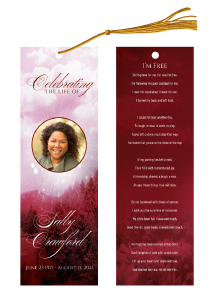 Memorial Bookmarks
 Thank You Cards
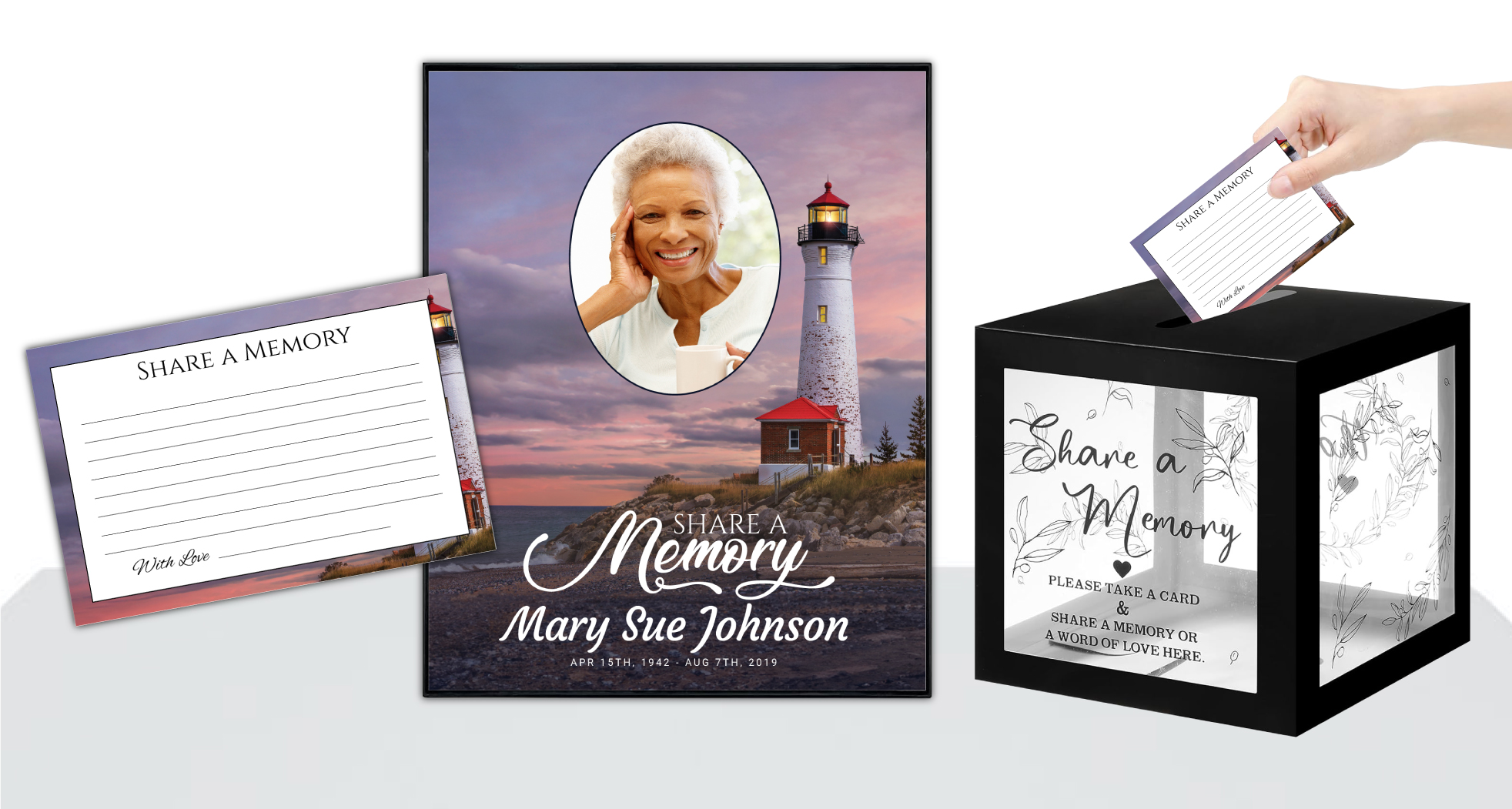 Share-A-Memory Cards
 Memorial Magnets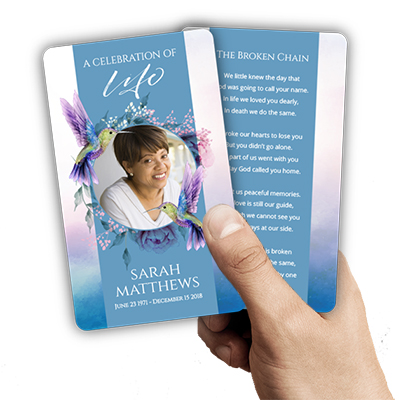
 Memorial Posters
 Guest Books
 Slide Shows
 Memorial Fans
 Death Announcements
 Take Away Keepsakes
 Church Products
Introduction: Navigating Gratitude in Times of Loss
Losing a loved one is an experience that touches every part of our hearts. In the midst of sorrow, families often find themselves surrounded by acts of kindness—meals prepared, flowers delivered, hands offered in support, and prayers quietly spoken. In these tender moments, expressing gratitude can feel overwhelming or confusing. Yet, many find comfort in acknowledging those who stood with them during their most difficult hours.
The question of when to send funeral thank you cards and who should receive them is one that arises for many families after a funeral or memorial service. Navigating these etiquette considerations can seem daunting, particularly while coping with grief and the practicalities of arrangements. It’s important to remember that there is no single “right” way—just gentle guidance to help you honor your loved one and extend your appreciation.
In this comprehensive guide, we will explore the thoughtful process of sending funeral thank you cards: from the appropriate timing, to creating a meaningful recipient list, to practical tips for managing the task with sensitivity. You’ll also find examples, checklists, and answers to common concerns, all written with empathy for your journey. As you read, know that every family’s path is unique, and your gratitude, whether spoken or written, comes from the heart.
At DisciplePress, we understand the emotional road you travel in these moments. This article aims to provide comfort, clarity, and practical support as you navigate this aspect of memorial tradition. Together, we hope to make the process gentler, so you can focus on what matters most: honoring your loved one and caring for yourself.
Understanding Funeral Thank You Card Etiquette and Its Importance

Etiquette around funeral thank you cards has evolved, but its purpose remains deeply rooted in community and gratitude. Sending these cards is not merely a formality—it’s a meaningful way to acknowledge the love, support, and kindness shown to your family during a time of loss. Many find that taking this step provides a sense of closure and peace, turning gratitude into a comforting ritual.
DisciplePress is dedicated to helping families honor their loved ones with dignity and care. We offer Memorial Bookmarks, Funeral Programs and Prayer Cards to help you create meaningful tributes.
There’s often uncertainty about whether thank you cards are required. While not obligatory, they are a thoughtful gesture that many appreciate, especially those who went out of their way to help. For example, someone who prepared a meal for your family, served as a pallbearer, or sent a heartfelt letter may feel deeply touched by your acknowledgment. It’s a way of saying, “Your care made a difference.”
Etiquette guidelines suggest that thank you cards be sent within a few weeks of the funeral. However, it’s important to give yourself grace. If you need more time, it is entirely acceptable to send cards later, or even to ask another family member or friend to assist in the process. The sincerity of your message means more than the promptness of your reply.
When you begin this process, consider using tools that can help. For instance, funeral guest books and programs—such as bi-fold programs or 8-page programs—can serve as records of attendance and support. Prayer cards and memorial bookmarks, available from DisciplePress, also often list names and details, making it easier to remember who to thank.
In summary, funeral thank you cards bridge the gap between grief and gratitude, offering comfort to both the sender and recipient. Understanding their purpose helps set the stage for the practical steps ahead.
Choosing the Right Time: When to Send Funeral Thank You Cards
Determining when to send funeral thank you cards is often a source of stress for grieving families, but it does not need to be. Traditional etiquette suggests sending cards within two to four weeks after the funeral or memorial service. This window is considered thoughtful and timely, allowing you to acknowledge support while the memory is still fresh for both you and your recipients.
However, grief unfolds at its own pace, and there are many valid reasons for waiting longer. If the loss was sudden, if you’re managing estate matters, or if your emotional reserves are low, it’s acceptable to send cards even several months later. Recipients will understand that your gratitude is sincere, regardless of when it arrives. The most important thing is to honor your own needs and limits.
If you’re feeling overwhelmed, consider breaking the process into smaller steps. Start by gathering addresses using memorial cards, guest books, or funeral programs collected during the service. Assigning the task to a family member, or asking a friend for help, can also ease the burden. Some families use a spreadsheet to track who has been thanked, ensuring no one is overlooked.
For those who need to send cards quickly—perhaps to thank those who traveled a great distance or provided significant assistance—services like rush orders or same-day printing from DisciplePress can be invaluable. This allows you to send thoughtful cards without sacrificing the quality or sentiment of your message.
Ultimately, the right time to send funeral thank you cards is when you are ready. There is no strict deadline, only the gentle encouragement to express your gratitude when it feels right for you and your family.
Who Should Receive Funeral Thank You Cards: Building Your Recipient List
One of the most common questions families ask is: who should receive funeral thank you cards? While there is no exhaustive list, certain groups are traditionally included. Starting with those who played a direct role in the funeral or memorial service helps ensure that key supporters are recognized.
We’re committed to supporting you through this difficult time with meaningful memorial resources. We offer Prayer Cards, Memorial Cards and Celebration of Life to help you create meaningful tributes.
Common recipients include clergy or officiants who led the service, pallbearers who carried your loved one to their final resting place, and musicians who provided comfort through song. Those who gave eulogies, organized readings, or helped coordinate logistics also deserve acknowledgment. Using a bi-fold program or 16-page program from the service can help you recall these individuals.
Extend your gratitude to friends and family who provided meals, sent flowers, made memorial donations, or offered their homes for gatherings. Neighbors who assisted with daily tasks—such as child care, transportation, or household chores—often appreciate a note of thanks. Don’t forget to thank professionals, such as funeral directors, who went above and beyond.
It’s also thoughtful to send cards to those who may not have attended the service but sent thoughtful letters, emails, or messages of support. Even a brief note or a memorial card can touch someone who offered comfort from afar. If you are unsure, it is always better to err on the side of inclusion; gratitude is never wasted.
Creating a checklist—perhaps using your funeral guest book—can help you organize recipients and avoid missing anyone. Remember, there is no requirement to send thank you cards to every attendee, but focusing on those who made a significant impact is both meaningful and manageable.
Special Groups to Remember: Going Beyond the Immediate Circle
While close friends and family are often top of mind, there are special groups who may also deserve recognition. These include extended relatives who coordinated travel, coworkers who organized office collections, and community groups or support organizations that provided ongoing care.
Consider those who helped behind the scenes, such as the staff at the funeral home, volunteers from your place of worship, or neighbors who kept your home running smoothly. Even small gestures—like delivering groceries or walking the family pet—can be acknowledged with a note or a folded memorial card.
If your loved one received hospice or medical care, the nurses, doctors, and caregivers who offered compassion and expertise may be deeply moved by a card. Many families find comfort in extending thanks to those who supported them in the final days, whether through medical care, counseling, or spiritual guidance.
Don’t overlook those who contributed in creative or technical ways: florists, caterers, or those who helped design your celebration of life program or memorial slideshow. Even if you worked with professionals like the DisciplePress custom design services, a note of appreciation for their dedication can foster a sense of community and partnership.
By broadening your recipient list, you honor not only your loved one but also the community that gathered around you during a time of need. Including these extended groups in your gratitude helps reinforce the bonds of support that will sustain you as you heal.
Practical Tips for Managing the Thank You Card Process
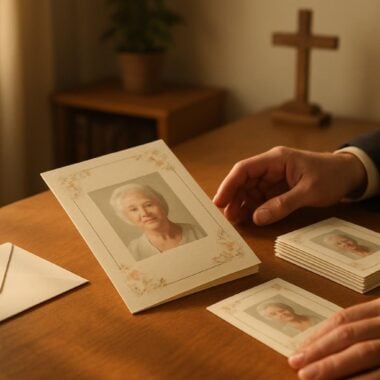
The process of sending funeral thank you cards can feel daunting, especially when emotions are raw. Breaking the task into manageable steps can help lighten the emotional and practical load. Start by gathering the necessary supplies: thank you cards, pens, addresses, and a list of recipients. Many families find it helpful to use memorial cards or funeral guest books from the service as a starting point for names and addresses.
Set aside dedicated time each day to write a few cards, rather than trying to complete them all at once. This approach can make the process feel less overwhelming and give you space to reflect on each act of kindness. If you have multiple family members, consider dividing the list and writing together, sharing memories and stories as you go.
Personalizing each card with a specific mention of the recipient’s gesture—such as “Thank you for providing the beautiful flowers displayed at the service” or “Your presence and your meals brought our family much-needed comfort”—adds warmth and meaning. For those who supported from afar, a note of appreciation for their thoughts or prayers can be equally heartfelt.
If time is of the essence, or if you have a large number of recipients, explore same-day printing or rush order options from DisciplePress. These services can expedite the process without sacrificing the personal touch. You might also consider ordering extra thank you cards or memorial bookmarks as keepsakes for those who played an especially meaningful role.
Remember, the act of sending a thank you card is about connection, not perfection. Your words, however simple, will be received with gratitude and understanding. Allow yourself grace throughout the process, and lean on your support network when you need a helping hand.
Addressing Common Questions and Concerns About Funeral Thank You Cards
Many families have questions about funeral thank you cards, especially regarding etiquette, timing, and wording. One common concern is whether it’s necessary to send cards to everyone who attended the service. The answer is no—focus on those who gave special support or assistance, such as pallbearers, officiants, and those who sent gifts or donations.
Another frequent question is what to do if you don’t have everyone’s address. In such cases, it’s acceptable to reach out by phone, email, or even through social media, especially for distant acquaintances. Alternatively, you can send a general note of thanks in a funeral program or as part of a death announcement card, ensuring your gratitude reaches a wider circle.
Families often wonder about the appropriate tone and length for thank you cards. Simple, heartfelt messages are best. You might write, “Your kindness brought us comfort during this difficult time,” or “Thank you for your support and prayers.” If you’re seeking inspiration, consider referencing our Funeral Poems Collection or Memorial Quotes to include a brief, meaningful quote.
There is also concern about cultural or religious expectations. Some faith traditions have specific customs, such as including a prayer card or a small token like a memorial bookmark or saint prayer card. When in doubt, consult with your community leader or funeral director, or reach out to DisciplePress for guidance on respectful options.
Finally, remember that your best effort is enough. If you miss someone unintentionally or send your cards later than planned, your gratitude will still be felt. Compassion for yourself is as important as compassion for others during this time.
Utilizing Funeral and Memorial Products to Support the Thank You Process
The right memorial products can simplify the process of sending funeral thank you cards and help ensure no one is overlooked. For example, bi-fold programs, tri-fold programs, and 8-page programs often include the names of those who participated in the service, making it easier to create your recipient list.
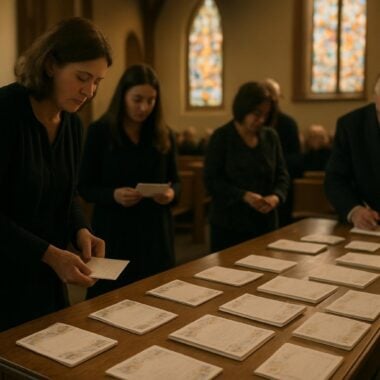
Guest books, available as part of many memorial packages, provide a ready record of attendees and well-wishers. Reviewing these entries can jog your memory about those who offered support in person or from afar. For larger gatherings, consider using a share a memory card or prayer card station to collect messages and contact information.
Incorporating keepsakes such as memorial bookmarks, large memorial cards, or memorial magnets into your thank you notes offers an extra measure of appreciation, especially for those who contributed in significant ways. These small tokens can serve as lasting reminders of your gratitude and the loved one you honor.
For families seeking a personalized touch, custom design services at DisciplePress allow you to create cards and programs that reflect your loved one’s unique story. Whether you choose a faith-based design, an angel theme, or a nature motif, these details can make your expression of thanks even more meaningful.
By utilizing these memorial products and services, you streamline the thank you process while creating tangible connections to your loved one’s memory. These tools not only support your organizational needs but also invite deeper reflection and healing as you move through the journey of grief.
Related Articles
Conclusion: Honoring Memories and Extending Gratitude with Compassion
Sending funeral thank you cards is more than a matter of etiquette—it is a heartfelt way to recognize the kindness and support that surround us in times of loss. As you consider when to send funeral thank you cards and who should receive them, remember that your gratitude, however expressed, is a gift both to others and to yourself.
Throughout this guide, we’ve explored the timing, etiquette, and practical steps for managing this tradition with care. From selecting recipients and using funeral programs to guide your list, to utilizing products like memorial cards and memorial bookmarks, each step can be adapted to suit your family’s needs and pace.
If you find yourself in need of additional support, DisciplePress offers a variety of resources to help simplify the process. Our custom design services, same-day printing, and rush orders are available to help you create and send cards with ease, and our team is always ready to answer questions or offer guidance.
Above all, we encourage you to be gentle with yourself. Grief is a journey, and every family walks it differently. Your efforts to express gratitude, no matter how small, will be deeply meaningful to those who receive them. If you need more guidance or would like to view our selection of thank you cards and memorial products, please contact us or explore our Design Gallery for inspiration.
May you find comfort in the support of your community, and may your expressions of thanks bring peace to your heart as you honor the memory of your loved one.
Learn more about DisciplePress and our commitment to serving families. For personalized assistance, please contact us. We offer rush orders and same-day printing for urgent needs.